Weight Stigma: Unmasking the Psychology of Size Bias
Scientifically Reviewed · Dr. Marwa Abd-Alazim · October 7, 2026
Review Criteria & Clinical Standards
This content undergoes rigorous scientific peer-review and medical editorial standards at Arab Psychology Network to ensure clinical accuracy, validity, and compliance with evidence-based guidelines from leading psychological and healthcare authorities (APA / WHO).
The Core Definition of Size Discrimination
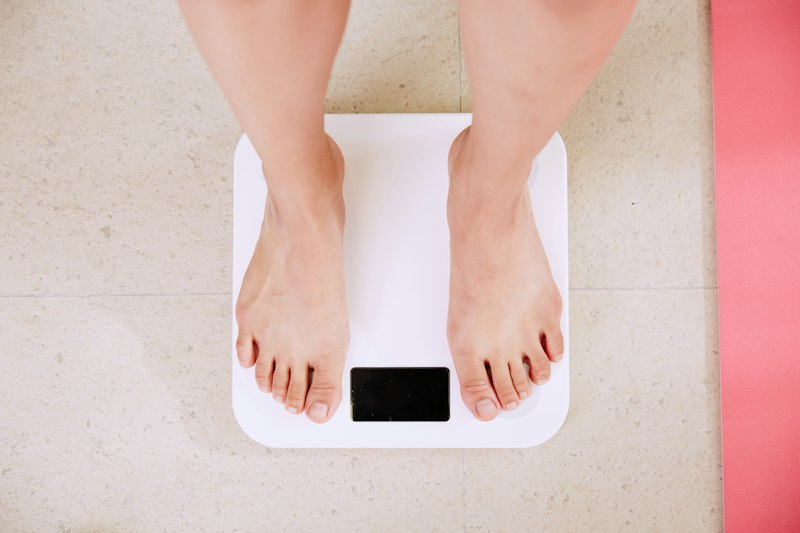
Size discrimination, often interchangeably referred to as weight discrimination or weight stigma, constitutes a pervasive form of bias and prejudice directed towards individuals based on their body size or weight. This phenomenon extends beyond mere personal preference, manifesting as unfair treatment, stereotyping, and differential access to opportunities. At its core, it is a manifestation of societal prejudices that judge individuals based on a characteristic often perceived as controllable, despite a growing understanding of the complex biological, genetic, and environmental factors that influence body weight. This discrimination can affect individuals across the entire body size spectrum, though it is disproportionately experienced by those categorized as overweight or obese, who often face more frequent and severe forms of marginalization.
The fundamental mechanism underlying size discrimination is the internalization of societal ideals about body size, often reinforced by media, cultural narratives, and even some public health messages. These ideals frequently equate thinness with health, discipline, attractiveness, and moral virtue, while associating larger body sizes with laziness, lack of willpower, poor health, and negative character traits. These deeply ingrained stereotypes fuel biased attitudes, which can then translate into discriminatory behaviors. It is crucial to understand that size discrimination is not simply about physical appearance; it is about the systemic disadvantage and harm inflicted upon individuals due to a characteristic that often has profound implications for their social, economic, and psychological well-being.
Unlike some other forms of discrimination, size discrimination often lacks legal protection in many jurisdictions, making it a particularly insidious and challenging form of bias to combat. Individuals experiencing this prejudice may struggle to find recourse, leading to a perpetuation of harmful practices and a normalization of biased attitudes. The experience of being judged and mistreated based on one’s body size can be deeply damaging, eroding self-esteem, fostering social isolation, and creating significant barriers to achieving one’s full potential in various life domains.
Historical Context and Evolution of Understanding
While bias against larger body sizes has likely existed in various forms throughout history, the formal study and recognition of size discrimination as a distinct psychological and social phenomenon gained significant traction in the latter half of the 20th century. Early research into stigma and prejudice laid the groundwork, but it was not until the 1970s and 1980s that psychologists and sociologists began to systematically investigate the unique experiences of individuals facing bias due to their weight. Key researchers like Kelly D. Brownell and Rebecca Puhl became prominent figures in this field, highlighting the widespread nature and severe consequences of anti-fat bias. Their work, alongside others, helped to shift the discourse from solely focusing on individual responsibility for weight to acknowledging the societal and systemic factors that contribute to discrimination.
The origin of this specific line of inquiry was often rooted in observations of disparities in employment, healthcare, and educational settings, as well as the increasing prevalence of weight-related health concerns in Western societies. As public health campaigns began to emphasize the risks associated with obesity, an unintended consequence was the exacerbation of societal stigma, leading to a rise in negative attitudes and discriminatory actions against individuals with larger bodies. Researchers recognized the critical need to distinguish between public health efforts aimed at improving well-being and the harmful effects of stigmatizing individuals based on their weight, which often counteracted health goals by promoting avoidance of healthcare and unhealthy coping mechanisms.
In the decades since, the field has evolved considerably, moving from simply documenting the existence of weight bias to exploring its psychological mechanisms, its intersection with other forms of discrimination (such as race, gender, and socioeconomic status), and the development of interventions. The advent of concepts like implicit bias has further enriched this understanding, revealing that even individuals who consciously reject prejudiced views may harbor unconscious biases against those with larger body sizes. This historical trajectory underscores a critical shift from a purely medicalized view of weight to one that incorporates significant psychological, social, and human rights dimensions, recognizing size discrimination as a serious issue deserving of academic scrutiny and societal intervention.
Prevalence Across Diverse Contexts
Size discrimination is not an isolated incident but a pervasive societal issue, permeating numerous aspects of daily life and significantly impacting individuals across the body size spectrum. Research consistently demonstrates its widespread nature, affecting people in various countries and cultural contexts. While individuals of all sizes can experience some form of body image pressure, studies, such as those by Glowacki et al. (2019), indicate that individuals classified as overweight or obese report experiencing discrimination far more frequently and intensely than those of average size. This differential experience highlights a systemic bias that targets specific body types, creating significant disadvantages for a large segment of the population.
In the workplace, the effects of size discrimination are particularly stark and well-documented. Overweight individuals frequently face significant barriers to employment, including being less likely to be hired for jobs, even when equally or more qualified than thinner counterparts. Furthermore, career progression is often hampered, with studies by Puhl & Heuer (2009) showing that they are less likely to receive promotions or earn comparable salaries. Beyond hiring and promotion, the workplace can also be a hostile environment, characterized by frequent experiences of teasing, exclusionary behaviors, and outright harassment. This pervasive bias can lead to psychological distress, reduced job satisfaction, and significant economic disadvantages for affected individuals.
The healthcare setting, ironically, is another arena where size discrimination is disturbingly common, despite its mission to promote well-being. Patients with larger bodies often report experiencing disrespectful treatment from healthcare providers, being subjected to unsolicited weight-loss advice regardless of their presenting complaint, and having their symptoms attributed solely to their weight without thorough investigation. This bias can manifest in the doctor-patient relationship through reduced empathy and communication, and also extends to systemic issues like insurance coverage disparities for weight-related treatments (Glowacki et al., 2019). Such experiences can lead to patients avoiding necessary medical care, delaying diagnoses, and ultimately experiencing poorer health outcomes.
Within the educational system, size discrimination also poses significant challenges, particularly for younger individuals. Overweight students are disproportionately targeted for bullying, victimization, and social exclusion by their peers, as well as sometimes facing biased attitudes from educators. These experiences can profoundly impact a student’s academic performance, social development, and overall psychological well-being. The long-term effects can include diminished self-esteem, increased risk of mental health issues, and a negative association with school environments, potentially hindering their educational attainment and future opportunities.
Profound Implications for Health and Well-being
The pervasive nature of size discrimination carries profound and far-reaching implications for both the mental and physical health of affected individuals. The constant exposure to negative attitudes, stereotypes, and unfair treatment creates a chronic stressor that can significantly erode an individual’s psychological resilience. Studies have consistently demonstrated a strong association between experiencing size discrimination and elevated levels of psychological distress, encompassing symptoms of depression, anxiety, and heightened stress responses. This distress is not merely an emotional reaction but a physiological state that can have tangible impacts on overall mental well-being and daily functioning.
One of the most insidious consequences of this form of bias is its detrimental effect on body image. Individuals who are targets of weight stigma often internalize societal ideals and negative stereotypes, leading to self-criticism, body dissatisfaction, and, in many cases, a profound sense of shame about their bodies. This internalized stigma can contribute to the development of eating disorders, unhealthy weight control behaviors, and a persistent preoccupation with appearance, further exacerbating psychological distress. The constant pressure to conform to unrealistic body standards, coupled with the experience of discrimination, creates a vicious cycle that undermines self-esteem and hinders the development of a positive relationship with one’s body.
Beyond mental health, size discrimination has also been linked to tangible and concerning poorer physical health outcomes. The chronic stress associated with experiencing prejudice can lead to physiological changes, including alterations in cortisol levels and inflammatory markers, which are risk factors for various chronic diseases. Furthermore, the avoidance of healthcare due to fear of judgment or disrespectful treatment can result in delayed diagnoses, inadequate preventive care, and poorer management of existing health conditions. Paradoxically, size discrimination has even been associated with an increased risk of obesity itself and adverse metabolic markers (Glowacki et al., 2019), suggesting that the stress and coping mechanisms adopted in response to stigma can contribute to the very health issues that are often wrongly attributed solely to individual choices.
The cumulative effect of these mental and physical health consequences is a reduced quality of life, impaired social functioning, and significant barriers to personal and professional fulfillment. The constant vigilance required to navigate a world that is often hostile to larger bodies can be exhausting, diverting resources that could otherwise be dedicated to personal growth and well-being. Understanding these profound implications is crucial for recognizing size discrimination not just as a social injustice, but as a significant public health concern.
A Practical Example: The Job Interview Scenario
To illustrate the practical application of size discrimination, consider a common real-world scenario: a job interview. Imagine Sarah, a highly qualified candidate with extensive experience and an impressive resume, applying for a marketing manager position. She has a strong track record of success in previous roles, excellent communication skills, and a genuine passion for the industry. However, Sarah is also a person with a larger body size, which, unfortunately, can trigger unconscious biases in potential employers.
Here’s how the psychological principle of size discrimination might apply, step-by-step, in this scenario:
-
Initial Impression and Stereotype Activation: Upon Sarah’s arrival, the hiring manager, Mr. Thompson, unconsciously activates negative stereotypes associated with larger body sizes. These stereotypes, often reinforced by societal narratives, might include assumptions that Sarah is less disciplined, less energetic, less competent, or less professional than thinner candidates, regardless of her actual qualifications or demeanor. These are often instances of implicit bias, where the manager is not consciously trying to discriminate but is influenced by ingrained societal prejudices.
-
Differential Evaluation of Qualifications: During the interview, Mr. Thompson might unconsciously scrutinize Sarah’s answers more critically or give less weight to her accomplishments compared to a thinner candidate. He might interpret her confidence as arrogance or her thoughtfulness as slowness, filtering her responses through the lens of his unconscious bias. Even if Sarah provides stellar answers, the manager’s perception might be subtly skewed, leading him to undervalue her contributions.
-
Focus on Irrelevant Attributes: Instead of focusing solely on Sarah’s skills and experience, Mr. Thompson might find his attention drifting to her appearance, perhaps noticing her clothing or physical movements in a way he wouldn’t for a thinner candidate. This irrelevant focus detracts from an objective assessment of her professional capabilities and reinforces the idea that her body size is a relevant factor in her employability.
-
Attribution Bias: If Sarah mentions a previous challenge she overcame, Mr. Thompson might unconsciously attribute it to her perceived lack of discipline (linked to her weight) rather than to external circumstances or the natural difficulties of business. Conversely, a thinner candidate’s challenges might be attributed to external factors, maintaining a positive perception of their abilities.
-
Hiring Decision and Justification: Ultimately, if Sarah is not offered the position, Mr. Thompson might rationalize his decision by citing vague reasons like “lack of cultural fit” or “a feeling she wasn’t quite right,” rather than acknowledging the unconscious role her body size played. This exemplifies how size discrimination can operate subtly, without overt malicious intent, yet result in significant professional setbacks for qualified individuals. This scenario highlights how pervasive and damaging workplace discrimination can be, even when disguised by seemingly neutral justifications.
Significance and Broader Impact
The concept of size discrimination holds immense significance within the field of psychology and beyond, primarily because it illuminates a fundamental aspect of human prejudice and social injustice that has historically been overlooked or trivialized. By recognizing and studying this phenomenon, psychology contributes to a more comprehensive understanding of how social hierarchies are formed, maintained, and how they impact individual lives. It challenges the simplistic notion that body weight is solely a matter of personal choice and willpower, instead emphasizing the complex interplay of biological, environmental, and societal factors, and the profound harm inflicted when individuals are judged and mistreated based on their size. This understanding is critical for advancing a more equitable and compassionate society.
The applications of this concept are far-reaching, influencing various sectors and informing practical interventions. In the realm of public health, an awareness of size discrimination is vital for developing effective and ethical health promotion strategies that do not inadvertently contribute to stigma. Understanding its impact guides the creation of more inclusive healthcare environments, encouraging individuals to seek medical care without fear of judgment. In marketing and media, this concept encourages critical evaluation of body representation and challenges harmful stereotypes, promoting more diverse and realistic portrayals of human bodies. Furthermore, in education, it informs anti-bullying programs and promotes a culture of body positivity and respect among students and educators.
Beyond these direct applications, the study of size discrimination plays a crucial role in broader social justice movements. It highlights the need for policy changes, such as anti-discrimination laws, to protect individuals based on their body size, similar to protections offered for race, gender, or religion. It also informs advocacy efforts aimed at challenging societal norms and reducing weight stigma, fostering environments where individuals are valued for their intrinsic worth rather than their physical appearance. The academic rigor applied to this area of study helps validate the lived experiences of millions, providing a robust evidence base for systemic change and underscoring the importance of addressing all forms of prejudice to achieve true equity.
Connections to Related Concepts and Broader Field
Size discrimination is intricately connected to a broader constellation of psychological concepts and theories, firmly embedding it within several subfields of psychology. Fundamentally, it is a specific manifestation of prejudice, which refers to preconceived negative judgments or opinions, and stigma, a powerful discrediting social label that devalues individuals. Like other forms of prejudice, size discrimination is often perpetuated by stereotypes, which are oversimplified and generalized beliefs about groups of people. For instance, the stereotype that individuals with larger bodies are lazy or lacking in self-control fuels much of the discriminatory behavior observed. These conceptual links highlight that the mechanisms driving size discrimination are not unique but share commonalities with other forms of bias, such as racism, sexism, and ageism.
The concept also has strong ties to theories of social psychology, particularly those exploring social identity, group dynamics, and intergroup relations. It often involves an “us vs. them” mentality, where those conforming to societal thin ideals may consciously or unconsciously distance themselves from or devalue those who do not. Furthermore, the role of implicit bias is critical here, explaining how individuals can hold unconscious negative attitudes towards people of larger body sizes, even if they consciously espouse egalitarian beliefs. This unconscious bias can subtly influence perceptions, decisions, and behaviors in various settings, from hiring processes to medical interactions, without the individual even being aware of its influence.
Within health psychology and clinical psychology, size discrimination is a central concern due to its profound impact on mental and physical well-being. It relates directly to concepts of body image, self-esteem, and psychological distress, and can contribute to the development of eating disorders and other mental health conditions. Researchers in these fields study how internalized stigma affects health behaviors, treatment adherence, and overall quality of life. Moreover, the concept of intersectionality is crucial here, recognizing that size discrimination rarely operates in isolation but often intersects with other forms of marginalization (e.g., race, gender, socioeconomic status), exacerbating its impact on individuals who belong to multiple stigmatized groups. The broader category that size discrimination belongs to is primarily Social Psychology, given its focus on social influence, group processes, and prejudice, but it also heavily overlaps with Health Psychology due to its significant health implications, and aspects of Developmental Psychology when considering its impact on children and adolescents.