Subcutaneous Injection: The Psychology of Risky Impulses
Scientifically Reviewed · Dr. Marwa Abd-Alazim · October 8, 2026
Review Criteria & Clinical Standards
This content undergoes rigorous scientific peer-review and medical editorial standards at Arab Psychology Network to ensure clinical accuracy, validity, and compliance with evidence-based guidelines from leading psychological and healthcare authorities (APA / WHO).
Understanding Skin Popping: A Definitional Overview
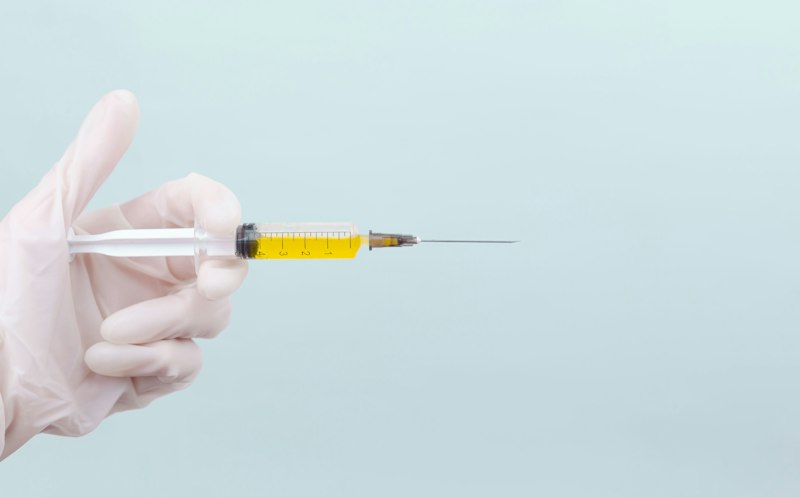
Skin popping refers to a method of drug administration where a substance is injected into the subcutaneous layer of the skin, rather than directly into a vein or muscle. This technique places the drug into the fatty tissue beneath the dermis, allowing for a slower absorption into the bloodstream compared to intravenous (IV) injection. While medically, subcutaneous injections are a common and safe method for administering certain medications like insulin, in the context of recreational drug use, it represents an alternative often adopted by individuals who typically engage in intravenous drug use. This shift in administration route is frequently driven by various factors, including difficulty in accessing veins, fear of intravenous injection, or a perceived reduction in certain immediate risks associated with direct venous access.
The primary distinction of skin popping lies in its departure from the more rapid systemic delivery achieved by intravenous methods. Instead of the drug entering the circulatory system almost instantaneously, subcutaneous injection necessitates the drug’s diffusion through the interstitial fluid and capillaries of the fatty tissue before reaching the wider bloodstream. This process significantly alters the drug’s pharmacokinetics, leading to a delayed onset of effects and a prolonged, albeit often less intense, drug experience. For many intravenous drug users, this method becomes a contingency when veins become damaged, collapsed, or otherwise inaccessible, highlighting a progression in the challenges faced by individuals struggling with substance use.
Despite its perceived advantages among users, such as being less painful or less conspicuous than intravenous injection, skin popping carries a distinct set of risks that are critical to understand from both a medical and public health perspective. The slower absorption rate, while potentially mitigating the immediate ‘rush’ of an IV injection, does not diminish the overall potency or danger of the drug itself. Instead, it introduces a new array of localized complications due to the prolonged presence of the substance and potential contaminants in the subcutaneous tissue. This makes skin popping a complex behavior with both psychological and physiological dimensions, often indicative of advanced stages of drug use and significant barriers to safer practices.
The Mechanism of Subcutaneous Drug Delivery
The physiological mechanism behind subcutaneous drug delivery involves the deposition of the drug into the hypodermis, a layer rich in adipose tissue and a network of small blood vessels and lymphatic capillaries. Once injected, the drug molecules must then diffuse from this localized depot into the capillaries, where they are subsequently absorbed into the systemic circulation. This diffusion rate is influenced by several factors, including the drug’s molecular size, its lipid solubility, the volume of the injected solution, and the blood flow to the injection site. The presence of vasoconstrictive or vasodilatory agents within the drug solution, or the drug itself, can further modify this absorption profile, leading to variability in the user’s experience.
Compared to intravenous injection, which provides 100% bioavailability almost instantly, subcutaneous administration results in a slower and often incomplete absorption. The delayed onset of effects, as noted by Kapur (2019), is a direct consequence of this physiological pathway. For recreational users, this means the desired psychoactive effects take longer to manifest, altering the immediate gratification sought. Paradoxically, some users report that the effects of the drug are perceived as more intense when administered through skin popping (Gandhi et al., 2020), which could be attributed to a prolonged peak effect or a different subjective experience resulting from the altered pharmacokinetic profile. This perception can contribute to its continued use despite the inherent risks.
The subcutaneous tissue, while vascularized, is not designed for rapid, large-volume absorption of foreign substances, particularly those that may be impure, acidic, or basic – common characteristics of illicit street drugs. The body’s immune response to these substances can be localized and prolonged, leading to the formation of granulomas or other inflammatory reactions. Furthermore, the limited vascularity compared to muscle or veins means that the clearing of infectious agents or irritants is less efficient, exacerbating the potential for local tissue damage and infection. Understanding this fundamental physiological mechanism is crucial for appreciating the unique set of health risks associated with skin popping.
Historical Emergence and Evolution of Injection Practices
The practice of injecting substances for medicinal or recreational purposes has a complex history, evolving significantly with advancements in medical technology, particularly the invention of the hypodermic needle in the mid-19th century. Initially, subcutaneous injections were a breakthrough in medicine, allowing for precise delivery of medications, notably morphine, which gained widespread use following the American Civil War. During this period, and into the early 20th century, the medical community frequently employed subcutaneous injections for pain management and to treat various ailments, often inadvertently contributing to the development of drug dependence among patients.
As recreational drug use became more prevalent and illicit, individuals seeking potent and rapid effects often transitioned to intravenous methods, which offered the quickest route to the brain. However, the challenges associated with sustained intravenous drug use, such as vein collapse, scarring, and the difficulty of maintaining sterile practices, inevitably led some users to explore alternative routes. Skin popping likely emerged as a pragmatic adaptation by individuals who could no longer access veins or who sought to mitigate what they perceived as the more immediate and severe risks of direct venous injection. This historical evolution reflects a continuous interplay between drug availability, medical practices, and the ingenuity of users in adapting their consumption methods.
While specific historical records detailing the precise emergence of skin popping as a distinct recreational practice are scarce, its rise can be contextualized within the broader epidemiology of injection drug use. It represents a point on a continuum of drug administration practices, often signaling a user’s progression into more problematic and chronic patterns of substance use, where the body’s vascular system has been compromised, or where a user is attempting to avoid the perceived higher risks of intravenous injection. This historical perspective underscores that skin popping is not a new phenomenon but rather a persistent and evolving challenge in public health and addiction management, reflective of the enduring complexities of drug use behaviors.
A Practical Illustration: The Journey of a Subcutaneous Injection
Consider an individual, let’s call him Alex, who has been struggling with a severe substance use disorder involving heroin for several years. Over time, Alex’s veins, particularly those commonly used for injection in his arms, have become severely scarred and collapsed, making intravenous access incredibly difficult and painful. Frustrated and desperate for relief from withdrawal symptoms, Alex resorts to skin popping. He prepares his dose of heroin, often dissolved in water, and instead of attempting to hit a vein, he pinches a fold of skin on his thigh or abdomen and injects the solution into the fatty tissue just beneath the surface.
Upon injection, Alex experiences a sensation distinct from the immediate rush he used to get from intravenous use. The drug doesn’t hit him with the same instantaneous force. Instead, there’s a delay. The heroin molecules slowly begin to diffuse from the localized deposit in his subcutaneous tissue into the surrounding capillaries. This process can take anywhere from 10 to 30 minutes, or even longer, depending on the drug, the volume injected, and the specific injection site. During this waiting period, Alex might feel anxious or continue to experience mild withdrawal symptoms, anticipating the drug’s delayed effects. The perceived ‘high’ when it eventually arrives, may also feel different – perhaps less intense initially, but potentially more prolonged than an intravenous injection.
However, Alex’s choice of skin popping comes with significant drawbacks. Days later, he notices a painful, swollen lump at the injection site on his thigh. The unsterile injection, combined with impurities in the street heroin and the body’s reaction to the foreign substance, has led to a severe abscess formation. This localized infection, a common complication of skin popping, requires immediate medical attention, potentially surgery, and a course of powerful antibiotics. This example vividly illustrates the practical realities and immediate consequences faced by individuals who turn to skin popping, highlighting both the desperate circumstances that lead to its use and the severe health risks it entails.
Clinical Implications and Public Health Concerns
The clinical implications of skin popping are substantial and contribute significantly to morbidity among individuals who use drugs. As detailed by Kapur (2019), the risks are manifold, including a high potential for abscess formation, which are localized collections of pus that can be extremely painful and require surgical drainage. Beyond abscesses, general bacterial infection at the injection site is common, leading to cellulitis, fasciitis, and in severe cases, sepsis, a life-threatening systemic inflammatory response. The introduction of contaminants from unsterile needles, drug solutions, or skin flora into the subcutaneous tissue creates an ideal environment for bacterial proliferation, demanding robust public health interventions.
Furthermore, skin popping does not eliminate the risk of transmitting blood-borne pathogens. While the immediate risk of direct transmission from sharing needles might be slightly lower than with intravenous use if the needle doesn’t directly enter a vein, the continued sharing of syringes, cookers, or other paraphernalia still poses a significant threat for diseases such as HIV, Hepatitis B, and Hepatitis C. The chronic nature of skin popping can also lead to severe localized tissue damage, including injection site necrosis, where the skin and underlying tissues die due to compromised blood supply or the caustic nature of the injected substances. These severe medical complications place a considerable burden on healthcare systems and highlight the urgent need for comprehensive harm reduction strategies.
From a public health perspective, the prevalence of skin popping signals deeper systemic issues related to drug accessibility, treatment availability, and the specific challenges faced by highly vulnerable populations. The perceived lower risks by users (Moussally, 2019) often stem from a misunderstanding of the actual dangers or a prioritization of immediate relief over long-term health. Therefore, public health campaigns and outreach efforts must accurately communicate these risks, emphasizing that skin popping is not a “safer” alternative to intravenous injection but rather a different pathway with its own serious health consequences. Addressing this behavior requires a multifaceted approach that combines education, access to sterile supplies, and pathways to evidence-based treatment for substance use disorders.
Strategies for Harm Reduction and Intervention
Given the significant health risks associated with skin popping, effective harm reduction strategies are paramount. These strategies aim not to condone drug use, but to minimize its adverse health, social, and economic consequences. A primary recommendation is to ensure that users are fully aware of the distinct risks associated with subcutaneous injection, moving beyond generalized warnings about drug use to provide specific information about abscesses, infections, and tissue damage (Gandhi et al., 2020). This educational component is critical, as many users may falsely believe skin popping is inherently safer than other injection methods.
Beyond awareness, practical interventions include providing access to sterile injection equipment, such as new syringes, alcohol swabs, and clean water for mixing drugs. Needle and syringe programs (NSPs) are vital in this regard, offering clean supplies and safe disposal options, which significantly reduce the transmission of blood-borne pathogens and local infections regardless of the injection route. Furthermore, users should receive comprehensive information about safer injection practices, including proper skin preparation, using clean equipment for each injection, and avoiding repeated injections at the same site to minimize tissue damage. These measures directly address the immediate environmental and behavioral factors contributing to the risks of skin popping.
Crucially, individuals who engage in skin popping must be encouraged and supported to seek medical attention at the first sign of infection, abscess formation, or other complications. Early intervention can prevent minor issues from escalating into life-threatening conditions. This requires creating non-judgmental healthcare environments where individuals feel safe to disclose their drug use without fear of legal repercussions or stigma. Ultimately, the most effective intervention involves facilitating access to comprehensive treatment for addiction, including medication-assisted treatment (MAT) and behavioral therapies, which address the underlying substance use disorder and offer pathways to recovery, thereby eliminating the need for any form of risky drug administration.
Related Concepts and Broader Psychological Context
Skin popping is deeply intertwined with several other key psychological concepts and broader fields of study. At its core, it reflects the complex decision-making processes inherent in substance use disorder, where individuals often engage in behaviors with known risks due to overwhelming cravings, withdrawal avoidance, or a distorted perception of immediate versus long-term consequences. The concept of risk perception is particularly relevant here; users may perceive skin popping as less risky than intravenous injection, a cognitive bias that can lead to increased vulnerability to other forms of harm. This illustrates how psychological factors, such as learned helplessness or cognitive distortions, contribute to the maintenance of risky drug use practices.
Furthermore, skin popping fits within the broader framework of harm reduction, a public health philosophy that acknowledges the reality of drug use and seeks to reduce its negative consequences rather than simply aiming for abstinence. Understanding the motivations behind skin popping—whether it’s difficulty finding veins, fear of IV injection, or a perceived different drug effect—is crucial for developing effective harm reduction strategies. These strategies must be tailored to the specific behaviors and beliefs of individuals who engage in skin popping, recognizing that a “one-size-fits-all” approach to drug education and intervention is often ineffective. This highlights the importance of integrating psychological insights into public health initiatives.
The study of skin popping also connects to pharmacology and its intersection with behavior. The altered pharmacokinetics of subcutaneous administration, leading to a delayed onset but potentially prolonged effect, influences the user’s subjective experience and subsequent drug-seeking behavior. From a psychological perspective, this can impact the reinforcement schedule of drug use, potentially leading to different patterns of administration or drug choice. Additionally, the social and environmental contexts surrounding skin popping, such as the availability of drugs, peer influences, and access to healthcare, are critical areas of inquiry within social psychology and addiction science, providing a comprehensive understanding of this complex phenomenon.
Skin Popping within the Spectrum of Substance Use Disorders
Within the vast spectrum of substance use disorder, skin popping often represents a specific behavioral adaptation, frequently observed among individuals with chronic injection drug use patterns. It is not typically an initial route of administration for new users but rather a method adopted when conventional intravenous routes become impractical or impossible due to venous damage. This suggests a progression in the severity and chronicity of the individual’s drug use, often indicative of a more entrenched struggle with addiction and its compounding physical consequences. Therefore, observing skin popping can serve as a clinical marker for higher-risk drug use and a potential indicator of advanced vein damage.
The reasons for choosing skin popping are complex and multi-faceted, encompassing both physiological and psychological factors. Physiologically, the exhaustion of accessible veins forces users to seek alternative sites, with the subcutaneous tissue offering a readily available, albeit risky, option. Psychologically, it can be driven by a reduced fear of immediate severe complications compared to intravenous injection, a preference for a different drug effect profile, or a desperate attempt to avoid withdrawal symptoms when all other methods seem to fail. Understanding these underlying motivations is essential for tailoring effective interventions and treatment plans, recognizing that the choice of administration route is often deeply personal and driven by a complex interplay of internal and external pressures.
Ultimately, addressing skin popping requires a holistic approach that extends beyond simply treating the immediate medical complications. It necessitates a comprehensive understanding of the individual’s journey through substance use, including their history of drug administration, the challenges they face in accessing veins, their perceptions of risk, and their readiness for treatment. Integrating medical care for injection-related harms with robust psychological support, accessible addiction treatment, and supportive social services is crucial for improving outcomes for individuals who engage in this high-risk practice. This integrated approach falls squarely within the domain of modern addiction psychology and public health, striving to mitigate harm and foster recovery.