Sleep Disorders: Mastering the Art of Restorative Rest
Scientifically Reviewed · Dr. Marwa Abd-Alazim · August 27, 2026
Review Criteria & Clinical Standards
This content undergoes rigorous scientific peer-review and medical editorial standards at Arab Psychology Network to ensure clinical accuracy, validity, and compliance with evidence-based guidelines from leading psychological and healthcare authorities (APA / WHO).
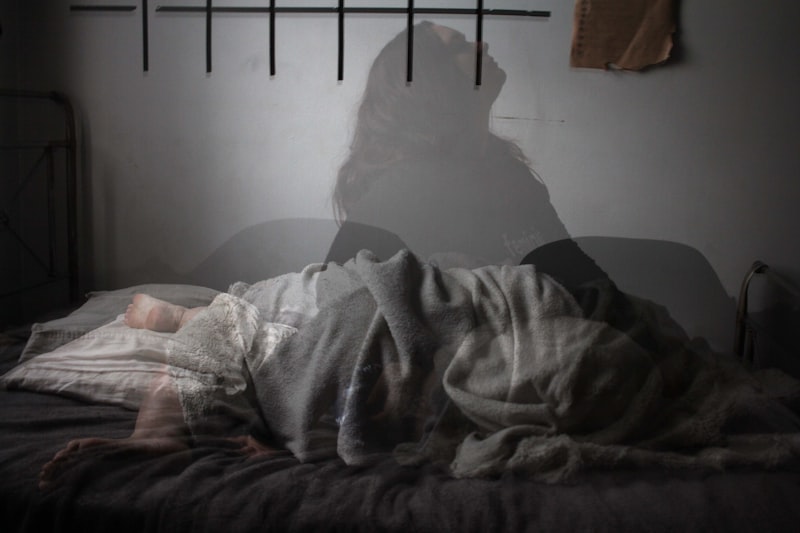
A sleep disorder is defined as any condition that involves disturbances in the normal sleep cycle, severely affecting the amount, quality, or timing of sleep, or resulting in abnormal events (parasomnias) occurring during sleep. These disturbances compromise an individual’s ability to achieve restorative sleep, leading to significant distress and impairment in daytime functioning, including cognitive deficits, mood dysregulation, and physical health consequences. Sleep disorders are complex, often characterized by heterogeneous causes, which may stem from primary neurological dysfunction, co-occurring mental disorders, underlying medical conditions, or the abuse of substances and medications. Understanding these disorders requires a multidisciplinary approach, as they fundamentally disrupt the intricate biological processes governing the 24-hour sleep-wake rhythm, known as the circadian rhythm. The severity and manifestation of sleep disorders vary widely, necessitating precise diagnostic criteria and tailored treatment strategies to restore physiological balance and improve overall quality of life.
Definition and Scope of Sleep Disorders
The scope of sleep disorders extends far beyond simple fatigue or occasional sleeplessness; they represent persistent pathological conditions that significantly interfere with the initiation, maintenance, timing, or organization of sleep. These disturbances are clinically significant when they lead to measurable functional impairment or excessive distress. Disturbances in sleep quality refer not only to fragmented sleep but also to sleep states that lack the necessary structure of NREM and REM cycles required for memory consolidation and physical restoration. Disturbances in timing relate specifically to misalignment between the internal biological clock and the external environment, often seen in conditions like Delayed Sleep Phase Syndrome. Furthermore, the presence of abnormal behavioral or physiological events during sleep, such as sleepwalking or nocturnal seizures, are key components classified under the umbrella of sleep disorders.
The physiological necessity of sleep ensures regulatory functions across all major bodily systems, including endocrine regulation, immune response, and neural plasticity. When sleep is chronically impaired, these functions suffer, establishing a clear link between sleep disorders and a cascade of chronic health issues. The defining characteristic of a sleep disorder, therefore, is the pervasive impact it has on diurnal performance, energy levels, attention, and emotional stability. While transient sleep issues are common in the general population, a diagnosis of a sleep disorder is applied only when the symptoms are persistent, usually lasting three months or more in chronic cases, and demonstrably attributable to an identifiable sleep pathology rather than temporary situational stress.
Modern medicine recognizes that sleep disorders rarely exist in isolation. They frequently present as comorbidities alongside psychiatric illnesses, such as Major Depressive Disorder or Generalized Anxiety Disorder, or physical ailments, including chronic pain, heart failure, and neurodegenerative conditions. Consequently, the accurate assessment of a sleep disorder requires a holistic evaluation that considers all contributing etiological factors, whether they are psychological, physiological, genetic, or environmental. The identification of the primary cause is crucial, as treating a secondary sleep problem without addressing the underlying mental or medical condition often leads to treatment failure and symptom recurrence.
Classification Systems (DSM-5 and ICSD-3)
To standardize diagnosis and facilitate research, specific classification systems have been developed to categorize the wide array of recognized sleep disorders. The two most prominent classification manuals used globally are the American Psychiatric Association’s Diagnostic and Statistical Manual of Mental Disorders, 5th Edition (DSM-5), and the American Academy of Sleep Medicine’s International Classification of Sleep Disorders, 3rd Edition (ICSD-3). While the DSM-5 integrates sleep-wake disorders primarily within the context of mental health, the ICSD-3 provides a far more detailed and exhaustive approach, specifically focusing on the physiological, behavioral, and clinical characteristics of the disorders themselves.
The DSM-5 groups sleep-wake disorders into ten primary categories, emphasizing the criteria for clinical significance and distress. This manual is often utilized by psychiatrists and general practitioners, highlighting the strong bidirectional relationship between disordered sleep and mood or anxiety conditions. The criteria within the DSM-5 require that the sleep disturbance not be better explained by another mental disorder and must cause significant impairment in social, occupational, or other important areas of functioning. The focus remains on the experience of the individual and the subjective report of distress related to the sleep complaint.
The ICSD-3, conversely, is the definitive resource for sleep specialists, utilizing detailed physiological data derived from objective testing like polysomnography. It employs a comprehensive, hierarchical structure, organizing disorders into six major sections and numerous subtypes, allowing for highly specific diagnoses based on underlying pathology. This level of detail is critical for guiding specialized treatments, particularly those involving mechanical ventilation or neuropharmacology. The principal categories outlined in the ICSD-3 are fundamental to the field:
- Insomnia Disorders: Characterized by difficulty initiating or maintaining sleep despite adequate opportunity.
- Sleep-Related Breathing Disorders: Conditions characterized by abnormal respiration during sleep (e.g., apnea, hypopnea).
- Central Disorders of Hypersomnolence: Disorders involving excessive daytime sleepiness not caused by disturbed nocturnal sleep (e.g., Narcolepsy).
- Circadian Rhythm Sleep-Wake Disorders: Misalignment between the internal clock and the desired sleep schedule.
- Parasomnias: Undesirable physical events or experiences occurring during entry into, within, or arousal from sleep.
- Sleep-Related Movement Disorders: Conditions characterized by simple, repetitive movements that disturb sleep (e.g., Restless Legs Syndrome).
Insomnia and Central Disorders of Hypersomnolence
Insomnia Disorder is the most prevalent sleep complaint, affecting a significant portion of the adult population globally. It is defined by persistent difficulty with sleep initiation (falling asleep), sleep maintenance (staying asleep), or early morning awakening, resulting in non-restorative sleep. Chronic insomnia, diagnosed when symptoms occur at least three nights per week for a minimum of three months, is frequently perpetuated by maladaptive behaviors and cognitive arousal surrounding sleep, often termed psychophysiological insomnia. The primary treatment approach for chronic insomnia targets these behavioral and cognitive elements, utilizing Cognitive Behavioral Therapy for Insomnia (CBT-I) as the established first-line intervention, which focuses on sleep restriction, stimulus control, and cognitive restructuring.
In stark contrast to insomnia are the Central Disorders of Hypersomnolence, characterized by excessive daytime sleepiness (EDS) that cannot be explained by insufficient sleep quantity or other primary sleep disorders. The prototype of this category is Narcolepsy, a chronic neurological disorder caused by the brain’s inability to regulate sleep-wake cycles normally, often due to a loss of hypocretin (orexin) producing neurons in the hypothalamus. Type 1 Narcolepsy is uniquely characterized by the presence of cataplexy, a sudden, brief loss of muscle tone often triggered by strong emotions, alongside EDS, sleep paralysis, and hypnagogic hallucinations.
Other hypersomnolence conditions include Idiopathic Hypersomnia, where the cause of EDS is unknown, and Kleine-Levin Syndrome, a rare disorder characterized by recurrent episodes of excessive sleep lasting days or weeks, often accompanied by cognitive and behavioral abnormalities. The diagnostic process for these central disorders typically requires objective measures, including a nocturnal Polysomnography (PSG) followed immediately by the Multiple Sleep Latency Test (MSLT), which measures the physiological propensity to fall asleep during the day. The distinction between these hypersomnolence disorders is crucial, as treatment strategies—which often involve wake-promoting medications—differ significantly based on the underlying neurological mechanism.
Sleep-Related Breathing Disorders (SDB)
Sleep-Related Breathing Disorders (SDB) represent a critical group of pathologies characterized by abnormal breathing patterns or inadequate ventilation during sleep, the most common and clinically significant of which is Obstructive Sleep Apnea (OSA). OSA occurs when the upper airway repeatedly collapses during sleep, partially or completely obstructing airflow despite ongoing respiratory effort. This obstruction leads to recurrent episodes of hypoxemia (low blood oxygen levels) and brief arousals, fragmenting sleep structure and preventing the individual from reaching deep, restorative sleep stages.
The physiological consequences of chronic OSA are severe and systemic. The repetitive drops in oxygen saturation and the sympathetic nervous system activation resulting from arousals contribute significantly to cardiovascular morbidity, including hypertension, atrial fibrillation, stroke, and heart failure. Furthermore, the persistent sleep fragmentation caused by these breathing events is the primary driver of excessive daytime sleepiness, cognitive impairment, and reduced quality of life. Risk factors for OSA include obesity, increased neck circumference, male gender, advanced age, and structural abnormalities of the upper airway.
Less common but equally serious is Central Sleep Apnea (CSA), which is characterized by the brain’s failure to send proper signals to the muscles controlling breathing, resulting in a temporary cessation of respiratory effort. CSA is often associated with neurological conditions, heart failure, or high altitude exposure. Diagnosis of all SDBs relies heavily on objective measures obtained through Polysomnography, which quantifies the frequency and severity of apneic and hypopneic events using the Apnea-Hypopnea Index (AHI). The primary and highly effective treatment for most cases of OSA involves continuous positive airway pressure (CPAP) therapy, which acts as a pneumatic splint to hold the airway open during sleep.
Parasomnias and Movement Disorders
Parasomnias are a group of undesirable physical events, experiences, or behaviors that occur during sleep, specific sleep stages, or during sleep-wake transitions. These disorders are often rooted in a state of partial arousal, where the brain is neither fully asleep nor fully awake. Classification of parasomnias is typically based on the stage of sleep during which they occur, differentiating between those arising from Non-Rapid Eye Movement (NREM) sleep and those associated with Rapid Eye Movement (REM) sleep.
NREM-related parasomnias, such as Sleepwalking (Somnambulism) and Sleep Terrors, typically occur during slow-wave sleep (N3). These events are characterized by limited or no recall upon awakening, disorientation, and often complex motor behaviors, which can pose risks of injury. Treatment usually involves ensuring safety in the sleep environment, addressing underlying sleep deprivation, and, in severe cases, utilizing pharmacological agents to suppress deep sleep stages.
The most clinically significant REM-related parasomnia is REM Sleep Behavior Disorder (RBD). In healthy sleep, muscle paralysis (atonia) accompanies REM sleep, preventing the sleeper from acting out dreams. In RBD, this atonia is absent, allowing individuals to physically vocalize or enact vivid, often violent dreams. RBD holds critical prognostic value as it is frequently an early prodromal marker for underlying neurodegenerative diseases, particularly synucleinopathies like Parkinson’s Disease and Lewy Body Dementia, often preceding the onset of motor symptoms by many years.
Related but distinct are Sleep-Related Movement Disorders, which involve simple, repetitive, and often rhythmic movements that disturb sleep or cause discomfort. The most common example is Restless Legs Syndrome (RLS), characterized by an irresistible urge to move the legs, usually accompanied by uncomfortable sensations, occurring primarily during rest or inactivity and worsening in the evening or night. RLS is often linked to iron deficiency or dopaminergic dysfunction. Another key movement disorder is Periodic Limb Movement Disorder (PLMD), involving repetitive, stereotyped limb movements during sleep, which leads to sleep fragmentation and daytime sleepiness, though the individual is often unaware of the movements themselves.
Etiology: Causes and Contributing Factors
The etiology of sleep disorders is highly multifactorial, encompassing an interplay of biological vulnerabilities, psychological states, and environmental influences. At the biological level, genetics play a significant role; for instance, Narcolepsy has strong genetic linkages involving specific HLA markers, and certain types of parasomnias tend to run in families. Neurochemically, imbalances involving key neurotransmitters—such as dopamine (implicated in RLS), hypocretin/orexin (in narcolepsy), and GABA/melatonin (in insomnia)—are foundational to many disorders. Furthermore, underlying medical conditions, including chronic pain syndromes, thyroid dysfunction, gastroesophageal reflux disease (GERD), and respiratory illnesses like COPD, frequently disrupt sleep architecture and lead to secondary insomnia or SDB.
Psychological and psychiatric factors are perhaps the most common non-physical causes, especially in chronic insomnia. Mental disorder diagnoses such as Generalized Anxiety Disorder, Post-Traumatic Stress Disorder (PTSD), and Major Depressive Disorder are highly comorbid with sleep complaints. Anxiety leads to hyperarousal that prevents sleep onset, while depression often correlates with early morning awakening and non-restorative sleep. The persistent worry about sleep itself often creates a vicious cycle of hypervigilance and sleep deprivation, reinforcing the insomnia pathology. Stressful life events are also powerful precipitants of acute sleep disturbances.
Environmental and lifestyle contributors are often modifiable but frequently overlooked. Poor sleep hygiene—such as inconsistent sleep schedules, excessive consumption of caffeine or alcohol near bedtime, and exposure to bright light (especially blue light from screens) in the evening—can severely compromise the natural timing of the circadian system. Importantly, drug abuse and chronic medication use are significant etiological factors. Stimulants (amphetamines, cocaine) cause dose-dependent insomnia, while chronic use of sedatives or hypnotics can lead to tolerance and rebound insomnia upon withdrawal. Shift work, which forces individuals to fight their natural circadian preference, is a major cause of Circadian Rhythm Sleep-Wake Disorders.
Impact and Comorbidity
The chronic impairment of sleep has profound implications for physical health, cognitive function, and emotional regulation, extending far beyond the immediate symptom of fatigue. Physiologically, sleep disorders are recognized as independent risk factors for severe systemic disease. Chronic Sleep-Related Breathing Disorders are strongly linked to the development and exacerbation of cardiovascular conditions, including resistant hypertension, myocardial infarction, and cardiac arrhythmias, due to chronic sympathetic hyperactivity and oxygen desaturation. Furthermore, sleep disruption impairs glucose metabolism, increasing the risk of developing Type 2 Diabetes and contributing to the metabolic syndrome.
Cognitively, chronic sleep deprivation or fragmentation leads to significant impairment in executive functions. Individuals with untreated sleep disorders often exhibit deficits in attention, concentration, working memory, and decision-making capabilities, which increase the risk of accidents, particularly while driving or operating heavy machinery. This pervasive cognitive decline affects occupational performance, academic success, and social interactions, contributing to long-term economic and personal burden.
The relationship between sleep disorders and mental health is classically bidirectional. While depression and anxiety can cause insomnia, chronic sleep deprivation can also precipitate or worsen psychiatric symptoms, lowering the emotional threshold for stress and increasing irritability and mood instability. Treating the underlying sleep disorder often leads to significant clinical improvement in co-occurring mental health conditions, underscoring the necessity of integrated treatment approaches. The overall impact of untreated sleep pathology significantly diminishes quality of life, increases healthcare utilization, and raises the risk of early mortality.
Diagnosis and Assessment
Accurate diagnosis of a sleep disorder begins with a comprehensive clinical interview, focusing on the patient’s detailed sleep history. Clinicians utilize standardized questionnaires and the use of a sleep diary (a written record of sleep times, wake times, and daytime symptoms maintained over one to two weeks) to objectively quantify the patient’s subjective complaints and identify behavioral patterns. This history must also include a thorough review of medications, substance use, lifestyle habits, and family history of sleep, neurological, or psychiatric disorders.
For many disorders, especially SDB and central hypersomnolence, objective physiological testing is mandatory. The gold standard diagnostic tool is Polysomnography (PSG), a comprehensive overnight study conducted in a specialized sleep laboratory. During PSG, multiple physiological parameters are monitored simultaneously, providing a detailed map of sleep architecture and pathology:
- Electroencephalogram (EEG): Measures brain waves to determine sleep stages (NREM 1-3, REM).
- Electrooculogram (EOG): Measures eye movements.
- Electromyogram (EMG): Measures muscle activity (jaw, leg movements).
- Respiratory Monitoring: Includes airflow sensors, chest and abdominal effort belts, and oximetry (oxygen saturation).
- Electrocardiogram (ECG): Monitors heart rate and rhythm.
Following PSG, specific ancillary tests may be required. For diagnosing Narcolepsy or Idiopathic Hypersomnia, the Multiple Sleep Latency Test (MSLT) is performed during the day to measure the speed of sleep onset across four or five scheduled naps. For assessing circadian disorders, actigraphy (a wrist-worn device that monitors rest/activity cycles) and specialized light exposure testing may be used. The synthesis of subjective symptom reports, sleep diary data, and objective physiological findings is essential for arriving at a precise diagnosis according to ICSD-3 criteria.
Treatment Modalities
Treatment for sleep disorders is highly individualized and generally falls into three main categories: behavioral and cognitive therapies, mechanical interventions, and pharmacological management. The current clinical consensus places emphasis on non-pharmacological interventions as the first-line treatment for many chronic conditions, particularly insomnia.
Cognitive Behavioral Therapy for Insomnia (CBT-I) is the most effective and durable treatment for chronic insomnia. CBT-I is a structured, multi-component program that addresses the perpetuating factors of insomnia through techniques such as stimulus control (associating the bed strictly with sleep), sleep restriction (temporarily limiting time in bed to increase sleep drive), relaxation training, and cognitive restructuring (challenging dysfunctional beliefs about sleep). Unlike medication, which may treat symptoms temporarily, CBT-I addresses the root behavioral and cognitive causes of chronic sleep difficulty.
For Sleep-Related Breathing Disorders, mechanical therapy, specifically Continuous Positive Airway Pressure (CPAP), is the mainstay of treatment. CPAP delivers pressurized air through a mask, preventing pharyngeal collapse and maintaining an open airway throughout the night. Other mechanical options include mandibular advancement devices (MADs) for mild-to-moderate OSA and, in select severe cases, surgical interventions to modify upper airway anatomy.
Pharmacological treatments are reserved for specific disorders or as adjuncts to behavioral therapy. Hypnotics (z-drugs, benzodiazepines) may be used for short-term management of acute insomnia, though long-term use is discouraged due to risks of dependence and tolerance. For central hypersomnolence disorders like Narcolepsy, treatment involves wake-promoting agents (e.g., modafinil, solriamfetol) to manage daytime sleepiness and often specific medications (e.g., sodium oxybate) to address cataplexy and improve nocturnal sleep structure. Effective treatment requires careful monitoring and often involves a collaborative approach between the sleep specialist, primary care physician, and mental health provider.