Somnambulism: Unlocking the Secrets of the Nightwalker
Scientifically Reviewed · Dr. Marwa Abd-Alazim · September 2, 2026
Review Criteria & Clinical Standards
This content undergoes rigorous scientific peer-review and medical editorial standards at Arab Psychology Network to ensure clinical accuracy, validity, and compliance with evidence-based guidelines from leading psychological and healthcare authorities (APA / WHO).
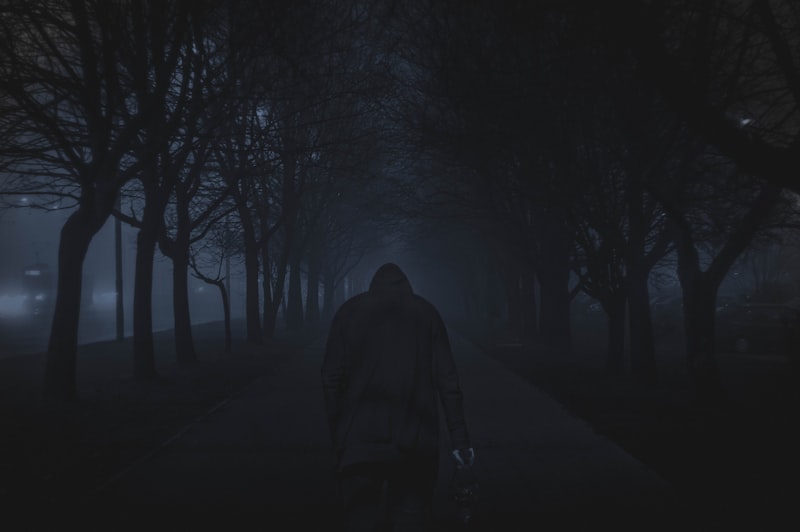
Introduction and Definition of Sleepwalking Disorder
Sleepwalking Disorder, clinically known as Somnambulism or alternatively referred to as Noctambulation, is a complex sleep disorder classified within the group of Non-Rapid Eye Movement (NREM) sleep arousal parasomnias. This condition is characterized by recurrent episodes during which an individual partially awakens from deep sleep and performs complex, goal-directed behaviors, often involving ambulation. These episodes typically occur during the first third of the major sleep episode, specifically during Stage N3, or slow-wave sleep (SWS), the deepest phase of non-REM sleep. The core physiological mechanism involves a state of dissociated arousal, where the motor systems and autonomic functions are activated while the centers governing conscious awareness and rational thought remain asleep. This results in the paradoxical ability to execute sophisticated motor activities without conscious control or memory of the event.
Unlike typical wakefulness, the individual experiencing somnambulism is not consciously aware of their environment or their actions. Observation during an episode reveals a characteristic presentation: the eyes are often open, but the gaze is typically fixed, vacant, or described as a blank stare. Communication is difficult, as the person is generally unresponsive to verbal attempts to engage or redirect them. Furthermore, while the person may navigate the home environment and avoid obstacles with surprising dexterity, their judgment and decision-making capabilities are severely impaired, leading to significant safety risks. The severity of episodes varies widely, ranging from simply sitting up in bed to performing highly complex tasks, such as opening doors, moving furniture, or, in rare and dangerous instances, attempting to drive or leave the residence.
It is crucial to differentiate Somnambulism from other types of nocturnal events, such as sleep-related seizures or REM Sleep Behavior Disorder (RBD). While RBD involves acting out dreams later in the night when muscle paralysis is absent, sleepwalking is fundamentally a disorder of arousal from deep NREM sleep. Upon spontaneous awakening the following morning, the individual typically experiences complete or near-complete amnesia regarding the nocturnal activities, reinforcing the unconscious nature of the disorder. This lack of recall, coupled with the potential for injury, underscores the need for clinical diagnosis and effective management strategies for those affected by chronic or severe manifestations of Sleepwalking Disorder.
Clinical Presentation and Characteristics of Somnambulism
The clinical presentation of a sleepwalking episode is highly variable but follows a general sequence rooted in the transition from deep sleep. An episode usually begins with the individual sitting upright in bed, appearing confused or agitated, before exiting the bed and beginning to walk. The duration of these episodes can range from a few seconds to thirty minutes or longer, though most incidents are relatively brief. During the episode, the individual’s demeanor is often described as mechanical or robot-like; movements may be clumsy, but they retain the ability to perform complex tasks that require significant motor coordination. Examples of observed complex behaviors include preparing simple snacks, manipulating objects, dressing inappropriately, or even attempting to carry on rudimentary conversations that lack logical coherence.
A key diagnostic feature is the individual’s altered state of consciousness during the event. Although the eyes are open, perception is grossly distorted, and attempts to communicate are usually met with silence, mumbled, nonsensical phrases, or a complete lack of recognition. If the sleepwalker is gently guided back to bed, they usually return to sleep easily without fully waking. However, if the sleepwalker is awakened abruptly during the episode—a common concern for family members—they often experience a period of intense confusion, disorientation, and sometimes agitation, known as a confusional arousal. This disorientation is temporary but highlights the fragility of their neurological state during the transition from deep NREM sleep back to full consciousness.
The prevalence of Sleepwalking Disorder is significantly higher in children, particularly between the ages of four and eight, where episodes are often benign and self-limiting. However, persistence or onset in adulthood usually indicates a greater likelihood of underlying sleep pathology, increased severity, and higher risk of injury. In adults, episodes may be triggered or exacerbated by external factors such as alcohol consumption, certain hypnotic medications, or intense psychological stress. The frequency of episodes also varies dramatically, ranging from isolated incidents occurring once a year to chronic occurrences happening several times per week. The chronic presence of these episodes often leads to daytime sleepiness, not necessarily due to insufficient sleep duration, but due to fragmented sleep architecture caused by the repeated, incomplete arousals.
Etiology and Predisposing Factors
The etiology of Sleepwalking Disorder is understood to be multifactorial, involving a strong genetic predisposition interacting with specific environmental and physiological triggers. Research, particularly twin studies, has consistently demonstrated a high concordance rate among first-degree relatives, suggesting that the tendency towards somnambulism is inheritable. If one parent has a history of sleepwalking, the child’s risk is significantly elevated; if both parents are affected, the risk may exceed 60 percent. This hereditary factor likely involves inherited differences in the stability of sleep architecture, specifically the threshold for arousal from deep slow-wave sleep, making certain individuals inherently more susceptible to these dissociated states.
Beyond genetics, several key physiological and environmental factors serve as potent precipitants of sleepwalking episodes. Chief among these is sleep deprivation, which increases the amount and intensity of SWS, thereby increasing the opportunity for incomplete arousal. Other common triggers include fever and illness, which disrupt normal sleep cycles, and periods of heightened stress or anxiety that lead to increased nocturnal vigilance and fragmented sleep. Furthermore, certain medications, particularly sedative-hypnotics, lithium, and certain classes of antidepressants, have been implicated in triggering or worsening existing somnambulism by altering NREM sleep stability.
From a neurophysiological perspective, somnambulism is characterized by an imbalance between the sleep-promoting and wake-promoting systems. During the deep NREM phase, there is a localized failure of the brainstem and thalamic inhibitory systems that normally prevent motor activity during sleep. Essentially, while cortical areas responsible for complex motor planning and execution are partially activated, the frontal lobe areas responsible for awareness, judgment, and memory retrieval remain profoundly asleep. This partial, or “dissociated,” arousal state is the core mechanism enabling the person to walk and perform complex tasks while remaining fundamentally unconscious. Understanding these triggers is essential for developing effective preventative and therapeutic strategies, as mitigating predisposing factors can significantly reduce the frequency and severity of episodes.
Diagnostic Criteria (DSM-5)
The current diagnostic framework for Sleepwalking Disorder is standardized by the Diagnostic and Statistical Manual of Mental Disorders, Fifth Edition (DSM-5), under the category of NREM Sleep Arousal Disorders. The criteria mandate the presence of recurrent episodes of incomplete awakening from sleep, which typically occur during the first third of the major sleep period. During these episodes, the individual exhibits behaviors ranging from simply sitting up to complex motor acts like walking out the door. The essential components of the diagnosis revolve around the behavioral presentation during the episode and the subsequent lack of memory regarding the event.
Specific DSM-5 criteria require that the individual remains relatively unresponsive to the efforts of others to communicate with them or wake them during the episode. As noted previously, the eyes are typically open, displaying the characteristic blank stare indicative of a profoundly altered state of consciousness. A crucial element for diagnosis is the subsequent amnesia: upon full awakening, either during the night or the following morning, the individual has little to no recall of the content of the sleepwalking episode. Unlike nightmare disorders, where vivid memory of the distressing dream content is retained, somnambulism leaves a cognitive void regarding the nocturnal events.
Furthermore, the diagnosis requires that the sleepwalking episodes cause clinically significant distress or impairment in social, occupational, or other important areas of functioning. Most critically, the diagnosis is confirmed if the episodes place the individual or others at risk of injury—a common and serious outcome of the disorder. Finally, the diagnosis necessitates ruling out other medical or mental disorders, as well as the effects of substance abuse or medication, which could better explain the symptoms. If the episodes are secondary to another physiological condition, the primary diagnosis shifts, underscoring the importance of a comprehensive medical and sleep history, often supplemented by objective testing like polysomnography (PSG) in challenging cases.
Associated Risks and Safety Concerns
The most pressing concern associated with Sleepwalking Disorder is the high potential for physical injury to the affected individual. Because the sleepwalker is in a state of impaired consciousness, their ability to assess risk, react appropriately to danger, and perform self-protective actions is severely compromised. As the original content suggested, a person may walk through the house, but severe episodes can involve descending stairs, navigating high windows, or operating machinery. Incidents of complex tasks such as climbing over fences, attempting to cook, or even operating vehicles have been documented, leading to serious accidents, falls, fractures, and head injuries. The potential for walking out to the backyard or, worse, into traffic, necessitates strict safety protocols within the home environment.
A secondary, though significant, risk involves the interaction between the sleepwalker and others. While sleepwalkers are rarely violent, abrupt and forceful attempts by family members to restrain or awaken the individual can result in a defensive, panicked reaction due to the state of extreme confusion (confusional arousal). Although these reactions are typically short-lived, they can occasionally lead to unintentional injury to the caregiver. It is essential that family members are educated on proper handling techniques, which prioritize gentle redirection back to bed rather than abrupt physical intervention.
Beyond immediate physical harm, chronic somnambulism carries significant psychosocial risks. The repeated disruption of sleep quality can lead to persistent daytime fatigue, difficulty concentrating, and impaired academic or occupational performance. Furthermore, individuals may experience significant embarrassment, shame, or fear regarding their nocturnal behavior, especially if episodes are reported by others or if they awaken to find evidence of their actions (e.g., finding themselves in an unexpected location or observing damage). This psychological distress can lead to avoidance behaviors and contribute to overall poor quality of life, emphasizing that the disorder impacts both the physical and mental well-being of the patient.
Treatment and Management Strategies
The management of Sleepwalking Disorder follows a tiered approach, prioritizing safety interventions first, followed by behavioral modifications, and finally, pharmacological treatments for recalcitrant or severe cases. The most immediate and critical step is ensuring the safety of the individual and those around them. This involves implementing rigorous environmental precautions, such as securing windows and doors with high locks that are difficult to operate while disoriented, removing sharp or dangerous objects from the immediate vicinity of the bed, and clearing pathways to prevent tripping hazards. All bedrooms, especially those on upper floors, should be thoroughly assessed for potential risks.
Behavioral and sleep hygiene modifications form the cornerstone of long-term management. Since sleep deprivation is a primary trigger, establishing a consistent sleep schedule and ensuring adequate total sleep time is paramount. Patients are encouraged to minimize or eliminate factors that destabilize NREM sleep, including reducing caffeine and alcohol intake, especially in the hours leading up to bedtime. Stress reduction techniques, such as mindfulness or relaxation exercises, can also be highly effective, as psychological stress is a known precipitant of episodes.
A highly effective specific behavioral intervention, particularly for children, is Scheduled Awakenings, or Waking Therapy. This technique involves carefully tracking the typical onset time of the sleepwalking episode (which is often consistent) and waking the individual 15–20 minutes prior to the expected episode time. The person is kept awake for a few minutes and then allowed to return to sleep. By disrupting the sleep cycle just before the deep SWS phase that usually precedes the episode, the brain’s arousal mechanism is reset, and the likelihood of somnambulism is significantly reduced. This process is repeated nightly for several weeks until the pattern of arousal is successfully shifted.
Pharmacological intervention is reserved for adult cases where episodes are frequent, pose significant injury risk, or fail to respond to behavioral measures. Medications commonly used include low-dose benzodiazepines (such as Clonazepam) or certain tricyclic antidepressants. These agents work by suppressing NREM deep sleep (SWS), thereby reducing the physiological substrate necessary for the sleepwalking episode to occur. However, pharmacological treatment must be carefully monitored due to potential side effects, dependency issues, and the risk of rebound worsening if medication is abruptly discontinued. The goal remains to use medication only temporarily while implementing long-term behavioral changes.
Prognosis and Historical Context
The prognosis for Sleepwalking Disorder is generally favorable, especially when the onset occurs during childhood. The vast majority of pediatric cases are self-limiting, with episodes ceasing spontaneously by adolescence. However, for individuals whose sleepwalking persists into adulthood, the condition requires ongoing vigilance and management, as adult-onset somnambulism is often more severe and less likely to remit spontaneously. Successful long-term management hinges on accurately identifying and controlling the underlying triggers, such as chronic stress, insufficient sleep, or medication interactions. If the individual adheres strictly to safety measures and sleep hygiene protocols, the frequency and risk associated with episodes can be dramatically reduced, allowing for a near-normal quality of life.
Historically, sleepwalking, or Noctambulation, has been viewed through various cultural lenses, often involving superstition or psychological theories that linked the behavior directly to repressed desires or traumatic events. The term Somnambulism itself derives from the Latin words “somnus” (sleep) and “ambulare” (to walk). It wasn’t until the advent of systematic sleep research and the development of polysomnography in the mid-20th century that the neurophysiological basis of the disorder was accurately identified as a disorder of arousal from NREM deep sleep, rather than a manifestation of dreaming or psychosis. This shift in understanding allowed clinicians to move away from purely psychoanalytic treatments toward effective behavioral and physiological interventions.
The recognition that sleepwalking episodes involve the performance of complex tasks while the person is unconscious has significantly influenced legal and forensic psychology. Because the sleepwalker lacks criminal intent (mens rea) due to their unconscious state, somnambulism has occasionally been presented as a defense in rare cases involving violent or criminal acts committed during an episode. While highly controversial and rare, these cases underscore the profound dissociation of consciousness and action that defines Sleepwalking Disorder, confirming that the individual is not acting volitionally but rather as an automaton in a state of profound physiological confusion.