Social Physique Anxiety: Why Your Body Image Triggers Fear
Scientifically Reviewed · Dr. Marwa Abd-Alazim · October 4, 2026
Review Criteria & Clinical Standards
This content undergoes rigorous scientific peer-review and medical editorial standards at Arab Psychology Network to ensure clinical accuracy, validity, and compliance with evidence-based guidelines from leading psychological and healthcare authorities (APA / WHO).
The Core Definition of Social Physique Anxiety
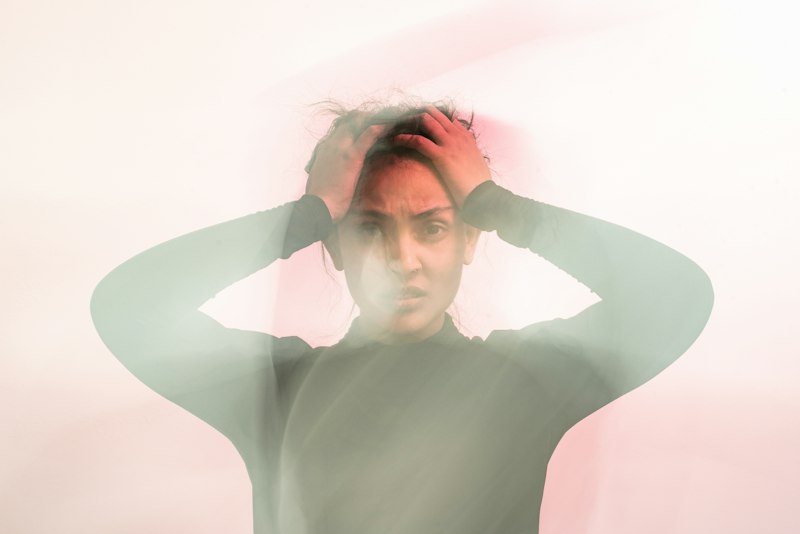
Social physique anxiety (SPA) is a distinct psychological phenomenon characterized by an individual’s pervasive fear and apprehension of being negatively evaluated by others due to their physical appearance. This fear extends beyond general social anxiety, specifically focusing on how one’s body is perceived and judged by those around them. It encompasses a deep-seated self-consciousness about one’s physical form, whether in terms of body shape, size, muscularity, or overall attractiveness, leading to significant distress in situations where one’s body might be observed or critiqued. The core mechanism behind SPA involves a heightened sensitivity to potential social scrutiny related to physical attributes, often resulting from an internalization of societal ideals regarding body image.
At its fundamental level, SPA represents a specific manifestation of social evaluative apprehension, where the object of concern is exclusively the physical self. Individuals experiencing SPA frequently worry about others’ opinions regarding their physique, fearing that they will be seen as unattractive, unfit, or somehow failing to meet prevailing aesthetic standards. This anxiety is not merely a fleeting concern but can become a persistent and intrusive thought pattern, influencing daily decisions and significantly impacting an individual’s quality of life. The intensity of this fear can range from mild discomfort to severe emotional distress, often varying with the perceived visibility of one’s body in a given social context.
The concept of SPA highlights the powerful influence of social comparison and perceived body ideals within modern society. It underscores how individuals constantly monitor and appraise their own bodies against internalized or externally imposed standards, leading to anxiety when a discrepancy is perceived. This fear of negative evaluation is a central theme, driving many of the cognitive, affective, and behavioral components associated with the condition. Understanding this core definition is crucial for appreciating the multifaceted nature of SPA and its profound implications for both psychological and physical well-being.
Historical Context and Development
The formal conceptualization and empirical investigation of social physique anxiety gained significant traction in the late 1980s and early 1990s, emerging from a broader interest in body image disturbances and social anxiety. While concerns about physical appearance are ancient, the specific construct of SPA was introduced to differentiate this particular form of anxiety from more generalized social anxiety or body dissatisfaction. A pivotal moment in its development was the creation of the Social Physique Anxiety Scale (SPAS) by Hart, Leary, and Rejeski in 1989. This instrument provided researchers with a reliable and valid tool to measure the construct, thereby facilitating systematic study and contributing to its recognition as a distinct psychological phenomenon.
Prior to the development of the SPAS, related concepts such as body image dissatisfaction and general social anxiety were widely studied, but the specific intersection of social anxiety and physique concerns lacked a dedicated framework. The work of researchers like McCabe and Ricciardelli (2004), through their comprehensive reviews, further solidified SPA’s place in psychological literature, highlighting its prevalence and significant implications across different populations. Their research, along with that of many others, built upon the foundational understanding established by the SPAS, exploring its antecedents, correlates, and consequences in depth. This period marked a critical shift towards understanding the unique psychological distress associated with perceived physical inadequacy in social settings.
The emergence of SPA as a recognized construct coincided with an increasing societal emphasis on physical attractiveness, fitness, and specific body ideals, often amplified by media portrayals. This cultural context provided fertile ground for the development and perpetuation of such anxieties, particularly among adolescents and young adults, who are often more susceptible to external influences and peer pressure. The historical trajectory of SPA research, therefore, reflects not only advancements in psychological measurement but also a growing awareness of the complex interplay between individual psychology and broader socio-cultural pressures regarding the body.
Multidimensional Components of Social Physique Anxiety
Social physique anxiety is understood as a multidimensional construct, encompassing cognitive, affective, and behavioral components that collectively define an individual’s experience. The cognitive components of SPA involve an individual’s thoughts, beliefs, and interpretations concerning their physical appearance and how others perceive it. This often manifests as persistent worry about being judged, feelings of self-consciousness regarding one’s body, and a preoccupation with perceived flaws or imperfections. Individuals might engage in extensive mental comparisons of their own physique with those of others or with idealized standards, leading to a negative internal dialogue and heightened self-criticism. These cognitive patterns can be deeply ingrained, shaping how individuals interact with their environment and interpret social cues related to appearance.
Complementing the cognitive aspects are the affective components, which refer to the emotional responses triggered by the fear of negative physical evaluation. These emotions can range from mild discomfort to intense feelings of embarrassment, shame, humiliation, or even panic when one’s body is exposed or perceived to be under scrutiny. The emotional distress associated with SPA is often profound, significantly impacting an individual’s mood and overall emotional well-being. This emotional arousal can be particularly acute in situations where physical appearance is emphasized, such as at the gym, on the beach, or during social gatherings, leading to a profound sense of vulnerability and discomfort.
Finally, the behavioral components of SPA involve the observable actions and avoidance strategies employed by individuals to cope with their anxiety. These behaviors are often aimed at minimizing exposure or preventing perceived negative evaluation. Examples include avoiding situations where the body might be visible (e.g., swimming, exercising in public, wearing certain clothing), engaging in excessive grooming or concealment behaviors, or even altering posture or body language to draw less attention to the physique. In some cases, individuals might adopt unhealthy coping mechanisms such as extreme dieting or over-exercising in an attempt to modify their body to meet perceived social expectations, which can lead to further physical and psychological harm. These behavioral manifestations underscore the pervasive impact of SPA on daily life and social interaction.
Factors Influencing the Development of SPA
The development of social physique anxiety is a complex process influenced by a confluence of genetic, biological, and, most significantly, environmental factors. While specific genetic predispositions to anxiety might play a role in an individual’s general susceptibility, it is the interaction with environmental influences that largely shapes the emergence and severity of SPA. Early childhood experiences and the messages received about body image during formative years are particularly critical in laying the groundwork for how an individual perceives their physical self in relation to others. These initial exposures can establish patterns of self-evaluation and social comparison that persist into adolescence and adulthood.
Among the most powerful environmental influences are various forms of media, which frequently propagate often unrealistic and unattainable body ideals. Television, magazines, social media platforms, and advertisements inundate individuals with images of “perfect” bodies, creating a pervasive cultural narrative that equates thinness, muscularity, or specific aesthetic features with success, happiness, and social acceptance. This constant exposure can lead individuals to engage in upward social comparison, where they unfavorably compare their own physique to these idealized images, fostering body dissatisfaction and a heightened fear of not meeting these perceived standards. The pressure to conform to these media-driven ideals is a significant contributor to the development of SPA, particularly among impressionable adolescents and young adults.
Furthermore, family and peer influences play a crucial role in shaping an individual’s vulnerability to SPA. Family members, including parents and siblings, can inadvertently contribute to the development of SPA through their own body-related comments, dietary practices, emphasis on appearance, or even through modeling their own body dissatisfaction. Similarly, peer groups can exert immense pressure, as individuals strive for acceptance and fear social rejection. Teasing, bullying, or even subtle remarks from peers about physical appearance can deeply impact an individual’s self-esteem and reinforce anxieties about their physique. The combination of these environmental factors, interacting with individual vulnerabilities, creates a fertile ground for the development and entrenchment of social physique anxiety, making it a widespread concern in contemporary society.
Assessing Social Physique Anxiety
The accurate assessment of social physique anxiety is crucial for both research and clinical practice, enabling mental health professionals to understand its prevalence, severity, and impact on an individual’s life. Various methods are employed to measure SPA, each targeting different components of the construct. Among the most common and widely utilized are self-report measures, which typically involve questionnaires or scales where individuals rate their own thoughts, feelings, and behaviors related to their physique. The Social Physique Anxiety Scale (SPAS) is a prime example, asking participants to indicate their level of agreement with statements concerning their apprehension about others’ evaluations of their body. These measures are highly effective in capturing the cognitive components, such as worries and self-consciousness, and the affective components, like embarrassment or shame, providing valuable insights into an individual’s subjective experience of SPA.
In addition to self-report questionnaires, interviews offer a more nuanced and in-depth approach to assessing SPA. Structured or semi-structured interviews allow clinicians to explore the behavioral components of anxiety, such as avoidance strategies, coping mechanisms, and the specific situations that trigger distress. Through detailed questioning, an interviewer can uncover the specific contexts in which an individual experiences SPA, the extent to which it interferes with their daily activities, and the personal narratives surrounding their body image concerns. This qualitative data can provide rich contextual information that complements the quantitative data obtained from self-report scales, offering a holistic understanding of the individual’s experience.
Furthermore, observational measures can be employed, particularly in research settings, to assess physical behaviors associated with SPA. While less common in routine clinical practice, these measures can involve observing an individual’s posture, body language, or specific movements in situations where they might feel exposed or judged. For instance, researchers might observe how individuals carry themselves in a gym setting, their tendency to cover up, or their avoidance of eye contact when their physique is potentially on display. Although these measures provide objective data on overt behaviors, they are typically used in conjunction with self-report and interview methods to provide a comprehensive assessment, ensuring that both internal experiences and external manifestations of social physique anxiety are thoroughly evaluated.
Consequences for Physical and Mental Well-being
The impact of social physique anxiety extends far beyond mere discomfort, posing significant risks to both an individual’s physical and mental health. On the physical front, the intense pressure to conform to idealized body standards and the fear of negative evaluation can lead to the adoption of severely unhealthy behaviors. Individuals struggling with SPA may engage in extreme dieting, often involving restrictive eating patterns, excessive calorie counting, or the elimination of entire food groups, all in an attempt to alter their physique. This can precipitate the development of serious eating disorders, such as anorexia nervosa, bulimia nervosa, or binge eating disorder, which carry severe health consequences including malnutrition, electrolyte imbalances, cardiovascular problems, and gastrointestinal issues.
Beyond disordered eating, SPA can also drive unhealthy exercise patterns. Individuals may engage in compulsive or excessive exercise, often beyond safe limits, viewing it as a means to sculpt their body to avoid social critique. This can result in musculoskeletal injuries, chronic fatigue, hormonal imbalances, and a weakened immune system. Furthermore, the anxiety itself can manifest physically through symptoms like muscle tension, headaches, digestive issues, and sleep disturbances, compounding the overall physical toll. The relentless pursuit of an “ideal” body, fueled by fear, transforms what should be healthy behaviors into destructive obsessions, ultimately undermining long-term health.
Mentally, the consequences of SPA can be equally devastating, contributing to a range of psychological problems that severely diminish an individual’s quality of life. Persistent worry about one’s appearance can lead to chronic stress, increasing vulnerability to mood disorders such as depression, characterized by feelings of hopelessness, loss of interest, and pervasive sadness. The constant fear of judgment and self-consciousness also heightens the risk of developing other anxiety disorders, including generalized anxiety disorder or panic disorder. Moreover, SPA can erode self-esteem, foster social isolation due to avoidance behaviors, and lead to a significant reduction in overall psychological well-being, making it a critical concern for mental health professionals.
Practical Example: Navigating a New Gym Environment
To illustrate the practical application of social physique anxiety, consider the real-world scenario of an individual, Sarah, who has recently decided to join a new gym. Sarah is motivated to improve her fitness but harbors a deep-seated fear of being judged for her body shape and lack of muscularity compared to others she anticipates seeing at the gym. This situation is ripe for triggering SPA, as gyms are environments where physical appearance and performance are often overtly, or covertly, assessed by others. The “how-to” of SPA in this context unfolds as a series of cognitive, affective, and behavioral responses.
As Sarah approaches the gym, her cognitive components of SPA activate. She might begin to worry intensely about what others will think of her physique in athletic wear, imagining critical glances or unfavorable comparisons. Thoughts like, “Everyone here is probably really fit, and I’ll look out of place,” or “What if someone stares at my stomach while I’m on the treadmill?” dominate her mind. She might mentally scan her body for perceived flaws, reinforcing her self-consciousness. These intrusive thoughts heighten her anxiety, making the prospect of entering the gym feel daunting and overwhelming.
Upon entering, the affective components take hold. Sarah experiences a rush of embarrassment and shame, perhaps feeling her cheeks flush or her heart race. She might feel a strong urge to hide or disappear, acutely aware of every perceived glance. This emotional distress is so potent that it colors her entire experience. Consequently, her behavioral components manifest. She might choose to wear oversized, baggy clothing to conceal her body, avoid the free weights area where more muscular individuals tend to gather, or opt for a machine in a secluded corner. She might also avoid eye contact with others, keep her head down, and rush through her workout, keen to leave the potentially judgmental environment as quickly as possible. In severe cases, this cycle of anxiety and avoidance could lead Sarah to stop attending the gym altogether, despite her initial motivation, thereby allowing SPA to dictate her health-related behaviors and perpetuate her fears.
Therapeutic Interventions and Support
Addressing social physique anxiety effectively requires targeted interventions that can dismantle its cognitive, affective, and behavioral underpinnings. One of the most empirically supported approaches is Cognitive-Behavioral Therapy (CBT), which focuses on identifying and challenging maladaptive thought patterns and behaviors. In the context of SPA, CBT helps individuals recognize and dispute negative beliefs about their physical appearance, such as “My body is unacceptable” or “Everyone is judging my physique.” Through techniques like cognitive restructuring, individuals learn to replace these irrational thoughts with more balanced and realistic ones. Additionally, behavioral experiments, such as gradually exposing oneself to anxiety-provoking situations (e.g., exercising in a public gym) while monitoring anxiety levels, help to desensitize individuals and reduce avoidance behaviors, proving that their feared outcomes often do not materialize.
Another effective intervention gaining prominence is mindfulness-based interventions. These approaches teach individuals to become more aware of their present moment experiences, including their thoughts and feelings, without judgment. For those with SPA, mindfulness can help create a psychological distance from intrusive thoughts about their physique and the associated emotional distress. Instead of getting caught up in self-critical thoughts or feelings of shame, individuals learn to observe these internal experiences as temporary mental events, allowing them to pass without being overwhelmed. This practice fosters greater self-compassion and acceptance of one’s body, irrespective of perceived flaws or societal ideals, thereby reducing the intensity and frequency of anxious reactions.
Beyond individual therapy, peer education interventions and support groups have also demonstrated efficacy in reducing the negative impacts of SPA. These interventions leverage the power of social support and shared experience to normalize feelings of body dissatisfaction and challenge societal pressures related to appearance. By participating in groups where individuals openly discuss their struggles with body image and critique media portrayals of idealized bodies, participants can gain perspective, reduce feelings of isolation, and develop healthier coping strategies. Such interventions foster a sense of community and collective empowerment, enabling individuals to resist external pressures and cultivate a more positive and accepting relationship with their own bodies, thereby alleviating the burden of social physique anxiety.
Significance and Broader Impact in Psychology
The concept of social physique anxiety holds significant importance within the field of psychology, offering crucial insights into the complex interplay between self-perception, social interaction, and mental well-being. Its recognition has allowed researchers and clinicians to better understand a specific facet of body image disturbance that was previously subsumed under broader categories like social anxiety or general body dissatisfaction. By isolating this construct, psychology can develop more precise theoretical models for understanding the origins and maintenance of appearance-related distress, leading to more targeted and effective interventions. It underscores the profound psychological impact of societal pressures regarding physical appearance and how these external forces are internalized, shaping an individual’s self-worth and behavior.
The practical applications of understanding SPA are far-reaching, impacting various domains from clinical therapy to public health initiatives. In clinical settings, recognizing SPA helps mental health professionals accurately diagnose and treat clients presenting with body image concerns, eating disorders, or specific social anxieties. Therapists can tailor interventions like Cognitive-Behavioral Therapy or mindfulness practices to directly address the unique cognitive and behavioral patterns associated with SPA. In health and sport psychology, an understanding of SPA is vital for promoting healthy exercise habits and positive body image among athletes and gym-goers, preventing the development of maladaptive behaviors driven by appearance concerns.
Furthermore, the insights derived from SPA research are invaluable for informing broader societal efforts in education, marketing, and public health. Educational programs aimed at fostering positive body image and media literacy can specifically target the mechanisms through which SPA develops, empowering adolescents and young adults to critically evaluate societal ideals. In marketing, an awareness of SPA can guide ethical practices, discouraging campaigns that exploit appearance-related insecurities. Ultimately, SPA’s significance lies in its ability to highlight a pervasive modern psychological challenge, driving both scientific inquiry and practical solutions to enhance individual well-being in an appearance-conscious world.
Connections to Related Psychological Concepts
Social physique anxiety exists within a rich web of interconnected psychological concepts, sharing conceptual overlap and distinct differences with several related terms. Most notably, it is closely related to body image, which refers to an individual’s perception, thoughts, and feelings about their own body. While body image is a broader construct encompassing satisfaction or dissatisfaction with one’s physical self, SPA specifically focuses on the anxiety arising from the fear of *others’* negative evaluation of that body. One can have a generally negative body image without necessarily experiencing the intense social anxiety component characteristic of SPA, though the two often co-occur and reciprocally influence each other. A negative body image can fuel SPA, and SPA can, in turn, exacerbate body image dissatisfaction.
SPA also shares significant similarities with social anxiety disorder (SAD), a broader condition characterized by an intense fear of social situations where one might be scrutinized or judged. However, the key distinction lies in the specificity of the feared evaluation: in SPA, the fear is almost exclusively centered on physical appearance, whereas SAD encompasses a wider range of social performance and evaluative concerns. An individual with SAD might fear public speaking or general social interaction, while an individual with SPA might specifically fear being seen in a swimsuit. Despite this difference, SPA can be conceptualized as a specific manifestation or subtype of social anxiety, particularly within contexts where physical appearance is salient.
The broader category to which social physique anxiety belongs spans several subfields of psychology. It is fundamentally rooted in social psychology, given its emphasis on social evaluation, comparison, and the influence of societal norms and pressures. Furthermore, it is a critical area of study within health psychology and sport psychology, due to its significant implications for physical activity, exercise behavior, and the development of eating disorders. It also touches upon clinical psychology in its assessment and treatment of body image disturbances and anxiety disorders. Understanding these connections helps to situate SPA within the broader psychological landscape and highlights its relevance across diverse areas of research and practice.