Social Rehabilitation: Rebuilding Lives and Connections
Scientifically Reviewed · Dr. Marwa Abd-Alazim · September 2, 2026
Review Criteria & Clinical Standards
This content undergoes rigorous scientific peer-review and medical editorial standards at Arab Psychology Network to ensure clinical accuracy, validity, and compliance with evidence-based guidelines from leading psychological and healthcare authorities (APA / WHO).
Introduction and Defining Social Rehabilitation
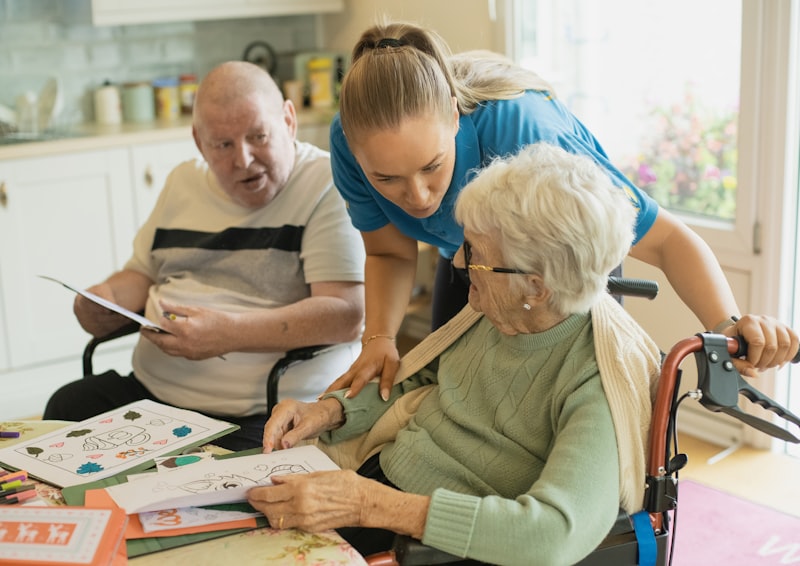
Social rehabilitation represents a complex and multifaceted field within psychological, sociological, and medical disciplines, fundamentally focused on enabling individuals who have experienced significant disruption—whether due to illness, disability, incarceration, or trauma—to achieve a higher, more satisfying level of social functioning and integration. At its core, the aim of social rehabilitation is straightforward yet profound: facilitating the individual’s return to a meaningful societal role, ensuring they possess the necessary skills, resources, and support systems to thrive autonomously. This process moves beyond merely treating symptoms or stabilizing immediate crises; instead, it addresses the holistic interaction between the person and their environment, recognizing that true well-being is contingent upon successful social interaction, community participation, and the fulfillment of personal responsibilities. The scope of social rehabilitation is intentionally broad, encompassing individuals grappling with chronic mental disorders, those recovering from debilitating physical impairments, and individuals seeking reintegration following periods of institutionalization or involvement with the criminal justice system. It is a goal-oriented process designed to minimize the societal disadvantage caused by impairment and maximize the individual’s quality of life and capacity for independent living.
The concept of social rehabilitation is distinct from clinical treatment in that it emphasizes functional outcomes related to community living, employment, education, and interpersonal relationships, rather than purely focusing on medical recovery or symptom reduction. One critical aspect involves the achievement of a higher level of social functioning in people with mental disorders or disabilities, where interventions are specifically tailored to address deficits in social cognition, vocational preparation, and daily living skills necessary for maintaining independence and avoiding relapse. Similarly, it targets the achievement of a higher level of functioning in people with physical impairments or disabilities, requiring adaptive training, environmental modifications, and the dismantling of institutional or architectural barriers that impede full participation. This requires a profound shift in perspective, moving the focus away from the diagnosis itself and toward the individual’s potential capabilities and their inherent right to inclusion and self-determination within the broader society. Effective social rehabilitation programs must therefore be highly individualized, dynamic, and collaborative, involving the client, their family, and a multidisciplinary team of professionals.
Beyond the realms of health and physical ability, social rehabilitation extends its essential services and assistance to help criminal offenders establish new ways of life, a crucial element often referred to as penal or correctional rehabilitation. In this context, the objective shifts toward reducing recidivism by addressing the underlying behavioral, educational, and vocational deficits that contributed to criminal activity, while simultaneously establishing prosocial identities and community ties. The philosophy unifying these diverse applications is the belief that every individual, regardless of past circumstances or current limitations, has the capacity for growth, contribution, and integration. It is an acknowledgment that societal structures often create barriers that impede recovery and functioning, and that rehabilitation must involve both individual skill-building and systemic advocacy to remove these obstacles. Therefore, social rehabilitation serves as a vital bridge, reconnecting those marginalized by circumstance or condition to the mainstream opportunities and expectations of community life, ultimately affirming the inherent dignity and value of every participant.
The Theoretical Framework and Foundational Principles
The theoretical foundation of social rehabilitation draws heavily from social psychology, ecological systems theory, and the principles of normalized living. Central to this framework is the concept that human behavior and functioning are products of continuous interaction between the individual’s characteristics and the demands and resources of their environment. Unlike traditional medical models that might view disability solely as an internal pathology, the social model of disability—which heavily influences rehabilitation practice—posits that functional limitations are often caused or exacerbated by societal barriers, discriminatory practices, and a lack of accommodating resources. Consequently, successful rehabilitation requires not only equipping the individual with coping skills and adaptive strategies but also modifying the social and physical environment to be more accessible and inclusive. This dual focus ensures that interventions are meaningful in real-world contexts, promoting integration rather than segregation.
Key foundational principles guide the execution of social rehabilitation programs, ensuring ethical consistency and optimal outcomes. First among these is the principle of empowerment and self-determination, recognizing that clients must be active participants in setting their own goals and determining the course of their recovery. Rehabilitation professionals act as facilitators and resource providers, rather than simply prescriptive authorities, fostering a sense of ownership over the recovery process. Second, programs must adhere to the principle of normalization and social role valorization, striving to help individuals achieve life patterns and social roles that are culturally normative and valued within their communities. This means promoting independent housing, competitive employment, and genuine friendships, avoiding settings or activities that perpetuate dependency or stigmatization. The goal is to move the individual away from the “patient” or “inmate” role and towards the role of a contributing citizen.
A third crucial principle involves the use of multidisciplinary and collaborative approaches. Given the complexity of social functioning, effective rehabilitation requires the integration of expertise from various fields, including social work, occupational therapy, vocational counseling, psychiatry, and peer support specialists. This holistic team approach ensures that all facets of the individual’s life—emotional, physical, vocational, and social—are addressed simultaneously and cohesively. Furthermore, the commitment to long-term support and maintenance is essential, recognizing that social integration is not a destination but an ongoing process. For many individuals with chronic conditions or histories of institutionalization, maintaining social gains requires sustained access to community resources, follow-up support, and crisis management planning to prevent regression. These principles collectively define social rehabilitation as a human-centered, rights-based endeavor aimed at maximizing participation and ensuring full citizenship.
Social Rehabilitation for Mental Health Disorders
Social rehabilitation plays a pivotal role in the recovery trajectory of individuals living with severe and persistent mental illnesses (SPMI), such as schizophrenia, bipolar disorder, and major depressive disorder. While pharmacological and psychotherapeutic interventions manage symptoms, social rehabilitation focuses on restoring the functional capacity that mental illness often erodes, particularly in areas related to daily living, social skills, and vocational stability. The primary goal is to help these individuals achieve a higher level of social functioning, moving them from hospital or supervised settings back into independent community living. Interventions in this area are highly structured and often delivered through community-based psychiatric rehabilitation services, utilizing models such as the Clubhouse model or Assertive Community Treatment (ACT) teams, which provide intensive, wraparound support directly in the client’s natural environment.
Key components of mental health social rehabilitation include comprehensive training in independent living skills (ILS), which covers essential tasks like budgeting, meal preparation, medication management, utilizing public transportation, and maintaining personal hygiene. Deficits in these areas are often major predictors of relapse and rehospitalization, making ILS training a foundational requirement for stable community integration. Simultaneously, significant effort is placed on social skills training (SST), which uses techniques like role-playing, modeling, and feedback to improve communication effectiveness, conflict resolution abilities, and the capacity to initiate and maintain interpersonal relationships. The impairment of social cognition—the ability to perceive and interpret social cues—is common in many SPMI diagnoses, and SST helps bridge this gap, allowing individuals to navigate complex social interactions more successfully. Furthermore, the provision of peer support, delivered by individuals who have successfully navigated their own recovery journeys, offers invaluable empathy, hope, and practical advice, reinforcing the idea that recovery is achievable.
Vocational rehabilitation is arguably one of the most critical elements, as meaningful employment provides structure, income, self-esteem, and social connection. For individuals with mental health challenges, standard vocational training often proves insufficient due to sporadic attendance or difficulty handling high-stress environments. Therefore, specialized models like Supported Employment (SE), particularly the Individual Placement and Support (IPS) approach, are utilized. IPS focuses on placing individuals directly into competitive jobs based on their preferences, without prerequisite training or “work readiness” phases, while providing continuous, individualized support both to the client and the employer. Research consistently demonstrates that engagement in competitive work correlates strongly with improved quality of life, reduced symptoms, and lower healthcare utilization. By addressing the functional barriers related to mental illness comprehensively and integrating work, housing, and social supports, social rehabilitation effectively minimizes the long-term disabling effects of psychiatric conditions.
Addressing Physical Impairments and Disability
Social rehabilitation for people with physical impairments or disabilities focuses on maximizing physical independence and ensuring full societal participation following events such as traumatic brain injury (TBI), spinal cord injury (SCI), stroke, or chronic conditions like multiple sclerosis. While medical rehabilitation (physiotherapy, occupational therapy) focuses on restoring physical function, social rehabilitation concentrates on the achievement of a higher level of functioning in terms of community roles, accessibility, and the adaptation of the environment to the individual’s modified capabilities. This form of rehabilitation recognizes that a physical impairment often leads to significant social barriers, including reduced mobility, decreased opportunities for employment, and isolation caused by inaccessible infrastructure. The ultimate goal is to bridge the gap between physical limitation and societal opportunity, ensuring that the impairment does not dictate the limits of one’s social life or career potential.
A central strategy in this domain is the comprehensive assessment and implementation of assistive technology and environmental modifications. This can range from highly complex devices, such as advanced prosthetics and powered mobility systems, to simple home adaptations like ramps and grab bars. Rehabilitation specialists, particularly occupational therapists and rehabilitation engineers, work to customize the individual’s living and work spaces to maximize autonomy. Furthermore, extensive training in adaptive techniques is provided, teaching individuals new ways to perform daily activities, manage personal care, and navigate their communities using assistive devices. This aspect of training is crucial for boosting self-efficacy and reducing reliance on caregivers, which are vital steps toward achieving genuine independence and resuming valued social roles.
Beyond technical assistance, social rehabilitation addresses the psychological and social adjustments necessary following significant physical changes. Individuals must often grieve the loss of prior abilities and develop a revised self-identity. Counseling and support groups focusing on adjustment to disability are essential for managing depression, anxiety, and body image issues that frequently accompany physical impairment. Moreover, advocacy and resource navigation form a large part of the social worker’s role in this setting, helping clients access benefits, secure appropriate housing, and challenge discrimination in employment or public access. By combining physical adaptation, emotional support, and systemic advocacy, social rehabilitation ensures that physical limitations are managed, and social barriers are systematically dismantled, enabling the individual to reclaim their life and fully engage in their communities.
The Role of Social Rehabilitation in Criminology and Reintegration
For criminal offenders, social rehabilitation focuses intensely on the services and assistance given to help them establish new, law-abiding ways of life and successfully reintegrate into society after incarceration. This process, often referred to as correctional or penal rehabilitation, is crucial for public safety, as studies consistently show that successful community integration is the strongest predictor of reduced recidivism. The challenge lies in addressing the deep-seated criminogenic factors—the specific traits, characteristics, or conditions that are statistically linked to criminal behavior—while simultaneously rebuilding the essential social capital that was destroyed or never developed during the period of incarceration. Effective rehabilitation in this context requires a comprehensive, risk-needs-responsivity (RNR) approach, tailoring interventions to the individual’s unique risk level and specific needs.
Key interventions focus on the development of cognitive and behavioral skills. Programs addressing cognitive deficits teach offenders how to recognize distorted thinking patterns, manage impulses, and improve problem-solving skills, enabling them to make better choices under stress. Alongside cognitive restructuring, vocational and educational training is paramount. Many incarcerated individuals lack basic literacy, high school diplomas, or marketable skills; therefore, providing opportunities to earn GEDs, professional certifications, and hands-on job training significantly enhances their employability upon release. Employment stability is a cornerstone of successful reintegration, providing income, routine, and a prosocial identity that replaces the previous criminal identity. Access to transitional housing and supportive mentorship programs further stabilizes the transition, mitigating the high stressors associated with homelessness and isolation immediately post-release.
The social component of correctional rehabilitation also involves repairing damaged relationships and developing positive community ties. Family reunification services, parenting classes, and therapy addressing trauma and substance use disorders are integral. Furthermore, finding mechanisms for community acceptance and supervision, such as probation and parole services, ensures accountability while providing a necessary safety net. The aim is to shift the offender’s social network from anti-social peers to prosocial mentors and supports. By systematically addressing educational gaps, vocational deficiencies, and criminogenic thinking, correctional social rehabilitation minimizes the likelihood of future criminal behavior, successfully achieving the goal of helping former offenders establish new, productive ways of life that benefit both the individual and the community at large.
Key Components and Interventional Strategies
Effective social rehabilitation programs are characterized by a set of core components and empirically validated interventional strategies designed to address the multifaceted nature of social functioning deficits. These components must be flexible enough to apply across mental health, physical disability, and correctional settings, while remaining tailored to the individual’s specific needs profile. One essential strategy is the use of skill acquisition and mastery training, which focuses on teaching and practicing specific, measurable behaviors necessary for successful community living. This includes anything from interview skills for employment to budgeting for independent housing, often utilizing behavioral rehearsal and structured feedback sessions.
Another critical component is the provision of resource coordination and linkage. Individuals entering rehabilitation often face complex barriers related to housing, healthcare access, financial stability, and legal issues. Case managers or resource specialists play a vital role in navigating bureaucratic systems, connecting clients with essential community services, and ensuring continuity of care. This linkage function is especially important for maintaining momentum post-discharge, preventing the individual from falling through the cracks of the social service system. Without stable housing and continuous access to medical or mental health care, all other rehabilitation gains are highly vulnerable to collapse.
Finally, the strategy of psychoeducation and family support is indispensable. For family members and significant others, understanding the nature of the condition—whether it is a chronic mental illness, a permanent physical disability, or the challenges of post-incarceration syndrome—is crucial for providing effective support without enabling dependency or perpetuating stigma. Psychoeducational programs empower families to become active allies in the rehabilitation process, setting realistic expectations and promoting a supportive home environment. Furthermore, the inclusion of peer support specialists ensures that the intervention strategies are grounded in real-life experience, offering hope and validation that transcends professional expertise. These integrated strategies work synergistically to build competence, confidence, and connection, which are the fundamental pillars of successful social integration.
Measurement, Outcomes, and Ethical Considerations
Measuring the success of social rehabilitation is inherently challenging because outcomes are qualitative and context-dependent, extending far beyond simple clinical metrics. Success is generally defined by improvements in functional status across multiple life domains, often quantified using standardized assessment tools that measure community integration, quality of life, employment status, educational attainment, and level of independence. Key outcome indicators include reduced reliance on institutional care, decreased rates of recidivism (in correctional settings), increased competitive employment rates, and demonstrable improvements in the client’s self-reported satisfaction with their social roles and relationships. Long-term follow-up studies are critical for evaluating the durability of these gains, recognizing that rehabilitation is successful only if the achieved functional status is maintained over time and across various environmental stressors.
Ethical considerations form the bedrock of all social rehabilitation practices. The principle of autonomy and informed consent requires that all participants fully understand the nature and purpose of interventions and maintain the right to refuse services, even if refusal might contradict professional recommendations. This is particularly challenging when working with individuals whose decision-making capacity may be compromised by severe mental illness or cognitive impairment; professionals must strive to maximize participation in decision-making while ensuring safety. Furthermore, the ethical obligation to protect confidentiality and privacy must be strictly maintained, especially when dealing with sensitive histories related to mental health crises, disability status, or criminal records, ensuring that the sharing of necessary information for coordinated care is done only with explicit consent.
A persistent ethical challenge involves balancing the client’s right to risk-taking and self-determination against the professional’s duty to protect. Rehabilitation aims for independence, which inherently involves risk. Professionals must ethically navigate situations where a client chooses a path—such as refusing medication or choosing unstable housing—that may lead to a deterioration of their functional status or pose a risk to themselves or others. This requires careful, documented justification for restrictive interventions, prioritizing the least restrictive environment possible while always striving to support the client’s ultimate goal of independent, integrated community living. The ethical practice of social rehabilitation demands constant reflection, cultural competence, and a commitment to advocacy that challenges societal prejudices and systemic barriers that impede the client’s progress.
Challenges and Future Directions in Practice
Despite decades of empirical evidence supporting the efficacy of social rehabilitation, the field faces significant challenges rooted in systemic inadequacies and persistent stigma. One major challenge is funding instability and resource scarcity. Comprehensive, high-quality social rehabilitation, particularly models like ACT and IPS, are resource-intensive because they require low client-to-staff ratios and continuous, individualized support. In many jurisdictions, funding priority remains allocated toward acute care and institutionalization rather than community-based recovery services, leading to long waiting lists and insufficient capacity to meet the substantial demand. This lack of sustained financial commitment undermines the ability of programs to provide the long-term support necessary to maintain rehabilitation gains, often resulting in cycling through institutional and community care.
Another critical challenge is the persistent issue of stigma and societal exclusion. Individuals with mental health histories, visible disabilities, or criminal records frequently encounter discrimination in housing, employment, and social interactions, regardless of their achieved functional status. Social rehabilitation programs can equip individuals with skills, but they cannot eliminate prejudice. Future directions must increasingly integrate powerful advocacy components and public education campaigns to shift societal attitudes and dismantle structural discrimination. Furthermore, rehabilitation professionals must address the growing complexity of needs, including co-occurring substance use disorders, homelessness, and histories of profound trauma, requiring the continuous development of integrated, trauma-informed care models that move beyond traditional skill training.
Looking forward, the field is moving toward leveraging technology and emphasizing personalized, recovery-oriented approaches. The integration of digital tools, such as mobile health applications and telehealth services, offers new opportunities to provide continuous support, skills coaching, and monitoring directly to clients in their homes, improving accessibility, particularly in rural or underserved areas. There is also a strong emphasis on integrating culturally responsive care, ensuring that rehabilitation goals and methods are aligned with the cultural values, beliefs, and social structures of diverse client populations. By focusing on systemic advocacy, sustainable funding, technological innovation, and deeply personalized approaches, social rehabilitation can enhance its reach and effectiveness, truly fulfilling its potential to get people back into society as full, contributing members.