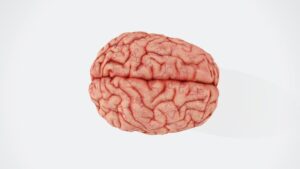
Somatognosia: Mapping Your Mind-Body Connection
Scientifically Reviewed · Dr. Marwa Abd-Alazim · August 31, 2026
Review Criteria & Clinical Standards
This content undergoes rigorous scientific peer-review and medical editorial standards at Arab Psychology Network to ensure clinical accuracy, validity, and compliance with evidence-based guidelines from leading psychological and healthcare authorities (APA / WHO).
Introduction to Somatognosia
Somatognosia, derived from the Greek words soma (body) and gnosis (knowledge), refers fundamentally to the cognitive awareness and internal representation an individual possesses regarding the parts of their own body, their configuration, and their spatial relationships. This complex perceptual and cognitive function allows a person to internally map their physical self without relying on visual input, providing the foundational knowledge necessary for effective motor planning, postural control, and interaction with the external environment. It is the continuous, subconscious monitoring system that confirms the existence, location, and boundary of the limbs, trunk, and head, integrating sensory data from proprioception, touch, and kinesthesia into a cohesive, enduring mental schema often termed the body schema or body image. A well-functioning somatognostic system is essential for daily activities, ranging from simple acts like scratching an itch or navigating a doorway, to highly complex coordinated movements required in sports or surgical procedures, highlighting its central role in embodied cognition and self-perception, separating the self from the non-self in a physically meaningful way, and establishing the physical boundaries of personal space.
The concept of somatognosia encompasses more than just knowing that one has hands or feet; it involves the dynamic, constantly updating representation of the body’s posture and position in space, which changes moment by moment as the individual moves. This internal map is not static like a geographical chart but is fluid and highly adaptive, constantly recalibrating based on sensory feedback and motor commands. This internal body representation acts as a crucial interface between the brain’s intentional motor systems and the peripheral musculoskeletal system, translating abstract intentions into concrete muscle activations. When somatognosia is intact, the individual experiences a seamless sense of ownership and control over their corporeal form, feeling connected to and spatially aware of all their physical components. This seamless integration ensures that actions are executed efficiently and unconsciously, as the brain accurately predicts the required muscular effort and trajectory based on the known starting position of the limbs, which is provided by the underlying somatognostic awareness.
The disruption of this awareness leads to a spectrum of neurological deficits, the most prominent of which is asomatognosia, the polar opposite of somatognosia, characterized by the denial or lack of awareness of one or more parts of the body, typically following a cerebrovascular accident or other focal brain injury. While somatognosia represents the healthy integrity of the body representation system, its associated pathologies provide profound insight into the neural architecture that supports our fundamental sense of self. Understanding somatognosia requires delving into its complex neurobiological underpinnings, particularly the multimodal integration areas within the parietal lobe, which serve as the primary processing centers for synthesizing disparate sensory inputs into a singular, coherent body representation, allowing for the stable perception of self amidst a constantly changing sensory landscape.
Neuroanatomical Basis and the Body Schema
The neurological foundation of somatognosia rests heavily within the parietal lobe, particularly the right hemisphere, which often holds dominance in spatial processing and body awareness integration, although both hemispheres contribute significantly. Key regions involved include the primary somatosensory cortex (S1), which processes tactile and proprioceptive input; the secondary somatosensory cortex (S2); and crucially, the posterior parietal cortex (PPC). The PPC serves as a critical nexus for integrating sensory modalities—visual, auditory, tactile, and vestibular—to create a unified, spatialized representation of the body and its relationship to the external world. This integrated map, often referred to as the body schema, is dynamic and action-oriented, distinct from the more conceptual body image, which incorporates emotional and social aspects of self-perception. The body schema is constantly updated through efference copies of motor commands and afferent sensory feedback, ensuring accurate spatial calibration for immediate action.
The integrity of specific neural pathways connecting the parietal lobe to premotor areas and the thalamus is vital for maintaining somatognostic function. Information flow is highly recursive; sensory input regarding limb position is processed in S1 and S2, then relayed to the PPC where it is integrated with visual information about where the limbs are observed to be, and vestibular input concerning head and body orientation relative to gravity. Disruptions to these pathways, especially those affecting the right temporo-parietal junction (TPJ), are frequently implicated in severe somatognostic disturbances. The TPJ is considered critical because it functions as a gateway for self-processing, distinguishing between self-generated movements and external events. Damage here can lead to profound self-mislocalization or the misattribution of body parts, demonstrating the fragility of the brain’s mechanism for confirming bodily self-presence.
The body schema itself is theorized to consist of multiple overlapping representations, tailored for different functional purposes. One component might be dedicated to precise, fine-motor control (e.g., tool use), while another might govern gross postural adjustments and balance. These representations are intrinsically plastic, capable of being modified by experience and environment, such as the incorporation of tools or prosthetics into the body schema—a phenomenon known as peripersonal space extension. Functional neuroimaging studies often reveal increased activation in the parietal and premotor cortices during tasks requiring explicit monitoring or manipulation of body parts, confirming the involvement of these areas in the active maintenance of somatognosia. When this complex network is compromised, the brain loses the crucial frame of reference necessary to anchor the self within physical reality, leading to the bizarre subjective experiences characteristic of somatognostic deficits.
Development of Body Awareness
Somatognosia is not an innate, fully formed capability but develops gradually throughout infancy and childhood, influenced heavily by sensory exploration and motor experience. Initially, an infant’s awareness of their body is fragmented, relying primarily on proximal tactile and rudimentary proprioceptive feedback. As the child begins to engage in self-directed movement—reaching, grasping, crawling—the brain starts correlating motor commands with resulting sensory feedback, laying the groundwork for a stable body schema. This process involves sophisticated multimodal integration, where visual observation of one’s own limbs moving is matched precisely with the internal proprioceptive sense of those movements, solidifying the sense of body ownership. Key developmental milestones, such as reaching for objects under different spatial constraints, accelerate the refinement of this internal body map, calibrating joint angles and muscle tensions against observed outcomes.
Mirror self-recognition, typically achieved around 18 to 24 months, marks a significant cognitive leap in the development of body image, but the underlying somatognostic body schema develops continuously. Early childhood involves the gradual integration of the body’s midline and the differentiation between left and right sides, skills that are foundational for complex motor skills and spatial language. Difficulties in establishing a clear left-right differentiation (laterality confusion) can sometimes be linked to subtle disturbances in somatognostic processing, although this is often transient. The acquisition of language further refines somatognosia by providing labels and conceptual categories for body parts, allowing the child to articulate and reference their physical self in communication, reinforcing the conceptual body image.
Adolescence introduces further complexity as hormonal and physical changes rapidly alter the physical form, requiring a significant recalibration of the body schema, often leading to temporary clumsiness or awkwardness as the brain struggles to keep pace with the changing limb lengths and mass distribution. Throughout the lifespan, the body schema remains plastic, constantly updating to accommodate injury, weight changes, or changes in habitual posture. Pathologies that manifest later in life, such as those related to stroke, often represent the sudden and dramatic disruption of a previously established, decades-long mature somatognostic system, highlighting the brain’s reliance on continuous, high-fidelity sensory input to maintain this fundamental awareness of self.
Clinical Manifestations: Asomatognosia
The most dramatic clinical manifestation of impaired somatognosia is asomatognosia, a condition characterized by the denial or complete lack of awareness regarding the existence, presence, or ownership of a limb or side of the body, most commonly affecting the left side following a lesion in the right hemisphere’s parietal lobe. Patients afflicted with asomatognosia may intellectually acknowledge that the limb is physically present, but they subjectively deny that it belongs to them, referring to it as an object, another person’s appendage, or even stating that the limb is missing entirely. This profound detachment from a part of the physical self is often accompanied by anosognosia (unawareness of the deficit itself), meaning the patient may deny not only the existence of the paralyzed limb but also the paralysis itself, complicating rehabilitation and patient cooperation.
Asomatognosia frequently occurs as part of the broader syndrome of unilateral spatial neglect, where patients fail to attend to the spatial environment and objects on the contralesional side. While neglect relates to external space and object perception, asomatognosia specifically relates to the internal representation of the body. The denial can take several forms, including somatoparaphrenia, where the patient attributes the denied limb to another person or entity, sometimes generating elaborate, delusional explanations for its presence in their bed. For example, a patient might claim their arm is a rubber object or the doctor’s leg, demonstrating a fundamental breakdown in the neural mechanism responsible for tagging sensory input as “self.”
The denial observed in asomatognosia is typically resistant to logical argument or visual evidence. Showing the patient the limb does not necessarily restore the sense of ownership, as the impairment lies in the deeper, pre-conscious cognitive processing of self-attribution, not merely in sensory perception. This demonstrates the critical role of the parietal cortex in generating the subjective sense of body ownership. The treatment approach for asomatognosia often focuses on sensory stimulation and visual feedback techniques, such as prism adaptation or mirror therapy, designed to temporarily trick the brain into recalibrating the internal spatial map and re-integrating the neglected body part into the active body schema, thereby attempting to restore the lost somatognostic awareness, even if momentarily.
Related Conditions and Phenomenon
Somatognosia’s conceptual framework is essential for understanding several other complex neurological phenomena that involve disruptions to body representation. The phantom limb phenomenon, experienced by the vast majority of amputees, is a powerful demonstration of the persistence of the body schema even after the physical body part has been removed. The brain continues to generate somatognostic awareness for the missing limb, often resulting in sensations of presence, movement, and sometimes intense pain, as the cortical representation remains active and struggles to reconcile the lack of corresponding sensory input from the periphery. This phenomenon underscores that somatognosia is primarily a central neurological construct, rather than a purely peripheral sensory experience.
Another related condition is Autotopagnosia (Topagnosia), which is the inability to locate or orient parts of one’s own body, or the body of others, on command, often localized to lesions in the dominant (usually left) parietal lobe. Unlike asomatognosia, the patient does not deny the existence of the body part; they simply cannot linguistically or spatially identify it upon request, often manifesting as an inability to point to their nose or knee when asked, demonstrating a dissociation between the conceptual knowledge of body parts and the spatial mapping provided by the somatognostic system. This condition highlights the specific role of the dominant hemisphere in linking body schema information with language and conceptual knowledge.
Furthermore, conditions like Body Integrity Dysphoria (BID), where individuals feel a profound, persistent desire for the amputation of a healthy limb because they feel the limb does not belong to their true self, suggests a profound developmental error or disruption in the fundamental somatognostic representation of that body part, even in the absence of acquired neurological damage. While BID is complex and involves psychological components, the core subjective experience aligns with a fundamental mismatch between the physical reality of the body and the brain’s internal, felt body schema, reinforcing the idea that somatognosia is deeply entwined with personal identity and self-perception, often operating outside conscious control.
Assessment Methods for Somatognostic Function
Assessing somatognostic function is crucial in clinical neurology, particularly following stroke or traumatic brain injury, to guide rehabilitation efforts and quantify the severity of the body representation disturbance. Assessment techniques are designed to test the patient’s explicit knowledge of their body configuration and their implicit, action-oriented body schema. Standardized tests often involve tasks that require the patient to identify or locate body parts under conditions where visual feedback is minimized or absent, relying solely on internal awareness.
Common assessment batteries include:
- The Pointing Test: The patient is asked to point to specific body parts (e.g., knee, elbow, shoulder) on themselves or on a doll/diagram, often with their eyes closed or while restricted from looking at the target area. Errors in location or inability to perform the task suggest autotopagnosia or a somatognostic deficit.
- Tactile Localization/Discrimination Tasks: Assessing the ability to accurately locate a point of touch on the skin. While primarily a measure of somatosensation, profound errors in localization, particularly in the presence of intact sensation, can point toward poor somatognostic mapping.
- Left-Right Discrimination Tests: Asking the patient to identify whether a depicted limb or a limb being passively moved is the left or right side, demonstrating the integrity of lateralized body awareness. Severe difficulty here is often indicative of parietal lobe dysfunction.
- Body Part Naming/Identification: Assessing the ability to verbally name parts of the body, which tests the integration of somatognosia with linguistic representation.
These assessments provide quantitative data on the extent of the body representation disturbance, allowing clinicians to differentiate between primary sensory loss, motor impairment, and genuine cognitive somatognostic deficits. Furthermore, observing the patient’s spontaneous behavior, such as ignoring one side of the body when dressing or performing self-care, provides important qualitative evidence of potential somatognosia or neglect.
Advanced methods increasingly utilize virtual reality (VR) and robotics to objectively measure body schema distortion and ownership perception. Techniques such as the Rubber Hand Illusion (RHI), although originally an experimental tool, are now adapted to measure the degree to which a person can incorporate an artificial limb into their body schema, providing insight into the plasticity and vulnerability of somatognostic awareness. Neuroimaging techniques, including fMRI and EEG, help correlate observed behavioral deficits with specific areas of structural or functional brain damage, confirming the neuroanatomical locus of the somatognostic breakdown, typically centering on the right parietal region.
Therapeutic Interventions and Rehabilitation
Rehabilitation strategies for somatognostic impairments, particularly asomatognosia and neglect, focus on techniques aimed at increasing sensory input, restoring spatial awareness, and functionally integrating the neglected side back into the patient’s body schema. The primary goal is to force the attention of the patient toward the affected side and provide compelling, multimodal sensory evidence that the body part belongs to them and is functional.
Key therapeutic interventions include:
- Sensory and Proprioceptive Stimulation: Intensive tactile and proprioceptive stimulation (e.g., rubbing, vibration, deep pressure) applied directly to the affected limb, often coupled with auditory cues, designed to heighten the salience of the limb and promote its registration in the somatosensory cortex.
- Visual Feedback Techniques: The use of Mirror Therapy is highly effective, allowing the patient to observe the reflection of their unaffected limb performing movements, which the brain interprets as the affected limb moving. This visual-proprioceptive mismatch can stimulate motor pathways and temporarily restore the sense of movement and ownership in the affected limb.
- Prism Adaptation: Patients wear specialized goggles that shift the visual field, forcing the brain to recalibrate the relationship between visual space and the internal body map. This technique is particularly effective in reducing unilateral spatial neglect and associated somatognostic deficits by shifting the patient’s egocentric frame of reference.
- Limb Activation Training: Encouraging or requiring active movement of the neglected limb, even passive movement, while providing constant verbal and visual cues, reinforcing the connection between motor intention and sensory outcome.
The success of these interventions relies heavily on the plasticity of the adult brain. By providing consistent, high-intensity, and often redundant sensory information, therapists aim to reorganize cortical maps and establish new neural pathways that bypass the damaged parietal structures. Early and aggressive intervention is crucial, as chronic somatognostic deficits can become deeply entrenched, making rehabilitation significantly more challenging. Furthermore, treating accompanying anosognosia through motivational interviewing and gentle confrontation of the deficit is often necessary to ensure patient participation and adherence to rehabilitation protocols, as patients must first accept the reality of their physical condition before they can engage in efforts to restore their body awareness.
Ultimately, somatognosia serves as a powerful reminder of how our fundamental sense of self is deeply rooted in complex, constantly maintained neural representations of our physical form. Its study not only clarifies the mechanisms of body ownership but also guides the development of sophisticated neurorehabilitation techniques aimed at restoring functional integrity after neurological injury.