Somatotonia: Linking Body Types to Personality Traits
Scientifically Reviewed · Dr. Marwa Abd-Alazim · August 26, 2026
Review Criteria & Clinical Standards
This content undergoes rigorous scientific peer-review and medical editorial standards at Arab Psychology Network to ensure clinical accuracy, validity, and compliance with evidence-based guidelines from leading psychological and healthcare authorities (APA / WHO).
The Conceptual Framework of Somatotypes
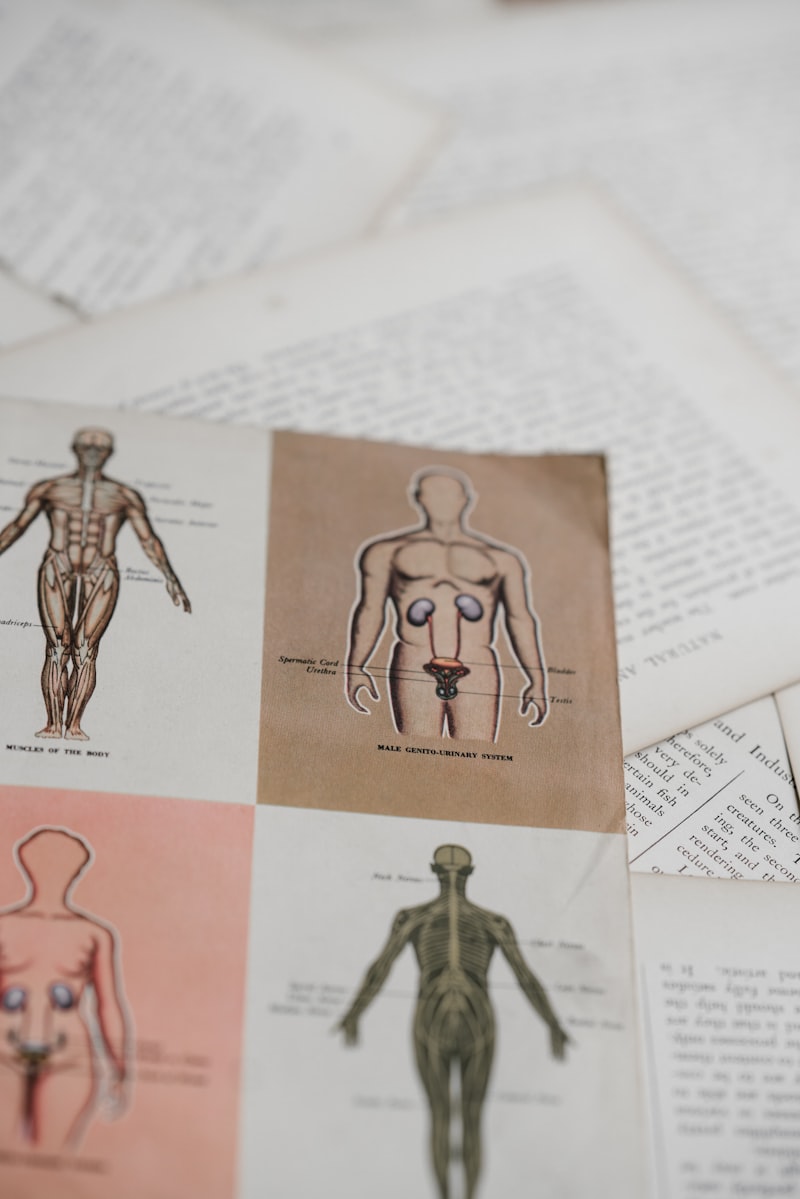
Somatotonia is a specific personality profile derived from the constitutional psychology framework developed by William Herbert Sheldon in the mid-20th century. Sheldon’s central hypothesis proposed a direct, measurable link between an individual’s physical body type, or somatotype, and their inherent psychological temperament. This theory asserted that physical structure, determined by the relative dominance of the three embryonic germ layers (endoderm, mesoderm, and ectoderm) during development, predisposes an individual to certain behavioral and emotional tendencies. Somatotonia is the temperament associated primarily with the dominance of the mesoderm, the layer responsible for developing muscle, bone, and connective tissue, thereby defining the robust and athletic structure known as the mesomorphic physique. Sheldon meticulously documented these relationships, aiming to create a comprehensive system for classifying human variation based on morphology and behavior, though his methodology and conclusions have since faced significant scientific scrutiny.
Sheldon categorized temperaments along three primary dimensions, each corresponding to one of the physical somatotypes. These dimensions are Viscerotonia (associated with the endomorph), Somatotonia (associated with the mesomorph), and Cerebrotonia (associated with the ectomorph). A person’s temperament was quantified by assigning a score from 1 to 7 for each dimension, with 7 representing the maximum expression of that trait. Thus, Somatotonia represents the constellation of assertive, energetic, and physically driven psychological traits. It suggests that the inherent structure of the body dictates a powerful inclination toward activities and behaviors that utilize and express that physical capacity, leading to a dynamic and often demanding interaction with the external environment.
Understanding Somatotonia requires recognizing it as one part of a holistic system where pure types are rare, and most individuals exhibit a blend of all three temperaments. However, the designation of a highly somatotonic individual implies a powerful psychological predisposition that aligns neatly with the physical capabilities of a mesomorphic physique. This linkage was seen by Sheldon as innate and largely unchangeable, suggesting that a person’s constitutional makeup predetermined their fundamental approach to life, including their reactions to stress, their social interactions, and their pursuit of ambition and status. The formal, rigorous approach Sheldon used, involving standardized photography and detailed measurement, lent an air of scientific objectivity to a theory that sought to bridge the gap between physiology and personality.
Characteristics of the Mesomorphic Physique
The foundation of the somatotonic temperament is the mesomorphic physique. Physically, this body type is characterized by a square, muscular, and hard build, with a predominance of bone and muscle structure over either visceral fat (endomorphy) or linear fragility (ectomorphy). Mesomorphs typically have broad shoulders, narrow hips, thick skin, and a powerful, athletic appearance. The body tends to gain muscle easily and maintains a low fat storage capacity relative to muscle mass. This physical dominance suggests a body designed for immediate, powerful action and sustained physical exertion, traits that Sheldon argued translated directly into the corresponding psychological profile of Somatotonia.
The physiological traits of the mesomorph directly influence the energetic output and action patterns associated with Somatotonia. Because the body is efficient at generating and sustaining high levels of physical activity, the corresponding temperament is one that seeks out opportunity for this activity. This manifests not merely as athleticism, but as a general psychological restlessness and a need to be involved in dynamic, physical engagement. The strength and resilience of the mesomorphic body provide the internal resources necessary to support the high levels of assertiveness and competitive drive that define the somatotonic personality, making physical confrontation or demanding labor less daunting than it might be for other somatotypes.
Sheldon viewed the mesomorph as the physical embodiment of kinetic energy and structural strength. When quantifying an individual’s somatotype using the established three-digit scale (e.g., 1-7-1), a high score in the middle digit signifies pronounced mesomorphy, indicating that the individual possesses the physical resources to support a highly somatotonic temperament. This physical robustness is often interpreted behaviorally as self-confidence and an absence of physical timidity. The stability and power inherent in the physical form underpin the psychological traits of courage and readiness to confront challenges head-on, distinguishing the somatotonic type from the comfort-seeking viscerotonic and the inhibited cerebrotonic types.
Core Behavioral Traits of Somatotonia
The defining feature of Somatotonia is an overarching tendency toward energetic actions and a profound preference for physical movement over sedentary reflection. Somatotonic individuals are often described as active, dynamic, and action-oriented. Their energy is not merely physiological; it translates into a psychological need for continuous, vigorous engagement with the environment. They prefer to solve problems through action, often exhibiting boldness and a willingness to take calculated physical risks. This psychological drive for energetic output is central to their identity and fuels their competitive spirit in all facets of life, including sports, career, and social dominance.
A critical component of the somatotonic profile is physical courage. This courage manifests as a psychological resilience against pain and danger, and a readiness to engage in confrontation. Unlike other temperaments which might avoid conflict or retreat into introspection, the somatotonic individual feels an instinctive pull toward asserting themselves physically and facing threats directly. This trait is deeply intertwined with their high level of assertiveness and their low threshold for psychological discomfort associated with bodily risk. They are often assertive, sometimes aggressive, and tend to externalize their emotions through physical expression rather than internalizing them or seeking comfort. They are the natural competitors, thriving in environments that demand rapid, forceful decision-making and resilience.
Perhaps the most socially significant trait of Somatotonia is the pronounced love of power. This is not necessarily malicious, but represents a strong innate drive toward mastery, control, and leadership. Somatotonic individuals seek positions of authority where their energetic nature and decisiveness can be utilized to manage and control resources, people, or situations. They value dominance and are inherently competitive, viewing many social interactions as a contest to be won. This drive for power is a direct psychological corollary to their physical strength; just as their bodies are built to dominate physical space, their temperament is geared toward dominating social and hierarchical structures. The desire to lead, to command respect, and to exert influence is a hallmark of this personality type.
The Temperamental Triad
Sheldon’s theory gains clarity when Somatotonia is viewed in direct contrast to the other two primary temperaments: Viscerotonia and Cerebrotonia. Viscerotonia, linked to the round, soft endomorphic physique, is characterized by a love of comfort, food, and social interaction; these individuals are relaxed, jovial, and focused on visceral contentment. Cerebrotonia, linked to the linear, fragile ectomorphic physique, is characterized by restraint, inhibition, and an intense focus on cerebral activity; these individuals are often anxious, thoughtful, and socially reserved. Somatotonia occupies the middle ground physically, but behaviorally it stands in opposition to both, offering a high-energy, action-oriented temperament.
The distinction between the three types is crucial for diagnosing the prevalence of Somatotonia in any given individual. A highly somatotonic person (e.g., a 1-7-1 rating) would exhibit minimal tendencies toward the relaxation and slow metabolism of Viscerotonia, and minimal social inhibition or cerebral overactivity of Cerebrotonia. Instead, their lives revolve around assertiveness, competitive engagement, and the active pursuit of goals. This triad provides a structured way to understand personality differences, suggesting that while the Viscerotonic person seeks comfort and the Cerebrotonic person seeks privacy and intellectual stimulation, the Somatotonic person inherently seeks action, risk, and control.
The three temperaments can be clearly separated by their typical reactions to stress or conflict. The Viscerotonic individual might seek resolution through appeasement or shared comfort (e.g., eating); the Cerebrotonic individual might withdraw, overthink the situation, or experience anxiety and physiological tension; the Somatotonic individual, however, is prone to an aggressive, externalized response. They are likely to confront the source of stress directly or channel the tension into intense physical activity. This fundamental difference in coping mechanism highlights the inherent action-orientation of Somatotonia, contrasting sharply with the internalizing and comfort-seeking strategies of the other two temperaments.
Measurement and Methodology in Constitutional Psychology
Sheldon developed a rigorous, albeit controversial, methodology for quantifying both the physique and the temperament, central to the study of Somatotonia. The physique was measured using the Somatotype scale, a three-digit rating where the second digit represents the degree of mesomorphy (and thus the potential for Somatotonia) on a scale of 1 to 7. This measurement relied heavily on standardized photographic techniques and anthropometric measurements to objectively assess the relative development of the three primary body components. A rating of 7 in the middle digit, such as 1-7-1, indicated an extreme dominance of muscle and bone structure, signaling a pure mesomorph.
To assess the corresponding temperament, Sheldon used the Temperament Scale, consisting of sixty traits grouped into the three dimensions of Viscerotonia, Somatotonia, and Cerebrotonia. Researchers would rate the subject based on extensive interviews and behavioral observation, assigning scores for traits such as “love of power,” “energetic activity,” “physical courage,” and “assertiveness.” The strong correlation Sheldon claimed to find between the assigned somatotype (e.g., 7-point mesomorphy) and the corresponding temperament score (7-point Somatotonia) formed the basis of his constitutional theory, arguing that the link between physical form and psychological drive was statistically robust and predictive.
The reliance on standardized photography, taken from front, side, and rear views, was intended to remove subjective bias from the physical assessment. However, the subsequent rating of temperament often involved a degree of subjective interpretation by the assessors, leading to significant criticisms regarding the objectivity of the entire system. Despite these methodological challenges, the quantification allowed Sheldon and his followers to classify individuals across a spectrum, recognizing that few people were pure types. For instance, a person rated 4-5-2 would be primarily somatotonic but would exhibit moderate influence from Viscerotonia, suggesting a highly energetic person who still enjoys some degree of comfort and relaxation.
Criticisms and Limitations of Somatotype Theory
While Sheldon’s work provided a compelling framework for linking physique and personality, the theory of constitutional psychology, particularly the deterministic link between mesomorphy and Somatotonia, has been largely dismissed by mainstream contemporary psychology. A major criticism centers on the issue of correlation versus causation. While it is statistically observable that highly athletic, muscular individuals (mesomorphs) tend to exhibit assertive and action-oriented behaviors, critics argue that this correlation is likely due to environmental factors and learned behavior rather than inherent constitutional fate. For example, individuals who naturally possess a mesomorphic build are often encouraged to participate in competitive sports, which actively reinforces traits like aggression, dominance, and physical courage, thus shaping a somatotonic personality through socialization.
Furthermore, methodological flaws plagued the original research. Sheldon himself performed both the physical assessment and the temperament assessment in many of his studies, creating the potential for experimenter bias. If the assessor knew the subject was a pronounced mesomorph, they might subconsciously score that individual higher on traits like love of power and energetic actions, confirming the hypothesis rather than testing it objectively. Subsequent studies attempting to replicate Sheldon’s high correlations using blind assessors often found much weaker relationships, suggesting that the initial strong findings were inflated by subjective measurement techniques and the lack of independent assessment.
Another crucial limitation involves the lack of recognition of the plasticity of the adult physique. Sheldon’s theory treated the somatotype as essentially fixed from early adulthood, yet significant changes in lifestyle, diet, and exercise can profoundly alter the body composition. An individual who was originally an ectomorph but gains substantial muscle through intense weight training might develop a more mesomorphic physique; however, there is no evidence that this physical change automatically results in the acquisition of a purely Somatotonic temperament, demonstrating a clear break between the determinism of the body and the complexity of the personality. These fundamental issues concerning objectivity, bias, and the influence of nurture over nature have confined Sheldon’s somatotype theory to a historical footnote rather than a pillar of modern personality theory.
Modern Relevance and Legacy
Despite its scientific rejection as a deterministic theory, Sheldon’s work, and specifically the concept of Somatotonia, holds a significant legacy in several related fields. In sports psychology and coaching, the intuitive link between physique and preferred activity remains relevant. Coaches often recognize that individuals with a natural mesomorphic physique are predisposed to excel in sports requiring strength, aggression, and sustained output, aligning perfectly with the core traits of energetic actions and physical courage. While we no longer believe the temperament is constitutionally locked, the observation that physical capability influences psychological disposition toward certain demanding activities endures.
In criminology, Sheldon’s theory historically garnered attention due to the controversial suggestion that mesomorphs were disproportionately represented among offenders, particularly those involved in violent or aggressive crimes—behaviors highly consistent with the extreme ends of Somatotonia (e.g., assertiveness manifesting as aggression, and love of power manifesting as coercion). While this linkage is highly problematic and often based on stereotypes, the exploration of biological and constitutional factors in antisocial behavior, though refined by modern genetics and neuroscience, owes a historical debt to the early constitutional psychologists who sought to link bodily structure to behavioral output.
Ultimately, the concept of Somatotonia serves as a powerful historical marker in the development of personality theory. It represents a robust, if flawed, attempt to systematically categorize human behavior by drawing connections between observable physical characteristics and psychological drives. Although superseded by dimensional models like the Five-Factor Model (Big Five), where traits like conscientiousness and extraversion capture aspects of the somatotonic drive, Sheldon’s triad—Viscerotonia, Somatotonia, and Cerebrotonia—remains a memorable framework for contrasting fundamental approaches to life: comfort, action, and introspection. The central idea that a person’s drive for action, courage, and power is intrinsic to their physical expression remains an influential concept, even if the strict constitutional determinism has been scientifically abandoned.