Speech Production: How Your Brain Turns Thought Into Talk
Scientifically Reviewed · Dr. Marwa Abd-Alazim · August 23, 2026
Review Criteria & Clinical Standards
This content undergoes rigorous scientific peer-review and medical editorial standards at Arab Psychology Network to ensure clinical accuracy, validity, and compliance with evidence-based guidelines from leading psychological and healthcare authorities (APA / WHO).
Introduction and Definition
Speech production is the highly complex and organized process by which linguistic thoughts and intentions are transformed into audible acoustic signals that can be perceived and interpreted by a listener. This process is far more intricate than merely making sounds; it represents a finely tuned coordination of cognitive planning and rapid motor execution. The transformation begins deep within the cognitive system, where conceptual ideas are formulated, and progresses through a series of stages involving linguistic encoding, motor programming, and ultimately, the physical realization of sound waves. It is an extraordinary feat of human physiology, characterized by precise timing and the integration of multiple biological systems operating simultaneously and hierarchically.
The mechanics of speech production fundamentally rely upon the seamless interaction of three major biological systems: the neural system, the respiratory system, and the articulatory system. The neural system provides the overarching blueprint, translating abstract thoughts into concrete motor plans. The respiratory system serves as the necessary energy source, providing the controlled airflow required to initiate vibration. Finally, the articulatory system acts as the filter and resonator, shaping the raw laryngeal sound into the distinct phonemes, syllables, and words that constitute intelligible language. Disruptions at any one of these three levels can severely impede the ability to generate coherent speech, underscoring the necessity of their synchronized operation.
The primary objective of speech production is to generate sounds that carry meaning, resulting in acoustic output that is both rapid and highly reliable. The average rate of speech involves the production of approximately 10 to 15 phonemes per second, requiring the fine motor muscles of the jaw, tongue, and lips to execute movements with millisecond precision. This efficiency is achieved through the principle of coarticulation, where the movements for one sound overlap and anticipate the movements for subsequent sounds, maximizing the rate of information transfer while minimizing physical effort. Understanding speech production requires a multidisciplinary approach, drawing heavily upon fields such as linguistics, physiology, acoustics, and cognitive neuroscience.
The Conceptual and Linguistic Planning Stage
The initial stage of speech production is purely cognitive and linguistic, preceding any physical muscular movement. This stage involves conceptualization, where the speaker decides on the message they wish to convey, drawing upon memory and context. Once the conceptual structure is formed, the process moves into formulation, which involves two critical sub-stages: grammatical encoding and phonological encoding. Grammatical encoding selects the necessary lexical items (words) and arranges them into a grammatically coherent structure (syntax). This demanding process ensures that the output respects the rules and constraints of the speaker’s native language.
Following syntactic structuring, the speaker engages in lexical selection, retrieving specific word forms from the mental lexicon. This retrieval process operates in two distinct phases: first, accessing the lemma, which contains the abstract semantic and syntactic information of the word; and second, accessing the lexeme, which contains the specific phonological information necessary to pronounce the word. For instance, selecting the word ‘cat’ involves retrieving its meaning (a feline animal) and its syntactic role (a noun), followed by retrieving the sequence of sounds: /k/, /æ/, /t/. Errors in this stage often manifest as tip-of-the-tongue phenomena or substitution errors (malapropisms).
The final step in linguistic planning is phonological encoding, where the abstract sequence of phonemes is transformed into a concrete phonetic plan, often referred to as a motor program. This plan specifies the precise timing and coordination required for the articulators. During this highly sensitive process, features like stress, intonation, and rhythm (prosody) are incorporated, dictating the overall acoustic shape of the utterance. This phonetic plan is then passed down to the motor cortex for execution, serving as the detailed instruction manual for the respiratory and articulatory muscles.
The Respiratory System: Powering Phonation
The production of speech requires a controlled and stable source of power, which is provided exclusively by the respiratory system. Unlike quiet breathing, which is primarily reflexive and involves a quick intake and passive exhalation, breathing for speech requires active muscular control to maintain a relatively constant subglottal pressure—the air pressure held immediately below the vocal folds. This sustained and regulated pressure is essential because it is the force that sets the vocal folds into vibration, initiating the sound source. The lungs, trachea, rib cage, and associated musculature constitute this crucial foundational system.
In speech, the inhalation phase is typically rapid, drawing in a larger volume of air than quiet respiration. The exhalation phase, however, is significantly prolonged and meticulously controlled. The diaphragm, the primary muscle of inspiration, relaxes slowly, while the external intercostal muscles and various accessory muscles of expiration (e.g., internal intercostals and abdominal muscles) contract gradually to brake the passive recoil of the lungs. This muscular braking action prevents the air from rushing out too quickly, allowing the speaker to sustain phonation across entire phrases or sentences while maintaining acoustic consistency.
The efficiency of the respiratory system directly impacts the speaker’s ability to manipulate various acoustic features, including loudness and duration. Greater subglottal pressure generally leads to increased acoustic intensity (loudness). Disorders affecting the respiratory muscles, such as certain types of dysarthria, often result in weak, breathy speech and short phrase lengths because the speaker cannot generate or sustain the necessary air pressure for robust phonation. Thus, the respiratory system acts as the fundamental engine, converting metabolic energy into aerodynamic energy for sound generation.
The Phonatory System: Laryngeal Mechanics
The phonatory system, centered on the larynx (voice box), is responsible for transforming the steady airflow from the lungs into pulsating sound waves. This process, known as phonation, occurs when the vocal folds adduct (come together) and are set into rapid, periodic vibration by the subglottal pressure. The vocal folds are complex, multilayered structures housed within the cartilaginous framework of the larynx, chiefly composed of the thyroid, cricoid, and paired arytenoid cartilages.
Vocal fold vibration is best explained by the Myoelastic-Aerodynamic Theory (MEAD). According to this theory, three factors interact dynamically: muscle tension (myo), tissue elasticity (elastic), and airflow pressure and velocity (aerodynamic). When the vocal folds are adducted (brought close together by the intrinsic laryngeal muscles), subglottal pressure builds up below them until it overcomes the muscular resistance, forcing the folds apart and releasing a puff of air. Immediately following this release, two forces pull the folds back together: the inherent elasticity of the tissue, and the Bernoulli effect, which states that as air velocity increases through the narrow glottis, the pressure drops, effectively sucking the folds back toward the midline. This cycle repeats rapidly, generating the fundamental frequency (F0) or pitch of the voice.
Control over the fundamental frequency is achieved by manipulating the mass, length, and tension of the vocal folds. Higher pitch is produced by stretching the vocal folds, primarily via the action of the cricothyroid muscle, which lengthens them and increases tension. Conversely, lower pitch involves shortening and thickening the folds. Furthermore, the intensity (loudness) of the voice is governed not only by increased respiratory drive but also by the increased medial compression (how tightly the folds are pressed together) maintained by the intrinsic laryngeal muscles. The quality of the voice, whether clear, breathy, or harsh, is dependent upon the regularity and completeness of the vocal fold closure patterns.
The Articulatory System: Shaping Sound
Once the laryngeal sound source is established, the articulatory system modifies and filters this raw sound through the vocal tract—a series of interconnected cavities including the pharynx, oral cavity, and nasal cavity. The articulators are the structures within these cavities that move to change the shape and resonance characteristics, thereby producing the distinct phonemes of language. These articulators are traditionally divided into fixed structures (such as the hard palate, teeth, and alveolar ridge) and mobile structures (such as the tongue, lips, mandible, and velum).
The tongue is arguably the most crucial articulator due to its remarkable flexibility and speed, capable of executing complex maneuvers required for both vowels and consonants. Vowels are differentiated by the tongue’s position in the mouth (high/low, front/back) and the rounding of the lips. Consonants, conversely, are defined by their place of articulation (where the vocal tract is constricted, e.g., bilabial, alveolar, velar) and their manner of articulation (how the air stream is modified, e.g., stops, fricatives, nasals). The precise coordination of the tongue tip, blade, and dorsum is essential for producing the phonemic inventory of any given language.
Another vital component is the velopharyngeal mechanism, controlled by the soft palate (velum). The velum acts as a valve, determining whether acoustic energy enters the nasal cavity. For oral sounds, the velum elevates and retracts, sealing off the nasal cavity from the oral cavity, ensuring that air exits solely through the mouth. For nasal sounds (such as /m/, /n/, /ŋ/), the velum is lowered, allowing sound to resonate through the nasal passages. Imperfect closure of this mechanism results in hypernasality, a common symptom in conditions like cleft palate, demonstrating the necessity of precise velopharyngeal control for proper speech resonance.
Feedback Mechanisms and Monitoring
Speech production is not merely a feedforward system; it relies heavily on continuous feedback mechanisms that monitor performance and allow for immediate correction of errors. These mechanisms operate at both conscious and subconscious levels, ensuring that the acoustic output matches the intended phonetic plan. There are three primary forms of sensory feedback employed during speech: auditory, tactile, and proprioceptive.
Auditory feedback involves the speaker hearing their own voice, allowing for comparison between the actual acoustic signal and the expected signal. This feedback loop is relatively slow, taking approximately 100–200 milliseconds to process, meaning it is more useful for monitoring slower prosodic features or detecting major errors, rather than regulating rapid, ongoing articulatory gestures. Experiments involving Delayed Auditory Feedback (DAF) clearly demonstrate its importance; when speakers hear their voice delayed, their fluency is severely disrupted, resulting in stuttering, slowed rate, and increased loudness.
In contrast to auditory feedback, somatosensory feedback—comprising tactile and proprioceptive information—provides rapid, internal monitoring. Tactile feedback reports on contact and pressure (e.g., the tongue pressing against the palate). Proprioceptive feedback, generated by receptors in muscles, tendons, and joints, relays information about the position, movement, and tension of the articulators (e.g., where the jaw or tongue is located in space). This internal monitoring system is exceptionally fast and is critical for the moment-to-moment control of articulatory precision, allowing the speaker to adjust movements instantly to achieve the required phonetic targets, especially during the demanding process of coarticulation.
Neurological Basis and Motor Programming
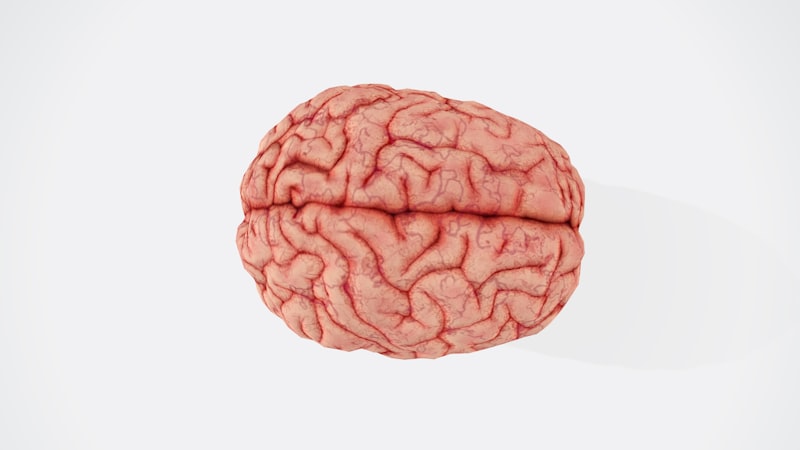
The neural control of speech is distributed across a network of cortical and subcortical structures, transforming the linguistic plan into precise motor commands. The primary areas responsible for speech motor programming are located in the left hemisphere of the brain. Broca’s area, traditionally associated with language production, plays a crucial role in sequencing the motor movements and integrating the grammatical structure with the phonetic plan. Damage to this area often results in non-fluent aphasia, where speech is effortful and output is impaired, even though comprehension may be intact.
Once the motor plan is finalized, signals are sent down the motor pathways. The primary motor cortex (M1) contains the motor homunculus, with a large representation dedicated to the face, tongue, and larynx, reflecting the complexity of these structures. M1 executes the final muscle commands, transmitting them via the corticobulbar tract to the cranial and spinal nerves that innervate the respiratory, laryngeal, and articulatory muscles. These signals must be perfectly timed to ensure synchronization between breathing, voicing, and articulation.
Subcortical structures provide essential modulatory control. The cerebellum is vital for the coordination, timing, and smooth execution of rapid movements, acting as a crucial error-correction mechanism. Damage to the cerebellum leads to ataxic dysarthria, characterized by irregular articulation, abnormal rhythm, and poor coordination. Similarly, the basal ganglia play a key role in the initiation, scaling, and intensity of movements, affecting the overall fluency and rate of speech. The intricate relationship between these cortical and subcortical systems highlights that speech production is fundamentally a complex motor skill, highly dependent on integrated neural circuitry.
Disorders of Speech Production
Breakdowns in the speech production system can occur at various levels, leading to distinct categories of speech disorders. These disorders offer critical insights into the normal functioning of the underlying physiological and neurological processes. They are generally categorized based on whether the deficit lies in the motor planning (programming) or the motor execution (neuromuscular control).
Disorders of motor planning primarily include Apraxia of Speech (AOS). AOS is a neurological impairment in the ability to program the required movements for speech, despite the absence of significant muscle weakness. Individuals with AOS often exhibit effortful, trial-and-error articulation, inconsistent error patterns (the same word might be produced differently each time), and difficulty initiating speech. This condition highlights the role of the left hemisphere in translating the abstract phonetic code into a concrete sequence of motor targets.
Disorders of motor execution are grouped under the umbrella term Dysarthria, which results from damage to the central or peripheral nervous system pathways controlling the muscles of speech. Dysarthrias affect the strength, speed, range, steadiness, tone, or accuracy of the speech movements. Examples include:
- Flaccid Dysarthria: Caused by damage to the lower motor neurons, resulting in muscle weakness, reduced respiratory drive, and breathy voice quality.
- Spastic Dysarthria: Caused by bilateral upper motor neuron damage, leading to muscle hypertonicity, slow rate, and a strained-strangled voice.
- Hypokinetic Dysarthria: Often associated with Parkinson’s disease, characterized by reduced range of motion, fast or rushed speech rate, and reduced vocal loudness.
The clinical study of these disorders not only provides diagnostic pathways for treatment but also continuously refines theoretical models of how the neural, respiratory, and articulatory systems must coordinate to achieve normal, intelligible speech output. The maintenance of high-quality speech production requires the lifelong integrity of all components, from the highest levels of linguistic thought down to the minute cellular functions of the muscle fibers.