Spinal Shock: The Body’s Silent Psychological Freeze
Scientifically Reviewed · Dr. Marwa Abd-Alazim · October 23, 2026
Review Criteria & Clinical Standards
This content undergoes rigorous scientific peer-review and medical editorial standards at Arab Psychology Network to ensure clinical accuracy, validity, and compliance with evidence-based guidelines from leading psychological and healthcare authorities (APA / WHO).
The Core Definition of Spinal Shock
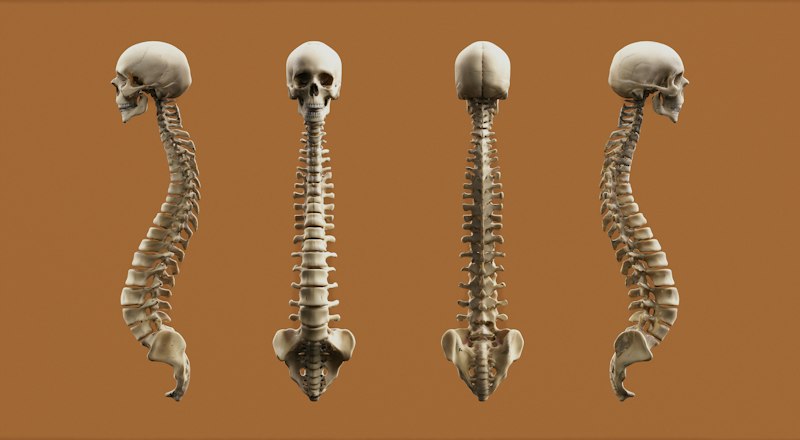
Spinal shock is defined as a temporary, acute state characterized by the complete loss of all neurologic function, including motor, sensory, and autonomic control, occurring immediately below the level of a spinal cord injury (SCI). This dramatic cessation of function is most commonly observed following severe trauma, such as contusions, compression, or transection of the spinal cord. The condition is fundamentally temporary, differentiating it from the chronic deficits associated with permanent injury. Clinically, spinal shock manifests initially as flaccid paralysis, where muscles are limp and unresponsive, accompanied by areflexia—the total absence of spinal reflexes, including deep tendon reflexes and superficial reflexes, such as the bulbocavernosus reflex. The duration of this phase can vary significantly among patients, typically lasting anywhere from 24 hours to several weeks, although the eventual return of reflexes signals the end of the true shock phase.
The fundamental mechanism underlying spinal shock is the sudden withdrawal of supraspinal facilitation. The spinal cord below the injury site is deprived of continuous excitatory input that normally descends from the brainstem and higher centers. This descending input maintains the resting excitability of the spinal motor neurons and interneurons. When these descending tracts are suddenly interrupted by trauma, the local spinal circuits go into a state of profound depression or electrical silence. This sudden deafferentation leads to decreased excitability of the lower motor neuron pools, resulting in the characteristic flaccidity and areflexia. Understanding this principle is crucial because the return of reflexes marks the transition from the acute phase of spinal shock to the chronic phase of SCI, often associated with the development of spasticity and hyperreflexia as the spinal circuits attempt to compensate for the loss of descending modulation.
Beyond the somatic nervous system, spinal shock profoundly affects the Autonomic Nervous System (ANS), particularly if the injury occurs at the thoracic level or higher. The sudden loss of sympathetic input from the T1-L2 segments results in vasodilation below the injury, leading to significant drops in blood pressure (hypotension) and, often, a decrease in heart rate (bradycardia), a condition sometimes referred to separately as neurogenic shock. Furthermore, the patient experiences severe disturbances in thermoregulation, as the body loses the ability to constrict blood vessels or initiate sweating below the lesion, making it challenging to maintain internal body temperature homeostasis. These autonomic disturbances contribute significantly to the mortality and morbidity risk immediately following the initial trauma.
Historical Perspective and Key Researchers
The phenomenon of spinal shock has been recognized in medical literature for centuries, though its understanding evolved slowly from simple observation to detailed neurophysiology. Early anatomical descriptions of the spinal cord and its functions date back to the 17th century. The English physician and anatomist, Thomas Willis, a pioneer in neurology, made some of the earliest observations regarding the functional deficits following spinal injury. However, the classic, detailed description that forms the basis of modern understanding is credited to the English physiologist Marshall Hall in the 19th century. Hall systematically studied reflex action and coined the term “spinal shock” in 1841 after noting the temporary cessation of all reflex activity below the injury site in animals following experimental spinal transection.
Marshall Hall’s work was instrumental in distinguishing between the immediate, temporary loss of function (spinal shock) and the permanent deficits caused by the structural damage itself. He correctly hypothesized that the spinal cord possessed its own centers for reflex action, but that these centers required tonic excitation from higher brain centers to function effectively. When the connection was severed, the local reflex centers were temporarily stunned. Later 20th-century research, particularly by Sir Charles Sherrington, refined the understanding of the reflex arc and synaptic mechanisms, providing the physiological framework necessary to explain why the loss of descending tracts leads to initial depression before hyperexcitability takes over. These experiments highlighted the dependence of spinal neurons on constant modulation from the brain.
Modern research, particularly in the late 20th century, focused on the underlying molecular mechanisms, moving beyond gross physiology. Researchers like Ditunno and others developed the standardized staging system for spinal shock recovery, relying on the reappearance of specific reflexes, especially the bulbocavernosus reflex (BCR). This historical progression—from initial clinical observation by Willis, through Hall’s naming and description, to Sherrington’s physiological insights, and finally to modern staging systems—illustrates the scientific effort required to understand this complex neurological event and provides essential tools for clinical assessment and prognosis in trauma centers worldwide.
The Four Stages of Spinal Shock Recovery
The recovery from spinal shock is not a single, abrupt event but a gradual, sequential process marked by the return and eventual exaggeration of spinal reflex activity. This recovery is typically categorized into four distinct stages, which are primarily defined by the state of reflex activity below the level of the injury. This staging system provides clinicians with a standardized method for tracking recovery and predicting long-term outcomes. The fundamental physiological change driving these stages is the denervation supersensitivity of the lower motor neuron receptors as they attempt to compensate for the lost input from above the injury site.
The four stages are differentiated based on the pattern of reflex return:
-
Stage 1: Areflexia/Flaccidity (0 to 24 hours). This is the classic phase of spinal shock, characterized by complete areflexia and flaccid paralysis. All somatic and autonomic reflexes below the lesion are absent. Physiologically, this stage reflects the immediate cessation of descending neural activity and the hyperpolarization of spinal neurons. The duration of this stage is often used to confirm the diagnosis of spinal shock, and the absence of the bulbocavernosus reflex (BCR) is a key clinical finding.
-
Stage 2: Early Reflex Return (1 to 3 days). In this phase, the initial, polysynaptic spinal reflexes begin to reappear, often starting with the bulbocavernosus reflex, followed by other deep tendon reflexes. The return of the BCR is often considered the clinical marker signaling the end of true spinal shock. The physiological basis involves the beginning of synaptic functional recovery in the spinal cord and early changes in receptor sensitivity due to the absence of neurotransmitter release from supraspinal sources.
-
Stage 3: Hyperreflexia Onset (1 to 4 weeks). This stage is characterized by the return of mononysaptic reflexes and the early signs of hyperreflexia. The lower motor neurons and interneurons below the lesion begin to exhibit significant hyperexcitability due to the upregulation of excitatory receptors (such as NMDA receptors) and changes in the intrinsic properties of the spinal cord circuits. Clinically, extensor plantar responses and mild spasticity may be observed as the spinal cord circuits become overly responsive to even minimal sensory input.
-
Stage 4: Chronic Hyperreflexia (1 to 12 months and beyond). This final stage involves the establishment of permanent hyperreflexia and the development of chronic spasticity. The motor neurons are now fully hyper-responsive, leading to sustained muscle rigidity and exaggerated tendon jerks. This chronic state reflects the long-term structural and functional reorganization of the isolated spinal cord segments, which have adapted to function entirely without descending modulation, resulting in pathologically heightened reflex responses. This stage defines the chronic phase of the spinal cord injury.
Practical Illustration
To fully grasp the temporary nature and progressive recovery associated with spinal shock, consider the case of Joe, a 45-year-old man who sustained a severe thoracic spinal cord injury (SCI) in a motor vehicle accident. Immediately following the injury, Joe’s legs and lower trunk were completely immobile, exhibiting the classic signs of spinal shock. A clinical examination revealed a complete loss of sensation below the injury site and, crucially, no evidence of any reflex activity, confirming he was in Stage 1. His blood pressure was dangerously low (hypotension), a hallmark of the associated autonomic dysfunction, which required immediate medical stabilization.
The application of the psychological principle, in this case, the neurophysiological principle of spinal shock, is demonstrated through the tracking of Joe’s recovery steps:
-
Initial Assessment (Stage 1): For the first 36 hours, Joe presented with total flaccid paralysis. When the physician attempted to elicit the patellar reflex or ankle jerk, there was absolutely no response. This is due to the severe depression of the spinal neurons below the level of the trauma, which are cut off from necessary brain inputs. This period requires careful monitoring of vital signs due to the risk of neurogenic shock.
-
The End of Shock (Stage 2): Approximately three days post-injury, the physical therapist noted a faint, isolated twitch in Joe’s toe during a reflex check. More significantly, the bulbocavernosus reflex (BCR), a short polysynaptic reflex, returned. This signaled the transition out of Stage 1. This return of reflexes indicates that the spinal segments are beginning to recover their intrinsic excitability, even without the brain’s influence.
-
Developing Spasticity (Stages 3 and 4): Over the next four weeks, Joe’s flaccidity was gradually replaced by increased muscle tone, and eventually, his deep tendon reflexes became hyperactive (hyperreflexia). A slight touch on his knee could elicit an exaggerated, uncontrolled kick. This progression into spasticity (Stage 4) confirms that the spinal shock phase has concluded and that the isolated spinal segments have developed denervation supersensitivity, becoming overly excitable due to the permanent loss of inhibitory descending input.
Significance and Impact
Spinal shock holds immense significance in the fields of clinical neurology, emergency medicine, and rehabilitation psychology, primarily because it dictates both immediate acute care management and long-term functional prognosis. Clinically, the concept is vital for accurately assessing the extent of a spinal cord injury (SCI). A patient diagnosed with an “incomplete” SCI must show some preservation of function below the injury level *after* spinal shock has resolved. If no function returns after the reflexes reappear, the injury is classified as “complete.” Thus, the resolution of spinal shock is the critical time marker used by medical professionals to determine the definitive neurological classification of the injury according to the American Spinal Injury Association (ASIA) standards.
Furthermore, understanding spinal shock is paramount for managing the associated autonomic instability. The profound hypotension and bradycardia resulting from the loss of sympathetic tone (often termed neurogenic shock) require specific pharmacological interventions, such as vasopressors, which are distinct from those used for hemorrhagic shock. In the psychological and rehabilitation context, the patient must be prepared for the transition from flaccid paralysis to spasticity. Patients often find the onset of spasticity confusing and distressing, mistaking it for functional recovery when it is, in fact, a pathological reflex activity. Rehabilitation psychologists use the staging of spinal shock to educate patients and families, setting realistic expectations about the recovery trajectory and preparing them for the long-term management of muscle tone changes.
The long-term impact of spinal shock resolution shapes the entire rehabilitation plan. Once Stage 4 is reached, physical and occupational therapists focus on mitigating the negative effects of chronic hyperreflexia, which can interfere with functional tasks, mobility, and hygiene. Treatments such as baclofen, botulinum toxin injections, and specialized physical therapy protocols are deployed to manage spasticity, highlighting the concept’s ongoing relevance long after the acute trauma has passed. The initial period of spinal shock is a period of diagnostic uncertainty, but its resolution is the turning point that guides all subsequent therapeutic decisions.
Connections and Relations
Spinal shock exists within the broader category of **Neuropsychology** and **Clinical Neurology**, specifically falling under the study of traumatic central nervous system injuries and the resulting functional reorganization. While often discussed in isolation, it is intimately connected to several other key physiological and clinical concepts.
The most immediate clinical relation is the distinction between spinal shock and Neurogenic Shock. While both can occur simultaneously following a high-level SCI (T6 or above), they describe different systems. Spinal shock refers exclusively to the loss of somatic and reflex function within the spinal cord segments. Neurogenic shock, conversely, describes the hemodynamic instability—severe hypotension and bradycardia—caused by the loss of descending sympathetic control over the vasculature. Managing the cardiovascular collapse of neurogenic shock is a life-saving priority in the acute phase, running concurrently with the resolution of spinal shock’s flaccidity.
Furthermore, spinal shock is directly related to the concept of **Diaschisis**, a term describing a sudden functional depression in brain regions distant from a focal injury, caused by the loss of input from the damaged area. Spinal shock is essentially a form of spinal diaschisis—the functional depression of the spinal cord segments below the lesion due to the abrupt interruption of descending excitatory tracts. Finally, the resolution of spinal shock leads directly into the chronic condition of **Spasticity**. Spasticity is the final, permanent state of heightened muscle tone and exaggerated reflexes that results from the denervation supersensitivity that develops in Stages 3 and 4. Thus, spinal shock is viewed as the temporary, acute precursor to the chronic, permanent neurological state of spasticity in patients with severe SCIs.