Motor Coordination: The Science of Fluid Movement
Scientifically Reviewed · Dr. Marwa Abd-Alazim · August 31, 2026
Review Criteria & Clinical Standards
This content undergoes rigorous scientific peer-review and medical editorial standards at Arab Psychology Network to ensure clinical accuracy, validity, and compliance with evidence-based guidelines from leading psychological and healthcare authorities (APA / WHO).
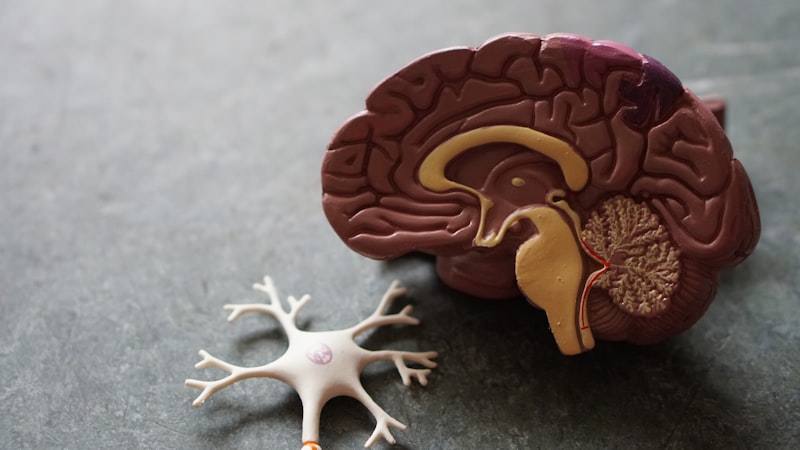
The spinocerebellar tract is a major nerve tract in the human body, fundamentally integral to maintaining posture, coordinating movement, and ensuring precise execution of motor commands. This crucial pathway acts as an essential communication link, relaying critical, high-fidelity sensory information originating from the periphery—specifically the muscles, tendons, and joints—upward through the spinal cord and terminating in the cerebellum. The cerebellum utilizes this constant stream of afferent data, known as unconscious proprioception, to monitor and adjust ongoing movements in real-time, functioning entirely outside of conscious awareness. This intricate system allows for smooth, coordinated actions, enabling complex tasks such as walking, balancing, and manipulation of objects without requiring constant cortical oversight. A defining characteristic of this system is its commitment to rapid transmission, utilizing few intervening synapses to ensure minimal delay in feedback loops necessary for dynamic stability. The integrity of the spinocerebellar system is paramount; disruption at any point along its course can lead to debilitating motor deficits, collectively categorized as various forms of ataxia, demonstrating the indispensable nature of this sensory-motor feedback mechanism.
Introduction to the Spinocerebellar Tract
The primary function of the spinocerebellar tract (SCT) is to convey detailed, non-conscious proprioceptive feedback from the somatic body wall and limbs directly to the cerebellar cortex. This sensory input is distinct from conscious proprioception, which travels via the dorsal column-medial lemniscus pathway and reaches the somatosensory cortex for conscious awareness of limb position. In contrast, the SCT provides the cerebellum with the necessary raw data concerning muscle stretch, tension, and joint angles, allowing the cerebellum to continuously compare the intended movement generated by the motor cortex with the actual position and velocity of the limbs. This comparison mechanism is the foundation of motor error correction, which ensures that movements are executed accurately and smoothly, adjusting muscle tone and synergy throughout the action. The fibers that constitute the SCT are typically large-diameter, heavily myelinated axons, optimized for maximum conduction velocity, a necessity given the requirement for instantaneous feedback in dynamic situations.
The organizational principle of the SCT is characterized by its division into multiple, functionally specialized sub-tracts, each dedicated to carrying specific types of information from defined regions of the body. These tracts collectively form a highly efficient system, ensuring comprehensive coverage of the body’s mechanical status. The nerve fibers originate in the sensory ganglia, enter the spinal cord, and synapse onto second-order neurons within the gray matter, which then form the ascending tracts. These tracts ascend along the lateral and ventral funiculi of the spinal cord, maintaining a precise somatotopic organization. This structural arrangement means that information from the lower limbs is spatially separated yet functionally linked with information from the upper limbs, allowing the cerebellum to process regional feedback independently while integrating it into a cohesive whole for global motor control. The reliability and speed of this transmission pathway underscore its evolutionary importance for complex locomotion and posture maintenance.
Furthermore, the spinocerebellar system is not merely a one-way street of sensory information; it also plays an indirect role in modulating descending motor commands. By providing the cerebellum with comprehensive information about the current state of the effector organs, the cerebellum is able to send corrective signals back to the motor cortex and brainstem nuclei. These signals ultimately refine the output of the pyramidal and extrapyramidal systems, fine-tuning muscle activation patterns before, during, and after movement execution. Therefore, the tract’s significance extends far beyond simple sensation; it is a critical component of the body’s internal feedback control loop, integral to motor learning and the automation of skilled movements. The clinical implication of this role is significant, as damage to the SCT often manifests not as paralysis or weakness, but as a profound inability to coordinate voluntary actions, highlighting the tract’s role as the indispensable coordinator of motion.
Anatomical Classification and Primary Function
The spinocerebellar system is typically divided into four principal tracts, distinguishable by their origin, termination, and whether they cross the midline (decussate). These four tracts are the Posterior Spinocerebellar Tract (PSCT), the Anterior Spinocerebellar Tract (ASCT), the Cuneocerebellar Tract (CCT), and the Rostral Spinocerebellar Tract (RSCT). The posterior and anterior tracts primarily relay information concerning the lower body and trunk, while the cuneocerebellar and rostral tracts handle inputs from the upper limbs and neck. This division reflects a clear somatotopic organization maintained throughout the spinal cord and into the cerebellum, specifically targeting different areas of the cerebellar cortex, often entering via the inferior or superior cerebellar peduncles, respectively. The PSCT and CCT are generally considered the high-fidelity tracts, carrying highly detailed information necessary for precise limb localization and fine motor control, often remaining ipsilateral throughout their course.
In contrast, the ASCT and RSCT are often described as conveying lower-fidelity, or perhaps better described as interneuronal, information. While they still carry proprioceptive data, they also relay information about the activity of spinal interneurons and descending motor pathways, providing the cerebellum with a snapshot of the ongoing motor commands being executed by the spinal cord itself, rather than just the resultant mechanical state of the muscle. This distinction is crucial for the cerebellum to assess the effectiveness of the descending motor signals and adjust muscle synergy accordingly. The complexity of the ASCT, which involves double decussation (crossing the midline twice), contrasts sharply with the purely ipsilateral path of the PSCT, illustrating the nuanced anatomical strategies employed to deliver different functional classes of feedback to the cerebellar hemispheres. Understanding these differential pathways is essential for localizing lesions in neurological diagnoses.
The termination points of these tracts in the cerebellum are specific: the PSCT and CCT primarily terminate in the vermis and intermediate zone of the anterior lobe, regions known for controlling posture and limb movements. The ASCT tends to project more widely within the cerebellar cortex. The functional purpose remains consistent across all four tracts: to provide the cerebellum with the necessary data to perform its central roles, which include motor learning, error correction, and the maintenance of balance and equilibrium. Without the continuous, rapid input supplied by the SCT, the cerebellum would be operating blindly, unable to modulate the timing, force, and range of movements, resulting in gross incoordination. Therefore, the anatomical segregation into four specialized tracts ensures that the cerebellum receives a complete, timely, and regionally accurate picture of the body’s mechanical status at all times, critical for the sophisticated demands of human locomotion and dexterity.
The Posterior Spinocerebellar Tract (PSCT)
The Posterior Spinocerebellar Tract (PSCT), also known as the Dorsal Spinocerebellar Tract, is responsible for transmitting detailed proprioceptive information primarily from the lower limbs and the lower half of the trunk. This tract is characterized by its high fidelity, meaning the information relayed is highly specific and accurate regarding individual muscle length, tension, and joint position. The pathway begins when primary afferent fibers from muscle spindles and Golgi tendon organs enter the spinal cord, synapsing onto second-order neurons located in the nucleus dorsalis, commonly referred to as Clarke’s nucleus or Clarke’s column. This nucleus is located in the medial aspect of the intermediate zone (lamina VII) and typically spans from the T1/T2 segment down to the L2/L3 segment of the spinal cord. Information originating below L3 must first ascend via the dorsal columns until it reaches Clarke’s nucleus, where the synapse occurs, thus ensuring all lower body proprioception converges at this specific relay station.
A defining anatomical characteristic of the PSCT is its predominantly ipsilateral course. After synapsing in Clarke’s nucleus, the second-order neurons immediately ascend in the dorsolateral funiculus of the spinal cord, situated superficially near the lateral corticospinal tract. Critically, these fibers do not cross the midline at any point during their ascent through the spinal cord. This ipsilateral arrangement means that proprioceptive information from the right leg is relayed entirely up the right side of the spinal cord, entering the cerebellum through the inferior cerebellar peduncle to terminate in the ipsilateral cerebellar hemisphere (specifically the vermis and intermediate zone). This direct, non-crossing pathway minimizes synaptic delay and ensures that the corrective signals generated by the cerebellum remain on the same side as the limb being controlled, adhering to the principle of ipsilateral cerebellar control over movement.
The functional implications of the PSCT’s anatomy are profound. Because the tract carries highly detailed information about the mechanical state of the muscles and joints, it is essential for executing automatic movements, maintaining upright posture, and correcting balance perturbations. For instance, when a person stands or walks, the PSCT constantly feeds data about the degree of stretch in the leg muscles and the angle of the knee and ankle joints. The cerebellum uses this detailed map to make micro-adjustments to muscle tone and timing, maintaining equilibrium without conscious intervention. Damage specifically affecting Clarke’s nucleus or the PSCT itself typically results in a sensory ataxia characterized by a wide-based, clumsy gait, often worsened when visual cues are removed, although this sensory ataxia primarily relates to the loss of unconscious feedback rather than conscious proprioception.
The Anterior Spinocerebellar Tract (ASCT)
The Anterior Spinocerebellar Tract (ASCT), also known as the Ventral Spinocerebellar Tract, contrasts significantly with the PSCT, both structurally and functionally. While the PSCT focuses on precise mechanical status, the ASCT conveys information regarding the activity of interneurons and motor circuits within the lumbosacral spinal cord, effectively informing the cerebellum about the level of excitation and inhibitory processes occurring in the motor pools that control the lower limbs. This tract originates from neurons located primarily in the spinal cord laminae V, VI, VII, and VIII, spanning the lower thoracic to the sacral segments. These second-order neurons receive input not only from peripheral proprioceptors but also extensively from descending motor pathways and local reflex circuits, making the ASCT a relay for efference copy—the internal representation of motor commands—rather than purely primary sensory data.
The most distinctive anatomical feature of the ASCT is its trajectory involving a double decussation. The axons of the second-order neurons cross the midline almost immediately upon formation in the spinal cord, ascending primarily in the contralateral ventrolateral funiculus. As the tract ascends, it continues rostrally through the brainstem until it reaches the midbrain level. At this point, the fibers enter the cerebellum, predominantly via the superior cerebellar peduncle. However, just before or upon entering the cerebellum, these fibers cross the midline a second time, effectively returning to the original side of the body where the sensory input originated. This complex double-crossing mechanism ensures that the information ultimately reaches the ipsilateral cerebellar hemisphere, maintaining the principle of ipsilateral control, despite the circuitous route taken.
Functionally, the ASCT is hypothesized to play a crucial role in coordinating synergistic muscle groups during complex, cyclical movements such as walking or running. Because the ASCT transmits information about the overall state of the spinal cord motor circuits—including the activity of central pattern generators (CPGs) for locomotion—it provides the cerebellum with the context necessary to modulate the timing and amplitude of these rhythmic movements. The cerebellum uses this interneuronal feedback to refine the output of the spinal circuits, ensuring smooth transitions between phases of movement, such as the swing and stance phases of gait. Lesions affecting the ASCT are less common in isolation than those affecting the PSCT, but when damaged, they contribute significantly to severe gait ataxia and dyssynergia, demonstrating the importance of this efference-copy feedback loop for automated motor execution.
Accessory Tracts: Cuneocerebellar and Rostral SCTs
To ensure complete proprioceptive coverage of the entire body, the spinocerebellar system includes specialized accessory tracts dedicated to the upper limbs, neck, and upper trunk. The Cuneocerebellar Tract (CCT) serves as the functional equivalent of the PSCT for the upper extremity, carrying high-fidelity, detailed proprioceptive information from the arm, forearm, hand, and upper thorax. Since Clarke’s nucleus terminates around T1/T2, a different relay center is required for upper limb input. The primary afferents from the upper extremity proprioceptors travel up the dorsal columns (specifically the fasciculus cuneatus) and synapse onto second-order neurons located in the accessory cuneate nucleus, found in the caudal medulla. Similar to the PSCT, the CCT maintains an entirely ipsilateral course. These second-order axons enter the cerebellum via the inferior cerebellar peduncle, projecting to the ipsilateral hemisphere. The precision of the CCT is vital for fine motor skills, object manipulation, and maintaining balance by coordinating arm movements with trunk stability.
The second accessory pathway, the Rostral Spinocerebellar Tract (RSCT), is considered the functional analogue of the ASCT for the upper body. The RSCT relays interneuronal activity and proprioceptive feedback from the upper limbs and cervical spinal segments. Unlike the CCT, which is dedicated to high-fidelity mechanical data, the RSCT provides the cerebellum with context about the ongoing motor commands and the state of the spinal interneurons controlling the arm and shoulder girdle. The origin of the RSCT is less precisely defined than the PSCT, but it generally arises from neurons within the cervical and upper thoracic segments. Crucially, the RSCT fibers also primarily travel ipsilaterally, entering the cerebellum mainly through the inferior cerebellar peduncle, though some fibers may use the superior peduncle. The RSCT’s ipsilateral path contrasts with the ASCT’s double decussation, highlighting regional differences in how motor feedback loops are organized within the spinal cord.
The combined action of the CCT and RSCT ensures that the cerebellum has continuous, detailed, and context-rich information regarding the mechanical position and motor control status of the entire upper half of the body. The CCT provides the static precision necessary for skilled movements, while the RSCT provides the dynamic context of ongoing motor commands. A complex interplay between these four major tracts—PSCT, ASCT, CCT, and RSCT—allows the cerebellum to generate a unified, instantaneous model of the body’s mechanical state relative to the intended movement. Disruption of the accessory tracts, such as through cervical spinal cord injury or medullary lesions affecting the accessory cuneate nucleus, results in marked ataxia and incoordination specifically affecting the arm and hand, severely impairing activities of daily living that require fine motor control and stability.
Sensory Input Mechanisms: Proprioception and Receptors
The information transmitted by the spinocerebellar tracts is fundamentally sourced from specialized encapsulated sensory receptors located within the muscles, tendons, and joint capsules, collectively known as proprioceptors. The two most critical peripheral receptors feeding the SCT are the muscle spindles and the Golgi tendon organs (GTOs). Muscle spindles, situated parallel to the extrafusal muscle fibers, are highly sensitive to changes in muscle length and the rate of change of length (stretch velocity). They are innervated by large diameter Ia and II afferent fibers. When a muscle is stretched, the spindle fires, sending signals up the spinal cord via the PSCT and CCT, providing the cerebellum with immediate, detailed feedback on the current length and velocity of the stretch. This information is vital for maintaining appropriate muscle tone and preventing excessive stretch.
Conversely, the Golgi tendon organs are located in the musculotendinous junction, situated in series with the extrafusal muscle fibers. The GTOs are innervated by Ib afferent fibers and function as tension monitors, responding primarily to the force generated by muscle contraction. When the muscle contracts forcefully, the GTOs are stretched and activated, sending signals that reflect the magnitude of the force being exerted. This tension feedback is crucial for preventing excessive force generation that could lead to injury, and for providing the cerebellum with data on the effectiveness of a motor command. By integrating input from both spindles (length/velocity) and GTOs (tension/force), the spinocerebellar tracts provide the cerebellum with a complete mechanical profile of the muscle-tendon unit, enabling exceptionally precise motor regulation and adjustment.
Beyond the muscle spindles and GTOs, joint receptors also contribute afferent input, particularly those located within the joint capsules and ligaments, which signal joint position and movement range. These receptors, alongside cutaneous receptors sensitive to pressure and touch, contribute subsidiary information that is processed along with the primary proprioceptive signals before being relayed via the SCTs. The integration of these diverse sensory inputs occurs at the level of the second-order neurons (e.g., Clarke’s nucleus), where complex summation and filtering take place. This ensures that the information delivered to the cerebellum is not merely raw sensory data, but a highly processed, synthesized signal reflecting the total mechanical state of the body segment. The high degree of myelination and large diameter of the afferent fibers (Ia and Ib) ensure that this critical proprioceptive information is among the fastest signals relayed in the nervous system, essential for the instantaneous adjustments required for balance and dynamic posture control.
Clinical Relevance and Ataxia
The clinical relevance of the spinocerebellar tract is most prominently demonstrated by the syndrome of ataxia, which literally means a lack of order or coordination. Damage to the SCT, or to the cerebellar structures it projects to, results in gait instability, impaired coordination of limb movements (dysmetria), and difficulties with balance. When the damage specifically affects the sensory input pathways—the PSCT or CCT—the resulting condition is often classified as sensory ataxia. This is characterized by a reliance on visual cues to maintain balance; patients with sensory ataxia can often compensate when their eyes are open, but their instability dramatically worsens when they close their eyes, a phenomenon tested by the Romberg sign. The inability to use non-conscious proprioceptive feedback forces the patient to rely on the conscious visual system to monitor limb position, a substitution that is inadequate for fine motor control.
Lesions causing SCT dysfunction can arise from various etiologies, including vascular incidents (stroke), trauma, compression (tumors), demyelinating diseases (like multiple sclerosis), or nutritional deficiencies (e.g., Vitamin E deficiency, which preferentially affects the posterior columns and spinocerebellar tracts). Furthermore, inherited disorders known as the Spinocerebellar Ataxias (SCAs) form a large and complex group of progressive neurodegenerative diseases. These genetic disorders involve the gradual decay and loss of neurons within the spinal cord tracts, brainstem nuclei (like Clarke’s nucleus and the accessory cuneate nucleus), and the cerebellar cortex itself. As the tracts degenerate, the flow of proprioceptive information becomes corrupted or ceases entirely, leading to relentlessly worsening incoordination, dysarthria (slurred speech), and nystagmus (involuntary eye movements), reflecting the widespread impact of cerebellar system failure.
The specific pattern of ataxia often helps clinicians localize the site of the lesion. For example, damage to the lateral funiculus of the spinal cord, where the PSCT and ASCT ascend, typically causes ipsilateral ataxia of the trunk and lower limbs. If the lesion affects the dorsal columns and associated nuclei in the brainstem, upper limb sensory ataxia (CCT involvement) may also be prominent. In all cases of SCT dysfunction, the resulting incoordination is characterized by movements that are jerky, poorly timed, and executed with incorrect force and range, demonstrating the failure of the cerebellar comparator mechanism. The cerebellum, lacking accurate sensory feedback from the SCT, cannot effectively compare the motor plan with the motor outcome, leading to the characteristic overshooting or undershooting of targets known as dysmetria.
Pathophysiology and Diagnostic Considerations
The pathophysiology underlying SCT dysfunction often involves the selective vulnerability of large, heavily myelinated neurons and their long axons. In conditions like Friedreich’s Ataxia (FRDA), the most common hereditary ataxia, the mutation causes mitochondrial dysfunction, leading to severe degeneration of the dorsal root ganglia neurons, the posterior columns, and crucially, the cells of Clarke’s nucleus. This results in profound loss of proprioceptive input to the cerebellum via the PSCT and CCT. The pattern of degeneration in FRDA often highlights the high metabolic demand and oxidative stress susceptibility of these long, fast-conducting tracts, leading to their early demise and the subsequent severe sensory ataxia affecting the limbs.
Diagnosis of spinocerebellar tract involvement relies on a combination of clinical examination, neuroimaging, and genetic testing. The presence of a positive Romberg sign strongly suggests involvement of the sensory pathways (SCT or dorsal columns). Coordination tests, such as the heel-to-shin test and finger-to-nose test, reveal the characteristic dysmetria. Neuroimaging, particularly Magnetic Resonance Imaging (MRI), is used to visualize atrophy or lesions within the spinal cord and cerebellum. In many hereditary ataxias, MRI demonstrates cerebellar atrophy, particularly of the superior vermis, and thinning of the spinal cord. Electrophysiological studies, such as nerve conduction velocities and somatosensory evoked potentials (SSEPs), can confirm the slowing or absence of signal transmission along these major sensory pathways, providing objective evidence of tract damage.
Management of SCT-related ataxia remains largely supportive, focusing on physical and occupational therapy to maximize residual function and teach compensatory strategies, particularly reliance on visual feedback. Ongoing research, especially into the genetic mechanisms of SCAs, offers hope for future disease-modifying therapies, such as gene therapy or pharmacological interventions aimed at mitigating mitochondrial dysfunction or compensating for protein deficiencies. Given the crucial role of the SCT in integrating motion and sensation, maintaining the integrity of these pathways is fundamental to preserving motor independence and quality of life for patients affected by these debilitating neurological disorders.