Spontaneous Alternation: Why Your Brain Craves Novelty
Scientifically Reviewed · Dr. Marwa Abd-Alazim · August 23, 2026
Review Criteria & Clinical Standards
This content undergoes rigorous scientific peer-review and medical editorial standards at Arab Psychology Network to ensure clinical accuracy, validity, and compliance with evidence-based guidelines from leading psychological and healthcare authorities (APA / WHO).
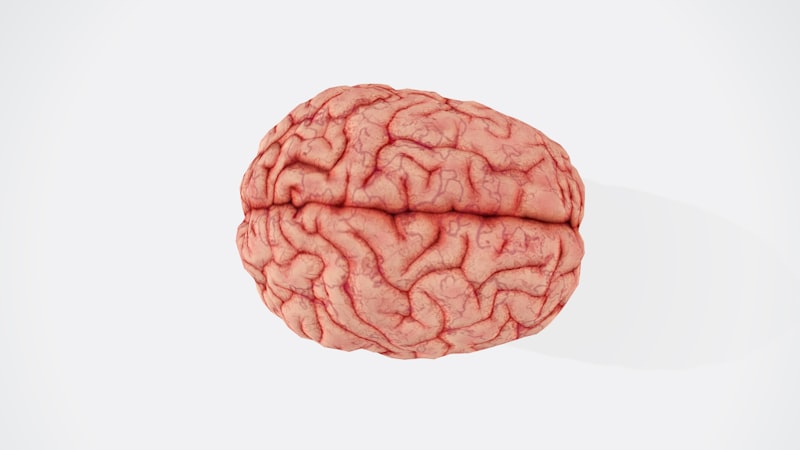
SPONTANEOUS ALTERNATION
Spontaneous Alternation (SA) is a fundamental concept in behavioral neuroscience and psychology, describing an instinctive and successive alternation of responses between discrete alternatives in a situation requiring choice. This innate exploratory behavior is characterized by an organism’s tendency to choose a novel arm or location in a testing apparatus, demonstrating a reliance on short-term spatial memory without external reinforcement or explicit training. Unlike tasks that rely on conditioning mechanisms involving reward or punishment, spontaneous alternation is driven primarily by an intrinsic exploratory or novelty-seeking drive, making it a powerful and efficient tool for assessing working memory and spatial cognition in animal models, particularly rodents.
The classic demonstration of spontaneous alternation often involves placing an animal, typically a rat or mouse, within a maze structure, such as a T-maze or Y-maze. If the animal previously visited the left arm of the maze on the first trial, it exhibits a statistically significant tendency to select the right arm on the subsequent trial, and then the left arm again on the third trial, illustrating a rhythmic, non-random sequence of choices. This behavior is considered “spontaneous” because the animal is not trained or rewarded for alternating its choice; the alternation rate significantly exceeds the 50% chance level, often reaching 70% to 90% in healthy, young subjects.
The measurement of spontaneous alternation provides critical insight into the integrity of the neural circuits responsible for immediate spatial recall. The core requirement for successful alternation is that the animal must recognize the spatial location it has just explored and use that information to guide its next choice toward the unvisited arm. Therefore, a high percentage of alternation is interpreted as evidence of intact working memory—the cognitive system that temporarily holds and manipulates information necessary for immediate tasks—and strong exploratory motivation. Conversely, failure to alternate is often indicative of cognitive impairment, suggesting a breakdown in the memory trace of the previous visit or a deficit in novelty detection capabilities.
Historical Context and Discovery
The study of spontaneous alternation emerged from early twentieth-century investigations into innate animal behavior and exploratory drives, moving beyond the simple stimulus-response models that dominated initial behavioral psychology. Early observations noted that animals, particularly rodents navigating complex environments, rarely engaged in repetitive, monotonous behavior unless forced by reinforcement schedules. Researchers began to hypothesize that an intrinsic drive to explore and gather information about the environment was a key component of survival and learning.
A significant formalization of this behavior came in the mid-1920s, paving the way for standardized testing. These foundational studies recognized that the tendency to switch choices was systematic and robust, suggesting it was more than mere randomness or motor fatigue. Initially, the behavior was sometimes framed within theories of ‘reactive inhibition’ or ‘satiation,’ proposing that the sheer act of performing a response (entering an arm) temporarily inhibited the likelihood of repeating that same response. However, subsequent research shifted the focus from motor response inhibition to spatial memory and novelty preference.
By the latter half of the 20th century, spontaneous alternation became intrinsically linked to the rapidly developing field of neurobiology, particularly following discoveries concerning the functions of the limbic system. As researchers began to systematically lesion specific brain regions in rodents, they observed that damage to the hippocampus—a structure already implicated in spatial navigation and episodic memory—led to dramatic and consistent deficits in alternation performance. This established spontaneous alternation as a premier, rapid, and non-reinforced behavioral assay for hippocampal function, solidifying its place as a standard tool in cognitive neuroscience research globally.
Experimental Paradigms (T-Maze and Y-Maze)
The methodology employed in studying spontaneous alternation is characterized by its simplicity and the minimal apparatus required. The two primary structures used are the T-maze and the Y-maze, both offering discrete choice points allowing for the quantification of alternating behavior. In the T-maze, the apparatus resembles the letter ‘T,’ featuring a start arm and two goal arms (left and right). The typical protocol involves placing the animal at the base of the T and allowing it to freely explore until it enters one of the goal arms. After the animal is removed and often subjected to a short delay known as the Inter-Trial Interval (ITI), it is placed back in the maze for a second forced or free trial. An alternation is scored if the animal chooses the arm opposite to the one chosen in the preceding trial.
The Y-maze, geometrically shaped like the letter ‘Y,’ is often preferred for continuous spontaneous alternation protocols, which allow for the collection of more data points in a single session. This maze consists of three identical arms (A, B, and C), all meeting at a central junction. The animal is placed at the center and allowed to explore freely for a set duration (e.g., 5 to 8 minutes). An alternation sequence is defined as entry into three different arms in succession (e.g., A-B-C or B-C-A). Repetitions (e.g., A-B-A or C-C-A) do not count as alternations. The percentage of alternation is calculated by dividing the number of successful triplet alternations by the total possible number of alternations (total entries minus two) and multiplying by 100. This continuous method is particularly sensitive to subtle memory impairments because it requires sustained spatial awareness and repeated decision-making.
Crucially, experimental control over environmental variables is paramount to obtaining valid and reliable spontaneous alternation data. Factors such as the Inter-Trial Interval duration—which dictates how long the memory trace must be held—the level of background noise, lighting conditions, and the presence or absence of olfactory cues can significantly modulate the alternation rate. Furthermore, the handling and acclimatization of the subjects prior to testing must be standardized, as high levels of stress or anxiety can interfere with exploratory behavior, leading to reduced alternation rates that may be misinterpreted as cognitive deficits rather than motivational or emotional state changes.
Underlying Cognitive and Neural Mechanisms
At the cognitive level, spontaneous alternation is recognized as a direct assessment of spatial working memory. The animal must process the spatial information (which arm was just visited), temporarily store this information, and then retrieve it seconds or minutes later to inform the current behavioral decision. This ability to temporarily hold and utilize spatial data distinguishes SA from long-term reference memory tasks, which involve recalling stable rules or locations over extended periods. The rapid decay of the memory trace is why increasing the ITI beyond a certain point (e.g., 30 minutes) typically reduces alternation performance to chance levels.
Neurobiologically, the circuitry underlying successful spontaneous alternation is heavily centered on the hippocampus, particularly its dorsal region. Lesion studies, pharmacological manipulations, and modern optogenetic experiments consistently demonstrate that disruption of hippocampal function severely impairs the ability to alternate choices. The hippocampus is essential for processing novel spatial information and forming temporary spatial maps (“place cells”). When an animal enters an arm, the associated spatial map is activated; the animal then relies on the hippocampus to signal that this path is no longer novel upon the next choice point, driving the selection of the alternative arm.
Beyond the hippocampus, the effective execution of spontaneous alternation requires interaction with other forebrain structures. The medial prefrontal cortex (mPFC) plays a regulatory role, particularly in integrating memory and executive control necessary for decision-making. Furthermore, specific neurotransmitter systems are critical modulators. Cholinergic inputs, originating primarily from the medial septal area, are vital for modulating hippocampal excitability and plasticity, and depletion of acetylcholine often mirrors the cognitive deficits seen in hippocampal lesions, leading to reduced alternation. Dopaminergic pathways, particularly those projecting from the ventral tegmental area, also influence exploratory behavior and novelty detection, indirectly affecting the motivation to alternate.
Theoretical Explanations
The observed phenomenon of spontaneous alternation is robust, yet the precise theoretical mechanism driving the choice has been debated, primarily revolving around whether the behavior is rooted in proactive exploration or passive habituation. The most widely accepted framework is the Exploratory Drive Hypothesis, which posits that organisms possess an intrinsic, adaptive need to explore novel aspects of their environment. Since entering the previously unvisited arm provides the greatest informational gain and novelty, the animal is intrinsically motivated to choose that path. This drive is considered evolutionarily advantageous, as comprehensive exploration facilitates resource discovery and threat avoidance.
A related, though slightly different, perspective is the Memory Trace/Satiation Hypothesis. This theory suggests that the act of visiting an arm results in a rapid, temporary habituation or ‘satiation’ to the stimuli within that arm. Essentially, the sensory and spatial information associated with the visited arm loses its salience. Consequently, when the animal is presented with the choice again, the unvisited arm retains higher relative stimulus novelty or informational value, thereby biasing the choice toward the alternative. This emphasizes the passive decay of the memory trace rather than an active, directed exploratory urge, though both mechanisms rely fundamentally on intact spatial memory.
Less supported theories often focus on peripheral or non-cognitive factors. For instance, some early researchers considered the possibility of motor fatigue, suggesting that the muscles used to turn left might be slightly fatigued, causing the animal to favor a right turn next. However, this is largely discounted because alternation rates hold steady even when the physical effort required for turning is manipulated or minimized. Similarly, explanations based purely on simple motor sequencing rules fail to account for the necessary role of memory; if the animal does not remember which arm it entered previously, the alternation rate immediately drops to chance, regardless of any hypothetical motor pattern. The data overwhelmingly support cognitive, spatial memory-based explanations linked to novelty preference.
Relevance to Learning and Memory Research
Spontaneous alternation holds immense practical utility in preclinical research, serving as a primary screening tool for assessing the cognitive impact of genetic mutations, pharmacological agents, and environmental stressors. Its primary advantage lies in its translational relevance and its efficiency. Because the task requires no training, reward, or punishment, it bypasses confounding variables such as motivation level, handling stress associated with operant conditioning, or the time investment required for complex training regimes. Researchers can rapidly screen large cohorts of animals to determine if a specific manipulation has impaired working memory function.
The task is particularly vital in the development of models for human cognitive disorders that involve hippocampal pathology. Significant deficits in spontaneous alternation are frequently observed in animal models designed to mimic conditions such as Alzheimer’s disease (AD), where amyloid plaque accumulation and tau tangles first compromise hippocampal function. Similarly, models of schizophrenia, severe aging, traumatic brain injury, and chronic stress often exhibit reduced alternation performance, suggesting that SA serves as a reliable and sensitive translational marker for working memory decline across various etiologies.
Furthermore, spontaneous alternation allows researchers to precisely isolate the function of working memory from reference memory. When contrasted with tasks such as the Morris Water Maze (MWM) or the radial arm maze, which test the animal’s ability to remember stable, long-term spatial rules (reference memory), SA specifically targets the short-term, temporary holding of information. This distinction is crucial for dissecting the effects of novel therapeutic compounds; for instance, a drug might improve long-term spatial recall but have no effect on the immediate memory required for successful alternation, providing nuanced data on the specific memory circuits being affected.
Limitations and Controversies
Despite its widespread adoption, spontaneous alternation is not without its limitations and ongoing methodological controversies. One persistent issue revolves around the interpretation of non-alternation. While poor alternation performance is generally assumed to reflect a memory deficit, it is sometimes difficult to definitively rule out non-cognitive factors. For example, high levels of generalized anxiety or reduced exploratory motivation (anhedonia) can lead an animal to simply freeze or repeatedly choose the nearest, safest arm, resulting in a low alternation score that is more reflective of emotional state than memory capacity.
Another crucial challenge is the inherent ceiling effect often observed in healthy control animals. Standard, wild-type rodents typically perform at very high alternation rates (80% to 90%). While this robustness is useful for detecting clear cognitive deficits, it makes the task less sensitive for detecting subtle cognitive enhancements that might be conferred by certain therapeutic interventions or genetic manipulations. If a treatment only improves performance from 85% to 92%, detecting a statistically significant difference against the already high baseline becomes difficult, necessitating the use of more challenging protocols (e.g., increased ITI or highly cluttered environments).
Methodological standardization also remains a point of contention across different research laboratories. Variations in apparatus size, the choice between T-maze (two-trial) and Y-maze (continuous) protocols, and the exact definition of a scoring entry (e.g., nose entry vs. full body entry) can introduce variability. The lack of stringent, universal scoring criteria complicates meta-analyses and cross-study comparisons, requiring researchers to meticulously document every procedural detail. These inconsistencies highlight the need for continued refinement of the assay to maximize its reliability and predictive validity in the context of drug discovery and cognitive research.
Future Directions
The future study of spontaneous alternation is increasingly focused on integrating this robust behavioral measure with advanced neuroscientific techniques to achieve a deeper mechanistic understanding. One promising avenue involves the use of in vivo calcium imaging or miniature microscopes (miniscopes) to observe the real-time activity of hippocampal place cells and inhibitory neurons as the animal makes its choice. This allows researchers to visualize exactly how the spatial memory trace is encoded, maintained, and retrieved, providing direct neural correlates of the behavioral decision to alternate or repeat.
Furthermore, the application of computational neuroscience is offering novel ways to model spontaneous alternation. Researchers are developing sophisticated algorithms that go beyond simple binary choice percentages, attempting to predict an animal’s decision based on variables such as its instantaneous velocity, head direction, previous latency to exit the arm, and the estimated decay rate of the memory trace. These models help to formally test competing theoretical explanations, separating the influence of exploratory drive from pure memory function.
Finally, there is growing interest in expanding the use of spontaneous alternation into the realm of human cognitive assessment, often through virtual reality (VR) paradigms that mimic the spatial characteristics of the maze. By translating the core spatial novelty detection mechanism to human subjects navigating virtual environments, researchers hope to establish more direct translational links between preclinical animal models and human clinical populations suffering from conditions like mild cognitive impairment (MCI), thereby accelerating the development and validation of treatments targeting working memory deficits.