Sports Imagery: Visualize Your Way to Peak Performance
Scientifically Reviewed · Dr. Marwa Abd-Alazim · August 27, 2026
Review Criteria & Clinical Standards
This content undergoes rigorous scientific peer-review and medical editorial standards at Arab Psychology Network to ensure clinical accuracy, validity, and compliance with evidence-based guidelines from leading psychological and healthcare authorities (APA / WHO).
Definition and Core Components of Sports Imagery
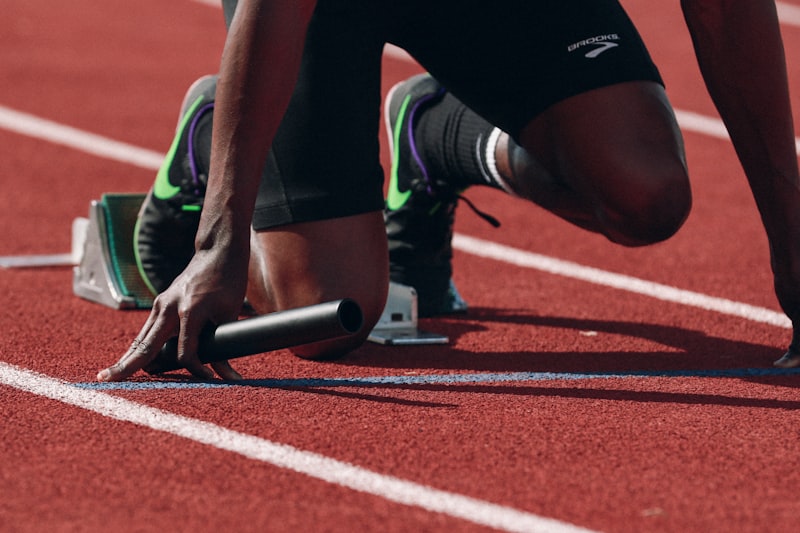
Sports imagery, often referred to synonymously with mental rehearsal or visualization, constitutes a profound cognitive technique utilized extensively by athletes across all competitive levels. It involves the creation or recreation of an experience in the mind, engaging sensory modalities in the absence of external stimuli. This psychological skill moves beyond mere passive daydreaming; it is a structured, purposeful intervention aimed at enhancing athletic performance, refining motor skills, and managing the demanding psychological landscape of competition. The essence of effective sports imagery lies in its capacity to simulate real-world athletic conditions, allowing the participant to practice complex movements or strategies repeatedly without the physical fatigue or risk of injury associated with actual execution. This mental simulation is fundamentally tied to the learning and perfecting of new physical skills, serving as a critical bridge between theoretical understanding and practical application in the competitive arena.
The utilization of imagery in sport psychology is multifaceted, encompassing three primary functional domains explicitly noted in the foundational literature. Firstly, it is instrumental in the acquisition and refinement of motor programs, wherein athletes mentally practice intricate sequences of movement to solidify neural pathways and optimize technique. Secondly, imagery serves as a powerful tool for strategic mental rehearsal, preparing the athlete for specific competitive scenarios, unpredictable opponent actions, or complex team plays that require rapid decision-making. Finally, and crucially, sports imagery is deeply involved in the domain of emotional regulation and arousal control. By mentally simulating successful coping mechanisms or calming environments, athletes can effectively manage pre-competition anxiety, maintain optimal focus, and recover quickly from inevitable errors during performance. The integrated nature of these applications underscores why imagery is considered one of the most vital mental skills training techniques available to modern athletes seeking a comprehensive competitive edge.
Distinguishing sports imagery from general visualization requires an emphasis on its sensory richness and intentional structure. High-fidelity imagery incorporates multiple senses, going far beyond simple visual representation; it integrates auditory cues, tactile sensations, olfactory inputs, and, most importantly, kinaesthetic imagery. Kinaesthetic imagery—the feeling of the movement—is paramount, as it directly simulates the internal muscular feedback and positional awareness necessary for successful physical execution. For instance, a golfer using imagery does not just see the swing; they feel the precise grip pressure, the controlled shift of weight, and the tension in the core muscles at impact. This holistic, multisensory approach ensures that the mental rehearsal translates effectively into physical performance, thereby optimizing the automaticity and precision of learned skills. This depth of sensory engagement is a hallmark of the most effective and structured imagery protocols used by elite performers.
The Theoretical Foundation: Psycho-Neuromuscular Theory
The effectiveness of sports imagery is robustly supported by several compelling theoretical frameworks, chief among them the Psycho-Neuromuscular Theory (PNMT), often referred to as the ideomotor principle. This theory posits that the vivid imagining of performing a motor skill results in subthreshold innervation of the muscles involved in the actual movement. While the magnitude of these muscle impulses is too small to cause overt motion, they are sufficient to reinforce the neural pathways responsible for executing the skill. In essence, the brain treats the mental rehearsal as a form of actual physical practice, leading to measurable physiological changes and improved motor learning. This biological mechanism explains why mental practice, when executed properly and consistently, can significantly contribute to performance gains, particularly in the early stages of skill acquisition or during periods of physical rehabilitation where full physical practice is limited or impossible.
Further supporting the PNMT is the notion of functional equivalence between imagery and execution. Research utilizing sophisticated brain imaging techniques, such as functional magnetic resonance imaging (fMRI) and electroencephalography (EEG), has repeatedly demonstrated that the neural activation patterns during high-quality mental rehearsal closely mirror those observed during the corresponding physical execution of the skill. Specifically, areas of the brain responsible for motor planning, attention, and sensory processing—including the motor cortex, premotor cortex, and cerebellum—show significant and structured activation during vivid imagery sessions. This neurological convergence confirms that the mental simulation is not merely a passive thought process but an active cognitive-motor event that systematically strengthens the motor program. This physiological confirmation provides strong evidence for the inclusion of structured imagery training within comprehensive athletic preparation regimens designed for optimal performance.
Another pertinent theoretical model is Symbolic Learning Theory, which suggests that imagery functions as a mental blueprint, helping the athlete to understand and encode the movement sequence in a symbolic, rather than purely motor, way. By visualizing the sequence of events, the athlete clarifies the cognitive requirements and decision points inherent in the task, facilitating greater strategic understanding. This is particularly valuable for complex, strategic sports, such as gymnastics, diving, or team sports, where the flow of movement requires rapid sequential decision-making and adaptation. Through this symbolic representation, imagery assists in automating the cognitive elements of the task, thereby reducing the mental load during competition and allowing the athlete to focus critical resources on immediate execution rather than conscious deliberation. Both the PNMT and Symbolic Learning Theory collectively underscore the profound impact of mental rehearsal on both the physical mechanics and the strategic cognitive preparation of athletic performance.
Key Functions of Imagery: Cognitive and Motivational Applications
The practical application of sports imagery is systematically categorized into two broad functional types: Cognitive, which is primarily focused on skills and strategy, and Motivational, which is focused on arousal, confidence, and goal achievement. Cognitive Specific (CS) imagery involves rehearsing specific, discrete motor skills, such as visualizing the perfect execution of a tennis serve, the trajectory of a successful penalty kick, or the precise approach to a high jump bar. This function is directly related to the original objective of learning and perfecting new skills and relies heavily on accurate kinaesthetic and visual representation. Cognitive General (CG) imagery, conversely, focuses on strategic planning, game routines, and play execution, such as mentally reviewing a complex defensive rotation or visualizing the entire sequence of a pre-competition warm-up routine. Both CS and CG are crucial for ensuring the smooth, efficient, and strategic execution of complex athletic tasks under the duress of competition.
Motivational applications represent the second major functional area and are equally critical for achieving sustained competitive success and long-term psychological well-being. Motivational Specific (MS) imagery centers on visualizing specific goals and positive, successful outcomes, such as standing on a podium, receiving an award, or successfully completing a challenging personal best lift. This type of imagery significantly enhances self-efficacy, increases intrinsic motivation, and boosts feelings of control by providing a vivid, emotionally charged preview of success. By consistently reinforcing these positive future outcomes, the athlete builds substantial psychological resilience and maintains focus during demanding training cycles. The power of MS imagery lies in its ability to connect the arduous effort of daily training directly to the future reward of achievement, forging a strong psychological link that drives sustained commitment and tenacity.
The final functional category, Motivational General (MG) imagery, is typically subdivided into MG-Arousal and MG-Mastery. MG-Arousal is dedicated specifically to controlling emotional states, allowing athletes to mentally manage or modulate their levels of physiological activation to achieve their optimal zone of functioning. For instance, an athlete experiencing disruptive pre-competition anxiety might use calming imagery, such as visualizing a peaceful, controlled environment, to lower heart rate and reduce somatic anxiety. Conversely, an under-aroused athlete might utilize energizing imagery, such as aggressive movements or successful past performances, to increase intensity. MG-Mastery focuses intently on building confidence, coping with adversity, and maintaining mental toughness. This involves visualizing oneself successfully overcoming obstacles, maintaining composure after making a critical error, or exhibiting exceptional leadership in moments of crisis, ensuring the athlete approaches competition in an optimal psychological state.
Types of Imagery Modalities (The Senses)
Effective sports imagery is fundamentally multisensory, necessitating the engagement of all relevant sensory modalities to achieve maximum realism and impact, thereby maximizing the transfer of skills from mind to body. While many individuals initially associate imagery primarily with the visual sense—the ability to see the action—the strategic inclusion of other senses dramatically improves the quality and efficacy of the mental simulation. The primary modalities involved are visual, auditory, tactile, olfactory (smell), and the highly critical kinaesthetic sense. Visual imagery can be employed from an internal perspective (seeing the scene through one’s own eyes) or an external perspective (watching oneself perform as if observing a video recording). Elite athletes often judiciously utilize the internal perspective for motor skill refinement, as it more closely replicates the actual experience of execution, while the external perspective can be useful for analyzing technique and identifying flaws in form from a detached, analytical viewpoint.
The integration of kinaesthetic imagery is widely regarded as the most crucial component for physical skill learning and is directly highlighted in the original definition of the concept. Kinaesthetic input relates to the feeling of the body during movement—it encapsulates the tension in the muscles, the perception of rotational forces, the precise sense of balance required, and the subtle shifts in posture throughout the movement sequence. Without this strong internal feeling, the imagery remains purely intellectual and lacks the motor programming specificity required for seamless transfer to physical performance. For a gymnast, this means feeling the perfect alignment during a difficult maneuver; for a long-distance runner, it means sensing the efficient transfer of energy and the rhythm of their stride. Coaches often dedicate specific training time to encourage athletes to focus explicitly on these internal, visceral sensations during imagery sessions to maximize the neuro-muscular benefits derived from their mental practice.
Furthermore, auditory and tactile senses add essential layers of realism to the simulation, helping to embed the practice within a competitive context. Auditory imagery mandates the athlete hears the specific sounds of the competitive environment—this might include the roar of the crowd, the whistle of the referee, the squeak of specialized footwear on the court surface, or the precise sound the implement makes upon clean contact with the bat, club, or foot. These auditory cues help condition the athlete to perform effectively even amidst distracting or overwhelming noise. Tactile imagery involves feeling the physical contact associated with the sport, such such as the texture of the equipment, the precise feel of the ball in the hands, or the sensation of the wind resistance against the body. By weaving together these diverse sensory inputs, the athlete constructs a truly immersive and functionally equivalent mental environment, significantly enhancing the effectiveness of their mental rehearsal and preparation for competitive realities.
Implementation and Technique: Mental Rehearsal Strategies
The successful implementation of sports imagery requires strict adherence to structured protocols and consistent, disciplined practice, much like the commitment required for physical strength training. One widely accepted protocol designed to maximize the efficacy of mental rehearsal is the PETTLEP model, an acronym that provides a comprehensive framework for maximizing the functional equivalence between the imagined scene and the actual performance context. PETTLEP stands for Physical, Environment, Task, Timing, Learning, Emotion, and Perspective. By meticulously controlling these seven elements during mental practice, practitioners ensure that the imagery session is as relevant and beneficial as possible. For instance, the ‘Physical’ component dictates that the athlete should be in the correct physical stance or holding the correct equipment while visualizing, while the ‘Environment’ suggests performing imagery in a location that mirrors the competition venue, if feasible, to improve contextual familiarity.
The ‘Timing’ component of the PETTLEP model is particularly critical, emphasizing that the imagined skill should be performed in real-time. If a complex sequence of movements takes fifteen seconds to execute physically, the mental rehearsal must also take exactly fifteen seconds. Faster or slower visualization degrades the effectiveness of the motor programming benefits by failing to replicate the temporal constraints of the action. Furthermore, the ‘Learning’ component stresses that imagery content must continuously evolve as the athlete’s skill level increases; novice athletes might focus on basic sequential movement patterns, whereas elite athletes must focus on subtle, high-level refinements and complex strategic responses to dynamic situations. Integrating ‘Emotion’ ensures that the visualization includes the appropriate intensity and emotional state that will be experienced during actual competition, helping the athlete to practice managing the psychological demands under pressure.
Consistency and focused repetition are foundational elements of effective mental rehearsal. Athletes are typically advised to engage in short, frequent imagery sessions—perhaps 5 to 15 minutes, three to five times per week—rather than attempting long, infrequent sessions which often lead to mental fatigue and loss of focus. The quality of the imagery, often measured by its vividness and controllability, is far more important than the mere duration of the session. Athletes often begin by practicing in a calm, distraction-free environment before progressively moving toward practicing imagery in more challenging, high-stimulus settings, such as directly before training or competition. Structured practice routines, combined with detailed scripts developed in collaboration with a sport psychologist, ensure that the athlete maximizes the dual benefits of skill acquisition and emotional control inherent in the practice of sports imagery.
Measuring Imagery Effectiveness and Content
To standardize research, optimize intervention strategies, and refine practical application, sport psychologists rely on specialized psychometric tools to assess both the frequency and the quality of an athlete’s imagery use. One prominent and highly utilized instrument explicitly referenced in the foundational literature is the Sport Imagery Questionnaire (SIQ). The SIQ is specifically designed to measure how often athletes utilize the five primary functional categories of imagery: Cognitive Specific (CS), Cognitive General (CG), Motivational Specific (MS), Motivational General – Arousal (MG-A), and Motivational General – Mastery (MG-M). By quantifying the athlete’s usage patterns, practitioners can accurately identify potential deficiencies or imbalances in their mental preparation and subsequently prescribe targeted interventions, ensuring that the athlete is utilizing imagery across the full spectrum of its potential performance benefits, and not just focusing narrowly on skill rehearsal.
Beyond measuring the frequency and type of usage, instruments like the Vividness of Movement Imagery Questionnaire (VMIQ) and the Movement Imagery Questionnaire (MIQ) are employed to assess the qualitative aspects of the imagery experience. Vividness refers directly to the clarity, detail, and sensory richness of the imagined scene, including the perceived accuracy of the sensory inputs. Controllability refers to the athlete’s ability to intentionally manipulate the imagined scene, such as correcting a technical error mid-visualization or maintaining the desired emotional state throughout the rehearsal. High scores on both vividness and controllability correlate strongly with superior performance outcomes, unequivocally suggesting that merely attempting visualization is insufficient; the ability to generate detailed, stable, and functionally accurate mental images is the definitive key to deriving performance benefit from mental practice.
These rigorous psychometric tools are invaluable for the purpose of tailoring imagery training to the unique needs of the individual athlete. For example, if an athlete scores highly on CS imagery but reveals poor usage patterns regarding MG-A, the sport psychologist knows immediately to focus subsequent training sessions on emotional regulation techniques using motivational arousal imagery. Furthermore, continuous measurement and assessment allow researchers to accurately track the developmental trajectory of an athlete’s mental skills over time. As athletes gain experience and refine their techniques, their imagery usage tends to become more sophisticated, integrating deeper kinaesthetic imagery and more complex strategic scenarios. The systematic assessment provided by instruments like the Sport Imagery Questionnaire transforms imagery from a subjective, anecdotal exercise into a measurable, evidence-based psychological intervention.
Practical Applications for Skill Acquisition and Perfection
One of the most powerful and tangible practical applications of sports imagery is its indispensable role in the acquisition and perfection of complex motor skills. For a novice athlete learning a new technique, mental rehearsal allows for error-free practice, establishing the correct motor program and muscular sequence before physical execution ever begins. This initial, idealized mental blueprint significantly accelerates the initial learning curve by reducing the number of physical repetitions required to achieve an acceptable level of proficiency. Crucially, if the physical practice of a complex skill is initially prone to errors, those errors can become ingrained and difficult to correct later; imagery bypasses this risk by consistently reinforcing only the correct sequence and form, ensuring that the dominant neural pathway established is the desired, optimized one.
For elite and professional athletes, the application shifts subtly from initial acquisition to precision perfection and minute refinement. Imagery allows for the testing and integration of subtle adjustments to existing skills that are difficult or simply impossible to practice repeatedly in a physically demanding, high-intensity environment. For example, an Olympic weightlifter might use intense mental rehearsal to perfect the precise timing and hip drive required for a clean and jerk, or a baseball pitcher might use kinaesthetic imagery to fine-tune the exact release point of a breaking ball. This subtle, high-detail mental practice maintains the sharp edge of elite performance, especially during periods of injury recovery, off-season training, or competition lulls. Furthermore, imagery is essential for adapting existing skills to new or challenging environments, allowing the athlete to mentally simulate adjusting their technique to cope with factors like adverse weather, unfamiliar lighting, or complex field conditions, thereby reducing the performance decrement often associated with novel competitive situations.
A classic illustration of skill perfection through imagery is the scenario of an athlete who uses sports imagery to better score goals in soccer. This athlete would not merely visualize the ball entering the net as a static image; they would engage in a detailed, multi-sensory sequence: they would feel the controlled placement of their non-kicking foot, sense the precise angle of contact with the instep, hear the sound of the clean strike, and feel the controlled, balanced follow-through of the body. By repeatedly executing this perfect sequence mentally, they reinforce the exact neuromuscular pathway required for success under intense pressure. This systematic and detailed approach ensures that when the goal-scoring opportunity arises in competition, the movement is executed automatically and precisely, free from conscious interference or technical breakdown, powerfully demonstrating the robust link between sophisticated mental preparation and optimized physical outcome.
Imagery for Emotional and Arousal Control
The emotional regulation aspect of sports imagery is an indispensable component for effectively managing the high-pressure environment of competitive athletics. Athletes frequently utilize MG-Arousal imagery to achieve and maintain their individual zone of optimal functioning (ZOF), which is the precise psychological state required for peak performance. If an athlete suffers from debilitating pre-competition anxiety, characterized by excessive heart rate, uncontrolled muscle tension, and cognitive worry, they can deploy specific imagery scripts focused on relaxation, deep breathing, and peaceful, familiar scenarios to systematically lower their arousal levels. Conversely, if an athlete feels lethargic, unmotivated, or insufficiently intense, they can use energizing imagery—such as visualizing a powerful, aggressive charge or a highly successful, emotionally charged past performance—to raise their activation state to the desired, focused level necessary for competition.
Beyond immediate arousal modulation, imagery is a powerful long-term tool for building psychological resilience and confidence (MG-Mastery). By regularly visualizing themselves successfully coping with major adversity—such as executing a perfect play immediately after making a critical, high-stakes error, or maintaining focus and technical execution despite a hostile crowd—athletes build a robust mental reservoir of successful coping strategies. When real-life adversity inevitably strikes during competition, the brain is pre-conditioned to access these visualized and rehearsed solutions, leading to quicker recovery, reduced panic, and sustained performance quality. This rehearsal of coping mechanisms transforms potential psychological pitfalls into manageable challenges, reinforcing the athlete’s profound sense of control over both their internal state and the external environment.
The systematic control over emotional states afforded by sports imagery is critically important for maintaining attentional focus. High levels of anxiety often lead to a narrow, internal focus (worrying about mistakes and outcomes), while low arousal can lead to distraction and a lack of required intensity. Through disciplined mental practice, athletes learn to redirect and maintain their attention, either outward onto the immediate task at hand or inward onto the perfect execution of the skill using kinaesthetic imagery. By mentally rehearsing both the physical task and the necessary emotional control simultaneously, the athlete ensures a seamless integration of mind and body, significantly increasing the likelihood of entering a flow state where performance feels effortless, automatic, and highly efficient. This systematic and refined control over emotions is a primary reason why imagery is viewed not just as a performance enhancer, but as a foundational core component of comprehensive mental toughness training.