Subcortical Structures: The Brain’s Hidden Engine
Scientifically Reviewed · Dr. Marwa Abd-Alazim · August 31, 2026
Review Criteria & Clinical Standards
This content undergoes rigorous scientific peer-review and medical editorial standards at Arab Psychology Network to ensure clinical accuracy, validity, and compliance with evidence-based guidelines from leading psychological and healthcare authorities (APA / WHO).
Anatomical Definition and Location
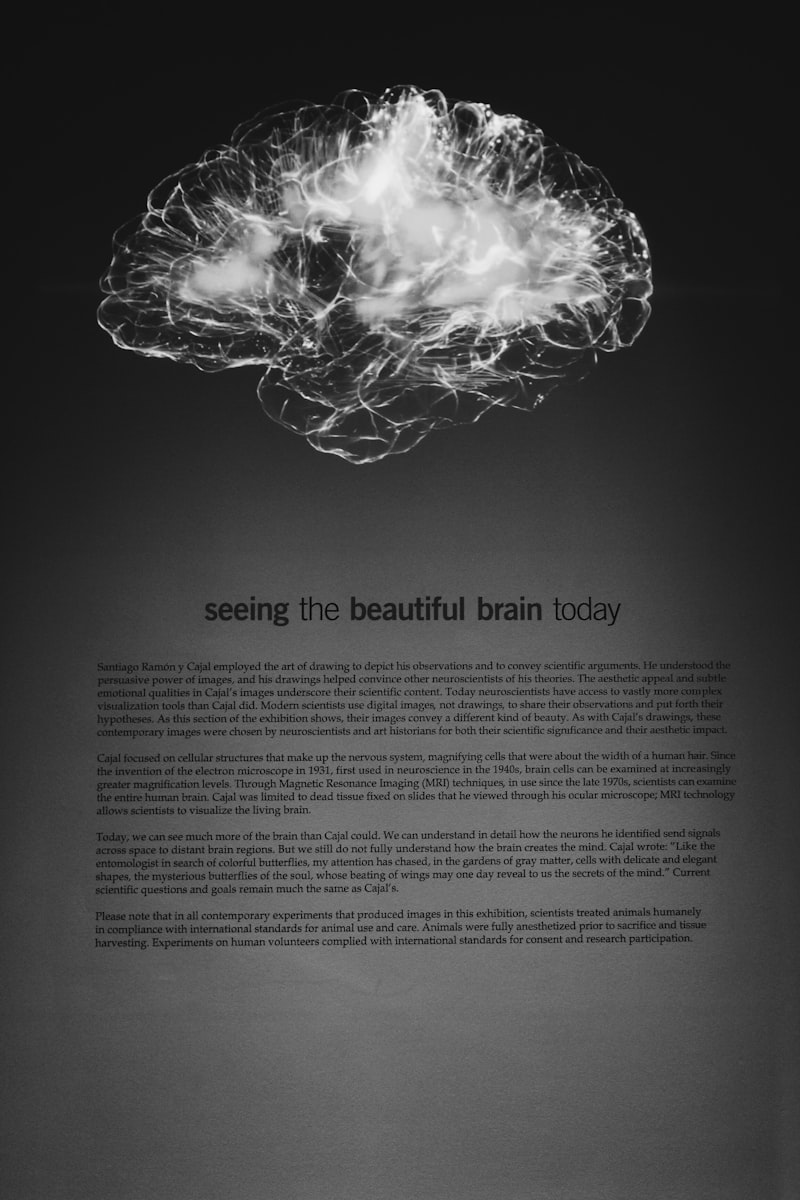
The subcortical center refers to a broad, functional grouping of neural structures situated deep within the brain, immediately inferior to the expansive convoluted sheet known as the cerebral cortex. This placement distinguishes these centers from the cortical mantle, which governs higher-order functions such as abstract thought, language, and complex planning. The subcortical regions represent older, phylogenetically conserved areas of the brain, responsible for mediating fundamental life processes and maintaining internal equilibrium, acting as the foundational operational core upon which cortical activity is built. Their anatomical organization is characterized not by layers, as seen in the cortex, but by distinct clusters of neuronal cell bodies known as nuclei, each specified for highly particularized functions.
Geographically, the subcortical centers encompass structures primarily residing in the diencephalon (which includes the thalamus and hypothalamus), the basal forebrain, and associated nuclei within the midbrain (mesencephalon). These centers are critically positioned along the primary pathways of neural communication, situated strategically to filter, relay, and modulate information traveling between the spinal cord, brainstem, and the cerebral hemispheres. Their deep location means they are often encased by massive tracts of white matter, the myelinated axons that connect distant parts of the nervous system, highlighting their role as indispensable relay and processing hubs.
Understanding the subcortical architecture requires recognizing that it is not a singular, monolithic entity but a constellation of diverse structures, each contributing to a unified functional output. This structure ensures that essential, non-conscious regulatory systems—such as those controlling basic physiological drives and motor execution—can operate efficiently and automatically, thereby freeing the cortex to handle demanding cognitive tasks. The functional integrity of the subcortex is paramount, as disruptions in these deep nuclei invariably lead to profound deficits in movement, sensation, or homeostatic control, demonstrating their intrinsic necessity for neurological function.
Primary Functional Overview
The primary responsibility of the subcortical center is the execution and modulation of functions critical for survival and immediate interaction with the environment, often bypassing the necessity for conscious intervention. These functions range from the initial processing of sensory input to the intricate regulation of the body’s internal state. While the cerebral cortex specializes in interpretation and deliberate action, the subcortical centers handle the raw data processing, gating mechanisms, and the automatic execution of motor programs. This division of labor ensures rapid, reliable responses to internal and external stimuli, maintaining a stable biological platform.
The original conceptualization identifies three major, highly influential components within this functional domain: the Thalamus, the Hypothalamus, and the Basal Ganglia. Although the functional definition of the subcortical center extends to include structures like the amygdala, hippocampus, and parts of the limbic system, these three components represent the core centers for sensory relay, homeostatic regulation, and motor control, respectively. Each component is itself comprised of numerous specialized centers—discrete nuclei—that perform specific tasks, reinforcing the concept that the subcortex is a highly differentiated and structurally complex region.
These specialized centers operate through tightly organized neural circuits, often forming closed loops that communicate reciprocally with the cerebral cortex. For instance, a small nucleus within the hypothalamus is specifically dedicated to setting the circadian rhythm, while distinct nuclei within the basal ganglia are responsible for the automatic suppression of tremor. This functional granularity means that damage to even a small subcortical nucleus can result in a highly specific, yet devastating, loss of function, underscoring the vital role of these specialized centers available within the broader subcortical framework. The smooth interaction between these specialized units is essential for coherent behavioral output and physiological stability.
The Thalamus: Sensory Relay Hub
The Thalamus, often dubbed the “gateway to the cortex,” is a massive, paired structure residing centrally within the diencephalon, acting as the obligatory relay station for almost all sensory information destined for the cerebral cortex. Every sensory modality, with the notable exception of olfaction (smell), passes through the thalamus before being routed to the appropriate primary cortical processing area. This relay is not merely passive; the thalamus actively filters, integrates, and modulates the sensory input based on the current state of consciousness, attention, and immediate behavioral needs, ensuring that the cortex receives relevant, prioritized information.
The internal structure of the thalamus is characterized by dozens of distinct nuclei, traditionally categorized into relay nuclei, association nuclei, and non-specific nuclei. The relay nuclei connect specific sensory modalities to precise areas of the cortex, ensuring fidelity in transmission. The association nuclei link to cortical association areas and are involved in complex cognitive functions and integrating information flow. The non-specific nuclei, conversely, project widely and are crucial for regulating general arousal and consciousness levels. This intricate organization allows the thalamus to perform complex functions beyond simple relaying, acting as a crucial mediator of cortical activity.
Specific examples illustrate the specialization within this subcortical center. The Lateral Geniculate Nucleus (LGN) is exclusively dedicated to processing visual information before sending it to the visual cortex (occipital lobe), while the Medial Geniculate Nucleus (MGN) handles auditory information, projecting to the auditory cortex (temporal lobe). Furthermore, the Thalamus plays a pivotal role in motor control by connecting the basal ganglia and the cerebellum to the motor and pre-motor cortices, thereby integrating complex movement plans formulated by these structures. Dysfunction in the thalamus can lead to severe sensory deficits, profound disturbances in sleep/wake cycles, or chronic pain syndromes, highlighting its central role in perception and consciousness.
The Hypothalamus: Homeostatic Regulator
Situated directly beneath the thalamus, the Hypothalamus is a small but tremendously powerful subcortical center that serves as the primary regulator of homeostasis—the maintenance of the body’s stable internal environment. This structure acts as the crucial interface between the nervous system and the endocrine system, ensuring that physiological parameters such as body temperature, fluid balance, metabolism, and energy expenditure remain within narrow, optimal ranges. Its strategic location allows it to monitor blood composition and temperature directly, providing it with the necessary sensory feedback to initiate corrective physiological responses.
The hypothalamus controls a vast array of vital functions through two primary output pathways: the autonomic nervous system (ANS) and the pituitary gland. Via the ANS, the hypothalamus rapidly adjusts heart rate, blood pressure, digestion, and respiration in response to immediate needs, such as stress or physical exertion. Through the pituitary gland, the hypothalamus exerts control over the entire endocrine system, synthesizing and releasing neurohormones that either stimulate or inhibit the secretion of hormones from the pituitary. This neuroendocrine pathway is fundamental to managing growth, reproduction, stress response (the HPA axis), and long-term metabolic adaptations.
Its specialized centers include nuclei dedicated to specific drives. For instance, nuclei within the lateral hypothalamus are associated with feeding behavior and hunger, while others in the medial hypothalamus are linked to satiety. The Suprachiasmatic Nucleus (SCN), a small but critical hypothalamic cluster, serves as the brain’s master clock, synchronizing circadian rhythms with the light-dark cycle. Given its broad regulatory reach, hypothalamic dysfunction can result in severe and diverse clinical presentations, including diabetes insipidus (due to fluid regulation failure), obesity, chronic fatigue, and pervasive mood disturbances, demonstrating its absolute necessity for integrated biological survival.
The Basal Ganglia: Motor Control and Habit Formation
The Basal Ganglia constitutes a complex subcortical center composed of several interconnected nuclei that are essential for the initiation and execution of voluntary movement, the suppression of unwanted movements, and the regulation of movement magnitude and speed. This system includes the caudate nucleus, putamen (together forming the striatum), the globus pallidus, the subthalamic nucleus, and the substantia nigra. Unlike the cerebellum, which coordinates movement, the Basal Ganglia acts as a crucial filter that selects and reinforces appropriate motor programs while inhibiting competing or irrelevant actions, effectively providing the “go” signal for desired behaviors.
Motor function within the Basal Ganglia operates through two main, opposing pathways: the direct pathway and the indirect pathway. The direct pathway facilitates movement by disinhibiting the thalamus, allowing it to send excitatory signals to the motor cortex. Conversely, the indirect pathway inhibits movement, ensuring that only necessary actions are performed. The balance between these two pathways, heavily modulated by the neurotransmitter dopamine released from the Substantia Nigra, determines the fluency and precision of movement. Disruption of this dopaminergic modulation, as seen in Parkinson’s disease, severely compromises the ability to initiate movement and suppress tremor.
Beyond its well-established motor roles, the Basal Ganglia also plays a profound role in non-motor functions, specifically in procedural learning, habit formation, and certain aspects of cognition and emotion. These centers are crucial for automating routine sequences of behavior—the transition from conscious effort to automatic habit, such as driving or tying shoes. Through its connectivity with the prefrontal cortex and limbic structures, the Basal Ganglia contributes to executive function, motivation, and the processing of reward and reinforcement. This expanded functional scope highlights its role not just in physical action, but in the automatic execution of learned behavioral and cognitive routines, making it integral to adaptive living.
Interconnectivity and Neural Circuits
A defining characteristic of the subcortical center is its extensive and reciprocal interconnectivity with virtually all regions of the cerebral cortex, forming complex cortico-subcortico-cortical loops. These circuits are fundamental to integrating lower-level regulatory and sensory data with higher-order cognitive and emotional processing. Information rarely moves unidirectionally; instead, it flows in closed feedback loops, allowing subcortical structures to continuously modulate and refine cortical output based on instantaneous physiological and emotional states, while simultaneously receiving top-down control signals from the cortex.
The most studied of these loops are the Cortico-Striatal-Thalamo-Cortical (CSTC) loops, which are critical for motor control, executive function, and motivation. In these circuits, the cortex sends projections to the striatum (part of the basal ganglia), which processes and modulates this input. The output is then funneled through the globus pallidus and substantia nigra, before being routed back to the cortex via the thalamus. Crucially, the thalamus acts not only as a relay but also as an integrator, ensuring that the modulated signal is returned to the specific cortical area from which it originated, allowing for precise control and refinement of ongoing activity.
Furthermore, the subcortical centers are deeply intertwined with the limbic system, the neural basis of emotion and memory. The hypothalamus, for example, receives input from the amygdala (involved in fear and emotion) and the hippocampus (involved in memory formation), allowing emotional and historical context to influence immediate physiological responses. This rich cross-talk illustrates that the subcortical center is the essential nexus for merging the body’s internal needs, external sensory reality, and complex cognitive demands into cohesive and adaptive behavior. Without this seamless integration, the brain would function as disconnected modules, incapable of coordinated action.
Clinical Significance and Associated Disorders
Due to their control over fundamental regulatory processes, motor execution, and sensory processing, pathologies affecting the subcortical center often lead to profound and debilitating neurological and psychiatric disorders. Unlike cortical lesions, which might result in localized deficits such as aphasia or agnosia, subcortical damage tends to impair core systemic functions, dramatically affecting the patient’s capacity for independent living and internal stability. The precise nature of the deficit depends entirely on which specialized nucleus or pathway within the subcortex is compromised, underscoring the functional specificity of these deep structures.
The clinical manifestations associated with subcortical dysfunction are diverse, ranging from movement disorders to severe autonomic imbalance and disruptions of consciousness. Research has definitively linked damage or neurodegeneration within these centers to some of the most pervasive neurological conditions.
A detailed list of common disorders directly resulting from subcortical pathology includes:
- Parkinson’s Disease: Primarily caused by the degeneration of dopaminergic neurons in the Substantia Nigra, leading to a loss of modulation in the Basal Ganglia circuits, resulting in resting tremor, rigidity, and bradykinesia (slowness of movement).
- Huntington’s Disease: Characterized by severe atrophy of the Striatum (caudate and putamen), leading to uncontrolled, writhing movements (chorea) and profound cognitive and psychiatric decline.
- Thalamic Pain Syndrome (Dejerine-Roussy Syndrome): Often resulting from a stroke affecting the thalamus, causing severe, chronic, often burning pain on the contralateral side of the body, highlighting the thalamus’s role in pain perception and gating.
- Korsakoff’s Syndrome: Frequently linked to damage in the Thalamus (specifically the mammillary bodies and anterior nucleus), resulting in profound anterograde and retrograde amnesia, often associated with chronic alcoholism and thiamine deficiency.
- Hypothalamic Disorders: Lesions or tumors in the Hypothalamus can lead to life-threatening conditions such as uncontrolled diabetes insipidus, severe disturbances in body temperature regulation, or debilitating narcolepsy due to disruption of sleep/wake cycles.
In summary, the subcortical center is far more than a simple collection of way-stations; it is a meticulously organized system of specialized nuclei that provides the essential regulatory framework for all neurological activity. Its functional components—the thalamus, hypothalamus, and basal ganglia—ensure that sensation is relayed, internal stability is maintained, and movement is executed with precision, making the subcortex the fundamental foundation for life and adaptive behavior.