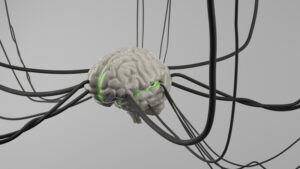
Supraoptic Nucleus: The Brain’s Hidden Control Center
Scientifically Reviewed · Dr. Marwa Abd-Alazim · August 27, 2026
Review Criteria & Clinical Standards
This content undergoes rigorous scientific peer-review and medical editorial standards at Arab Psychology Network to ensure clinical accuracy, validity, and compliance with evidence-based guidelines from leading psychological and healthcare authorities (APA / WHO).
Introduction and Anatomical Location
The supraoptic nucleus, often abbreviated as the SON, is a critical collection of neurosecretory cells situated bilaterally within the hypothalamus, a region of the brain responsible for regulating essential homeostatic functions. True to its name, which derives from the Latin prefix ‘supra’ (above) and ‘optic’ (referring to the optic chiasm), the SON resides immediately superior to the optic chiasm, the point where the optic nerves partially cross, providing a clear anatomical landmark for its identification. This positioning places the SON strategically within the anterior hypothalamic region, where it forms a key component of the neurohypophyseal system, dedicated primarily to the production and controlled release of peptide hormones into the systemic circulation. Its fundamental role in maintaining fluid balance and systemic blood pressure underscores its importance in mammalian physiology, making it a highly studied structure in neuroendocrinology.
Historically, the study of the SON paralleled the discovery of the pituitary gland’s influence over water metabolism and uterine contraction, establishing it as the source region for the hormones released by the posterior pituitary. The neurons within the SON are uniquely structured to facilitate rapid and substantial hormone release; they possess long axons that project ventrally and posteriorly through the median eminence and infundibular stalk, terminating in the neurohypophysis, or posterior pituitary gland. This anatomical arrangement, known as the hypothalamo-neurohypophyseal tract, is the conduit through which the synthesized hormones travel, packaged in vesicles, before being released directly into the bloodstream. This direct neuroendocrine pathway bypasses the typical synaptic transmission characteristic of central nervous system communication, highlighting the SON’s specialized function as a bridge between neural signaling and systemic endocrine regulation.
While the SON operates as a distinct entity, its function is intimately coordinated with the paraventricular nucleus (PVN), another major hypothalamic nucleus containing similar populations of hormone-producing cells. Both the SON and the PVN house the large-bodied neurons required for this intense secretory activity, collectively defining the core of the magnocellular system. However, the SON is generally considered the primary center for osmoregulation due to its dense population of cells dedicated to vasopressin secretion, while the PVN exhibits greater functional diversity, including involvement in stress response and autonomic control. The integrity of the SON and its connectivity is therefore absolutely vital for preventing severe disturbances in electrolyte balance and circulating blood volume, necessitating precise regulatory mechanisms governing its neuronal activity and secretory output.
Cellular Composition and Magnocellular Neurons
The functional architecture of the supraoptic nucleus is dominated by a homogeneous population of large-bodied neurons known as magnocellular neurosecretory cells (MNCs), distinguishing them markedly from the smaller parvocellular neurons found elsewhere in the hypothalamus. These MNCs possess exceptionally large perikarya, often exceeding 20 to 30 micrometers in diameter, housing extensive endoplasmic reticulum and Golgi apparatus, which are characteristic features necessary for the high rate of protein synthesis and packaging required for hormone production. Each MNC synthesizes either arginine vasopressin (AVP), also known as antidiuretic hormone (ADH), or oxytocin (OT), but typically not both, adhering to the principle of chemical segregation within individual neurons, although co-localization of regulatory peptides often occurs. This concentration of specialized hormone synthesis dictates the SON’s primary physiological roles, specifically concerning fluid balance and reproductive functions.
Beyond the principal neurosecretory neurons, the SON contains a significant complement of supportive non-neuronal cells, primarily astrocytes and microglia, which are essential for maintaining the microenvironment and regulating neuronal activity. Astrocytes, the most numerous glial cells, play a critical role in metabolic support, neurotransmitter clearance, and, crucially, in modulating the physical organization of the nucleus. Under conditions of high demand, such as chronic dehydration or lactation, astrocytes undergo morphological changes, retracting their processes from the neuronal surface and increasing the area of apposition between adjacent neurons and between neurons and blood vessels. This phenomenon, known as glial-neuronal plasticity, is thought to enhance electrical coupling between MNCs and improve the efficiency of hormone release into the pericapillary space of the posterior pituitary.
The precise interaction between MNCs and the surrounding glia is fundamental to the sustained function of the SON. Glial cells are responsive to the extracellular concentration of various signaling molecules and hormones, acting as active participants rather than mere passive support structures. For instance, the release of certain cytokines or reactive oxygen species by microglia can influence the excitability of MNCs, linking inflammatory or stress signals directly to the neuroendocrine output. Furthermore, the specialized capillary network within the neurohypophysis, characterized by fenestrated endothelium, facilitates the rapid transfer of these large peptide hormones from the axon terminals into the systemic circulation, a vascular arrangement that contrasts sharply with the typical blood-brain barrier found throughout most of the central nervous system, underscoring the SON’s role as a direct secretory gland embedded within the brain structure.
Primary Hormonal Secretions: Vasopressin and Oxytocin
The defining characteristic of the supraoptic nucleus is its function as a major source for two vital nonapeptide hormones: vasopressin and oxytocin. Vasopressin, or AVP, is synthesized as a larger precursor molecule, propressophysin, which is packaged into neurosecretory vesicles along with its carrier protein, neurophysin II. As the vesicle is transported down the long axon towards the posterior pituitary, enzymatic cleavage occurs, resulting in the mature AVP hormone ready for release. The primary action of AVP is centered on the kidney, where it binds to V2 receptors in the collecting ducts, increasing water permeability and promoting water reabsorption, thus earning it the alternate name, antidiuretic hormone (ADH). AVP also acts as a potent vasoconstrictor through V1 receptors found on smooth muscle cells, contributing to blood pressure regulation, particularly during periods of hypovolemia or hemorrhage.
Oxytocin (OT) shares a similar synthesis and transport pathway, derived from a pro-oxytocin precursor and associated with neurophysin I. Although chemically similar to vasopressin—differing only by two amino acids—oxytocin exerts profoundly different physiological effects, primarily associated with reproductive and social behaviors. Its classic roles include stimulating uterine contractions during parturition (labor) and triggering the milk ejection reflex during lactation, achieved by promoting the contraction of myoepithelial cells surrounding the mammary alveoli. Beyond these peripheral actions, oxytocin released centrally within the brain, often originating from collaterals of SON and PVN neurons, is implicated in complex behaviors such as social bonding, trust, maternal care, and the modulation of anxiety and stress responses, illustrating its multifaceted influence on both bodily systems and behavioral states.
While approximately half of the MNC population synthesizes AVP and the other half OT, the regulation of their release is governed by distinct, though interconnected, physiological cues. Vasopressin secretion is exquisitely sensitive to changes in plasma osmolality, primarily detected by specialized osmoreceptors located in the organum vasculosum of the lamina terminalis (OVLT) and the SON itself, ensuring prompt response to dehydration. Conversely, oxytocin release is primarily triggered by neural reflexes, such as mechanical stimulation of the cervix or nipples, which transmit signals directly to the SON via ascending spinal pathways. The ability of the SON to integrate diverse peripheral sensory information—whether osmotic, volumetric, or mechanical—and translate it into specific hormonal outputs highlights its role as a sophisticated neuroendocrine transducer vital for maintaining internal equilibrium and facilitating crucial life functions.
Role in Osmoregulation and Fluid Homeostasis
The supraoptic nucleus serves as the central pillar of the body’s osmoregulatory system, acting essentially as a sensitive biological thermostat for plasma tonicity. The osmoregulatory function relies on the inherent sensitivity of the AVP-secreting MNCs to small fluctuations in the effective osmotic pressure of the extracellular fluid. When the concentration of solutes in the blood rises, indicating a state of dehydration or hypernatremia, water moves out of the osmosensitive neurons, causing them to shrink. This structural change activates mechanosensitive ion channels in the neuronal membrane, leading to depolarization and a rapid increase in the frequency of action potentials, culminating in a robust release of vasopressin into the circulation. This efficient neuronal mechanism allows the body to initiate corrective measures—thirst and water retention—before significant harm occurs.
The feedback loop controlling vasopressin release is remarkably tight and highly efficient. A rise in plasma osmolality above a critical threshold, known as the osmotic threshold (typically around 280–285 mOsm/kg), triggers a steep, linear increase in AVP secretion. Once released, AVP travels to the kidneys, where it conserves water, thereby diluting the plasma and reducing the osmolality back toward the set point. Conversely, when the plasma is dilute (hypoosmolality), AVP secretion is virtually shut off, leading to the excretion of large volumes of dilute urine. This precise, proportional relationship between osmolality and AVP release is fundamental to preventing both hypernatremia and hyponatremia, and disturbances in this axis are key markers of systemic illness.
In addition to osmolality, the SON also integrates signals related to blood volume and pressure, ensuring that fluid homeostasis is managed comprehensively. Severe reductions in blood volume (hypovolemia), such as those experienced during hemorrhage, are detected by baroreceptors located in the great vessels and heart atria. These receptors relay afferent signals, primarily via the nucleus of the solitary tract (NTS), to the SON. Although the osmotic stimulus is generally more potent, volumetric stimuli can override the osmotic control, leading to massive AVP release even if plasma osmolality is normal or low. This non-osmotic release of AVP ensures that circulating blood pressure is maintained as a priority in acute circulatory crises, demonstrating the intricate hierarchical control mechanisms that govern SON activity.
Afferent and Efferent Connectivity
The ability of the supraoptic nucleus to function as an integrator of diverse homeostatic signals is directly attributable to its extensive network of afferent inputs originating from various brain regions. Key among these inputs are projections from the circumventricular organs (CVOs), structures located outside the blood-brain barrier that monitor plasma composition directly. Specifically, the organum vasculosum of the lamina terminalis (OVLT) and the subfornical organ (SFO) provide crucial osmotic and humoral information, relaying signals derived from circulating angiotensin II, a potent stimulator of thirst and AVP release, directly to the SON. These inputs are primarily glutamatergic and excitatory, driving the MNCs toward firing when fluid deficits are detected.
Furthermore, the SON receives important inputs related to visceral and cardiovascular status, predominantly channeled through the brainstem. The nucleus of the solitary tract (NTS) is a primary relay center for information originating from peripheral baroreceptors and chemoreceptors. These noradrenergic pathways are critical for mediating the non-osmotic release of AVP in response to hypotension or hypovolemia, ensuring rapid mobilization of fluid conservation mechanisms. Other significant modulatory inputs include GABAergic (inhibitory) projections from the surrounding hypothalamic regions and peptidergic inputs, such as those involving opioid peptides or atrial natriuretic peptide (ANP), which fine-tune the excitability of the MNCs and modulate the final magnitude of hormonal secretion.
The efferent connectivity of the SON is relatively straightforward but highly specialized, defining its role in the neurohypophyseal system. The axons of the magnocellular neurons form the bulk of the hypothalamo-neurohypophyseal tract, which travels through the median eminence and terminates in the posterior pituitary. Unlike typical CNS synapses, these terminals release their packaged hormones, AVP and OT, directly into the general circulation via the fenestrated capillaries of the neurohypophysis, effectively turning the posterior pituitary into a neurohemal organ. While the main projection is focused on systemic release, MNCs also possess axon collaterals that project back to other brain regions, including the SON itself and the PVN, allowing for autocrine and paracrine regulation of neuronal activity, illustrating a complex local feedback system that ensures coordinated firing and efficient hormone discharge.
Electrophysiological Properties and Burst Firing
The neurosecretory cells of the supraoptic nucleus exhibit unique and dynamic electrophysiological properties, most notably the capacity for generating highly organized, high-frequency bursts of action potentials, a pattern known as phasic firing. This firing pattern is characteristic of AVP-secreting neurons when they are maximally stimulated, such as during dehydration. A typical phasic episode consists of a sustained period of high-frequency spiking (up to 10–20 Hz) lasting 20 to 60 seconds, interspersed with equally long periods of absolute silence. This intermittent bursting is significantly more effective at promoting the massive, non-linear release of peptide hormones than continuous, steady-state firing, reflecting a mechanism designed to optimize the replenishment and exocytosis of hormone-containing vesicles at the axon terminals.
The intrinsic membrane properties enabling this burst firing are complex, involving the interplay of several voltage-gated ion channels. Critical components include a slow, voltage-dependent inward current, often mediated by non-inactivating sodium channels or L-type calcium channels, which drives the regenerative depolarization required for the burst phase. Termination of the burst is typically attributed to the slow activation of voltage-dependent outward potassium currents, which lead to a prolonged period of afterhyperpolarization (AHP), effectively shutting down the neuron until its excitability recovers. The duration and frequency of these bursts are precisely correlated with the level of osmotic stimulation, allowing the SON to encode the severity of the fluid deficit directly into the firing pattern.
Furthermore, the coordination of firing among multiple SON neurons is essential for systemic hormone efficacy. The MNCs are functionally coupled, primarily through gap junctions established between dendrites and sometimes between adjacent cell bodies, facilitating the synchronous initiation and termination of bursts across a population of cells. This synchronized activity ensures that a large bolus of hormone is released simultaneously, maximizing the systemic impact. The presence of recurrent excitatory feedback loops, mediated by local release of glutamate or peptide messengers, further stabilizes this population synchrony. Understanding these intricate electrophysiological mechanisms is crucial for developing therapeutic strategies targeting disorders of fluid balance, as the sensitivity of these ionic currents dictates the threshold and magnitude of hormone release.
Developmental Aspects and Plasticity
The formation and maturation of the supraoptic nucleus are complex developmental processes that begin early in embryonic life. The neurons of the SON are derived from progenitor cells located in the ventral diencephalon, migrating to their final resting position superior to the optic chiasm. The establishment of the hypothalamo-neurohypophyseal tract involves the precise guidance of axons from the SON through the median eminence to the developing posterior pituitary, a process regulated by specific neurotrophic factors and guidance cues. While the basic architecture is established prenatally, the full functional capacity, particularly the precise osmosensitivity and the ability to execute robust burst firing, continues to mature during the early postnatal period, adapting to the changing demands of independent life and feeding.
One of the most remarkable features of the SON is its capacity for structural and functional plasticity in response to sustained physiological challenges. This plasticity allows the nucleus to dynamically adjust its output based on long-term physiological demand. For instance, during chronic dehydration or sustained high-output states such as lactation, the SON exhibits significant morphological alterations. These changes include an increase in the size of the neuronal somata, reflecting enhanced synthetic machinery, and, critically, the retraction of glial processes, leading to increased membrane apposition between adjacent MNCs and between MNCs and capillary walls, as discussed previously.
This structural remodeling facilitates increased electrical coupling and improved efficiency of hormone delivery. Similarly, pregnancy and lactation induce pronounced plasticity, primarily affecting the oxytocin-secreting neurons. This adaptation ensures that the MNCs are primed to respond maximally to suckling stimuli, guaranteeing adequate milk ejection. Upon cessation of the high-demand state, the SON architecture typically reverts to its baseline organization, demonstrating a highly regulated and reversible form of neural remodeling. This high degree of neuroplasticity distinguishes the SON as a hypothalamic nucleus capable of profound, demand-driven structural change, optimizing its role as a neuroendocrine regulator.
Clinical Significance and Associated Disorders
Dysfunction of the supraoptic nucleus and its associated hypothalamo-neurohypophyseal tract forms the basis for several clinically significant disorders related to fluid and electrolyte imbalance. The most common pathology linked directly to SON impairment is Central Diabetes Insipidus (CDI). CDI results from the failure of the SON to synthesize or release adequate amounts of vasopressin, often due to damage to the nucleus itself, the pituitary stalk, or the posterior pituitary (e.g., trauma, tumors, or autoimmune destruction). Without sufficient AVP, the kidneys cannot concentrate urine, leading to massive polyuria (excessive urination) and compensatory polydipsia (excessive thirst), potentially resulting in severe dehydration and hypernatremia if fluid intake is restricted. Diagnosis of CDI often relies on demonstrating inadequate AVP response to water deprivation tests.
Conversely, the condition known as the Syndrome of Inappropriate Antidiuretic Hormone Secretion (SIADH) represents an excess or inappropriate secretion of AVP, often in the absence of appropriate osmotic or hemodynamic stimuli. While SIADH is frequently caused by ectopic production of AVP (e.g., by small cell lung cancer), primary SON dysregulation or hypersensitivity, or effects induced by certain medications, can also contribute. Excessive AVP leads to unchecked water retention, resulting in dilutional hyponatremia—a dangerously low concentration of sodium in the blood. Management of SIADH focuses on identifying the underlying cause and instituting fluid restriction or pharmacologic antagonists to the V2 receptor.
Beyond the classic disorders of fluid balance, the SON is also implicated in broader neurological and neuroendocrine contexts. Research suggests that disruptions in oxytocin signaling originating from the SON and PVN may contribute to certain neurodevelopmental and psychiatric conditions, including autism spectrum disorders and impaired social cognition, given oxytocin’s critical role in social behavior. Furthermore, as the SON is highly active and metabolically demanding, it can be vulnerable to injury in conditions like neurodegenerative diseases or chronic stress. Understanding the specific molecular mechanisms that maintain the health and function of the SON is therefore paramount for addressing a wide range of human pathologies that extend far beyond simple water balance.
- Key Hormones: Vasopressin (ADH) and Oxytocin (OT).
- Location: Superior to the optic chiasm in the anterior hypothalamus.
- Primary Function: Regulation of plasma osmolality and systemic fluid volume.