Tag: Animal Survival


DEFENSE

The Concept of Defense: Definition and Scope The concept of defense fundamentally describes the features, behaviors, or internal psychological operations an entity employs to prevent harm, mitigate threat, or maintain internal equilibrium when faced with perceived danger. At its most basic and observable level, as noted in ethology, defense encompasses any pattern of behavior or […]

Read More

ANTIPREDATOR DEFENSE

Introduction to Antipredator Defense Antipredator defense encompasses the comprehensive suite of morphological, physiological, and behavioral adaptations exhibited by prey species to minimize the risk of being captured, injured, or consumed by predators. This concept is fundamental to the field of behavioral ecology and evolutionary psychology, representing a critical component of an organism’s fitness and survival […]

Read More

PERIAMYGDALOID CORTEX

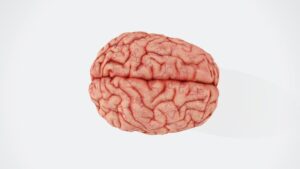
Defining the Periamygdaloid Cortex (PAMC) The Periamygdaloid Cortex (PAMC) is recognized within neuroanatomy as an area of the brain encompassing the central and lateral boundaries of the amygdaloid complex. Historically, its precise histological and functional delineation has proven challenging, leading to its frequent description as an ill-defined area. This ambiguity stems partly from its transitional […]

Read More

ANIMAL ESCAPE BEHAVIOR

Animal Escape Behavior: A Psychological and Ecological Analysis The Core Definition of Escape Behavior Animal escape behavior constitutes a fundamental class of adaptive behavior observed across the vast spectrum of the animal kingdom, including complex mammals, avians, and aquatic species. At its core, escape behavior is defined as any action or sequence of actions executed […]

Read More

ANTIPREDATOR BEHAVIOR

Antipredator Behavior Core Definition and Fundamental Mechanisms Antipredator behavior represents a crucial subset of animal behaviors that profoundly influences the survival and reproductive success of species across diverse ecosystems. At its most fundamental level, it is the collection of adaptations, both innate and learned, that organisms employ to avoid, deter, or minimize the detrimental effects […]

Read More

NOCTURNAL

NOCTURNAL Introduction to Nocturnality The term nocturnality refers to an animal behavior characterized by being active primarily during the night and sleeping during the day. This ecological and behavioral strategy is a pervasive evolutionary adaptation across a vast array of animal species, from microscopic invertebrates to large mammals and birds. Unlike their diurnal counterparts, which […]

Read More