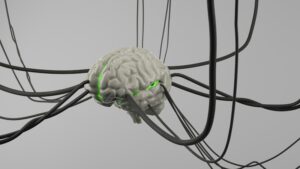
Reticular Membranes: Mapping the Brain’s Hidden Filters
Reticular Membranes and Their Profound Implications for Psychological Function The Core Definition: Unraveling Reticular Membranes as Biological Foundations A reticular membrane (RM) is a specialized type of biological membrane characterized by its intricate, mesh-like network of fibers, which typically exhibit distinct hydrophilic and hydrophobic surfaces. At its essence, this structure provides a dynamic framework that […]
FATTY ACID
Introduction and Definition of Fatty Acids Fatty acids are fundamental biological molecules, defined chemically as carboxylic acids featuring a long, aliphatic hydrocarbon chain. These essential organic compounds are a primary class of lipids, distinguished by their characteristic structure which includes a hydrophilic carboxyl head group (COOH) and a long, hydrophobic hydrocarbon tail. This amphipathic nature […]
PERMEABILITY
The concept of permeability, derived from the Latin permeare meaning “to pass through,” is fundamental to understanding physical, chemical, and biological systems. In a scientific context, permeability refers specifically to the measure of a material’s ability to allow fluids, dissolved compounds, gases, or other substances to pass through it. This intrinsic property is critically dependent […]