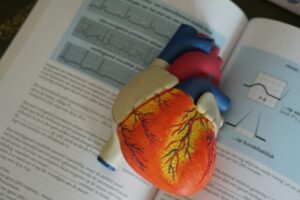
The Pressor Effect: Why Stress Spikes Your Blood Pressure
The Pressor Effect Definition of the Pressor Effect The pressor effect is a fundamental physiological response characterized by a rapid and transient increase in systemic arterial pressure. This phenomenon is intricately linked to a sudden surge in the activity of the sympathetic nervous system, a crucial component of the autonomic nervous system responsible for the […]
BARORECEPTOR
The Anatomical Localization and Physiological Purpose of Baroreceptors Baroreceptors represent a specialized class of sensory mechanoreceptors that are fundamentally integrated into the walls of major blood vessels and the chambers of the heart. These sensors are primarily concentrated within the carotid sinus and the aortic arch, where they serve as the primary monitors of systemic […]
RENIN-ANGIOTENSIN SYSTEM
The Renin-Angiotensin-Aldosterone System (RAAS) and Psychological Homeostasis The Core Definition of the Renin-Angiotensin System (RAS) The Renin-Angiotensin System (RAS), often expanded to the Renin-Angiotensin-Aldosterone System (RAAS), is one of the body’s most critical endocrine mechanisms dedicated to regulating systemic fluid balance, electrolyte levels, and ultimately, blood pressure. At its core, the system acts as a […]
CAROTID SINUS
The Carotid Sinus: A Psychophysiological Regulator The Core Definition and Fundamental Mechanism The carotid sinus is defined as a specialized, localized dilation or swelling situated at the terminal portion of the common carotid artery, specifically where it bifurcates into the internal carotid artery and the external carotid artery. This critical anatomical structure functions primarily as […]