Articles

Spatial Perception: How Your Mind Maps the World
Defining Spatial Perception and Cognition The perception of spatial relations is fundamentally defined as the...
Defining Spatial Perception and Cognition The perception of spatial relations is fundamentally defined as the...
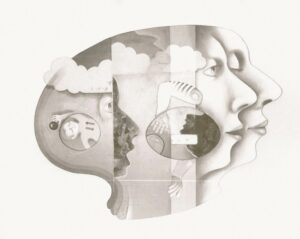
PSYCHOLOGICAL ATOMISM: Defining the Elemental Mind Psychological Atomism represents a foundational, yet historically challenged, school...

Defining the Wundt Curve: Perception and Illusion The Wundt Curve represents a compelling example of...

The Conceptual Framework of Mental Representation Mental representation constitutes a foundational concept within cognitive science...
Introduction to Chromosensory Event-Related Potential (CSERP) CSERP serves as the abbreviated designation for Chromosensory Event-Related...
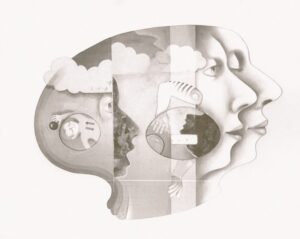
Introduction: Defining the Subject of Consciousness The concept of the Subject of Consciousness refers fundamentally...

Roger Wolcott Sperry: An Overview of Life and Groundbreaking Research (1913–1994) Roger Wolcott Sperry was...

Introduction to the Semantic Network Model The semantic network is a fundamental knowledge representation system,...
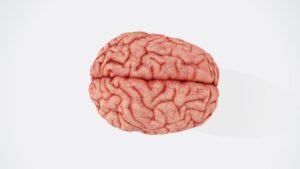
Introduction to Memory Storage Memory storage is recognized within cognitive psychology and neuroscience as the...
Introduction and Definition of Figure-Ground Distortion Figure-ground distortion is a specialized concept within perceptual psychology,...

Introduction to Experimental Introspection Experimental introspection, a foundational method championed primarily by the early school...

Introduction and Definition of Apparent Movement Apparent movement, frequently referred to in psychological literature as...