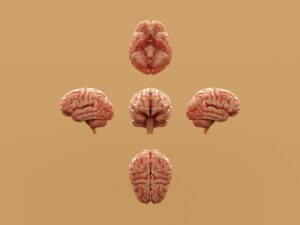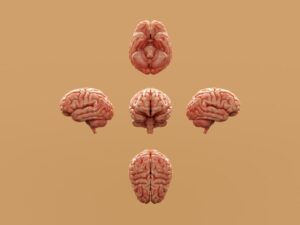
Computational Modeling: Simulating the Human Mind
Introduction to Computer Simulation Computer simulation has emerged as an indispensable analytical and predictive paradigm, utilizing advanced computational architectures to map, model, and analyze the intricate dynamics of complex systems. Across the physical, biological, and social sciences—including cognitive and behavioral psychology—this methodology serves as a highly versatile virtual laboratory. By constructing digital representations of empirical […]
Cellular Automata: Modeling the Mind’s Complex Patterns
Cellular automata (CA) are a class of discrete, abstract systems that are used to model dynamical processes. CA are composed of a grid of cells that interact with each other according to a set of predefined rules. They are often used to study complex phenomena in a wide variety of fields, including physics, biology, economics, […]
Dynamic Systems: Mapping How Your Mind Evolves Over Time
Defining the Dynamic Model Paradigm A dynamic model constitutes a sophisticated analytical framework designed to examine and predict the behavior of complex systems as they evolve through time. Unlike static models, which capture a system state at a single point, dynamic models meticulously track the continuous or discrete changes in system variables and the intricate […]