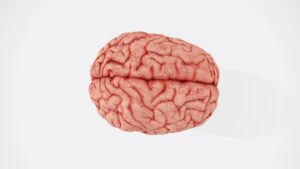
Dopamine Regulation: Unlocking the Brain’s Chemical Reward
Defining Parlodel: An Overview of Bromocriptine Parlodel is the proprietary brand name commonly associated with the pharmaceutical compound 2-bromo-alpha-ergocryptine, a potent derivative of the ergot alkaloid family. In clinical pharmacology, this substance is universally known by its generic name, Bromocriptine. As an established therapeutic agent, Parlodel functions primarily as a dopamine receptor agonist, meaning it […]
Psychosomatic Fever: How Your Mind Controls Body Heat
Introduction and Definition of Antipyretics Antipyretics constitute a critical class of pharmacological agents specifically designed to ameliorate elevated body temperature, commonly known as fever or pyrexia. A fever is not merely a symptom but rather a complex physiological response, typically indicative of an underlying immune challenge, such as an infection or inflammation. The primary function […]
Truth Serum: Unmasking the Psychology of Forced Confession
Introduction and Nomenclature The designation Pentothal serves as a highly recognized brand name for the pharmaceutical agent Thiopental Sodium, an ultrashort-acting barbiturate that historically played a pivotal role in the fields of anesthesiology and clinical psychiatry. This compound is characterized by its rapid onset of action and profound depressant effects on the central nervous system […]
Anticholinergics: Regulating Motor Control and Cognition
Introduction, Nomenclature, and Overview of Procyclidine The pharmaceutical agent known commercially under the trade name Kemadrin is chemically identified as procyclidine hydrochloride. This compound belongs to the class of anticholinergic drugs, specifically categorized as a central nervous system (CNS) active agent. Procyclidine is primarily utilized in clinical practice for its potent antimuscarinic effects, which render […]
Trihexyphenidyl: Restoring Your Mind-Body Connection
Nomenclature and Definition Artane is the widely recognized trade name for the medication trihexyphenidyl hydrochloride, a synthetic tertiary amine known primarily for its potent anticholinergic activity. Classified pharmacologically as an antimuscarinic agent, Artane is utilized extensively in neurology and psychiatry to manage movement disorders. The drug’s designation highlights its chemical structure and its mechanism of […]
Chlorprothixene: A Legacy of First-Generation Antipsychotics
Chlorprothixene (Taractan) The Core Definition and Pharmacological Class Chlorprothixene is a pharmaceutical agent classified as a typical, or first-generation, antipsychotic medication. It is most widely recognized in clinical settings by its primary trade name, Taractan. While the drug itself is chemically defined by its structure—it belongs to the thioxanthene class of compounds—its function is rooted […]