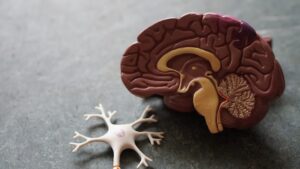
Stress is an undeniable and pervasive aspect of human existence, influencing individuals across all walks of life. The manner in which a person perceives and responds to demanding situations holds profound implications for their overall physical and mental well-being. At its most fundamental level, biological stress represents the intricate physiological and psychological reactions orchestrated by the body in response to perceived threats or challenges, whether they are physical, mental, or emotional in nature. This sophisticated adaptive system, primarily governed by the hypothalamic-pituitary-adrenal (HPA) axis, involves a complex cascade of hormonal releases, neurotransmitter activity, cytokine modulation, and a myriad of other physiological adjustments designed to prepare the organism for action. This comprehensive entry will delve into the biological underpinnings of stress, explore its physiological and psychological ramifications, and elucidate its significant implications for health and wellness, drawing upon established scientific understanding.
The Core Definition of Biological Stress
At its essence, biological stress is defined as the body’s non-specific physiological and psychological response to any demand placed upon it. This response is an evolutionary conserved mechanism, crucial for survival, enabling an organism to rapidly adapt to adverse or challenging conditions. It is not merely a subjective feeling but a deeply ingrained biological process that mobilizes energy, heightens awareness, and alters various bodily functions to address a perceived threat or maintain internal equilibrium, known as homeostasis.
The fundamental mechanism underpinning biological stress involves the activation of the central nervous system, which then signals to the endocrine system. This intricate interplay results in the rapid release of stress hormones, primarily cortisol and catecholamines such as adrenaline (epinephrine) and noradrenaline (norepinephrine). These chemical messengers act on virtually every organ and tissue in the body, initiating a coordinated set of changes intended to enhance immediate survival capabilities, often referred to as the “fight or flight” response. This physiological readiness involves shifts in metabolism, cardiovascular function, immune activity, and cognitive processing, all tailored to meet the demands of the stressor.
Expanding on this, the core idea is the body’s remarkable capacity for allostasis, which refers to achieving stability through physiological change. Unlike strict homeostasis, which aims to maintain a constant internal environment, allostasis involves proactive adjustments to anticipate and respond to perceived challenges. When the body encounters a stressor, the biological stress response acts as an allostatic mechanism, dynamically reconfiguring physiological set points to cope. However, prolonged or repeated activation of this system, without adequate recovery, can lead to allostatic load, a cumulative wear and tear on the body that contributes to various health problems.
The Hypothalamic-Pituitary-Adrenal (HPA) Axis: The Body’s Central Stress Regulator
The hypothalamic-pituitary-adrenal (HPA) axis stands as the principal neuroendocrine system responsible for governing the body’s intricate stress response. This complex network of interactions among the hypothalamus, pituitary gland, and adrenal glands is meticulously regulated through a series of feedback loops, ensuring a finely tuned and adaptable reaction to stressors. When an individual encounters a physical, psychological, or emotional stressor, sensory information is relayed to the brain, which then activates the hypothalamus, the command center of this vital axis. This initial activation marks the commencement of a sophisticated chain of events designed to prepare the body for immediate action and subsequent recovery.
Upon activation, the hypothalamus, situated deep within the brain, initiates the stress response by releasing corticotropin-releasing hormone (CRH). CRH, a potent neuropeptide, then travels a short distance through the portal system to the anterior lobe of the pituitary gland. In response to CRH stimulation, the pituitary gland promptly secretes adrenocorticotropic hormone (ACTH) into the bloodstream. ACTH, circulating throughout the body, subsequently acts upon the adrenal glands, which are small, cap-like organs perched atop the kidneys. The adrenal glands, in turn, are prompted to release a suite of hormones, with cortisol being the primary glucocorticoid involved in the body’s prolonged stress response.
Cortisol, often dubbed the “stress hormone,” is a steroid hormone that plays a multifaceted role in the body’s adaptation to stress. Its widespread effects are crucial for the classic “fight or flight” response, preparing the body to either confront or evade a perceived threat. These effects include a rapid increase in heart rate and blood pressure, which enhances blood flow to vital organs such as the muscles and brain. Additionally, cortisol elevates blood glucose levels by promoting glucose production and inhibiting its uptake by certain tissues, ensuring a readily available energy source for immediate demands. It also enhances alertness and vigilance, sharpening sensory perception and cognitive processing to facilitate quick decision-making. Furthermore, cortisol possesses potent anti-inflammatory and immunosuppressive properties, which, in the short term, can prevent excessive immune activation during acute stress, though chronic elevation can lead to detrimental immune suppression.
Historical Context and Discovery of Stress Responses
The scientific understanding of biological stress has evolved significantly over the past century, building upon foundational observations and groundbreaking research. Early insights into the body’s automatic responses to danger emerged from the work of American physiologist Walter Cannon in the early 20th century. Cannon, around the 1920s and 1930s, coined the term “fight or flight” response, describing the immediate, involuntary physiological changes that occur when an animal perceives a threat. He meticulously documented how the sympathetic nervous system and the adrenal medulla rapidly secrete adrenaline and noradrenaline, preparing the body for intense physical exertion. His work primarily focused on the acute, immediate reactions to stress and highlighted the crucial role of the autonomic nervous system in survival.
A pivotal figure in the broader conceptualization of stress was Hungarian-Canadian endocrinologist Hans Selye. Beginning in the late 1930s and continuing through the mid-20th century, Selye systematically studied the body’s reactions to various noxious stimuli. He observed that diverse stressors, ranging from extreme temperatures to surgical trauma, elicited a remarkably similar pattern of physiological responses. This led him to propose the concept of the “General Adaptation Syndrome (GAS)” in 1936. Selye’s GAS posited a three-stage response to prolonged stress: first, the alarm reaction (similar to Cannon’s fight or flight); second, the stage of resistance, where the body attempts to cope and adapt to the stressor; and third, the stage of exhaustion, where prolonged exposure to the stressor depletes the body’s resources, leading to illness and even death. Selye’s work was revolutionary because it shifted the focus from specific diseases to the non-specific response patterns underlying them, establishing stress as a central concept in medicine and psychology.
Following Selye’s seminal contributions, research into biological stress continued to expand, moving beyond general physiological responses to explore the intricate neurobiological and genetic mechanisms involved. The 1970s and beyond saw increasing attention to the role of the HPA axis, neurotransmitters, and the immune system, leading to the emergence of fields like psychoneuroimmunology. Researchers began to differentiate between acute and chronic stress, recognizing that while acute stress is adaptive, chronic stress can be highly detrimental. The historical journey from Cannon’s immediate fight or flight to Selye’s comprehensive GAS, and subsequently to modern neuroendocrinology, illustrates a deepening understanding of how the body responds to and is fundamentally altered by, the demands of its environment.
Practical Manifestations of Biological Stress
To fully grasp the intricate workings of biological stress, a practical, relatable example from everyday life can be incredibly illuminating. Consider the common scenario of an individual, Sarah, who is preparing for a significant job interview. This is not a life-threatening situation, but it presents a substantial psychological and social challenge that triggers a potent biological stress response. Sarah perceives this interview as a high-stakes event, where her future career prospects are on the line, activating a series of internal physiological adjustments designed to enhance her performance, yet potentially also overwhelming her.
As Sarah anticipates the interview, her brain, particularly the amygdala, registers the event as a potential threat or challenge to her well-being and goals. This perception rapidly activates her sympathetic nervous system, leading to the immediate release of adrenaline and noradrenaline from her adrenal medulla. Simultaneously, the HPA axis begins its activation cascade. Her hypothalamus releases CRH, stimulating the pituitary to secrete ACTH, which then prompts her adrenal cortex to release cortisol. This hormonal surge manifests in several distinct physiological changes: her heart rate quickens, her breathing becomes shallower and more rapid, her palms might start to sweat, and she experiences a heightened sense of alertness, sometimes bordering on anxiety. These are the classic “fight or flight” preparations, even though she is sitting still, mentally rehearsing her answers.
Step-by-step, the biological principle applies in her chosen example: First, the stressor appraisal occurs – Sarah evaluates the interview as demanding and important. Second, the neural signaling begins – her brain activates the sympathetic nervous system and the HPA axis. Third, hormone release follows – adrenaline, noradrenaline, and cortisol flood her system. Fourth, physiological changes ensue – increased heart rate, blood pressure, muscle tension, and heightened vigilance. This comprehensive biological response is her body’s attempt to optimize her cognitive function, focus, and energy levels for the perceived challenge. However, if this state of heightened arousal persists for too long before the interview, or if she experiences extreme anxiety, these very same biological responses can become counterproductive, leading to mental blocks, difficulty concentrating, or physical discomfort, ironically hindering her performance rather than helping it.
Significance and Broad Impact in Psychology and Health
The concept of biological stress holds immense significance within the field of psychology, serving as a crucial bridge between mental states and physical health. Understanding the physiological underpinnings of stress has fundamentally reshaped how psychologists view mental disorders, coping mechanisms, and the intricate mind-body connection. It has moved the discussion beyond purely psychological constructs to embrace the tangible biological changes that accompany emotional experiences, providing a more holistic and evidence-based framework for comprehending human behavior and well-being. This integrated perspective underscores that mental health is inextricably linked to physiological regulation, challenging simplistic dualistic views of mind and body.
The impact of biological stress is profoundly felt in various applied psychological domains, particularly in clinical psychology and therapeutic interventions. Knowledge of the HPA axis dysfunction, chronic inflammation, and altered neurotransmitter profiles associated with prolonged stress has revolutionized the treatment of mental health conditions such as depression, anxiety disorders, and post-traumatic stress disorder (PTSD). Therapies like Cognitive Behavioral Therapy (CBT) and mindfulness-based stress reduction techniques, while behavioral in nature, are often effective precisely because they help individuals regulate their physiological stress responses, leading to measurable changes in hormone levels and brain activity. Moreover, the understanding of stress biomarkers allows for more personalized treatment approaches and a better assessment of treatment efficacy.
Beyond the clinical realm, the principles of biological stress find widespread application in diverse fields. In education, understanding how stress impacts memory, attention, and learning has led to the development of stress-reduction programs for students and strategies to create more supportive learning environments. In marketing and consumer behavior, insights into how stress influences decision-making, impulsivity, and brand loyalty are used to tailor advertising and product design. In occupational health, knowledge of chronic workplace stress informs policies aimed at improving employee well-being, productivity, and reducing burnout. Furthermore, in public health, understanding the societal burden of stress-related illnesses drives initiatives focused on promoting resilience, healthy lifestyles, and early intervention to mitigate the long-term health consequences of chronic biological stress on populations.
Physiological and Psychological Effects of Chronic Biological Stress
While acute biological stress is an adaptive and life-saving response, chronic stress, characterized by prolonged or repeated activation of the HPA axis and sympathetic nervous system, can exert a profoundly detrimental impact on both physical and mental health. The sustained elevation of stress hormones, particularly cortisol, along with persistent sympathetic nervous system activation, leads to a state of chronic physiological arousal that overwhelms the body’s capacity for recovery and repair. This prolonged imbalance contributes significantly to the development and exacerbation of a wide array of severe health problems, transforming a protective mechanism into a destructive force.
On the physiological front, chronic biological stress is a major risk factor for several debilitating physical health conditions. The constant strain on the cardiovascular system due to elevated heart rate and blood pressure increases the likelihood of developing hypertension, atherosclerosis, and ultimately, a heightened risk of heart disease and stroke. Furthermore, sustained high levels of cortisol can lead to dysregulation of glucose metabolism, contributing to insulin resistance and increasing susceptibility to Type 2 diabetes. Perhaps one of the most critical effects is the suppression of the immune system; while acute stress temporarily enhances immune function, chronic stress weakens it, making individuals more vulnerable to infectious diseases, slower wound healing, and potentially increasing the risk of certain cancers. Additionally, chronic stress can disrupt digestive processes, contributing to conditions like irritable bowel syndrome (IBS), and can also impact bone density and reproductive function.
The psychological toll of chronic biological stress is equally profound, manifesting in a spectrum of mental health challenges. The persistent activation of brain regions associated with fear and anxiety, coupled with dysregulation of neurotransmitters like serotonin and dopamine, significantly increases the risk of developing or worsening anxiety disorders and major depressive disorder. Individuals under chronic stress often experience a decrease in cognitive performance, including impaired memory, reduced attention span, and difficulty with problem-solving and decision-making, as the brain’s resources are diverted to perceived threats. Furthermore, sleep disturbances, such as insomnia, are a common consequence, perpetuating a vicious cycle where lack of sleep exacerbates stress, and stress, in turn, disrupts sleep. These psychological effects can severely diminish an individual’s quality of life, impairing their ability to function effectively in personal, social, and professional domains.
Connections to Other Psychological Concepts and Broader Categories
The concept of biological stress is not an isolated phenomenon within psychology but is intricately interwoven with numerous other key theories and terms, forming a rich tapestry of understanding regarding human experience and adaptation. It is fundamentally linked to notions of allostasis and allostatic load, which describe the body’s dynamic process of maintaining stability through change and the cumulative physiological cost of chronic adaptation, respectively. Moreover, biological stress heavily influences and is influenced by coping mechanisms, referring to the behavioral and psychological efforts individuals employ to manage stressful demands. Effective coping strategies can buffer the negative biological impacts of stress, while maladaptive strategies can exacerbate them. The concept also intersects with resilience, the ability to adapt successfully in the face of adversity, often mediated by physiological processes that enable better stress recovery. Furthermore, understanding stress is central to studying trauma and its long-term effects, as traumatic experiences often lead to profound and lasting alterations in the biological stress response systems, contributing to conditions like PTSD. Finally, emotional regulation strategies are often directly aimed at managing the physiological arousal associated with stress, highlighting the deep connection between subjective experience and bodily states.
Biological stress falls under several broader categories within the vast field of psychology, reflecting its multidisciplinary nature. It is a cornerstone of Health Psychology, which explores the interplay between psychological factors, biological processes, and health and illness. Within this domain, biological stress provides a framework for understanding psychosomatic illnesses and the impact of lifestyle on disease progression. It is also a critical area within Biological Psychology (also known as Biopsychology or Behavioral Neuroscience), which focuses on the physiological, genetic, and developmental mechanisms of behavior in humans and other animals. Here, researchers examine the neural circuits, endocrine pathways, and genetic predispositions that shape an individual’s stress response.
The study of biological stress is particularly prominent in the emerging field of Psychoneuroimmunology (PNI), an interdisciplinary science that investigates the interactions among the central nervous system, the endocrine system, and the immune system. PNI provides the scientific framework for understanding how psychological stress can directly impact immune function and disease susceptibility. Additionally, its implications are profound in Clinical Psychology, where understanding stress-related physiological dysregulation is crucial for diagnosing and treating mental health disorders. By integrating insights from these diverse subfields, the study of biological stress offers a comprehensive perspective on how our internal physiological systems react to external demands, ultimately shaping our health, well-being, and capacity to navigate the complexities of life.