Articles

Dystaxia: Decoding the Mechanics of Motor Control
Conceptualizing Dystaxia and Its Clinical Significance Dystaxia is a complex neurological disorder characterized primarily by...
Conceptualizing Dystaxia and Its Clinical Significance Dystaxia is a complex neurological disorder characterized primarily by...

Introduction to Extrapyramidal Dyskinesia (ED) Extrapyramidal Dyskinesia, often abbreviated as ED, represents a complex and...

Introduction and Anatomical Context of the Putamen The Putamen is a crucial subcortical structure within...
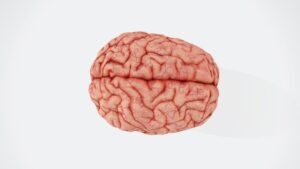
Abstract The concept of contralateral control is fundamental to understanding how the central nervous system...

Conceptual Apraxia: Definition and Scope Conceptual apraxia (CA) represents a significant acquired deficit within the...

Introduction to Akinesia Algera Akinesia algera represents a profound and challenging category of rare neurological...
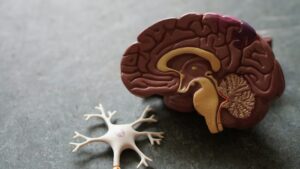
Introduction and Definition Locomotor ataxia is classified as a debilitating neurological disorder defined by a...

Introduction to Levodopa (L-dopa) Levodopa, chemically known as L-3,4-dihydroxyphenylalanine, or more commonly referred to as...

Definition and Nomenclature of Dysbasia Dysbasia, formally recognized in clinical and developmental psychology settings as...

Introduction and Conceptual Definition Tic Disorder Not Otherwise Specified (TDNOS) functions as a necessary diagnostic...

Introduction Ipsilateral deficit is a condition that affects an individual’s ability to control movements on...

Introduction and Definition of Parkinson’s Disease Parkinson’s Disease (PD) is recognized globally as a chronic...