Mundane Realism: Bridging Lab Tests and Real Life
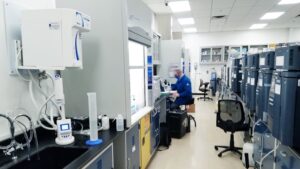
Mundane Realism The Core Definition of Mundane Realism In the realm of psychological research, mundane realism refers to the degree to which the experimental tasks and settings employed in a study replicate real-world situations and events. It addresses the question of how closely the artificial environment of a laboratory or a controlled research setting mirrors […]
EXPERIMENTAL REALISM
EXPERIMENTAL REALISM: Defining the Psychological Validity of Research Experimental realism refers critically to the extent to which an experimental setting or manipulation is sufficiently engaging and convincing to evoke genuine, spontaneous psychological processes in the research participant. It is not merely about replicating the physical environment of the outside world, but rather ensuring that the […]
REPRESENTATIVE DESIGN
Representative Design in Psychological Research The Core Definition of Representative Design Representative Design refers to a specialized methodology within experimental psychology and research design, which mandates that the conditions and stimuli used in an experiment must accurately reflect the complexities and probabilistic structure of the real-world environment to which the findings are meant to apply. […]