Articles

Mimetic Theory: Why We Copy to Define Ourselves
Definition and Etymology of Mimesis The concept of mimesis is foundational to understanding the relationship...
Definition and Etymology of Mimesis The concept of mimesis is foundational to understanding the relationship...

Zeno’s Paradoxes: Overview and Context Zeno’s Paradoxes, frequently referred to in philosophical literature as Zeno’s...

Introduction to Sympathism Sympathism stands as a profound and influential humanistic philosophy, centrally asserting that...
Noumenon: Definition, History, and Characteristics Noumenon is a philosophical concept that can be defined as...

Kairos: Definition, History and Characteristics Kairos is a Greek term that refers to the interplay...

The Foundational Definition and Scope of Karma The term Karma (Sanskrit: action, deed) is a...

JAMES, WILLIAM: Overview and Legacy William James (1842-1910) stands as the towering figure who catalyzed...

The Fundamental Nature and Definition of Negation Negation constitutes one of the most fundamental and...
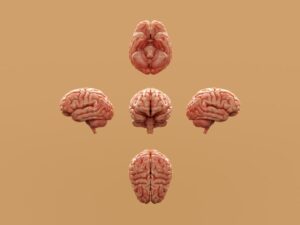
LOCKE, JOHN (1632-1704) Introduction and Overview John Locke (1632-1704) stands as a monumental figure in...

Introduction to Organicism (The Organic Viewpoint) The concept of Organicism, often referred to as the...

Defining Causation in Psychology and Philosophy Causation, at its core, denotes an empirical relationship existing...
Introduction to Cartesianism and Foundational Principles Cartesianism represents a profound philosophical and scientific tradition originating...