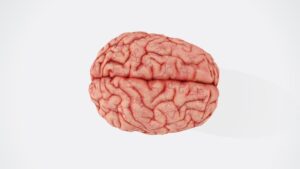
Substance Dependence: Decoding the Cycle of Addiction
Definition and Conceptual Framework Substance dependence is a complex, chronic condition characterized by a maladaptive pattern of substance use leading to clinically significant impairment or distress. It is fundamentally recognized as a neurological disorder affecting the brain’s reward, motivation, memory, and related circuitry. This condition transcends mere habituation, representing a profound shift in an individual’s […]
Physical Dependence: How the Brain Adapts to Substances
Definition and Core Concepts of Physical Dependence Physical dependence is a complex physiological phenomenon resulting from the repeated ingestion or administration of a psychoactive substance, or certain non-psychoactive medications, leading to a state of biological adaptation within the central and peripheral nervous systems. This condition is fundamentally defined by the onset of measurable, undesirable physiological […]
WITHDRAWAL SYMPTOMS
Introduction to Withdrawal Syndromes Withdrawal symptoms represent a critical and often debilitating phenomenon within the field of addiction medicine and psychology. They are defined as a complex cluster of physical and psychological disturbances that manifest when an individual who has developed physical dependence suddenly reduces or completely ceases the consumption of a psychoactive substance. This […]