Thought Insertion: When Your Mind Isn’t Your Own
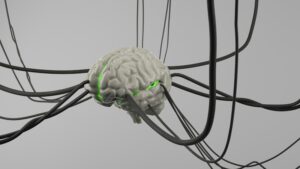
Thought Insertion The Core Definition of Thought Insertion Thought insertion is a profound and distressing delusional disorder where an individual holds an unwavering conviction that their thoughts are not their own, but rather have been implanted or inserted into their mind by an external, alien force. This phenomenon represents a fundamental disturbance in the experience […]
FUNCTIONAL PSYCHOSIS 1
FUNCTIONAL PSYCHOSIS 1: A REVIEW OF RECENT RESEARCH AND CLINICAL PERSPECTIVES Functional psychosis, often referred to as psychogenic psychosis or acute reactive psychosis, represents a distinct category of mental health disorder characterized by the abrupt emergence of severe psychotic symptoms that are not attributable to a primary organic cause, chronic underlying psychiatric illness, or substance […]
SENILE PSYCHOSIS (DELIRIOUS AND CONFUSED TYPE)
SENILE PSYCHOSIS (DELIRIOUS AND CONFUSED TYPE): Introduction and Context Senile psychosis, a historical term broadly encompassing severe mental disorders rooted in advanced age, is now understood primarily within the framework of major neurocognitive disorders, commonly referred to as dementia. This category represents a profound deterioration of cognitive processes, including memory, reasoning, judgment, and language, which […]
PSYCHOSIS WITH MENTAL RETARDATION
Psychosis presenting in individuals diagnosed with mental retardation, now widely referred to as intellectual disability (ID), represents a complex and challenging area within clinical psychology and psychiatry. This co-occurrence is not merely the simultaneous existence of two distinct conditions; rather, it describes a unique clinical scenario where the underlying neurodevelopmental differences significantly influence the presentation, […]
SCHIZOAFFECTIVE DISORDER
Definition and Diagnostic Criteria Schizoaffective Disorder (SAD) represents a complex and often challenging psychiatric diagnosis characterized by the simultaneous or sequential occurrence of symptoms defining both schizophrenia and a major mood disorder (either Bipolar or Major Depressive Disorder). Historically, as codified in systems like the DSM-IV-TR, this condition was viewed as an intermediate or boundary […]
MODEL PSYCHOSIS
was a technique used widely in the 1950s in which drugs were deliberately injected into animal subjects to induce psychotic symptoms. MODEL PSYCHOSIS: “Model psychosis was instigated by injecting drugs into animals and allowing the symptoms to develop.”
MOOD-CONGRUENT PSYCHOTIC FEATURES
Mood-Congruent Psychotic Features The Core Definition of Mood-Congruence Mood-congruent psychotic features constitute a specific classification used within clinical psychology and psychiatry to describe the presence of psychotic features—specifically delusions or hallucinations—whose thematic content is entirely consistent with the patient’s prevailing emotional state. This consistency means that the content of the psychosis reflects, reinforces, or logically […]
PSYCHOTIC DISORDER NOT OTHERWISE SPECIFIED
Psychotic Disorder Not Otherwise Specified Core Definition of Psychotic Disorder Not Otherwise Specified The term Psychotic Disorder Not Otherwise Specified (PD-NOS) was historically employed within the Diagnostic and Statistical Manual of Mental Disorders, Fourth Edition (DSM-IV), to categorize individuals who presented with significant psychotic symptoms but did not fully meet the diagnostic criteria for any […]
DOPAMINE HYPOTHESIS
Dopamine Hypothesis Introduction to the Dopamine Hypothesis The Dopamine Hypothesis stands as one of the most enduring and influential theories in the realm of biological psychiatry and neuroscience, fundamentally shaping our understanding and treatment approaches for severe mental illnesses, most notably schizophrenia. At its core, this hypothesis posits that the neurotransmitter dopamine plays a critical […]
TOXIC PSYCHOSIS
Toxic Psychosis Understanding Toxic Psychosis: A Core Definition Toxic psychosis is a profound psychiatric condition characterized by the acute emergence of psychotic symptoms that are directly attributable to the physiological effects of a psychoactive substance or a general medical condition involving a toxin. Unlike primary psychotic disorders such as schizophrenia, which develop endogenously, toxic psychosis […]
BRIEF PSYCHOTIC DISORDER
Brief Psychotic Disorder Introduction: Defining Brief Psychotic Disorder Brief psychotic disorder (BPD) is a distinct psychiatric condition characterized by the sudden onset of psychotic symptoms that are transient in nature. This disorder stands apart due to its limited duration, typically lasting anywhere from a single day to less than one month. Crucially, a full return […]
SUBSTANCE-INDUCED PSYCHOTIC DISORDER
SUBSTANCE-INDUCED PSYCHOTIC DISORDER Introduction to Substance-Induced Psychotic Disorder Substance-Induced Psychotic Disorder (SIPD) represents a significant mental health condition characterized by the emergence of psychotic symptoms, such as delusions and hallucinations, that are directly attributable to the physiological effects of a substance. This substance can be a drug of abuse, a medication, or exposure to a […]
SITUATIONAL PSYCHOSIS
Situational Psychosis Understanding Situational Psychosis: A Core Definition Situational psychosis, often referred to in clinical contexts as an acute and transient psychotic disorder or an acute and transient psychotic episode, represents a distinct and challenging psychiatric condition. At its core, it is characterized by the sudden and often dramatic onset of psychotic symptoms that are […]