Taphophilia: Finding Comfort in the Sacred Grave
Scientifically Reviewed · Dr. Marwa Abd-Alazim · October 18, 2026
Review Criteria & Clinical Standards
This content undergoes rigorous scientific peer-review and medical editorial standards at Arab Psychology Network to ensure clinical accuracy, validity, and compliance with evidence-based guidelines from leading psychological and healthcare authorities (APA / WHO).
The Core Definition of Taphophilia
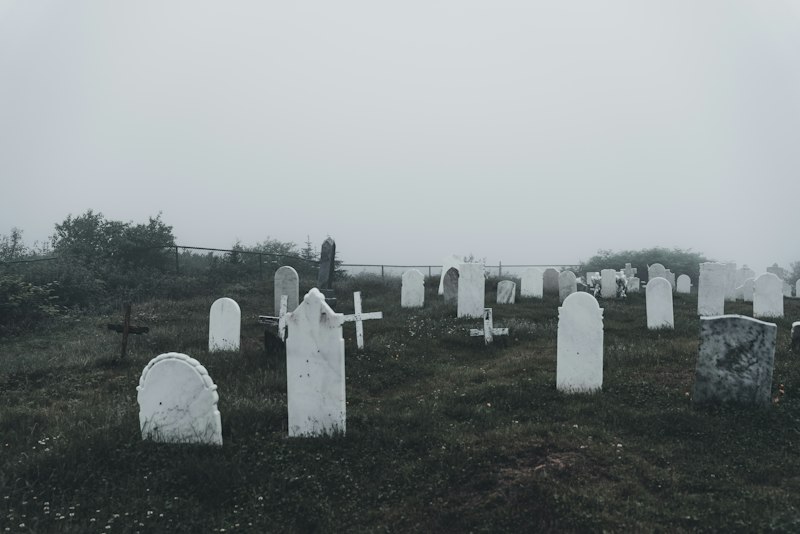
Taphophilia, derived from the Greek words taphos (tomb or grave) and philia (loving), is broadly defined as a fascination with or devotion to cemeteries, graves, and funeral practices. While the colloquial usage often refers to the aesthetic appreciation of funerary architecture and historical burial sites, the academic discipline of taphophilia encompasses the rigorous, interdisciplinary study of how human societies manage death, disposal of the deceased, and the associated rituals. This field acts as a critical bridge between archaeology, sociology, history, and psychology, seeking to understand the deep cultural significance embedded within death rituals and memorialization across different epochs and geographies. It moves beyond simple cataloging of tombs to analyze the profound ways in which the practices surrounding death reflect and reinforce the beliefs, values, and hierarchies of the living community.
The core mechanism explored within this area of study centers on the recognition that funerary practices are not merely biological necessities but crucial social performances. These performances—which include everything from the preparation of the body to the construction of elaborate monuments—serve the dual purpose of processing individual grief and maintaining the integrity of the collective group. Funerary rites provide a structured, culturally sanctioned means of transition, both for the soul of the deceased and for the social roles they once occupied. Understanding this mechanism allows researchers to decode complex societal norms, religious convictions, and even the political dynamics that dictate how resources (time, labor, wealth) are allocated to honor the dead, highlighting the powerful connection between mortality and cultural expression.
Academic taphophilia necessitates a highly nuanced approach, recognizing that a funeral is a complex text composed of material culture, verbal traditions, and emotional expressions. Researchers must consider the immediate practical requirements—such as hygiene and disposal—alongside the symbolic demands, such as ensuring the deceased’s successful journey to the afterlife or cementing their legacy among the living. The expansive nature of this field means that a taphophilic study might analyze Neolithic burial mounds in Europe, elaborate Egyptian mummification techniques, or modern digital memorialization practices, all under the unifying theme of how humanity attempts to structure, control, and make meaning of the inevitable reality of death.
Historical and Interdisciplinary Foundations
The investigation into funerary practices has deep roots, particularly within the development of modern anthropology and archaeology. Early archaeological evidence for structured funerary practices dates back as far as the Middle Paleolithic period, with intentional burials suggesting early forms of symbolic thought and reverence for the dead. Key figures in the formal academic study include Émile Durkheim, who explored the relationship between religious practices and social structure, and Arnold van Gennep, whose 1909 work, The Rites of Passage, formalized the concept of liminality and transition inherent in all life events, especially death. Van Gennep’s framework established that funerary rites consist of separation (from the living world), transition (the liminal period of mourning), and incorporation (the integration of the bereaved back into society).
The 20th century saw the integration of these ideas into dedicated subfields, particularly within cultural anthropology and Mortuary Archaeology. The latter discipline, emerging strongly from the processual archaeology movement, began treating burial sites not just as repositories of artifacts but as primary data sources reflecting social organization, hierarchy, and ideological systems. Researchers realized that the resources expended on a grave—the richness of grave goods, the complexity of the tomb construction, and the effort required for the interment—provided a direct, tangible representation of the deceased’s status within the living community. Therefore, the historical foundation of taphophilia is firmly rooted in the empirical analysis of material culture as a window into immaterial belief systems.
Furthermore, taphophilia finds strong synergy with historical studies, which analyze changes in funerary customs over time, often reflecting major societal shifts. For instance, the transition from large, communal burial grounds to private, family-oriented plots during the Victorian era reflects changing attitudes toward individualism, industrialization, and the increasing privatization of grief. The systematic study of such historical transitions provides crucial context, demonstrating how economic, political, and religious developments invariably shape the way societies handle death. This interdisciplinary reliance on historical records, ethnographic observation, and archaeological excavation solidifies taphophilia as a robust area of social inquiry.
Mechanisms: Death, Identity, and Social Cohesion
One of the fundamental mechanisms that funerary practices address is the maintenance of social cohesion in the face of disruptive loss. A death represents not just the loss of an individual, but a rupture in the existing social network. Funerary rituals, therefore, serve as highly structured mechanisms designed to minimize social chaos. By prescribing specific behaviors, roles, and temporal limits for mourning, society guides the bereaved through a potentially destabilizing period, ensuring that established hierarchies and relationships are reaffirmed rather than dissolved. This prescriptive nature is evident in formalized mourning attire, designated periods of seclusion, and the collective gathering of community members, which visibly demonstrates the continued strength and solidarity of the group despite the loss.
Another critical mechanism is the management of the identity of the deceased. In many cultures, the act of burial or cremation transforms the biological corpse into a spiritual ancestor or a memory. The ritualized handling of the body—from washing and dressing to the actual placement in the earth—is intended to facilitate this transformation, ensuring that the deceased successfully moves from the realm of the living to the realm of the dead. If these death rituals are not performed correctly, it is often believed that the spirit of the deceased may linger, causing harm to the living. This mechanism underscores the power of ritualistic action in defining metaphysical boundaries and ensuring cosmic or spiritual order, a psychological need deeply rooted in the human quest for meaning and control over the unknown.
Psychologically, funerary practices operate as powerful coping mechanisms for the survivors. They provide a tangible structure for processing intense grief, transforming abstract pain into concrete actions. The acts of viewing the body, delivering eulogies, or scattering ashes are all steps in a guided process of acknowledgment and acceptance. This active participation in the rite allows the bereaved to slowly adjust their internal schemas to accommodate the reality of the loss, leading ultimately to psychological reintegration. Without these structured mechanisms, the process of mourning can become pathologically prolonged or disorganized, highlighting the necessity of culturally sanctioned routines for healthy psychological closure and the re-establishment of personal stability within a newly configured social structure.
Applying Taphophilia: A Real-World Scenario
To illustrate the principles of taphophilia, consider the modern Western funeral scenario involving a traditional wake, a formal religious service, and a subsequent burial or cremation. This entire sequence, spanning several days, is a complex tapestry of social, psychological, and material expressions. The first step, the wake or visitation, often involves the viewing of the body. Psychologically, this serves as the powerful moment of confrontation with the reality of death, moving the loss from an abstract concept to a concrete, undeniable fact, which is a vital step in initiating the grief process. Socially, the wake allows for informal expressions of support and the immediate reaffirmation of the community bonds surrounding the deceased’s family.
The next phase, the formal service, represents the high point of structured ritual. Here, the deceased’s life is publicly narrated and consecrated through eulogies and prayers. The content of the eulogy is critical from a taphophilic perspective, as it serves to finalize the deceased’s social identity, selectively highlighting virtues and achievements that the community wishes to remember and incorporate into its collective history. This act of public narrative is essential for confirming the value of the lost individual and providing spiritual context for their passing, often employing shared religious or cultural narratives to provide comfort and meaning to an otherwise senseless event. The formality of the setting—the church, chapel, or funeral home—further emphasizes the seriousness and importance of the transition being enacted.
The final phase, the committal (burial or cremation), is the definitive act of physical separation. If burial occurs, the choice of clothing, casket, and grave marker are all elements of material culture analyzed by taphophilia; these choices reflect socio-economic status, personal taste, and cultural permanence. If cremation is chosen, the subsequent handling of the ashes (e.g., scattering, interring in an urn, or turning into jewelry) reflects evolving contemporary attitudes toward bodily disposal and memorialization. Crucially, the post-committal gathering, often a reception or meal, marks the final transition: the integration of the mourners back into everyday life, symbolically achieved through the shared act of eating and the resumption of normal social interaction, signaling that the structured period of intense mourning has concluded.
Significance and Contemporary Applications
The significance of taphophilia extends far beyond historical curiosity; it provides essential frameworks for understanding human interaction with mortality, which is a pervasive element of all cultures. In the field of psychology, insights derived from the study of funerary rituals are directly applicable to grief counseling and clinical interventions. By understanding the culturally prescribed stages and expectations of mourning, clinicians can better assess whether a patient’s grief response is normative within their cultural context or indicative of complicated grief, allowing for more targeted and culturally sensitive therapeutic strategies. This is particularly crucial in multicultural societies where funeral expectations can vary drastically.
In contemporary society, taphophilic research informs fields such as public health, urban planning, and cultural heritage management. Urban planners and architects use principles derived from the study of cemetery design and funerary architecture to create meaningful, enduring, and accessible public spaces that function as green infrastructure and sites of historical reflection. Furthermore, the rise of digital memorialization—online obituaries, virtual cemeteries, and social media tributes—presents a new frontier for taphophilia, examining how technology is reshaping traditional death rituals and the construction of posthumous identity in the 21st century. This study ensures that the societal response to death remains relevant and meaningful in an era of rapid technological change.
Furthermore, taphophilia holds significant legal and ethical implications, particularly concerning the repatriation of human remains and the management of ancestral burial grounds. By providing an accurate, detailed anthropological and archaeological understanding of historical funerary practices, this field supports indigenous communities seeking to reclaim or protect sacred sites. This application underscores the importance of the study in addressing historical injustices and promoting ethical stewardship of cultural heritage. Through careful analysis of burial patterns and mortuary evidence, researchers contribute factual data used in policy-making regarding cultural resource management and the recognition of diverse ancestral rights.
Physical Remains: Mortuary Archaeology and Architecture
A significant component of academic taphophilia is the empirical study of physical remains through Mortuary Archaeology. This sub-discipline focuses specifically on the analysis of burial sites, including the treatment of the body, the types of grave goods interred, the orientation of the grave, and the architectural complexity of the tomb. The presence or absence of grave goods, for instance, can indicate beliefs about the afterlife (whether the deceased needs tools or resources for the next journey) or, more practically, reflect the socio-economic status and specialized role of the individual in life. A burial containing specialized tools might denote a craftsperson, while one rich in exotic materials suggests high status and access to extensive trade networks.
Funerary architecture serves as a powerful, enduring statement of status and cultural ideology. From the simple, unmarked graves of egalitarian societies to the massive, labor-intensive monuments like the pyramids of Egypt or the monumental mausoleums of Roman emperors, the investment in funerary architecture is a quantifiable measure of the deceased’s importance and the society’s capacity for collective organization. These architectural choices are intrinsically linked to the concepts of memory and permanence; they are designed to anchor the deceased’s legacy in the physical landscape, ensuring that the living community continues to interact with and remember the dead long after the immediate generation has passed. Taphophilia thus interprets these structures as intentional cultural landscapes, designed to influence the behavior and beliefs of the living.
The study of physical remains also provides critical bioarchaeological data. Analysis of skeletal remains can reveal information about diet, disease, trauma, and overall health of past populations, adding depth to the understanding of their lives before death. When this biological data is combined with the cultural data derived from the grave’s context, researchers can paint a comprehensive picture of ancient societies. For example, finding evidence of ritualistic sacrifice or differential treatment of certain individuals (such as children or foreigners) within burial grounds offers profound insights into ancient social hierarchies, power structures, and beliefs about personhood, reinforcing the crucial role of the material record in understanding the invisible dimensions of human culture.
Connections to Psychological Theory
Taphophilia is profoundly connected to several major psychological theories, particularly those related to coping, attachment, and the construction of meaning. One of the most prominent links is with Terror Management Theory (TMT). TMT posits that the awareness of inevitable death (terror) motivates humans to adhere to cultural worldviews (including social structure and religious beliefs) that provide a sense of symbolic immortality. Funerary practices are the ultimate manifestation of this need, providing formalized mechanisms—such as the belief in an afterlife or the creation of lasting monuments—that allow individuals to transcend physical mortality and manage existential anxiety.
The field also interacts heavily with Cognitive Psychology, specifically concerning how individuals process traumatic information and adjust their internal schemas following a major loss. Funerary rituals act as structured cognitive processes that facilitate the necessary schema adjustment—the process by which the bereaved move from a reality where the loved one exists to one where they do not. The repetitive, predictable nature of ritual helps stabilize the mind during a period of high emotional stress, allowing for gradual integration of the new reality. Furthermore, attachment theory, developed by John Bowlby, provides a framework for understanding grief as a reaction to the disruption of deep emotional bonds; funerary rites provide a mechanism for the ritualized severance and re-formation of those bonds into a memory-based relationship.
The broader category of psychology to which taphophilia most strongly relates is Cultural Psychology and Social Psychology.
Key related concepts include:
- Liminality: The state of being “in between” worlds, characteristic of the immediate mourning period where the deceased is neither fully present nor fully gone.
- Symbolic Immortality: The ways in which people strive to live on after death, either through their children, their works, or enduring monuments, a concept central to the study of memorialization.
- Mourning vs. Grief: Taphophilia examines mourning (the culturally dictated behaviors surrounding loss) as distinct from grief (the internal, emotional response), recognizing that the former dictates the expression of the latter.
- Commemoration: The study of how societies actively manage and maintain memory through traditions, holidays, and physical sites like cemeteries (analyzed under Taphophilia).
By bridging the empirical evidence of archaeology with the theoretical frameworks of psychology, taphophilia offers a holistic and powerful lens through which to examine one of humanity’s most universal and defining experiences: confronting death.