Gustatory Perception: How Taste Cells Shape Your Reality
Scientifically Reviewed · Dr. Marwa Abd-Alazim · September 12, 2026
Review Criteria & Clinical Standards
This content undergoes rigorous scientific peer-review and medical editorial standards at Arab Psychology Network to ensure clinical accuracy, validity, and compliance with evidence-based guidelines from leading psychological and healthcare authorities (APA / WHO).
Introduction to the Taste Cell
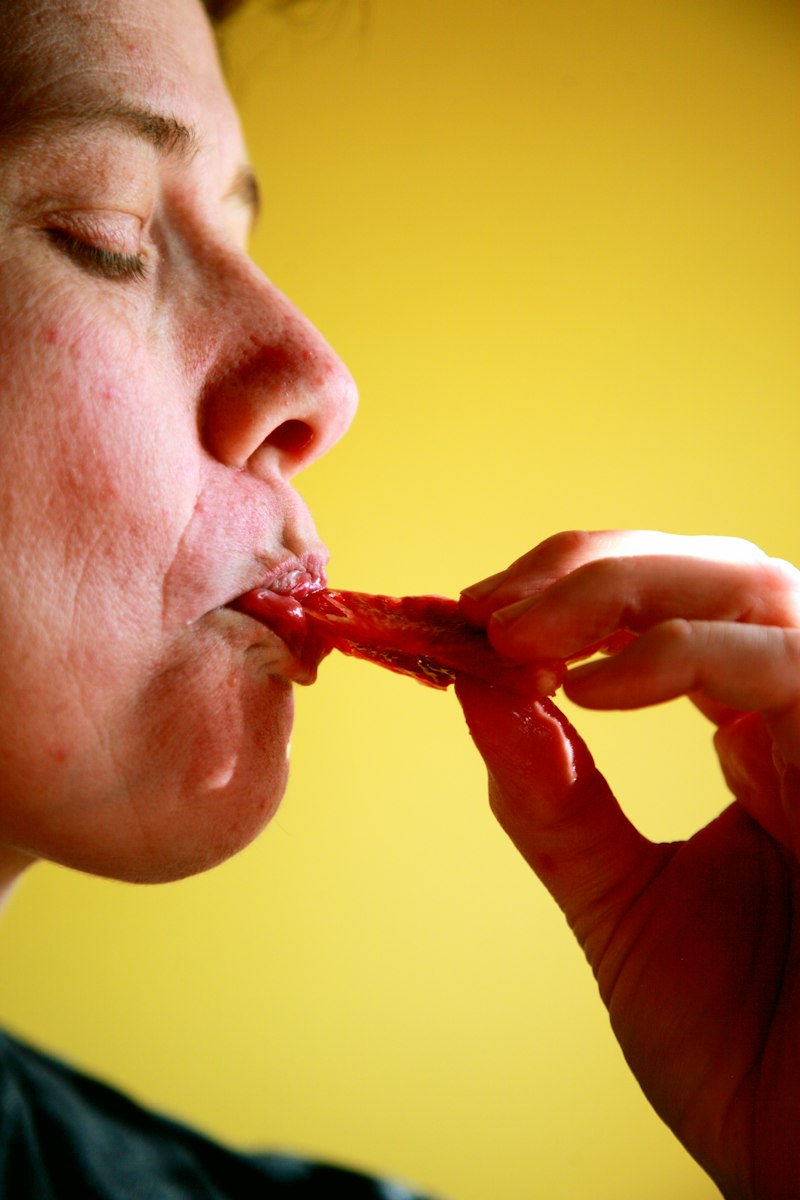
The taste cell, formally termed a gustatory receptor cell, represents the fundamental sensory unit responsible for the chemical detection of substances dissolved in saliva. These specialized neuroepithelial cells are crucial components of the peripheral nervous system, serving as the initial transducers of gustatory stimuli. Positioned strategically within the taste buds, which themselves are embedded primarily within the lingual papillae of the tongue, the taste cells facilitate the complex process by which chemical signals are converted into neural impulses legible to the brain. This intricate sensory apparatus allows organisms to discriminate between potentially nutritious food sources and harmful, toxic substances, thereby playing a vital role in both nutrition and survival mechanisms. Estimates suggest that the human tongue houses a remarkably high number of these sensory units, often cited to be approximately 300,000 taste cells distributed across thousands of individual taste buds.
Each taste cell operates highly specifically, possessing receptors and ion channels tuned to detect particular chemical signatures that correspond to the established basic taste qualities: sweet, sour, salty, bitter, and umami. The physical structure of the cell is optimized for this detection, featuring microvilli—minute hair-like projections—that extend through the taste pore and directly interact with the chemical environment of the oral cavity. This direct exposure necessitates a mechanism for constant renewal and protection, given the harsh mechanical and chemical conditions encountered during ingestion. The efficiency and sensitivity of these cells allow for the remarkable perception and discrimination of flavors, though it is important to remember that the holistic sensation of “flavor” involves synergistic input from olfaction, texture, and temperature, with the taste cell providing the core chemical foundation.
The evolutionary development of the taste cell reflects its critical importance. The ability to quickly assess the chemical composition of potential food items dictates feeding behavior and caloric intake. For instance, the detection of bitterness often serves as a potent warning signal, as many naturally occurring toxins are bitter, triggering immediate rejection. Conversely, the perception of sweetness or umami signals the presence of necessary carbohydrates or proteins, respectively, driving consummatory behavior. Thus, the taste cell is not merely a passive detector but an active component in the homeostatic regulation of nutrient uptake and the defense against environmental hazards, linking peripheral sensation directly to complex behavioral outcomes.
Anatomy and Microstructure within the Taste Bud
The organizational structure of the taste system centers around the taste bud, a specialized, onion-shaped epithelial structure typically housing fifty to one hundred individual taste cells. These buds are embedded within the stratified squamous epithelium of the oral mucosa, predominantly located on the dorsal surface of the tongue within specialized mucosal projections known as papillae. Specifically, taste buds are concentrated within the fungiform papillae (located on the anterior two-thirds of the tongue), the foliate papillae (on the lateral edges), and the large circumvallate papillae (forming a V-shape near the back of the tongue). A small number of taste buds can also be found in the soft palate, epiglottis, and pharynx, contributing to a broader area of gustatory sensitivity.
The taste cell itself is elongated, extending from the basal lamina at the bottom of the bud toward the apical surface, which opens into the oral cavity via the taste pore. It is at the apical end that the critical sensory apparatus resides: the microvilli, or taste hairs. These microvilli are covered in receptors and ion channels and are bathed in a layer of mucus and saliva, providing the medium through which tastants (taste molecules) reach the binding sites. The basal end of the cell often forms synaptic connections with the afferent nerve fibers of the cranial nerves, allowing the transduced chemical signal to be rapidly transmitted to the brainstem. The integrity of the taste bud is maintained by surrounding support cells (often classified as Type I cells), which structurally maintain the environment and may also play a role in regulating the external potassium concentration around the sensory cells.
The complexity of the taste bud ensures functional integration and support. Within this micro-organ, there are typically four distinct morphological types of cells identified through electron microscopy and physiological studies. These include the supporting cells (Type I), the receptor cells responsible for sweet, bitter, and umami (Type II), the presynaptic cells responsible for sour taste (Type III), and the basal cells (Type IV), which are proliferative stem cells essential for the constant renewal of the other cell types. This multi-cellular organization highlights that taste sensation is a highly dynamic and collaborative process, where various specialized epithelial cells work in concert to achieve chemical detection and neural signal generation, ensuring high fidelity and rapid response to chemical changes in the oral environment.
Classification and Functional Types of Taste Cells
While the source material historically refers to four types of functional taste detection, modern cellular biology identifies distinct morphological and functional categories of taste cells that handle the five basic tastes. The primary structural classification divides the cells into four groups based on their morphology and synaptic characteristics. The Type I cells, which are the most numerous, are generally considered glial-like supporting cells, although emerging research suggests they might also mediate salty taste perception. They envelop the other sensory cells, providing structural and biochemical support, including the regulation of neurotransmitter reuptake and fluid homeostasis within the taste bud.
The true sensory units responsible for detecting bitter, sweet, and umami tastes are the Type II Receptor Cells. These cells are non-synaptic; instead, they utilize G-protein coupled receptors (GPCRs) for signal detection. When a tastant (e.g., sugar for sweet, amino acids for umami, or alkaloids for bitter) binds to its specific GPCR on the microvilli, it initiates a complex intracellular signaling cascade involving the release of calcium and the subsequent release of ATP (Adenosine Triphosphate) through specialized channels. This ATP acts as a primary neurotransmitter, diffusing to the adjacent Type III cells and nerve fibers, thereby initiating the neural signal without forming a traditional chemical synapse.
The Type III Presynaptic Cells are primarily responsible for detecting the sour taste, corresponding to the presence of hydrogen ions (H+). Unlike Type II cells, Type III cells form conventional chemical synapses with afferent nerve fibers. The entry of H+ ions through specific ion channels causes membrane depolarization, leading to the opening of voltage-gated calcium channels. This influx of calcium triggers the release of serotonin (5-HT) from synaptic vesicles into the synaptic cleft, transmitting the signal directly to the sensory neuron. Finally, the Type IV Basal Cells, located at the base of the taste bud, are proliferative stem cells. They continuously divide and differentiate into the other three cell types, ensuring the necessary turnover and regeneration required by the exposed location of the taste bud.
Mechanisms of Gustatory Transduction
Gustatory transduction—the process by which chemical energy is converted into electrical energy—occurs through two primary mechanisms depending on the chemical nature of the tastant. The perception of salty and sour tastes relies predominantly on direct interaction with ion channels, known as ionotropic mechanisms. For salty taste, the presence of sodium ions (Na+), typically derived from sodium chloride, enters the taste cell directly through specialized epithelial sodium channels (ENaCs). This influx of positive charge causes the depolarization of the cell membrane. Similarly, sour taste involves the passage of hydrogen ions (H+) into the Type III presynaptic cell, which blocks potassium channels, leading to depolarization and the subsequent release of serotonin, as detailed previously. These ionotropic mechanisms are characterized by their speed and directness, providing rapid feedback on electrolyte balance and acidity.
In contrast, the detection of sweet, bitter, and umami tastes utilizes highly specific G-protein coupled receptor (GPCR) systems, referred to as metabotropic mechanisms. These mechanisms involve a complex signal amplification pathway. When a tastant molecule binds to its specific receptor on the Type II cell surface—for example, T1R2+T1R3 for sweet, T1R1+T1R3 for umami, or the T2R family for bitter—the receptor activates an intracellular G-protein complex called gustducin. This activation initiates an internal cascade that cleaves phosphatidylinositol bisphosphate (PIP2) into inositol triphosphate (IP3) and diacylglycerol (DAG). The increase in IP3 triggers the release of calcium from intracellular stores, which, in turn, opens a specific channel (TRPM5) allowing sodium influx and membrane depolarization.
The culmination of both ionotropic and metabotropic signaling is the generation of a receptor potential, leading to the release of a signaling molecule that excites the adjacent afferent nerve fiber. In Type II cells, this molecule is ATP, which acts paracrinally on nearby nerve endings and Type III cells. In Type III cells, the signal is primarily serotonin, released via conventional synapses. This intricate differentiation in signaling pathways underscores the sensitivity and specificity of the gustatory system. It is critical to note that while individual taste cells are typically tuned most sensitively to one primary taste quality, the overall perception of flavor relies on the combinatorial coding of signals from thousands of cells, creating the nuanced spectrum of human taste perception.
The Dynamic Lifecycle and Renewal of Taste Cells
One of the most remarkable characteristics of the taste cell population is its extraordinarily high rate of turnover and regeneration. Unlike permanent neurons in the central nervous system, taste cells are continuously exposed to mechanical stress, thermal fluctuations, and potentially cytotoxic agents present in ingested food and saliva. To maintain functional integrity, the average lifespan of a mature taste cell is remarkably brief, typically ranging between ten and fourteen days before it undergoes programmed cell death (apoptosis) and is replaced. This continuous renewal process is essential for sustained gustatory function throughout an organism’s life.
The responsibility for this constant regeneration rests primarily with the Type IV Basal Cells, which function as progenitor or stem cells located at the periphery of the taste bud. These basal cells proliferate through mitosis and then differentiate into new Type I, II, and III cells. The differentiation pathway is highly regulated, ensuring that the appropriate proportion and spatial arrangement of functional cell types are maintained within the taste bud. As basal cells migrate apically and mature, they acquire the specialized receptors, ion channels, and synaptic machinery characteristic of their designated taste modality. This constant replacement cycle ensures that damaged or senescent cells are rapidly cleared, preserving the high acuity of the gustatory system.
Disruptions to this renewal cycle can significantly impact taste perception. Factors such as aging, nutritional deficiencies, certain medications (e.g., chemotherapy agents), and local trauma or infection can interfere with the proliferation rate of basal cells or the proper differentiation of new taste cells, often leading to conditions such as hypogeusia (reduced taste sensitivity) or ageusia (complete loss of taste). Furthermore, exposure to high doses of radiation or specific toxins can destroy the basal cell population, leading to prolonged or permanent taste loss. Research into the molecular mechanisms governing basal cell differentiation holds significant promise for therapeutic interventions aimed at restoring taste function in patients suffering from gustatory disorders.
Neural Projection Pathways
The signals generated by the taste cells must be relayed efficiently and accurately to the brain for interpretation. This transmission involves specialized primary afferent neurons whose dendrites synapse with the taste cells at the base of the taste bud. Critically, the gustatory input from the tongue is carried by three distinct cranial nerves, reflecting the anatomical distribution of the taste buds. The anterior two-thirds of the tongue, primarily involving the fungiform papillae, is innervated by the Chorda Tympani nerve, a branch of the Facial Nerve (Cranial Nerve VII). The posterior one-third of the tongue, encompassing the circumvallate and foliate papillae, sends its signals via the Glossopharyngeal Nerve (Cranial Nerve IX). Finally, a small number of taste buds located in the epiglottis and pharynx are innervated by the Vagus Nerve (Cranial Nerve X).
All three cranial nerves converge upon the same central processing station in the brainstem: the rostral portion of the Nucleus of the Solitary Tract (NST), also known as the gustatory nucleus. This convergence point is essential for integrating the spatially distributed taste information into a coherent signal. From the NST, secondary neurons project ipsilaterally (on the same side) to the thalamus, specifically targeting the ventral posteromedial nucleus (VPM). The thalamus acts as a crucial relay station, filtering and modulating the sensory information before transmitting it to the final cortical destination.
The tertiary neurons project from the thalamus to the primary gustatory cortex, which is located in the frontal operculum and the insular cortex. This region is considered the primary center for conscious taste perception and discrimination. Furthermore, the gustatory signals are also relayed to other important brain regions, including the hypothalamus and the amygdala. These projections are vital for integrating taste information with other sensory modalities and motivational states. For example, pathways to the hypothalamus mediate feeding behavior and satiety, while projections to the amygdala contribute to the emotional and memory associations tied to specific tastes, such as the inherent aversion to bitter substances, ensuring the functional significance of the initial chemical detection performed by the taste cells.
Functional Significance and Behavioral Role
The primary function of the taste cell transcends mere chemical detection; it serves as a critical biological sensor that guides complex feeding behavior and ensures physiological homeostasis. The ability of these cells to rapidly distinguish between the five basic taste qualities provides immediate and actionable information about the nutritional content and potential toxicity of ingested substances. For instance, the detection of sweet and umami through Type II cells signals the presence of necessary caloric energy (sugars) and protein building blocks (amino acids), respectively, driving appetitive behavior and promoting consumption vital for energy balance and growth.
Conversely, the highly sensitive detection of bitter compounds by specialized taste cells acts as a powerful defensive mechanism. Since many naturally occurring toxins and poisons, particularly plant alkaloids, are bitter, the strong aversive response triggered by bitter taste cells is crucial for minimizing the intake of harmful substances, thereby protecting the organism from acute toxicity. Similarly, the ability to sense saltiness (sodium) is vital for maintaining electrolyte balance and fluid volume, particularly in environments where sodium intake may be scarce. The integration of all these signals allows an animal to construct a complete sensory profile of its food and make informed decisions about its safety and value.
Furthermore, the functional output of the taste cell is not static. It is subject to processes such as adaptation and modification. Taste adaptation occurs when continuous exposure to a single tastant temporarily reduces sensitivity to that specific compound, allowing the system to reset and detect new chemical inputs. Modification, often seen when one substance alters the perception of another (e.g., the effect of artichokes on subsequent water taste), highlights the dynamic interaction between different cellular signaling pathways. Ultimately, the collective activity of all 300,000 taste cells on the tongue provides the foundational input that is integrated with olfactory and somatosensory information to produce the rich, nuanced perception of flavor, which is intrinsically linked to memory, pleasure, and survival.
Clinical Relevance and Associated Dysfunctions
Disorders affecting the function of taste cells can significantly diminish quality of life and potentially compromise nutritional status. The general term for a quantitative reduction in taste sensitivity is hypogeusia, while the complete absence of taste perception is termed ageusia. A more complex and often distressing condition is dysgeusia, which involves the perception of a persistent, unpleasant, or phantom taste sensation in the absence of a chemical stimulus, frequently described as metallic or burnt. These dysfunctions can arise from damage directly to the taste cells, interruption of the neural pathways, or systemic medical conditions.
Etiologies leading to gustatory dysfunction are numerous. Given the high turnover rate of the taste cell population, they are particularly vulnerable to systemic insults. Common causes include head trauma that severs cranial nerves (VII, IX, X), viral or bacterial infections that damage the taste buds, local trauma from dental procedures, and chronic inflammatory conditions. Perhaps the most widespread cause, however, relates to chemical exposure: many commonly prescribed medications, including certain antibiotics, cardiovascular drugs, and chemotherapy agents, are known to interfere with the taste cell renewal process or directly block receptor function, leading to temporary or prolonged hypogeusia.
Addressing taste disorders often requires identifying and mitigating the underlying cause, whether it involves discontinuing an offending medication, treating an infection, or providing nutritional support. Research continues to explore methods to enhance the regeneration of taste cells, particularly focusing on the Type IV basal cell population. Understanding the precise molecular interactions between tastants and the receptors on Type II and Type III cells offers opportunities for developing compounds that might selectively enhance or block specific taste modalities, thereby offering therapeutic strategies for patients whose taste perception has been pathologically altered.