Gustatory Perception: How Your Brain Decodes Flavor
Scientifically Reviewed · Dr. Marwa Abd-Alazim · September 12, 2026
Review Criteria & Clinical Standards
This content undergoes rigorous scientific peer-review and medical editorial standards at Arab Psychology Network to ensure clinical accuracy, validity, and compliance with evidence-based guidelines from leading psychological and healthcare authorities (APA / WHO).
Introduction to Taste Transduction
The process of taste transduction represents the fundamental sequence of physiological events that converts chemical stimuli present in the oral cavity into electrical signals, ultimately giving rise to the subjective experience of taste, or gustation. When an individual consumes food or drink, chemical compounds, known as tastants, are dissolved in saliva and interact directly with specialized sensory receptors housed within the taste buds on the tongue and adjacent oral structures. This intricate chemical-to-electrical conversion is essential for survival, enabling organisms to identify nutritious substances and, crucially, reject potentially toxic materials. The precision and speed of this mechanism are paramount, initiating the neural signaling cascade that travels from the periphery to the central nervous system for complex processing and behavioral response generation.
The core principle governing this sensory pathway is that the transduction mechanism itself is highly dependent upon the specific nature of the chemical stimulus encountered. As originally noted, “Taste transduction changes with the type of gustatory stimulus.” This critical differentiation implies that the cellular machinery employed to detect a simple salt molecule is fundamentally distinct from that used to identify a complex sugar or a bitter alkaloid. Consequently, the transduction pathway is not uniform; instead, it involves multiple, parallel molecular mechanisms categorized broadly into ionotropic pathways (for Salty and Sour tastes) and metabotropic pathways (for Sweet, Bitter, and Umami tastes). This segregation ensures that the identity of the tastant is preserved and accurately communicated to the brain, maintaining the integrity of the sensory message throughout the afferent pathway.
Understanding taste transduction requires a deep dive into cellular neurophysiology. The initiation phase involves the absorption or binding of tastant molecules by specialized receptor proteins or ion channels located on the apical microvilli of the taste receptor cells. This binding or entry event subsequently leads to a change in the membrane potential of the receptor cell, typically resulting in depolarization. If the depolarization reaches a sufficient threshold, it triggers the release of neurotransmitters—such as ATP or serotonin—into the synaptic cleft, where they excite the afferent nerve fibers of cranial nerves, initiating the action potentials that carry the gustatory information toward the brainstem. This entire sequence, from initial chemical binding to synaptic release, encapsulates the complex and highly regulated process known as taste transduction.
Anatomy of Taste Reception
Taste sensations begin at the level of the taste buds, which are minute, onion-shaped structures embedded primarily within the epithelial tissue of the lingual papillae. While taste buds are distributed across the soft palate, epiglottis, and pharynx, the vast majority are concentrated on the dorsal surface of the tongue within three main types of papillae: the fungiform papillae (located predominantly on the anterior two-thirds of the tongue), the foliate papillae (found in ridges on the sides of the posterior tongue), and the large circumvallate papillae (arranged in a V-shape near the back of the tongue). The filiform papillae, which are the most numerous, lack taste buds and serve purely mechanical and tactile functions. Each taste bud typically contains 50 to 100 elongated cells, which are categorized based on their morphological features and functional roles in the transduction process.
Within the taste bud, three primary types of cells interact with tastants. Type I cells, or glial-like cells, are thought to provide structural support and possibly participate in the breakdown or clearance of neurotransmitters, ensuring signal termination. Crucially, Type II cells, often referred to as receptor cells, are the primary detectors for Sweet, Umami, and Bitter stimuli. These cells are non-excitable in the classical sense (they do not fire action potentials) but rely on G-protein coupled receptor (GPCR) mechanisms. Upon activation, they release the neurotransmitter ATP through specialized channels, signaling the presence of these complex tastants. Conversely, Type III cells, or presynaptic cells, are primarily responsible for transducing Sour and possibly Salty stimuli. These cells are electrically excitable, possess voltage-gated channels, and release neurotransmitters, typically serotonin, into the synaptic cleft, directly interfacing with the primary afferent gustatory nerve fibers.
The initial contact between tastant and receptor occurs at the taste pore, a small opening on the surface of the epithelium through which the apical ends of the taste receptor cells protrude. These apical ends are covered with microvilli, which significantly increase the surface area available for chemical interaction. Saliva plays a critical role here, serving as the necessary solvent that carries tastant molecules to the receptive surfaces. The integrity and function of the microvilli are essential; it is here that the specific ion channels or specialized G-protein coupled receptors reside, poised to initiate the distinct molecular pathways that define the quality of the taste sensation. The continuous turnover of taste receptor cells, which are replaced roughly every 10 to 14 days, highlights the dynamic nature of this specialized sensory epithelium.
The Five Basic Taste Qualities
Modern gustatory science recognizes five fundamental or basic taste qualities: Sweet, Sour, Salty, Bitter, and Umami. While research continues into potential additional tastes, such as fatty acids (often termed Oleogustus) or metallic tastes, these five form the universally accepted foundation of gustatory perception. Each taste quality is associated with a distinct physiological purpose, deeply rooted in evolutionary mechanisms for survival and nutrition. Sweet taste signals the presence of carbohydrates and energy sources, driving appetitive behavior. Umami, often described as savory or meaty, indicates the presence of L-glutamate and nucleotides, signaling protein availability and nutritional value. Conversely, Bitter serves as a crucial warning system, signaling potential poisons or toxins, leading to immediate rejection behaviors.
The functional differentiation of these tastes is directly reflected in their chemical triggers and subsequent transduction pathways. Salty taste is primarily elicited by alkali metal ions, notably sodium (Na+), essential for electrolyte balance. Sour taste is triggered by hydrogen ions (H+), indicative of acidity and potentially spoiled food, although controlled sourness is often appetitive. The concentration dependence is critical: low concentrations of salt are pleasant, while high concentrations become aversive. Similarly, slight acidity is palatable, but strong acidity is aversive. This concentration gradient processing begins at the receptor level, dictating the intensity and hedonic valence of the resulting neural signal.
The identification of the specific transduction pathways dedicated to each of these five qualities solidified the concept that taste coding is highly specific, rather than relying on a generalized response system. This specificity is the molecular manifestation of the statement that transduction changes based on the stimulus type. Sweet, Umami, and Bitter, which typically involve complex, non-volatile organic molecules, rely on the slower, highly amplifying GPCR cascades. In contrast, Salty and Sour, mediated by simple ions, utilize the quicker, direct mechanisms of ion channel modulation. This architectural division ensures robust detection across a wide range of chemical stimuli, from essential micronutrients to complex organic toxins.
Transduction Mechanisms: Salty and Sour (Ionotropic Pathways)
The transduction of Salty taste, primarily mediated by sodium ions (Na+), is fundamentally an ionotropic process, relying on the direct passage of ions through specialized channels, leading to cell depolarization. The primary candidate for the low-salt detection mechanism is the Epithelial Sodium Channel (ENaC), which is constitutively active and highly selective for sodium. When high concentrations of salt are present in the saliva, Na+ ions diffuse down their concentration gradient, entering the apical membrane of the Type III taste receptor cells via ENaC. This influx of positive charge causes the membrane potential to shift toward depolarization. This initial depolarization subsequently activates voltage-gated sodium and calcium channels, leading to further depolarization and the eventual release of the neurotransmitter serotonin into the synapse. While ENaC accounts well for the pleasant, low-salt detection, the mechanism for detecting high, aversive salt concentrations may involve different, less selective channels, reflecting the complexity of gustatory response across intensity gradients.
Sour taste transduction is defined by the presence and concentration of hydrogen ions (H+), which are released when acids dissociate. Like salt transduction, sour sensing is also ionotropic, though the exact molecular machinery remains a subject of ongoing research, with multiple candidates proposed. A leading hypothesis centers on the ion channel Otopetrin 1 (Otop1), a proton-selective channel expressed in Type III cells. H+ ions enter the cell through Otop1, causing direct depolarization. Alternatively, or concurrently, H+ ions may act by blocking certain potassium (K+) channels on the apical membrane. Since these K+ channels are typically responsible for maintaining the cell’s resting negative potential, their blockage results in membrane depolarization. Regardless of the exact entry/blockage mechanism, the key event is the resulting positive charge accumulation within the Type III cell, leading to the activation of voltage-gated calcium channels, calcium influx, and the subsequent release of serotonin, signaling the sour stimulus to the afferent nerve.
Both Salty and Sour pathways are characterized by their speed and directness. Because they rely on the movement of ions—either entering the cell (Na+, H+) or blocking leakage (H+)—the conversion from chemical stimulus to electrical signal is nearly instantaneous. This rapid response is crucial, especially for sourness, which often signals potential danger. Furthermore, the transduction of both tastes occurs predominantly in Type III cells, suggesting a shared synaptic release mechanism (serotonin release) onto the afferent nerve fibers, although the ion channels mediating the initial membrane depolarization are distinct and specialized for their respective ions.
Transduction Mechanisms: Sweet, Umami, and Bitter (Metabotropic Pathways)
The detection of Sweet, Umami, and Bitter stimuli relies entirely on G-Protein Coupled Receptors (GPCRs) and the subsequent activation of intracellular secondary messenger cascades, classifying them as metabotropic pathways. These tastes are sensed by Type II receptor cells, which are characterized by the expression of specialized taste receptors (T1Rs and T2Rs) and the absence of conventional synapses. The metabotropic approach is necessary because the chemical ligands for these tastes—sugars, amino acids, and alkaloids—are typically large, non-volatile molecules that cannot simply pass through ion channels. The use of GPCRs allows for massive signal amplification, meaning even trace amounts of a bitter toxin can trigger a strong response.
Sweet and Umami share a similar structural basis, employing heterodimeric receptors formed from the T1R family of proteins. Sweet taste is detected by a receptor complex composed of the T1R2 and T1R3 subunits (T1R2+T1R3). Various sugars, artificial sweeteners, and sweet proteins bind to the large extracellular domain of this receptor. Umami taste, conversely, is detected by the T1R1 and T1R3 complex (T1R1+T1R3), which recognizes L-glutamate and other amino acids. Upon ligand binding, both receptor complexes activate the G-protein gustducin (a specialized G-protein), which in turn activates the enzyme phospholipase C beta-2 (PLCβ2). This cascade leads to the release of calcium (Ca2+) from internal stores. The elevated intracellular Ca2+ then opens the TRPM5 channel, a non-selective cation channel, causing membrane depolarization. Unlike Type III cells, Type II cells release ATP as their primary neurotransmitter through a specialized channel, P2X, signaling the presence of the sweet or umami tastant.
Bitter taste transduction employs a highly sensitive and diverse detection system necessary for identifying toxins. Bitter compounds bind to the T2R family of receptors (humans possess approximately 30 different T2R genes), all expressed within the same Type II cells. This convergence of multiple receptors onto a single cell type ensures that a wide variety of structurally diverse bitter chemicals can be detected and coded simply as “bitter.” Activation of T2R receptors also utilizes the gustducin/PLCβ2/TRPM5 cascade, identical to the pathway used by sweet and umami receptors, demonstrating a common intracellular signaling mechanism for all three complex tastes. However, because the T2R receptors are functionally segregated from the T1R receptors at the cellular level—a Type II cell expresses either T1R receptors (Sweet/Umami) or T2R receptors (Bitter), but never both—the identity of the taste is maintained. The resulting ATP release from the bitter cell activates the afferent nerve, prompting avoidance behavior.
Neural Coding and Signal Transmission
Once the taste receptor cells are depolarized, the next critical phase in taste transduction is the transmission of this chemical signal into neural impulses capable of traveling to the central nervous system. In Type III cells (Salty and Sour), the influx of calcium triggers the fusion of vesicles containing serotonin with the cell membrane, releasing the neurotransmitter into the synapse. In Type II cells (Sweet, Umami, Bitter), the final step of the GPCR cascade involves the non-vesicular release of ATP through specialized channels, acting as the primary neurotransmitter. This released neurotransmitter binds to receptors on the dendrites of the primary afferent nerve fibers, initiating action potentials.
The gustatory signal is carried by three major cranial nerves: the Facial Nerve (CN VII), which innervates the anterior two-thirds of the tongue via the chorda tympani; the Glossopharyngeal Nerve (CN IX), which serves the posterior one-third of the tongue; and the Vagus Nerve (CN X), which carries signals from taste buds in the epiglottis and pharynx. These nerves convey the coded information about the intensity and quality of the taste. The mechanism by which the brain distinguishes between sweet and sour, for example, is explained by theories of neural coding. The Labeled Line Theory proposes that each primary taste quality (sweet, sour, salty, bitter, umami) is represented by a dedicated, specific nerve fiber or set of fibers that exclusively respond to that stimulus type from periphery to cortex.
While the Labeled Line theory provides a clean explanation, evidence suggests a modified model where primary tastes are strongly segregated (labeled line), but some individual neurons show a degree of responsiveness to multiple taste qualities (cross-fiber pattern). The current consensus favors a “tuned” or “modified labeled line” model: the majority of afferent fibers are highly specific for one basic taste (e.g., a sweet-best neuron), but a small percentage might respond weakly to a secondary taste. This ensures that the primary qualities are accurately coded and identified, while still allowing for the complex integration required for the overall perception of flavor, which involves intensity, concentration, and integration with somatosensory and olfactory inputs.
Central Processing of Gustatory Information
The gustatory signals, having been transduced and transmitted by the cranial nerves, converge centrally to begin the hierarchical processing within the brain. The first relay station in the central nervous system is the Nucleus of the Solitary Tract (NST), also known as the Gustatory Nucleus, located in the medulla oblongata of the brainstem. The NST serves as a crucial integration center, receiving all afferent taste input before relaying it upward. Within the NST, neurons are often topographically organized, maintaining a partial segregation of taste qualities, reinforcing the principle of the labeled line coding established peripherally.
From the NST, the information is primarily projected rostrally to the thalamus. Specifically, the gustatory pathway targets the medial part of the Ventral Posterior Medial (VPM) nucleus of the thalamus. The thalamus acts as a major sensory gate, filtering and modulating the information before sending it to the higher cortical centers. This thalamic relay ensures that taste information is properly integrated with other sensory modalities, although the primary role at this level is the transmission of pure gustatory data—what the food tastes like, independent of its smell or texture.
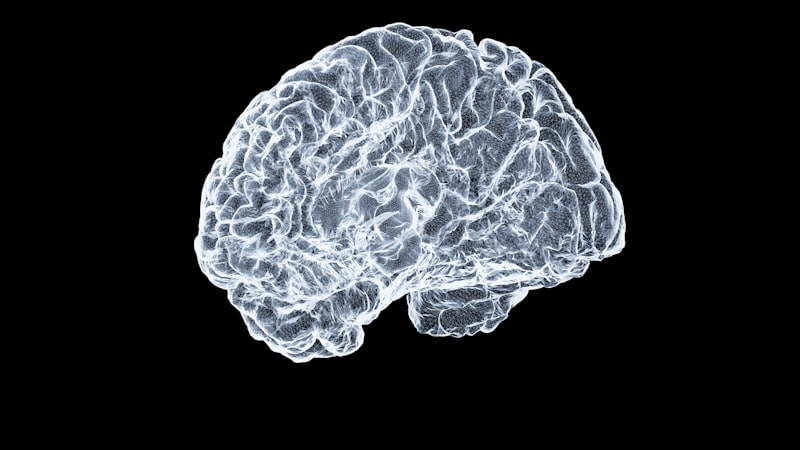
The final destination for conscious taste perception is the Primary Gustatory Cortex, which consists of two interconnected areas: the anterior insula and the frontal operculum. This region is responsible for identifying the quality and intensity of the taste stimulus. Beyond this primary area, taste information is also projected to the Orbitofrontal Cortex (OFC), where it is integrated with olfactory, somatosensory (texture, temperature), and visual cues. This multisensory integration in the OFC is critical, as it is where the holistic experience of “flavor” is constructed and where the hedonic value (pleasantness or unpleasantness) of the food is assigned, influencing feeding behavior and motivation. Thus, taste transduction is only the beginning of a complex neural journey that links molecular chemistry to cognitive and emotional responses.
Factors Influencing Taste Transduction
While taste transduction focuses specifically on the chemical-to-electrical conversion at the receptor cell level, the resulting perception of taste is highly modulated by various physiological, physical, and environmental factors. One major factor is temperature; the perceived intensity of certain tastes, particularly sweet and salt, can be significantly altered by temperature variations. For instance, sweetness is often perceived as stronger at moderate temperatures than at extreme cold or heat, suggesting that the efficiency of the receptor binding or the subsequent GPCR cascade may be temperature-dependent. Similarly, the physical properties of the food, such as texture and consistency, influence the rate at which tastants are dissolved in saliva and reach the taste pore, thereby affecting the initiation and duration of the transduction event.
Perhaps the most powerful modulator is olfaction, or the sense of smell. Although not strictly part of the gustatory transduction pathway, the overwhelming majority of what is subjectively perceived as “flavor” is derived from retronasal olfaction. Volatile compounds released from the food travel up the nasal cavity and activate olfactory receptors, and this olfactory input is integrated with pure gustatory input in the orbitofrontal cortex. When olfaction is compromised (e.g., during a common cold), the ability to discriminate between complex flavors is severely diminished, demonstrating the synergistic nature of these two chemical senses and the limitations of pure taste transduction in flavor perception.
Furthermore, adaptation and modification profoundly influence the outcome of taste transduction. Adaptation refers to the phenomenon where continuous exposure to a tastant leads to a temporary reduction in the perceived intensity. At the cellular level, this may involve temporary desensitization of the receptor proteins or modulation of the downstream signaling enzymes. Additionally, physiological states, such as hormonal balance, hunger levels, and even certain medications, can modify the excitability of the taste receptor cells or alter the threshold required for initiating nerve signals, meaning the same chemical stimulus can produce different levels of neural response depending on the internal state of the organism. These modulating factors underscore that taste transduction is a dynamic process, constantly adjusted to meet the needs and context of the body.