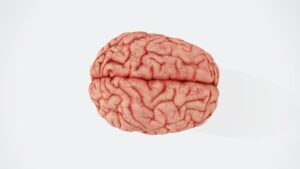
Acute Stress: Turning Pressure Into Cognitive Power
Scientifically Reviewed · Dr. Marwa Abd-Alazim · October 6, 2026
Review Criteria & Clinical Standards
This content undergoes rigorous scientific peer-review and medical editorial standards at Arab Psychology Network to ensure clinical accuracy, validity, and compliance with evidence-based guidelines from leading psychological and healthcare authorities (APA / WHO).

Introduction to Extreme Stress and Cognition
In the intricate landscape of human experience, extreme stress stands as a formidable challenge, capable of profoundly altering an individual’s mental and physiological state. This concept, often viewed as an intensified form of the everyday pressures we encounter, refers to situations that overwhelm an individual’s coping mechanisms, pushing them beyond their normal limits of endurance and adaptability. Such scenarios can range from acute, life-threatening events to prolonged periods of intense psychological pressure. Understanding the nature of extreme stress is crucial because its effects extend far beyond emotional discomfort, significantly impacting fundamental human capabilities, particularly those related to cognitive performance.
Cognitive performance encompasses a broad spectrum of mental processes that enable us to perceive, process, and respond to information from our environment. These include essential functions such as attention, memory, language comprehension and production, and problem-solving. When an individual is subjected to extreme stress, the delicate balance of neurological and physiological systems that underpin these cognitive abilities is disrupted. This disruption can manifest as a noticeable decline in efficiency, accuracy, and speed of thought, affecting an individual’s ability to make sound judgments, recall critical information, or effectively communicate in demanding situations.
The investigation into how extreme stress interacts with cognitive performance is not merely an academic exercise; it holds significant implications for various real-world contexts, from emergency response and military operations to high-stakes professional environments and even daily life crises. This encyclopedia entry will delve into the core definition of extreme stress and its effects, trace its historical understanding, provide practical examples, highlight its broader significance, and explore its connections with other psychological concepts. Ultimately, it aims to underscore the critical importance of recognizing, managing, and mitigating the deleterious effects of overwhelming stress on our most vital mental faculties.
Defining Extreme Stress and Cognitive Impairment
At its core, extreme stress can be conceptualized as a state where an individual’s physiological and psychological resources are profoundly taxed, often to the point of exhaustion or dysfunction. Unlike eustress, which is a beneficial form of stress that can enhance performance, or moderate distress, which is manageable, extreme stress signifies an acute or chronic condition where the body’s adaptive responses are overwhelmed. This overwhelming state triggers a cascade of neurobiological changes, including heightened activity in the sympathetic nervous system and the hypothalamic-pituitary-adrenal (HPA) axis, leading to the release of stress hormones such as cortisol and adrenaline. While these hormones are beneficial in short bursts for immediate threat response, their sustained elevation under extreme stress can become highly detrimental to brain function.
The fundamental mechanism by which extreme stress impairs cognitive performance lies in its disruption of neural circuits, particularly those involving the prefrontal cortex, hippocampus, and amygdala. The prefrontal cortex, responsible for executive functions like planning, decision-making, and working memory, becomes less efficient under high stress. The hippocampus, vital for memory formation and retrieval, can suffer structural and functional changes. Concurrently, the amygdala, associated with emotional processing and threat detection, becomes hyperactive, diverting cognitive resources towards perceived threats and away from complex thought processes. This neurobiological shift explains the observed declines in various cognitive performance domains.
Specifically, the domains most profoundly affected by extreme stress include attention, memory, language processing, and problem-solving. Attention becomes narrowed, often leading to “tunnel vision” where an individual focuses intensely on a perceived threat at the expense of peripheral information. Memory encoding and retrieval can be impaired, making it difficult to recall crucial details or learn new information. Language functions might suffer, manifesting as difficulty articulating thoughts, understanding complex instructions, or maintaining coherent communication. Finally, problem-solving abilities are compromised, leading to rigid thinking, impulsive decisions, or an inability to generate creative solutions. The degree of these impairments is often moderated by individual factors, notably one’s level of psychological resilience.
Historical Perspectives on Stress Research
The scientific exploration of stress and its impact on human physiology and psychology has roots stretching back to the early 20th century. One of the foundational figures in this field was the American physiologist Walter Cannon, whose work in the 1920s introduced the concept of the “fight-or-flight response.” Cannon observed that animals, when faced with threatening situations, exhibited a rapid physiological mobilization designed to either confront or escape the danger. This response, involving the release of adrenaline and noradrenaline, prepared the body for intense physical action and represented an early understanding of how acute stress affects the organism, albeit with less emphasis on cognitive aspects at the time.
Building upon Cannon’s work, the Austro-Hungarian-Canadian endocrinologist Hans Selye further revolutionized our understanding of stress in the 1930s and 1940s. Selye introduced the concept of the “General Adaptation Syndrome” (GAS), a three-stage physiological response to prolonged stress: alarm, resistance, and exhaustion. His research, primarily conducted on animals, demonstrated that regardless of the specific stressor (e.g., cold, infection, injury), the body reacted with a similar pattern of physiological changes, including adrenal enlargement, thymic atrophy, and gastrointestinal ulcers. Selye’s work highlighted the chronic and systemic impact of stress, moving beyond immediate threat responses to consider long-term consequences, which implicitly paved the way for understanding how sustained physiological arousal could affect higher-order functions like cognition.
In the decades that followed, research expanded to integrate psychological factors more explicitly. The mid-to-late 20th century saw the emergence of health psychology and cognitive psychology, which began to systematically investigate the interplay between mental states, physiological responses, and cognitive processes under stress. Studies moved from purely physiological observations to examining how perceived threats, individual coping styles, and personality traits modulated the stress response and its cognitive outcomes. This evolution underscored the recognition that stress is not merely an external event but a complex interaction between the individual and their environment, with profound implications for cognitive performance.
Real-World Manifestations: A Practical Example
To truly grasp the profound impact of extreme stress on cognitive performance, consider the relatable scenario of an individual caught in a sudden and severe car accident. Imagine a driver, navigating a familiar route, who suddenly encounters an unforeseen obstacle, leading to a high-speed collision. In the immediate aftermath, the driver is subjected to an overwhelming surge of sensory input – the deafening sound of impact, the jarring physical forces, the sight of shattered glass and crumpled metal, and the sudden realization of potential injury. This confluence of stimuli, combined with the perception of immediate danger, catapults the individual into a state of extreme stress.
In this harrowing scenario, the driver’s cognitive performance is severely compromised. Their ability to pay attention becomes highly fragmented; they might notice trivial details with intense clarity while completely missing crucial information, such as the location of their phone or the extent of their injuries. Their memory formation for the events immediately following the crash can be significantly impaired, leading to fragmented recollections or even complete amnesia for certain periods, a phenomenon often observed in trauma victims. When emergency services arrive and ask for details, the driver may struggle with language, finding it difficult to articulate what happened, providing disjointed sentences, or being unable to retrieve specific words, despite having full language capabilities normally.
Furthermore, their problem-solving skills, which would typically involve assessing the situation, checking for injuries, and calling for help, are severely hampered. Instead of calmly formulating a plan, the driver might experience paralysis, engage in repetitive, non-productive actions, or make irrational decisions driven by raw emotion rather than logical assessment. For instance, they might attempt to exit the car through a jammed door repeatedly, ignoring a perfectly functional window, or struggle to operate their smartphone despite it being fully functional. This example vividly illustrates how under extreme stress, the brain’s sophisticated processing centers are hijacked by primal survival mechanisms, leading to a profound, albeit temporary, degradation of higher-order cognitive functions.
Significance and Impact in Psychology and Beyond
The study of extreme stress and its effects on cognitive performance holds immense significance for the field of psychology. It provides critical insights into the limitations of human cognitive capacity under duress, helping psychologists understand the mechanisms underlying various stress-related disorders. This knowledge is foundational for developing effective interventions and support systems for individuals exposed to traumatic events or chronic, overwhelming pressure. By dissecting how attention, memory, and problem-solving falter, researchers can better explain the symptoms of conditions like PTSD and generalized anxiety disorders, where cognitive disturbances are often a central feature.
Beyond clinical applications, the concept’s importance extends to numerous practical domains. In military and law enforcement contexts, understanding how extreme stress affects cognitive performance is vital for training personnel to operate effectively in high-stakes, life-threatening situations. Training programs can be designed to simulate stressful environments, allowing individuals to develop coping strategies and enhance their resilience. Similarly, in fields like aviation, emergency medicine, and disaster management, where rapid, accurate decision-making under pressure is paramount, this understanding informs protocols and training methodologies aimed at mitigating cognitive errors and improving human factors.
Furthermore, this concept highlights the crucial role of individual resilience. As the original research indicates, the degree to which extreme stress impacts cognitive performance is significantly dependent on an individual’s physical and psychological ability to cope. This emphasizes the importance of fostering resilience through various means, including stress inoculation training, mindfulness practices, and robust social support networks. Recognizing these individual differences allows for more personalized approaches to stress management and intervention, moving beyond a one-size-fits-all model to address the unique vulnerabilities and strengths of each person.
Therapeutic and Management Strategies
Given the profound impact of extreme stress on cognitive performance, developing effective management and therapeutic strategies is paramount. One key approach is stress inoculation training, which involves exposing individuals to controlled, progressively more intense stressors in a safe environment. This allows them to practice coping mechanisms and build confidence in their ability to perform under pressure, thereby enhancing their resilience. By simulating high-stress scenarios, individuals can learn to maintain their attention, access their memory, and engage in logical problem-solving even when confronted with overwhelming stimuli.
Cognitive-behavioral therapy (CBT) plays a significant role in helping individuals manage the psychological fallout of extreme stress. CBT helps individuals identify and challenge maladaptive thought patterns and behaviors that exacerbate stress responses. For instance, by addressing catastrophic thinking or perfectionism, individuals can reduce the subjective experience of stress, which in turn can mitigate its deleterious effects on cognitive performance. Techniques such as relaxation training, diaphragmatic breathing, and mindfulness are also integrated to regulate the physiological arousal associated with extreme stress, creating a more conducive state for optimal cognitive function.
Furthermore, organizational and environmental interventions are crucial for managing extreme stress in professional settings. This includes ensuring adequate rest periods, providing clear communication and training, and fostering a supportive work culture. Post-event debriefings and psychological first aid are also vital after acute stressful events to help individuals process their experiences and prevent the long-term development of conditions like PTSD. By combining individual-level coping strategies with systemic support, the negative impact of extreme stress on cognitive performance can be significantly reduced, safeguarding both mental well-being and operational effectiveness.
Connections and Related Concepts
The concept of extreme stress and its impact on cognitive performance is intricately linked to several other fundamental psychological theories and terms. As discussed, Walter Cannon’s fight-or-flight response provides the immediate physiological context for acute stress, explaining the rapid mobilization of energy and resources that can precede cognitive impairment. Similarly, Hans Selye’s General Adaptation Syndrome illuminates the long-term physiological consequences of sustained stress, leading to an eventual “exhaustion” phase where cognitive functions are particularly vulnerable.
Another critical related concept is allostatic load, which refers to the “wear and tear” on the body and brain resulting from chronic or repeated exposure to stress. High allostatic load is associated with detrimental changes in the brain’s structure and function, particularly in areas crucial for cognitive performance like the hippocampus and prefrontal cortex. This chronic burden can lead to persistent deficits in memory, attention, and executive functions, often observed in individuals experiencing prolonged periods of adversity or trauma.
Furthermore, understanding extreme stress is vital for comprehending Post-Traumatic Stress Disorder (PTSD) and various anxiety disorders. PTSD, specifically, is characterized by intrusive thoughts, hyperarousal, and avoidance behaviors following exposure to a traumatic event, all of which heavily involve compromised cognitive performance, especially in memory and attention. Anxiety disorders also frequently present with difficulties in attention (due to worry), impaired working memory, and rigid problem-solving. The study of extreme stress therefore sits at the intersection of several subfields of psychology, including Health Psychology, Cognitive Psychology, Clinical Psychology, Occupational Psychology, and Neuropsychology, each contributing unique perspectives to this complex phenomenon.
Conclusion
In summation, the investigation into the effects of extreme stress on cognitive performance reveals a critical vulnerability within the human psychological and physiological architecture. It is unequivocally evident that when individuals are subjected to overwhelming levels of pressure, their ability to engage in complex mental processes such as focused attention, accurate memory recall, coherent language processing, and effective problem-solving can be severely compromised. This impairment is not merely an inconvenience but a significant threat to an individual’s well-being and operational effectiveness in demanding situations, underscoring the necessity for a comprehensive understanding of this phenomenon.
The historical journey from Walter Cannon’s fight-or-flight response to Hans Selye’s General Adaptation Syndrome, and subsequently to modern cognitive and health psychology, highlights a growing appreciation for the intricate interplay between physiological arousal and mental function under duress. This evolution in understanding has paved the way for recognizing the profound real-world implications, from informing military training protocols to guiding therapeutic interventions for PTSD and anxiety disorders.
Crucially, the degree of impact from extreme stress is not uniform across all individuals; it is significantly modulated by one’s psychological resilience, a capacity that can be cultivated and strengthened. Therefore, recognizing extreme stress as a serious threat to cognitive performance necessitates proactive strategies for management and monitoring, both at individual and systemic levels. Continued research into the neurobiological underpinnings of stress, combined with the development of innovative training and therapeutic approaches, remains vital to enhance human capacity for effective functioning even in the most challenging of circumstances.