Thalamic Lesions: Rewiring How We Experience Reality
Scientifically Reviewed · Dr. Marwa Abd-Alazim · September 18, 2026
Review Criteria & Clinical Standards
This content undergoes rigorous scientific peer-review and medical editorial standards at Arab Psychology Network to ensure clinical accuracy, validity, and compliance with evidence-based guidelines from leading psychological and healthcare authorities (APA / WHO).
Overview of Thalamic Lesions
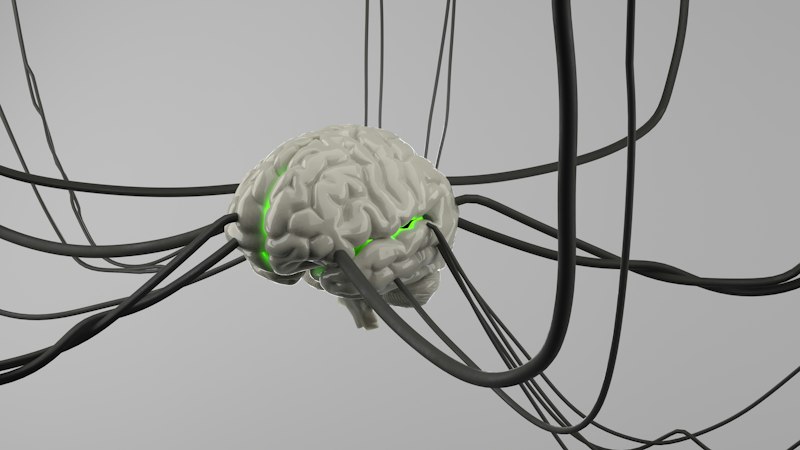
A thalamic lesion refers to any injury, damage, or abnormal disruption affecting the structure and function of the thalamus. The thalamus, a critical gray matter structure situated deep within the cerebral hemispheres, acts as the central hub for nearly all sensory and motor information relayed to the cerebral cortex. Due to its essential role in filtering, gating, and integrating diverse neural signals, damage to this structure can precipitate profound and widespread neurological deficits. These deficits often span the spectrum from sensory and motor control disturbances to severe alterations in cognitive function, arousal, and emotional regulation, making the diagnosis and management of thalamic lesions a complex challenge in clinical neurology. The severity of the clinical presentation is intrinsically linked to the size, precise anatomical location, and specific etiology of the injury, requiring a highly individualized approach to treatment and prognosis assessment.
The study of thalamic lesions is essential for understanding the intricate connectivity between subcortical structures and the cortex. Historically, early observations of patients suffering from thalamic stroke provided crucial insights into the functional mapping of the brain, highlighting the thalamus’s indispensable contribution to consciousness and integrated sensory experience. Modern neuroimaging techniques, coupled with advancements in neurosurgical and pharmacological treatments, have refined the clinical understanding, though the heterogeneity of symptoms remains a defining characteristic. Given the thalamus’s complex nuclear organization—comprising dozens of distinct nuclei, each with specific cortical projections and functional responsibilities—even small, localized lesions can yield disproportionately severe and unique clinical syndromes.
This comprehensive review aims to synthesize the current understanding of thalamic lesions. We will first establish the foundational anatomy and functional significance of the thalamus before detailing the diverse etiologies, including vascular events, trauma, and neoplastic processes, that can lead to damage. Subsequently, we will explore the broad range of clinical manifestations, focusing on the sensory, motor, and neurocognitive impairments commonly observed. Finally, the discussion will transition to current diagnostic protocols, available therapeutic interventions—encompassing neurosurgical, pharmacological, and rehabilitative strategies—and the factors influencing the variable long-term prognosis for affected individuals.
Anatomical and Functional Significance of the Thalamus
The thalamus (derived from the Greek word for “inner chamber”) is a paired ovoid structure located superior to the brainstem and medial to the internal capsule, forming a large part of the diencephalon. It is strategically positioned at the center of the forebrain, functioning as a mandatory relay station for almost all sensory information destined for the cerebral cortex, with the notable exception of the olfactory system. Anatomically, the thalamus is subdivided into multiple distinct nuclear groups—including the anterior, medial, lateral, and intralaminar nuclei—separated by the internal medullary lamina. The precise organization of these nuclei dictates the highly specific nature of their connections, allowing the thalamus to effectively gate and modulate information flow between subcortical centers, the cerebellum, and the extensive network of cortical areas.
Functionally, the thalamus is far more than a simple passive relay; it is an active integrator and modulator of neural activity. Its primary role involves the relay of sensory input, processing signals related to touch, pain, temperature, vision (via the Lateral Geniculate Nucleus, or LGN), and hearing (via the Medial Geniculate Nucleus, or MGN) before transmitting them to the corresponding primary sensory areas of the cortex. Furthermore, the thalamus plays a pivotal role in motor control, receiving input from the cerebellum and basal ganglia and projecting to the motor and premotor cortices. This motor loop is essential for the planning, initiation, and execution of smooth, coordinated movements. Disruption of these motor nuclei, particularly the ventral lateral nucleus (VL) or ventral anterior nucleus (VA), often results in coordination difficulties, involuntary movements, or profound motor weakness.
Beyond its roles in sensory and motor processing, the thalamus is intimately involved in regulating arousal, sleep, and attention. The intralaminar and reticular nuclei are key components of the ascending reticular activating system (ARAS), which controls the level of consciousness and alertness. Damage to these nuclei can lead to severe disturbances, including persistent vegetative states or coma. Additionally, the thalamus contributes significantly to cognitive functions and emotional regulation. Nuclei such as the anterior nucleus are crucial parts of the limbic system circuit (Papez circuit), linking the hippocampus and mammillary bodies to the cingulate cortex, thus supporting processes related to memory and emotion. A lesion in this central hub can therefore precipitate symptoms far removed from simple sensory loss, manifesting as complex cognitive impairment, memory deficits, or marked emotional instability.
Etiology and Common Causes of Thalamic Damage
Thalamic lesions arise from a diverse spectrum of pathological processes, with the underlying cause fundamentally determining the acute management and long-term prognosis. According to clinical literature (Wang et al., 2018), the most common causes are vascular events, particularly stroke. Due to the thalamus’s deep location and complex, small-vessel blood supply—primarily originating from the posterior cerebral artery (PCA) and its deep penetrating branches (thalamoperforators)—it is highly susceptible to ischemic damage. Occlusion of these small arteries results in lacunar infarcts, which, depending on the specific perforator affected, can lead to classic syndromes such as the paramedian thalamic syndrome or the posterolateral syndrome. Hemorrhagic stroke, though less common than ischemic events, can also cause severe damage by physical compression and destruction of thalamic tissue.
In addition to cerebrovascular disease, head trauma represents another significant cause of thalamic injury. Severe blunt force trauma, especially those causing diffuse axonal injury (DAI), can directly damage the thalamus or its connecting tracts. Furthermore, lesions may be caused by space-occupying masses, including primary tumors (such as gliomas) or metastatic lesions originating from distant sites like the lung or breast. These neoplastic processes often cause symptoms not only through direct tissue invasion but also by inducing surrounding edema or mass effect, compressing the delicate vascular supply or adjacent ventricular structures. The slow, progressive nature of tumor growth often contrasts sharply with the acute onset associated with stroke, leading to differing clinical trajectories.
Other less frequent but critical etiologies include infectious, inflammatory, and iatrogenic causes. Infections, such as bacterial or fungal abscesses, or viral infections causing encephalitis, can target the thalamus, leading to localized inflammation and tissue necrosis. Autoimmune or inflammatory disorders may also selectively affect thalamic structures. Furthermore, certain medical interventions themselves can induce lesions; for instance, radiation therapy, utilized in the treatment of specific brain tumors (Li et al., 2013), can lead to delayed radiation necrosis or leukoencephalopathy affecting the thalamus and surrounding white matter tracts. Finally, in a subset of cases, despite extensive diagnostic workups, the exact cause of a thalamic lesion remains cryptogenic or unknown, highlighting the ongoing need for detailed neurovascular pathology research.
Clinical Manifestations and Symptomology
The clinical presentation following a thalamic lesion is remarkably heterogeneous, dictated primarily by which specific thalamic nuclei are injured (Gonzalez-Rothi et al., 2016). Symptoms can be broadly categorized into sensory disturbances, motor deficits, and profound neurocognitive and emotional changes. The most consistent finding following damage to the ventral posterior lateral (VPL) and ventral posterior medial (VPM) nuclei is severe sensory loss on the contralateral side of the body, affecting touch, pain, temperature, and proprioception. However, perhaps the most notorious sensory outcome is the development of thalamic pain syndrome (also known as Dejerine-Roussy syndrome), a condition characterized by chronic, intractable, and often debilitating pain, frequently described as burning, freezing, or hypersensitive (allodynia or hyperalgesia) on the affected side, which can emerge weeks or months post-injury.
Motor coordination and control are frequently compromised. Lesions affecting the motor relay nuclei (VA and VL) or the pathways connecting the thalamus to the basal ganglia and cerebellum can lead to hemiparesis, difficulty with fine motor coordination, and gait and balance disturbances. Specific movement disorders, such as intention tremor, ataxia, or choreoathetosis, may also manifest, reflecting the critical integration role the thalamus plays in the motor circuit. Furthermore, damage to the medial and lateral geniculate nuclei, the primary relays for vision and hearing, respectively (Wang et al., 2018), can result in various specific sensory impairments, including visual field deficits (e.g., contralateral homonymous hemianopsia) or diminished auditory perception. The close proximity of these nuclei means that large lesions often impact multiple sensory modalities simultaneously.
Perhaps the most debilitating, yet often subtle, effects involve cognitive impairment and emotional instability. Because the thalamus heavily influences frontal lobe activity and limbic circuits, lesions can severely disrupt executive functions, attention, and memory encoding. Patients frequently report difficulty concentrating, impaired working memory, and reduced processing speed. Emotional symptoms are also common, including marked apathy, depression, and sudden, uncontrolled fluctuations in mood or affect. Difficulty sleeping is also a frequent complaint, as the disruption of the intralaminar nuclei interferes with the normal regulation of the sleep-wake cycle and general arousal (Shah, 2016). The combination of physical deficits and neurocognitive changes often leads to significant disability and requires comprehensive, multidisciplinary management tailored to the specific constellation of symptoms.
Diagnostic Procedures
The diagnostic pathway for a suspected thalamic lesion begins with a thorough clinical assessment, including a detailed patient history and a comprehensive neurological examination. The examination is crucial for localizing the injury, as specific patterns of sensory loss, motor weakness, or cranial nerve involvement strongly suggest involvement of particular thalamic nuclei or adjacent white matter tracts. Acute onset of symptoms, particularly focal deficits, immediately raises suspicion of a vascular event, while a more gradual progression points toward a neoplastic or chronic inflammatory etiology.
Following the clinical assessment, neuroimaging is indispensable for confirming the presence of a lesion, determining its exact location and size, and identifying the underlying pathology. Computed Tomography (CT) is often the initial imaging modality in acute settings due to its speed and ability to rapidly differentiate hemorrhagic stroke from ischemic stroke. However, Magnetic Resonance Imaging (MRI), particularly sequences such as Diffusion-Weighted Imaging (DWI) and T2-weighted imaging, provides superior resolution of deep gray matter structures like the thalamus and is essential for detecting small ischemic infarcts (lacunes) or characterizing tumors, inflammation, or demyelinating processes. Advanced MRI techniques, such as MR angiography (MRA) or perfusion imaging, may be employed to assess the vascular supply and hemodynamic status of the region.
To determine the definitive etiology, especially when non-vascular causes are suspected, various adjunctive tests are often required. If infection or inflammation is suspected, laboratory tests, including blood work and lumbar puncture for cerebrospinal fluid (CSF) analysis, are necessary. For suspected tumors, biopsy may be required for histopathological confirmation. In cases where the lesion’s nature is still ambiguous or if a complex vascular malformation is suspected, cerebral angiography provides detailed visualization of the intricate thalamic arterial supply. Finally, neurophysiological assessments, such as Electroencephalography (EEG), may be used to evaluate cortical activity, particularly if the patient presents with seizures or severe disturbances in arousal or consciousness.
Therapeutic Interventions and Management Strategies
The treatment of thalamic lesions is fundamentally dictated by the precise underlying cause and the resulting symptom profile (Li et al., 2013). Acute management focuses on addressing the primary pathology—whether it involves acute stroke protocols (e.g., thrombolysis for ischemic stroke), control of intracranial pressure following hemorrhage or trauma, or initiation of targeted therapies for infectious or inflammatory processes. Once the acute phase is stabilized, the management strategy shifts toward maximizing functional recovery through a combination of neurosurgical, pharmacological, and intensive rehabilitative approaches.
Neurosurgical intervention is often necessary when the lesion is due to a space-occupying mass, such as a tumor, a large hematoma causing mass effect, or a symptomatic vascular malformation. The goal of surgery may be complete resection of the lesion to alleviate pressure and reduce neurological deficits, or palliative procedures such as shunting to manage hydrocephalus secondary to ventricular compression. In contrast, pharmacological management is primarily symptomatic, aimed at controlling the debilitating consequences of the injury. Medications may be used to manage secondary complications such as severe chronic pain (thalamic pain syndrome), seizures resulting from cortical irritation, or mood and behavioral disturbances (such as depression, anxiety, or apathy). It is crucial to emphasize that while medications can significantly improve quality of life by mitigating symptoms, they generally cannot reverse the primary structural damage caused by the initial injury (Shah, 2016).
Comprehensive rehabilitation is an absolutely necessary component of long-term recovery for almost all patients with residual deficits (Gonzalez-Rothi et al., 2016). This multidisciplinary effort involves specialized therapists working to restore function and adapt compensatory strategies. Physical therapy (PT) focuses on improving mobility, enhancing balance, strengthening weakened musculature, and retraining gait, which is often impaired due to cerebellar input disruption. Occupational therapy (OT) aims to improve the patient’s capacity to perform activities of daily living (ADLs), addressing fine motor skills, coordination, and the cognitive components necessary for independent living. Furthermore, speech therapy (ST) is essential for patients experiencing communication difficulties, swallowing impairments (dysphagia), or cognitive-linguistic deficits related to attention and executive function necessary for organized communication. The intensity and duration of rehabilitation are crucial determinants of the ultimate extent of functional recovery.
Prognosis and Long-Term Outcomes
The prognosis for individuals diagnosed with thalamic lesions is highly variable and depends on an intricate interplay of factors, including the precise size and location of the lesion, the underlying etiology, the patient’s age and pre-morbid health status, and the timeliness and efficacy of therapeutic interventions. Small, strategically located lesions, such as certain lacunar infarcts, may sometimes lead to significant initial deficits that partially resolve over time, while large, hemorrhagic lesions or those involving multiple critical nuclei often result in permanent damage and severe, long-term disability (Li et al., 2013). Lesions that impinge upon the brainstem reticular formation or bilateral paramedian structures carry a particularly poor prognosis regarding the recovery of consciousness.
Recovery, when it occurs, is often a protracted process. Maximum spontaneous recovery typically occurs within the first six months following the injury, although functional gains may continue slowly for years, particularly with dedicated rehabilitative effort. The presence of specific syndromes significantly impacts the long-term outlook. For instance, patients who develop thalamic pain syndrome face a challenging chronic condition, as this neuropathic pain is often highly resistant to conventional analgesic treatments and necessitates specialized pain management strategies. Conversely, if the lesion is caused by a benign, treatable condition, such as a localized infection or a tumor that is fully resectable, the potential for significant functional improvement is substantially higher once the underlying pathology is eliminated.
Ultimately, the variability in outcomes underscores the need for continuous monitoring and individualized care plans. While some patients may achieve substantial functional independence, others will require ongoing support to manage chronic motor, sensory, or neurocognitive deficits. Research continues to explore neuroplasticity and novel rehabilitation techniques aimed at harnessing the brain’s capacity for repair following subcortical injury. Establishing realistic long-term expectations and providing robust support through physical, occupational, and psychological services is paramount for maximizing the quality of life for patients living with the persistent effects of a thalamic lesion.