Gustatory Neuroscience: How Your Brain Decodes Flavor
Scientifically Reviewed · Dr. Marwa Abd-Alazim · August 22, 2026
Review Criteria & Clinical Standards
This content undergoes rigorous scientific peer-review and medical editorial standards at Arab Psychology Network to ensure clinical accuracy, validity, and compliance with evidence-based guidelines from leading psychological and healthcare authorities (APA / WHO).
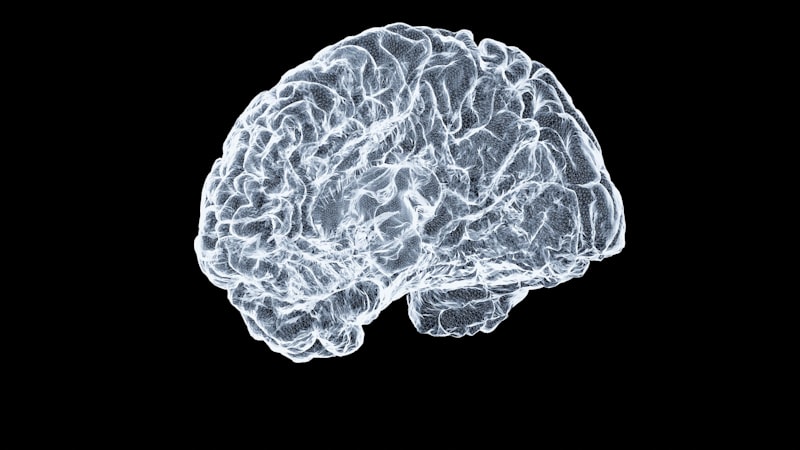
Introduction and Definition of the Thalamic Taste Area
The Thalamic Taste Area (TTA), often identified within the parvocellular division of the Ventral Posterior Medial nucleus (VPMpc) in primates and corresponding regions in other mammals, serves as the critical obligatory relay station for gustatory information en route to the cerebral cortex. This structure is fundamentally necessary for the conscious perception and interpretation of taste stimuli. Its primary function is to receive highly processed chemical signals originating from the peripheral taste receptors and transmitted through the cranial nerves and the brainstem, subsequently refining and projecting these signals to the primary gustatory cortex located in the insula and frontal operculum. Without the integrity of the TTA, the complex process of flavor evaluation and hedonic assessment cannot fully proceed, highlighting its role not merely as a passive conduit but as an active filter and integrator of sensory data.
The strategic position of the TTA within the diencephalon places it at the junction between the reflexive, homeostatic control centers of the brainstem and the higher-order cognitive and emotional processing centers of the forebrain. This location dictates that the TTA handles more than just the five basic tastes—sweet, sour, salty, bitter, and umami. It is here that raw gustatory data begins its transformation into the subjective experience of flavor. Research has demonstrated that only a fraction of the neurons within the TTA are dedicated exclusively to chemical taste transduction. Specifically, approximately one third of the neuronal population within this region exhibits robust, direct reactivity to taste stimuli, while the majority respond to a complex mixture of somatosensory, thermal, and even cognitive inputs.
The integration occurring within the TTA is paramount because flavor perception in natural environments is never based solely on taste. The overall palatability of a food item is heavily influenced by factors such as its texture, temperature, and irritancy. The TTA acts as the primary neuroanatomical site where these disparate streams of sensory information concerning events within the oral cavity converge, allowing for a unified representation of the stimulus that is then forwarded to the cortex. This convergence is a key feature distinguishing the thalamic relay from the more segregated processing that occurs earlier in the ascending pathway, establishing the TTA as a central hub for the initial synthesis of the multifaceted experience of eating.
Neuroanatomical Location and Terminology
Precision in neuroanatomy dictates that the gustatory thalamus is most accurately mapped to the parvocellular division of the Ventral Posterior Medial nucleus, known as VPMpc. This division is distinct from the adjacent magnocellular VPM, which primarily relays somatosensory information concerning touch, pressure, and proprioception from the face and head. The VPMpc is characterized by its smaller cell size and denser packing of neurons, reflecting its specialized role in processing chemically encoded signals. Its location allows for close functional proximity to other sensory relay nuclei, facilitating the necessary cross-modal interactions that define its function. In contrast to the visual or auditory thalamic relays, the gustatory relay is less frequently studied but is equally vital for survival and environmental interaction, particularly in identifying nourishment and detecting toxins.
The anatomical organization of the VPMpc suggests a high degree of specialization and segregation from other thalamic functions. The neurons here maintain a strict topographical and functional relationship with the input they receive from the brainstem’s solitary nucleus. While the primary function is gustatory relay, the VPMpc also receives inputs critical for the context of oral sensation. The integration of somatosensory data from the trigeminal system, which detects texture and pain, occurs either directly via collaterals from the main VPM or through intrinsic dendritic overlap within the parvocellular region. This structural arrangement ensures that when the cortex receives a signal, it is not merely a chemical identifier but a complete oral profile.
Understanding the specific location and connectivity of the TTA is crucial for clinical neurology. Lesions affecting the VPMpc, often due to small lacunar strokes or microvascular damage, can result in specific sensory deficits that are strictly limited to taste perception, often without corresponding loss of facial touch or motor function. Because the thalamus acts as a major gate, filtering out extraneous information and amplifying salient data, damage here disrupts the organization of the signal before it reaches the area of conscious perception. Consequently, the study of the VPMpc provides significant insight into how the central nervous system maintains the quality and fidelity of sensory representation throughout the initial stages of cortical processing.
The Primary Afferent Pathway: Input from the Solitary Nucleus
The TTA’s fundamental input originates from the Nucleus of the Solitary Tract (NTS), situated in the medulla oblongata of the brainstem. The NTS is the first central processing station where peripheral taste signals converge after travelling via the afferent fibers of three crucial cranial nerves: the facial nerve (CN VII, chorda tympani and greater petrosal branches), the glossopharyngeal nerve (CN IX), and the vagus nerve (CN X). The rostral, or anterior, division of the NTS is specialized for gustatory input, while the caudal division handles visceral sensory input. The projection from this rostral gustatory zone of the NTS directly to the VPMpc is a robust, monosynaptic pathway that guarantees the fast and reliable transmission of coded taste information. This pathway ensures that the basic qualities of the taste stimulus are preserved as they ascend towards the thalamus.
The NTS encodes taste information using a combination of methods, primarily utilizing a concept known as population coding, where the identity of a taste is determined by the pattern of activity across a group of neurons, rather than the activity of a single, dedicated neuron (labeled lines). This complex, distributed code is what the TTA receives and must interpret. The NTS input includes not only the chemical identity but also the intensity of the stimulus. The TTA’s role is to maintain the integrity of this intricate code while simultaneously integrating the contextual information necessary for flavor creation. The filtering process within the TTA may involve mechanisms to enhance contrast between different taste qualities or suppress background noise before transmission to the cortex.
Disruption of the solitary-thalamic pathway is devastating to taste function. If the connection is severed, the primary gustatory cortex receives no taste input, resulting in complete ageusia, or loss of taste. However, even partial damage or modulation of the NTS input can result in profound alterations in taste perception. The TTA is therefore perpetually dependent on the precise coding supplied by the brainstem. Furthermore, the NTS, being intimately connected to autonomic functions such as salivation, swallowing, and gastric motility, also supplies the TTA with essential information regarding the physiological response to the incoming food, linking sensation to homeostatic regulation early in the process.
Multimodal Integration and Sensory Convergence
The defining characteristic of the TTA is its capacity for multimodal integration, a feature that elevates its function far beyond a simple sensory relay. As noted in classic neurophysiological studies, a significant majority—approximately two thirds—of the neurons within the TTA respond minimally or not at all to pure chemical taste stimuli alone. Instead, these cells are strongly activated by concomitant inputs relating to the physical properties of the substance in the mouth. This non-gustatory arousal includes responses to touch, pressure, texture, and temperature, all critical components of the overall flavor profile. For instance, a neuron may fire weakly to sweetness, but robustly when a sweet solution is presented at a specific, appealing temperature and viscosity.
The integration of somatosensory data is facilitated by collateral inputs originating from the trigeminal system, which convey mechanical information about the mouth. The experience of crunchiness, smoothness, or grittiness is mediated by these fibers, and their convergence within the TTA allows the gustatory signal to be immediately contextualized by texture. Similarly, thermal inputs are processed, meaning that the TTA is instrumental in differentiating between a pleasant warm beverage and a dangerously hot substance. The TTA thus creates a composite signal: a cool, smooth, and sweet sensation, rather than three isolated sensory events. This integrated signal is crucial because the primary gustatory cortex relies on this synthesis to derive a coherent perception of flavor.
The consequence of this convergence is the highly refined signal sent to the cortex. The TTA effectively gates the somatosensory information, determining which textural and thermal inputs are most relevant to the current gustatory experience. This gating mechanism is believed to contribute significantly to the phenomenon of sensory specific satiety, where the appeal of a particular food diminishes rapidly after consumption, even if hunger remains. The TTA’s integrated code of flavor—not just taste—is what drives this behavioral modulation, ensuring dietary variety and balanced nutrient intake by regulating the hedonic value assigned to ingested items. The multimodal nature of the TTA underscores the biological imperative for flavor, not just taste, in regulating feeding behavior.
Efferent Connections to the Gustatory Cortex
The primary efferent pathway of the TTA projects directly and topographically to the primary gustatory cortex (GC), located deep within the lateral sulcus, specifically in the anterior insula and the adjacent frontal operculum. This projection is the final, essential step in the ascending gustatory pathway before conscious awareness and detailed analysis of the taste stimulus can occur. The TTA transmits its highly integrated, multimodal signal to the GC, which is often considered the first cortical station for flavor processing. Neurons in the GC mirror the complexity found in the TTA, responding selectively to combinations of taste, temperature, and texture, solidifying the idea that the thalamus has already completed the initial synthesis of these components.
The signal transmitted by the TTA is not only complex in its sensory content but also critical for establishing the temporal dynamics of taste perception. The rapid, synchronous firing of thalamocortical neurons ensures that the gustatory cortex receives a temporally precise input, necessary for rapid identification and behavioral response (e.g., spitting out a bitter substance). The TTA, therefore, acts as a synchronizing agent, coordinating the arrival of related sensory information streams to the cortex. This efficient communication between the TTA and the GC is maintained through specialized thalamocortical circuits, which are susceptible to modulation by neurotransmitters like glutamate and GABA, allowing for dynamic adjustments in signal gain based on physiological state or attention.
Beyond the primary cortex, the TTA also maintains secondary and tertiary projections to other limbic and homeostatic centers. These connections are vital for linking sensory input to emotional response and physiological need. Key secondary targets include the amygdala, which processes the emotional valence (fear, pleasure, aversion) associated with the taste, and the hypothalamus, which uses the sensory data to regulate satiety, appetite, and energy balance. The TTA’s ability to project to these distinct functional areas highlights its role as a crucial node that simultaneously feeds both the perceptual and the physiological systems, ensuring that taste information is used not only for conscious perception but also for unconscious regulation of ingestion.
The Role of Anticipation and Behavioral Modulation
One of the most compelling findings regarding the TTA is the demonstration that its neuronal activity is modulated by cognitive factors, specifically the anticipation of an approaching taste stimulant. This finding indicates that the TTA is not purely a bottom-up sensory processor, but is subject to powerful top-down influences originating from higher cortical areas. When a subject expects a specific taste—for example, anticipating sweetness when seeing a piece of cake—TTA neurons related to that expected taste quality may already begin to fire, even before the stimulus contacts the tongue. This anticipatory activity is thought to be mediated by feedback loops originating from the prefrontal cortex (PFC) and the orbital frontal cortex (OFC), brain regions central to reward processing, expectation, and learned associations.
This top-down modulation serves several important behavioral functions. Firstly, it allows the sensory system to be ‘primed,’ enhancing the sensitivity and speed of response to the expected stimulus. If the expectation is met, the enhanced TTA activity contributes to a stronger perception of the taste’s intensity and hedonic value. Conversely, if the actual taste diverges significantly from the anticipated taste, the ensuing mismatch signal may be amplified, contributing to feelings of surprise or disappointment. This mechanism underscores the profound impact of cognitive set and prior experience on immediate sensory processing, demonstrating that taste perception is highly constructive rather than purely reactive.
The TTA’s role in expectation links taste directly to conditioning and learned behavior. Animals and humans quickly learn associations between specific visual or olfactory cues and subsequent taste experiences. This learning relies on the TTA efficiently integrating the predictive signals from the PFC with the incoming sensory data. Therefore, the TTA is a critical component in establishing conditioned taste aversions (avoiding foods previously associated with illness) and conditioned preferences (seeking foods associated with reward or satiety). This integration of anticipation and sensation transforms the TTA from a simple relay into an essential element of the brain’s executive control system for ingestion.
Clinical Significance and Dysgeusia
Damage or dysfunction within the Thalamic Taste Area can lead to severe and debilitating taste disorders, collectively categorized as dysgeusia or, in cases of total loss, ageusia. Because the TTA represents a critical bottleneck for all ascending gustatory information, any lesion, hemorrhage, or stroke affecting the VPMpc can effectively block the transmission of taste signals to the cortex on the contralateral side of the body. Symptoms resulting from TTA damage are often complex, extending beyond simple taste loss to include phantom tastes (phangeusia), where the patient perceives persistent, often metallic or unpleasant, tastes in the absence of any stimulus. This suggests that the TTA plays a role in suppressing or organizing spontaneous activity, and its damage leads to disorganized cortical input.
Specific clinical manifestations related to TTA damage include:
- Contralateral Ageusia: Complete loss of taste perception on the side of the tongue opposite the thalamic lesion.
- Qualitative Dysgeusia: Distorted or altered taste perception, often manifesting as persistent bitter or sour tastes.
- Sensory Integration Deficits: Difficulty integrating the textural and thermal components with the chemical taste, leading to food being perceived as globally unpleasant or confusing.
These deficits highlight the TTA’s role as the final arbiter of integrated oral sensation before the conscious level. Furthermore, chronic pain syndromes involving the mouth or face sometimes involve altered signaling in the VPM, potentially spilling over into the gustatory relay system and contributing to persistent, painful dysgeusias that are difficult to treat.
The TTA is also implicated in broader psychiatric and metabolic disorders. Given its strong connections to the hypothalamus and the reward circuitry via the OFC, dysregulation in the TTA’s processing of hedonic (pleasurable) taste signals may contribute to conditions like obesity or anorexia nervosa. For instance, an altered TTA response to high-calorie food cues could lead to either excessive craving or profound aversion. Research continues to explore whether pharmacological interventions targeting neuromodulators within the TTA could provide therapeutic avenues for managing eating behaviors driven by distorted sensory perception and reward anticipation.
Historical Context and Modern Research Perspectives
Historically, the function of the thalamus, including the TTA, was often underestimated. Early neurophysiological studies sometimes viewed the thalamus primarily as a passive, obligatory relay, a simple switching station for sensory data. This perspective may have been influenced by methodological limitations, such as finding transient inactivity or a lack of robust firing in specific, non-integrated experimental setups. For example, some initial observations suggested that specific thalamic regions were “inactive, and almost numb to any stimulus” when tested only with highly purified, non-naturalistic sensory inputs, failing to capture the complexity of the natural, multimodal eating experience.
Modern neuroscience, utilizing advanced techniques such as single-unit electrophysiology, optogenetics, and functional magnetic resonance imaging (fMRI), has definitively shown that the TTA is a highly dynamic and interactive processing hub. Contemporary research emphasizes the TTA’s role in sensory gating, attention, and the integration of affective and homeostatic signals. Key areas of ongoing investigation include:
- Neuromodulation: Understanding how diffuse neuromodulatory systems (e.g., serotonergic, dopaminergic, and noradrenergic projections) regulate TTA activity and influence behavioral state, such as hunger or satiety.
- Thalamocortical Rhythmicity: Investigating the role of specific firing patterns and oscillatory activity between the TTA and the gustatory cortex in encoding the perceived intensity and quality of flavor.
- Plasticity and Learning: Exploring how the TTA adapts its receptive fields and integration capabilities in response to prolonged dietary changes or learned taste associations, offering insights into long-term dietary habits.
The sustained focus on the TTA highlights the transition in sensory neuroscience from studying isolated sensory modalities to investigating complex, integrated perception. The structure serves as a microcosm for understanding how the brain constructs subjective reality from raw physical data, demonstrating that even at the subcortical level, sensory information is heavily contextualized by simultaneous inputs, expectation, and physiological need. Future research promises to fully map the neural circuits responsible for the anticipation of food and the precise mechanisms by which the TTA contributes to the fundamental human behaviors of seeking, evaluating, and consuming nourishment.