Therapeutic Puppetry: Unlocking Hidden Emotions
Scientifically Reviewed · Dr. Marwa Abd-Alazim · October 2, 2026
Review Criteria & Clinical Standards
This content undergoes rigorous scientific peer-review and medical editorial standards at Arab Psychology Network to ensure clinical accuracy, validity, and compliance with evidence-based guidelines from leading psychological and healthcare authorities (APA / WHO).
Introduction to Therapy Puppets
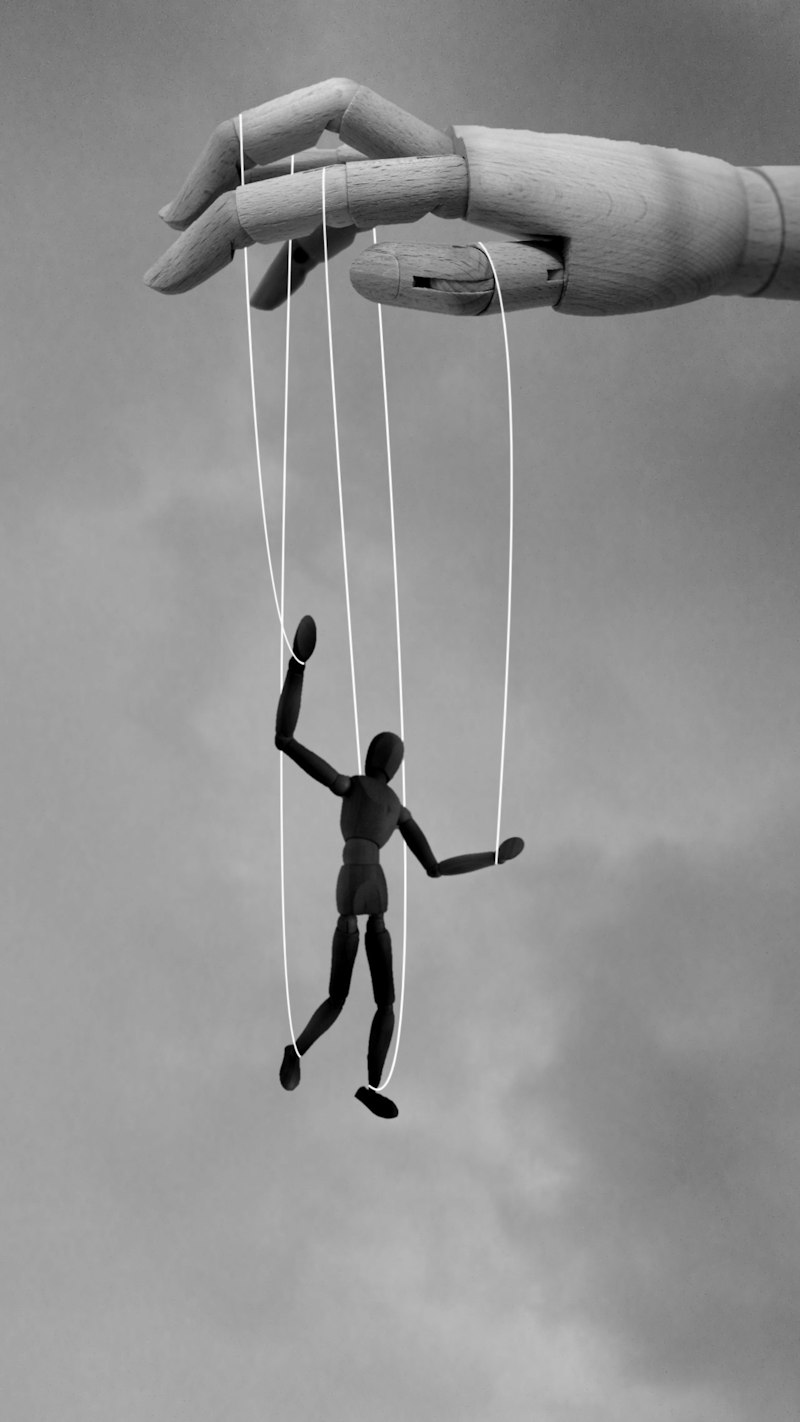
The utilization of a therapy puppet represents a highly versatile, creative, and empirically supported intervention modality that is widely utilized across diverse psychological, clinical, and educational spectrums. These specialized clinical instruments, which can manifest in various animalistic, human-like, or abstract forms, function as vital interpersonal intermediaries. By bridging the gap between the internal psychological state of the client and the external therapeutic environment, therapy puppets facilitate authentic communication, encourage deep emotional expression, and stimulate healthy cognitive-behavioral development. Their clinical utility spans across all age cohorts, though they are exceptionally prominent in pediatric and developmental settings where traditional, highly verbal modalities of talk therapy may prove limited or entirely inaccessible.
The systemic application of therapy puppets is remarkably expansive, cutting across clinical psychology, educational psychology, developmental therapy, and specialized educational frameworks. Clinicians, educators, child life specialists, and caregivers routinely leverage these expressive tools to support individuals navigating a broad array of psychological challenges. These challenges frequently include severe generalized anxiety, acute social skill deficits, complex trauma, neurodevelopmental communication barriers, and profound emotional dysregulation. By transferring internal conflicts and overwhelming affective experiences onto an external puppet, clients are empowered to examine their personal struggles from a position of relative psychological safety, mitigating the intense defensiveness or resistance that often accompanies direct clinical inquiry.
Over the past several decades, a growing body of clinical literature has systematically documented the positive impacts of therapeutic puppetry on various developmental, psychological, and social-emotional outcomes. Empirical studies consistently demonstrate that structured interactions with puppets can lead to marked improvements in peer relationship dynamics, communication capacities, empathetic perspective-taking, and adaptive problem-solving strategies. Furthermore, these interventions have proven highly effective in strengthening primary attachment security with caregivers and bolstering fragile self-esteem. For individuals navigating physical, cognitive, or learning disabilities, therapy puppets offer distinct, low-stress avenues to expand their social networks, refine their social competence, and cultivate a more profound agency over their environments, thereby directly enhancing their overall quality of life.
Core Definition and Conceptual Framework
At its absolute conceptual foundation, a therapy puppet is defined as an intentional, specialized therapeutic medium—typically an inanimate figure manipulated by either the therapist or the client—designed to catalyze communication, emotional processing, and adaptive skill acquisition within a structured therapeutic or educational ecosystem. Far from being mere playthings, these puppets operate as highly complex symbolic representations. They are deliberately imbued with distinct personalities, behavioral tendencies, and emotional profiles that permit clients to project their deeply repressed thoughts, unarticulated fears, and complex autobiographical narratives onto the figure. This dynamic creates a secure, highly indirect clinical environment wherein sensitive psychological exploration can unfold without the immediate threat of vulnerability.
The core theoretical mechanism behind the application of therapy puppets is deeply rooted in the established psychological doctrines of projective techniques and symbolic play. Within this framework, the puppet serves as an indispensable psychological buffer. For clients who experience profound difficulties with direct verbal communication—whether due to developmental immaturity, selective mutism, cognitive deficits, or trauma-induced expressive blockages—the puppet functions as a safe proxy speaker. This indirect pathway dramatically minimizes the perceived interpersonal threat and performance anxiety often triggered by direct eye contact and face-to-face dialogue with an authority figure. By interacting with and through the puppet, the client is granted the psychological latitude to voice forbidden thoughts, articulate deep-seated anxieties, and safely re-enact distressing events.
Additionally, therapy puppets facilitate a highly structured yet dynamically flexible environment that is optimized for behavioral learning and emotional growth. Depending on the clinical objectives, a puppet can assume an array of distinct roles, such as an empathetic listener, a peer model, a challenging adversary, or a vulnerable child. This versatility allows the practitioner to introduce structured role-playing scenarios that closely mirror the client’s real-world interpersonal conflicts. Through these controlled enactments, therapists can effectively model positive behavior, introduce adaptive coping mechanisms, and offer immediate, non-judgmental corrective feedback. The inherent flexibility of the medium ensures that it can be seamlessly adapted to target a wide spectrum of goals, ranging from developing basic emotional vocabulary to practicing highly sophisticated conflict resolution skills.
Historical Development and Theoretical Evolution
The clinical integration of puppets into modern expressive arts and psychotherapeutic practices is built upon cultural traditions that span thousands of years. Historically, puppetry in its diverse traditional forms has served as an essential medium for cultural storytelling, societal commentary, spiritual rituals, and the collective exploration of complex human emotions and moral dilemmas. Ancient civilizations utilized physical figures to externalize mythological narratives and explore societal taboos, capitalizing on the unique capacity of non-human entities to represent intense, otherwise unspeakable human conditions. This historical precedent established the foundational understanding that physical, manipulated figures possess a unique capacity to facilitate indirect communication and allow individuals to explore challenging personal and collective themes from a safe distance.
The formal evolution of puppetry from a cultural storytelling medium into a recognized psychological and educational intervention gathered significant clinical momentum during the mid-to-late twentieth century. This transition was heavily catalyzed by the rapid development of child psychology, developmental theory, and the pioneering frameworks of play therapy. Early developmental theorists began to explicitly recognize that play is not merely a recreational activity, but rather the primary cognitive language through which children process their external environments and internal experiences. Although seminal figures like Anna Freud and Melanie Klein did not focus exclusively on the use of puppets, their groundbreaking clinical work emphasized the profound diagnostic and therapeutic value of symbolic play in revealing unconscious conflicts, defense mechanisms, and repressed emotional states, paving the way for specialized expressive tools.
During the latter half of the twentieth century, the formalization of expressive arts therapies further solidified the role of therapy puppets within mainstream clinical practice. As psychotherapists actively sought more inclusive, non-threatening, and creative modalities to support highly traumatized, resistant, or linguistically challenged populations, the clinical value of the puppet became increasingly undeniable. The systematic recognition of their capacity to reduce physiological arousal, alleviate social anxiety, and foster rapid therapeutic rapport led to their widespread integration across diverse clinical, educational, and medical settings. Today, therapeutic puppetry is recognized as a sophisticated, evidence-based modality that successfully bridges the gap between historical expressive traditions and contemporary clinical science.
Psychological Mechanisms of Action
The therapeutic efficacy of puppets is driven by several primary, highly interconnected psychological and neurobiological mechanisms. Foremost among these is the clinical phenomenon of projection, a psychological process whereby clients unconsciously transfer their own unacceptable impulses, distressing emotions, and painful memories onto the puppet. This process of externalization allows the client’s internal conflicts to become visually and physically observable. Because the distressing emotion is now safely contained within the puppet, the client can discuss, analyze, and manipulate the conflict without the immediate defense mechanisms of denial or repression. For instance, a child struggling with profound anger can safely witness a puppet expressing intense rage, allowing the therapist to guide the child through emotional processing without the child having to directly own the threatening behavior.
The core psychological mechanisms of action inherent in therapeutic puppetry include:
- Projection: The unconscious externalization of internal conflicts, allowing threatening emotions to be safely observed, analyzed, and processed.
- Safe Communication: The reduction of interpersonal threat and performance anxiety, providing a secure vocal and physical proxy for vulnerable clients.
- Experiential Rehearsal: The active, low-risk testing of new behavioral schemas and coping strategies within a controlled, playful environment.
In addition to projection, puppets significantly enhance communication and social interaction by acting as a low-stakes interpersonal bridge. For individuals experiencing severe social anxiety, selective mutism, or neurodevelopmental communication deficits, direct human-to-human interaction can feel overwhelming, frequently triggering a state of physiological fight-or-flight. The puppet disrupts this threat response by shifting the client’s focus away from the therapist’s direct gaze. Interacting with a puppet reduces performance anxiety and lowers physiological arousal, enabling the client to practice critical communication skills such as conversational turn-taking, appropriate eye contact, and emotional self-expression in a highly secure context.
Furthermore, therapy puppets are highly effective catalysts for emotional regulation and cognitive restructuring. Through guided clinical role-play, clients are given the opportunity to actively experiment with alternative emotional responses and behavioral choices. The therapist can utilize the puppet to model healthy self-soothing techniques, challenge maladaptive cognitive distortions, and introduce adaptive problem-solving schemas. This active, experiential learning environment allows clients to physically and cognitively rehearse adaptive strategies, facilitating the development of new, healthier neural pathways and behavioral habits. By experiencing success through the safety of the puppet, the client builds the cognitive confidence necessary to apply these newly acquired strategies in their real-world environments.
Therapeutic Benefits and Multi-Systemic Outcomes
The clinical implementation of therapy puppets yields a broad spectrum of developmental, psychological, and systemic benefits. Cognitively, puppets stimulate executive functioning, narrative development, and problem-solving capacities. When clients construct stories, navigate role-played conflicts, and solve problems through the medium of the puppet, they are actively organizing their internal experiences into coherent cognitive schemas. This narrative organization is essential for trauma integration, as it assists the client in transforming fragmented, emotionally overwhelming memories into a structured, manageable personal history. Additionally, the creative nature of the puppet stimulates imaginative capacity, which enhances overall cognitive flexibility and adaptive capacity.
From an affective and psychological perspective, therapy puppets are highly instrumental in reducing clinical symptoms of anxiety, depression, and post-traumatic stress. The psychological distance afforded by the puppet allows for a controlled, titrated exposure to highly distressing memories and emotional triggers, preventing the client from experiencing emotional flooding or re-traumatization. This safe exposure facilitates emotional catharsis, systematic desensitization, and the subsequent mastery of previously overwhelming affective states. Over time, this clinical process fosters a profound sense of internal locus of control, emotional resilience, and a significantly improved self-concept, as clients transition from feeling like helpless victims of their emotions to active agents of change.
Socially and relationally, the benefits of therapeutic puppetry are equally profound. By engaging with puppets, clients develop a heightened capacity for empathy, mentalization, and perspective-taking, as they are actively encouraged to contemplate the internal emotional states, thoughts, and motivations of the puppet characters. This capacity is directly translatable to human relationships, resulting in improved peer interactions, reduced behavioral aggression, and more cooperative social conduct. In family therapy contexts, puppets serve to democratize the therapeutic space, allowing family members to break through rigid communication patterns, express affection, and voice long-standing grievances in a non-threatening, playful manner that preserves systemic cohesion.
Practical Applications and Clinical Settings
Therapy puppets are utilized across an exceptionally diverse array of clinical, educational, and medical environments, demonstrating their profound clinical adaptability. In the context of in-home therapy visits, puppets serve as an invaluable tool for establishing immediate clinical rapport within the client’s natural environment. In these settings, the therapist can utilize the puppet to observe authentic family dynamics, assess parent-child attachment patterns, and deliver immediate behavioral interventions in a highly naturalistic manner. For example, a therapist might use a puppet to model healthy boundary-setting or positive behavior reinforcement during a family’s standard daily routine, making abstract therapeutic concepts highly concrete and easily implementable for both the child and parent.
To systematically implement these interventions, clinicians typically progress through a structured, multi-phase therapeutic sequence:
- Engagement and Rapport Building: The therapist introduces the puppet to establish a safe, non-threatening therapeutic alliance and reduce initial client resistance.
- Externalization of the Presenting Issue: The client is encouraged to project their internal conflicts, anxieties, or traumatic narratives onto the puppet character.
- Skill Acquisition and Behavioral Rehearsal: The therapist utilizes the puppet to model adaptive coping strategies, emotional regulation, and social skills.
- Integration and Generalization: The client practices these newly acquired skills directly, transitioning them from the puppet interaction into real-world interpersonal scenarios.
Within school settings, therapy puppets are utilized by school counselors, psychologists, and educators to deliver targeted social-emotional learning (SEL) curricula, facilitate bullying prevention programs, and resolve peer conflicts. During classroom or small-group interventions, a counselor can utilize puppets to act out common social dilemmas, such as peer exclusion, academic anxiety, or interpersonal conflict. By inviting students to analyze the puppets’ behaviors, express empathy for the victim puppet, and brainstorm constructive solutions, educators can safely guide students through complex moral and social reasoning. This methodology fosters a more inclusive, empathetic school climate and equips students with practical, pro-social conflict-resolution strategies.
In hospitals and therapy centers, puppets are heavily utilized to assist pediatric patients in coping with the acute stress, pain, and anxiety associated with medical procedures, chronic illnesses, and prolonged hospitalizations. Child life specialists and medical play therapists utilize highly specialized medical puppets—often equipped with realistic medical devices such as intravenous lines, casts, or oxygen masks—to conduct preparatory play sessions. By demonstrating a medical procedure on the puppet and allowing the child to actively “perform” the procedure themselves, clinicians demystify the medical environment, provide the child with a vital sense of control, and facilitate the healthy expression of fear and pain, leading to significantly increased medical cooperation and reduced trauma.
Significance and Impact within Modern Psychology
The significance of therapy puppets within the broader landscape of contemporary psychology is profound, as they represent a highly specialized, theoretically grounded modality that substantially expands the accessibility of psychological care. Their primary importance lies in their unique capacity to democratize the therapeutic process, particularly for highly vulnerable, marginalized, or non-verbal populations who are frequently underserved by traditional, highly intellectualized talk therapies. By providing an expressive, physical, and symbolic medium of communication, puppets enable clinicians to bypass cognitive defenses and access deeply repressed emotional material, thereby significantly broadening the therapeutic reach and efficacy of clinical psychology.
The broader systemic impact of this modality is clearly observable across the subfields of clinical, developmental, and educational psychology. In clinical settings, therapy puppets have revolutionized trauma-informed care for children, offering a safe, non-invasive method for processing physical abuse, neglect, and catastrophic loss. In educational psychology, they have become central to the design of preventative social-emotional learning frameworks, helping schools cultivate empathy and reduce behavioral problems. By integrating creative, play-based tools into evidence-based protocols, modern psychology has developed a more holistic, developmentally appropriate approach to mental health that respects the natural cognitive developmental stage of the client.
Furthermore, therapy puppets have had a revolutionary impact within developmental psychology and special education, particularly in the clinical treatment of neurodivergent individuals, such as those with autism spectrum disorder (ASD) or intellectual disabilities. Traditional social skills training programs often fail to engage these individuals due to their abstract, highly verbal nature. Puppets, however, provide a highly visual, predictable, and physically interactive partner that captures and sustains attention. Clinical research indicates that utilizing puppets with neurodivergent clients significantly accelerates the acquisition of joint attention, conversational skills, emotional recognition, and adaptive behavioral skills, thereby fostering greater personal autonomy and social integration.
Theoretical Intersections and Related Psychological Concepts
Therapy puppets are deeply integrated with several key psychological concepts and broader therapeutic modalities, demonstrating their theoretical grounding and versatile utility. Most directly, they are a cornerstone of Play Therapy, a psychotherapeutic approach primarily used with children that utilizes play as a means of communication and expression. Within play therapy, puppets provide a natural extension of a child’s world, allowing them to explore feelings, anxieties, and experiences through symbolic interactions, reflecting the premise that play is a child’s natural language and toys are their words.
The use of puppets also aligns closely with principles of Expressive Arts Therapy, an intermodal approach that integrates various art forms (such as drama, art, music, dance) into the therapeutic process. Puppetry, as a form of dramatic expression, taps into the creative and imaginative faculties to facilitate emotional release, insight, and healing. By engaging in the creation or manipulation of a puppet, individuals can externalize their inner world, fostering self-discovery and providing a safe distance from potentially overwhelming emotions, consistent with the broader goals of expressive arts modalities.
Furthermore, therapy puppets draw upon elements of Cognitive Behavioral Therapy (CBT), particularly in their application for skill-building and behavioral modification. Puppets can be used for role-playing, allowing individuals to practice new coping mechanisms, social skills, or assertive communication in a simulated environment. This experiential learning is a key component of CBT, enabling individuals to challenge maladaptive thought patterns and behaviors, and rehearse more adaptive responses before applying them in real-world situations. The puppet can model desired behaviors or represent the “challenging thought,” making the abstract concepts of CBT more concrete and engaging.
The concept also touches upon Social Learning Theory, proposed by Albert Bandura, which emphasizes learning through observation and modeling. Therapists can use puppets to model appropriate social behaviors, emotional responses, or problem-solving strategies, which individuals can then observe and imitate. This vicarious learning through the puppet character can be highly effective, especially for developing social skills or understanding consequences of actions in a non-threatening way. Additionally, the increasing recognition of the benefits derived from “animalistic representations” in therapy connects therapy puppets to the broader field of Animal-Assisted Therapy (AAT), where the presence and interaction with animals provide therapeutic benefits, albeit in a symbolic rather than living form.
Conclusion: The Enduring Legacy of Therapeutic Puppetry
In conclusion, therapeutic puppetry stands as a profound testament to the highly innovative, adaptive, and compassionate nature of modern psychological intervention. The enduring value of the therapy puppet lies in its remarkable versatility and its unique capacity to act as a safe bridge for communication, a mirror for self-reflection, and a secure container for intense emotional expression. By allowing clients to externalize their inner conflicts, physically rehearse adaptive behaviors, and navigate complex psychological trauma from a position of relative safety, puppets empower individuals to engage deeply and productively in their own psychological healing and developmental growth.
The highly diverse, real-world applications of therapy puppets—ranging from alleviating pediatric anxiety in high-stress medical environments to cultivating essential social skills in classrooms and private clinics—solidify their status as an indispensable clinical tool. Far from being simplistic playthings, they are sophisticated, evidence-based instruments grounded in robust psychological principles. As the field of psychology continues to advance towards more client-centered, trauma-informed, and developmentally sensitive paradigms of care, the clinical relevance of therapeutic puppetry is poised to expand even further, continuing to provide a vital therapeutic voice to those who need it most.
Ultimately, the true power of therapy puppets resides in their profound ability to translate highly complex, overwhelming psychological challenges into manageable, relatable, and deeply healing experiences. They actively foster empathy, cultivate resilience, strengthen vital relational attachments, and provide a safe medium of expression for individuals who might otherwise struggle to be heard. This harmonious blend of symbolic play and clinical science ensures that therapeutic puppetry will remain an enduring, highly respected, and invaluable modality within the global mental health landscape, consistently facilitating meaningful, lasting psychological change for generations to come.