Thought Disorder: Unraveling the Logic of the Mind
Scientifically Reviewed · Dr. Marwa Abd-Alazim · October 14, 2026
Review Criteria & Clinical Standards
This content undergoes rigorous scientific peer-review and medical editorial standards at Arab Psychology Network to ensure clinical accuracy, validity, and compliance with evidence-based guidelines from leading psychological and healthcare authorities (APA / WHO).
Thought Disorder: An Overview
Thought disorder is a clinical term used to describe a wide range of complex and subtle disturbances of thought processes and communication. These disturbances can have a variety of presentations and are often seen in individuals with psychosis, bipolar disorder, and other psychiatric disorders. This article provides an overview of the manifestations, etiology, and treatment of thought disorder.
Definition
Thought disorder is a broad term used to describe difficulties in the form, content, and/or flow of thought processes and communication. It is often used in the context of schizophrenia, bipolar disorder, and other psychiatric illnesses. Thought disorder can manifest in a variety of ways, including disorganized thinking, incoherence, illogicality, and poverty of speech.
Manifestations
The manifestations of thought disorder can vary from person to person and can be difficult to characterize. Common manifestations include disorganized thinking, which is characterized by a lack of logical connections between thoughts; incoherence, which is characterized by the inability to express coherent thoughts; illogicality, which is characterized by the use of illogical or nonsensical statements; and poverty of speech, which is characterized by a lack of verbal output.
Etiology
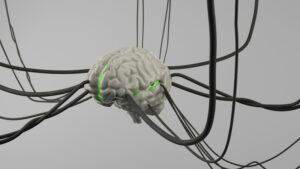
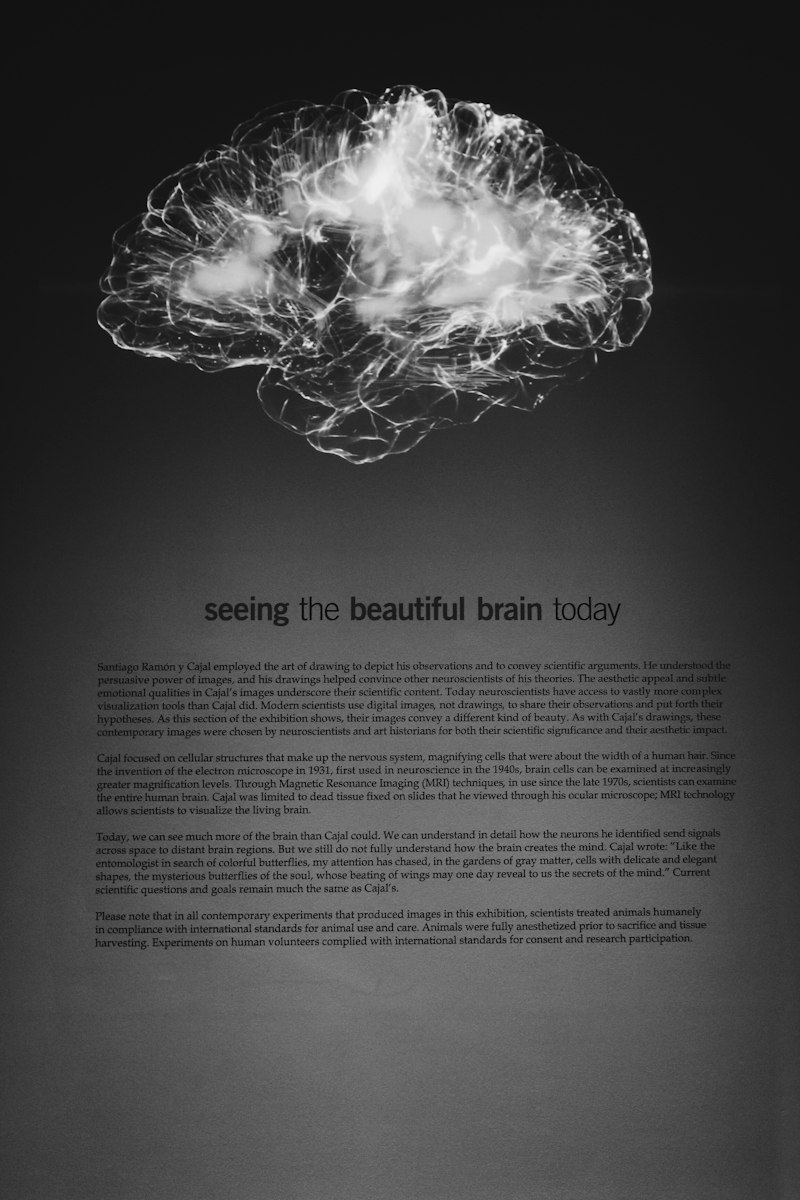
The etiology of thought disorder is not fully understood. It has been suggested that thought disorder is the result of impaired brain functioning, specifically in the frontal and temporal lobes. This impairment is thought to interfere with the ability to process and integrate information, resulting in disorganized thinking and difficulty expressing coherent thoughts.
Treatment
The treatment of thought disorder depends on the underlying cause of the disorder. In cases of psychosis or bipolar disorder, medications such as antipsychotics and mood stabilizers may be prescribed to help control symptoms. In addition, psychotherapy, including cognitive-behavioral therapy and supportive counseling, can be beneficial in helping the individual cope with the symptoms of thought disorder.
Conclusion
Thought disorder is a complex and subtle disturbance of thought processes and communication that can have a variety of presentations. It is often seen in individuals with psychosis, bipolar disorder, and other psychiatric disorders. The etiology of thought disorder is not fully understood, although it is thought to be related to impaired brain functioning. Treatment of thought disorder typically includes medications and psychotherapy.
References
American Psychiatric Association. (2013). Diagnostic and statistical manual of mental disorders (5th ed.). Arlington, VA: American Psychiatric Publishing.
Belmaker, R.H. & Agam, G. (2008). Bipolar disorder. New England Journal of Medicine, 358(4), 385-394.
Kendall, P.C. & Comer, J.R. (2014). Abnormal psychology (7th ed.). New York, NY: Worth.
Koenis, M.M., Aleman, A., Krabbendam, L., & de Haan, L. (2007). Thought disorder in schizophrenia: A review. Clinical Psychology Review, 27(2), 155-172.
Tsuang, M.T., Stone, W.S., & Faraone, S.V. (2005). The genetics of schizophrenia: A review. Annual Review of Medicine, 56(1), 467-479.