Auditory Perception: Decoding the Mind Behind the Noise
Scientifically Reviewed · Dr. Marwa Abd-Alazim · September 30, 2026
Review Criteria & Clinical Standards
This content undergoes rigorous scientific peer-review and medical editorial standards at Arab Psychology Network to ensure clinical accuracy, validity, and compliance with evidence-based guidelines from leading psychological and healthcare authorities (APA / WHO).
Comprehensive Definition and Etiological Foundations of Tinnitus
Tinnitus is defined as the perception of sound in the absence of an external auditory stimulus. Often described as a ringing, buzzing, hissing, or whistling noise, it is not a primary disease but rather a symptom of an underlying condition within the auditory system or the central nervous system. This phenomenon can be perceived in one or both ears, or it may seem to originate within the head itself. The condition is remarkably prevalent, affecting a significant portion of the global population, with estimates suggesting that nearly fifteen percent of adults experience some form of tinnitus during their lives. For many, the sensation is transient or mild; however, for a substantial minority, it becomes a chronic and debilitating condition that severely impairs daily functioning and psychological well-being.
The etiology of tinnitus is multifaceted and can be linked to a variety of physiological triggers. The most common cause is sensorineural hearing loss, often resulting from prolonged exposure to high-decibel environments or the natural process of presbycusis, which is age-related hearing decline. When the hair cells in the cochlea are damaged, the auditory signals sent to the brain are diminished or altered, leading the brain to compensate by creating internal noise. Other potential causes include ototoxic medications—certain antibiotics, diuretics, or chemotherapy agents that damage the inner ear—as well as physical obstructions such as impacted earwax, middle ear infections, or abnormalities in the tiny bones of the ear known as otosclerosis.
In addition to auditory system damage, systemic health issues can play a pivotal role in the development of tinnitus symptoms. Cardiovascular disorders, such as hypertension or atherosclerosis, can cause pulsatile tinnitus, where the individual hears a rhythmic sound synchronized with their heartbeat. Metabolic conditions like diabetes or thyroid dysfunction have also been implicated in the onset of auditory phantoms. Furthermore, temporomandibular joint (TMJ) disorders can influence the perception of sound due to the anatomical proximity of the jaw muscles and nerves to the auditory canal. Understanding the specific origin of an individual’s tinnitus is critical for determining the appropriate clinical pathway and managing expectations for recovery or adaptation.
Pathophysiological Mechanisms and Central Nervous System Involvement
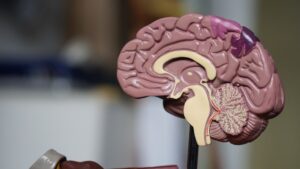
The transition from a peripheral ear injury to the chronic perception of tinnitus involves complex neuroplastic changes within the brain. While the initial trigger often resides in the cochlea, the persistence of the sound is largely a central nervous system phenomenon. When the brain is deprived of normal input from the auditory periphery, it undergoes a process of maladaptive reorganization. This is similar to the concept of phantom limb pain, where the auditory cortex increases its sensitivity to compensate for the missing frequencies. This heightened gain, or “central gain,” results in the amplification of internal neural noise, which the conscious mind then interprets as a continuous external sound.
Beyond the auditory cortex, several non-auditory brain regions are recruited in the maintenance of tinnitus distress. The limbic system, which governs emotional responses, and the autonomic nervous system are frequently hyperactive in patients who find their tinnitus bothersome. This involvement creates a feedback loop where the perception of sound triggers a stress response, which in turn heightens the brain’s attention to the sound. Functional neuroimaging studies have demonstrated increased connectivity between the auditory regions and the amygdala and hippocampus, suggesting that the emotional significance attributed to the sound is a major factor in how the condition is experienced.
Research into neural synchrony has also provided insights into the mechanisms of tinnitus. In a healthy auditory system, neurons fire in a relatively independent manner unless stimulated by external sound. In individuals with tinnitus, groups of neurons in the brain may begin to fire in a synchronized, rhythmic fashion even in total silence. This spontaneous synchronized activity is interpreted by the higher processing centers as a constant tone. Furthermore, the role of neurotransmitters, particularly GABA and glutamate, is being closely studied, as an imbalance between inhibitory and excitatory signals in the brain is believed to facilitate the emergence of these phantom perceptions.
Clinical Classification and Symptomatological Diversity
Clinicians typically categorize tinnitus into two primary forms: subjective tinnitus and objective tinnitus. Subjective tinnitus is by far the most common variety, accounting for over ninety-five percent of cases. In this form, the sound is audible only to the patient and is thought to arise from the neurological adaptations mentioned previously. Objective tinnitus, conversely, is a rare condition where the sound is generated by internal physical structures and can actually be heard by an examiner using a stethoscope or sensitive microphone. This form is often mechanical in nature, caused by vascular abnormalities, muscle spasms in the middle ear, or Eustachian tube dysfunction.
The specific characteristics of the sound can vary significantly between individuals, which influences the diagnostic process and treatment planning. Patients may describe their tinnitus using various descriptors, including:
- Tonal tinnitus: A continuous sound with a well-defined pitch, often resembling a single note or whistle.
- Non-tonal tinnitus: A broad-spectrum noise such as static, rushing water, or clicking.
- Pulsatile tinnitus: A rhythmic sound that follows the patient’s pulse, frequently indicating a vascular origin.
- Musical tinnitus: A rare form where the individual hears fragmented melodies or songs, often seen in those with severe hearing loss.
These variations are essential for clinicians to document, as they provide clues regarding the underlying pathology and the potential for successful intervention.
Another important distinction in classification is the duration and stability of the sound. Acute tinnitus refers to symptoms that have been present for less than three to six months, often following a specific event like a loud concert or a viral infection. In many acute cases, the sound may resolve spontaneously as the ear heals. Chronic tinnitus, however, is defined by symptoms lasting longer than six months. Once the condition reaches the chronic stage, the likelihood of the sound disappearing entirely diminishes, and the clinical focus shifts from “curing” the sound to “managing” the patient’s reaction to it and achieving habituation.
Psychological Impact and Mental Health Comorbidities
The psychological burden of tinnitus cannot be overstated, as the constant presence of an uncontrollable sound can lead to a profound sense of helplessness and distress. For many patients, the primary issue is not the volume of the sound itself, but the emotional and cognitive reactions it provokes. This distress is often conceptualized through the lens of the psychological habituation model. In individuals who cannot habituate, the brain continues to flag the tinnitus as a “threat,” leading to a state of chronic hyper-arousal. This state of constant vigilance makes it nearly impossible for the individual to ignore the sound, creating a cycle of frustration and exhaustion.
Tinnitus is frequently comorbid with several mental health disorders, most notably major depressive disorder and various anxiety disorders. The prevalence of depression among chronic tinnitus sufferers is significantly higher than in the general population, often stemming from the loss of silence and the perceived decline in quality of life. Anxiety often manifests as “tinnitus-related fear,” where the patient worries that the sound indicates a brain tumor or that it will continue to get louder until they can no longer function. These psychological factors are not merely secondary symptoms; they can actually exacerbate the perceived intensity of the tinnitus, as stress hormones are known to increase neural sensitivity.
Furthermore, the impact on cognitive functioning and sleep hygiene is a major concern in clinical psychology. Many patients report difficulty concentrating on complex tasks because the internal noise competes for their attentional resources. This “cognitive interference” can lead to problems in the workplace and in social settings. Insomnia is also incredibly common, as the quiet environment of a bedroom often makes the tinnitus sound more prominent, preventing the individual from falling or staying asleep. The resulting sleep deprivation further reduces the patient’s ability to cope with the sound during the day, creating a multifaceted challenge for psychological intervention.
Diagnostic Procedures and Multidisciplinary Assessment
A thorough diagnostic evaluation for tinnitus requires a multidisciplinary approach, often involving audiologists, otolaryngologists (ENTs), and psychologists. The process begins with a comprehensive medical history to identify potential triggers, such as recent head trauma, noise exposure, or medication changes. A physical examination focuses on the ears, head, and neck to rule out mechanical causes or visible abnormalities. Because tinnitus is a subjective experience, clinicians rely heavily on standardized questionnaires to quantify the severity of the condition and its impact on the patient’s life.
The audiological assessment is a cornerstone of the diagnostic process. This typically includes:
- Pure-tone audiometry: To measure hearing thresholds across various frequencies and identify any co-occurring hearing loss.
- Tinnitus pitch and loudness matching: A procedure where the patient compares their tinnitus to external tones to find a match in frequency and decibel level.
- Minimum masking level (MML): Determining the lowest volume of white noise required to make the tinnitus inaudible.
- Otoacoustic emissions (OAEs): A test to evaluate the health of the outer hair cells in the cochlea.
These tests help to establish a baseline and can assist in the fitting of sound-therapy devices or hearing aids.
When certain “red flags” are present, such as unilateral tinnitus (sound in only one ear) or pulsatile tinnitus, more advanced diagnostic imaging may be required. An MRI or CT scan is often ordered to rule out rare but serious conditions like acoustic neuroma—a benign tumor on the auditory nerve—or vascular malformations. Additionally, psychological screening tools, such as the Tinnitus Handicap Inventory (THI) or the Tinnitus Questionnaire (TQ), are used to assess the level of emotional distress. These tools are vital for determining whether the patient requires psychological counseling in addition to audiological management.
Cognitive Behavioral Therapy and Psychological Management
Currently, Cognitive Behavioral Therapy (CBT) is considered the “gold standard” for the psychological management of tinnitus. The primary goal of CBT is not to eliminate the sound itself, but to change the patient’s emotional and behavioral response to it. By identifying and challenging maladaptive thought patterns—such as “this sound will ruin my life” or “I can never be happy again”—patients can reduce the negative charge associated with the tinnitus. This cognitive restructuring helps the brain to de-prioritize the sound, eventually leading to habituation, where the sound remains present but is no longer bothersome.
In addition to cognitive restructuring, CBT for tinnitus often incorporates exposure therapy and relaxation training. Exposure therapy involves gradually leaning into the sound rather than trying to escape it, which helps to reduce the fear response over time. Relaxation techniques, such as progressive muscle relaxation or deep breathing exercises, are used to counteract the autonomic nervous system’s “fight or flight” response. By lowering the body’s overall stress level, the patient becomes less reactive to the auditory stimulus, which can lead to a perceived reduction in the sound’s intensity and intrusiveness.
Mindfulness-Based Stress Reduction (MBSR) has also emerged as a powerful tool in the psychologist’s arsenal. Mindfulness teaches patients to observe their tinnitus with a non-judgmental attitude, viewing it as just another sensation rather than a threat. This shift in perspective is crucial for breaking the cycle of attention and annoyance. Instead of fighting the sound, which only increases its prominence in the mind, mindfulness encourages acceptance. Research has shown that patients who practice mindfulness regularly report lower levels of tinnitus-related distress and improved overall psychological resilience.
Audiological Interventions and Sound-Based Therapies
For many individuals, sound therapy provides significant relief by using external noise to alter the perception of tinnitus. The principle behind this is “masking” or “distraction.” By introducing a competing sound, such as white noise, nature sounds, or low-level music, the brain’s focus is shifted away from the internal tinnitus sound. This can be achieved through simple means like bedside fans or sound machines, or through specialized wearable sound generators that look like hearing aids but produce a gentle “shushing” sound designed to blend with the tinnitus.
Tinnitus Retraining Therapy (TRT) is a specific protocol that combines sound therapy with intensive counseling. Developed by Dr. Pawel Jastreboff, TRT is based on the neurophysiological model of tinnitus. It utilizes low-level broadband noise to decrease the contrast between the tinnitus and the background environment, making it easier for the brain to ignore the sound. The counseling component of TRT aims to reclassify the tinnitus as a neutral stimulus. While TRT can take twelve to twenty-four months to achieve full results, it has a high success rate in helping patients reach a state of permanent habituation.
In cases where tinnitus is accompanied by hearing loss, hearing aids are often the most effective treatment. By amplifying external sounds, hearing aids provide the brain with the auditory input it has been missing, which can naturally suppress the phantom noise. Furthermore, by improving the patient’s ability to communicate and engage with their environment, hearing aids reduce the social isolation and frustration often associated with both hearing loss and tinnitus. For those with profound deafness and severe tinnitus, cochlear implants have been shown to significantly reduce or even eliminate the perception of tinnitus by restoring direct electrical stimulation to the auditory nerve.
Lifestyle Modifications and Long-term Coping Strategies
Effective management of tinnitus often requires a holistic approach that includes lifestyle modifications aimed at reducing triggers and improving general health. While diet does not cause tinnitus, certain substances can temporarily exacerbate the sound in some individuals. High intakes of caffeine, nicotine, and alcohol are common culprits, as they can affect blood flow and increase central nervous system excitability. Similarly, excessive salt intake can lead to fluid retention in the inner ear, potentially worsening symptoms. Patients are often encouraged to keep a diary to identify if specific dietary habits correlate with “spikes” in their tinnitus volume.
Stress management is perhaps the most critical lifestyle factor for long-term coping. Because the brain’s emotional centers are so closely linked to the auditory system, high levels of stress can cause a significant increase in tinnitus perception. Engaging in regular physical exercise, ensuring adequate sleep, and maintaining a healthy work-life balance can all contribute to a more stable auditory experience. Furthermore, joining support groups can provide immense psychological relief. Connecting with others who share the same experience helps to normalize the condition and reduces the sense of isolation that many patients feel when they first develop chronic tinnitus.
Finally, prevention remains a vital component of long-term management, especially for those who already have existing damage. Protecting the ears from further loud noise exposure is essential to prevent the tinnitus from worsening. This includes using high-quality earplugs or earmuffs when using power tools, attending concerts, or working in noisy environments. Education on “safe listening” habits, such as keeping headphone volumes at a reasonable level and taking “quiet breaks,” is also important. By taking proactive steps to protect their hearing, individuals with tinnitus can maintain their current level of function and prevent the development of more severe auditory complications in the future.