Tonic Epilepsy: Unlocking the Science of Muscle Rigidity
Scientifically Reviewed · Dr. Marwa Abd-Alazim · September 12, 2026
Review Criteria & Clinical Standards
This content undergoes rigorous scientific peer-review and medical editorial standards at Arab Psychology Network to ensure clinical accuracy, validity, and compliance with evidence-based guidelines from leading psychological and healthcare authorities (APA / WHO).
Definition and Core Characteristics of Tonic Epilepsy
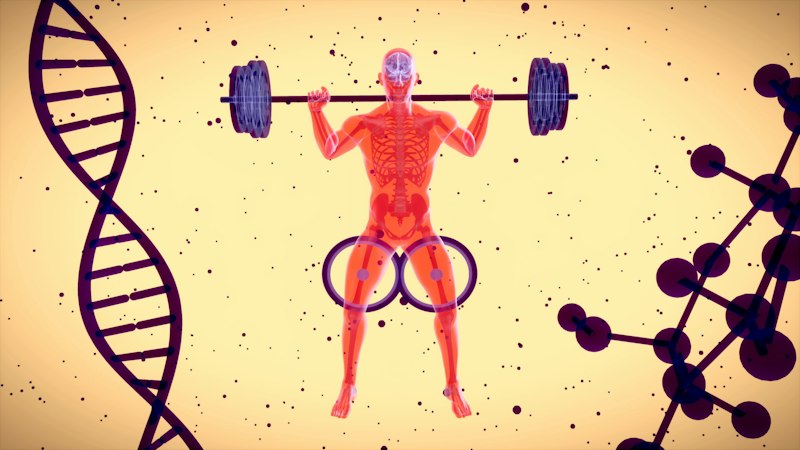
Tonic epilepsy represents a specific and often severe form of seizure disorder characterized primarily by sustained, involuntary contraction of muscle groups, known as a tonic contraction. This form of seizure is critically defined by the absence of the subsequent rhythmic, jerking movements that characterize clonic seizures or the combined tonic-clonic seizures, commonly referred to as grand mal seizures. The defining feature is the sudden onset of increased muscle tone, which stiffens the body, limbs, or axial musculature. This rigidity typically lasts from a few seconds up to a minute, and its presentation can vary significantly depending on the muscle groups involved and the patient’s posture at the time of onset, often leading to sudden falls or postural changes.
The physiological mechanisms underpinning the tonic phase involve widespread, synchronized high-frequency electrical discharge across the motor cortex and subcortical structures. These discharges lead to the massive, simultaneous depolarization of motor neurons, resulting in continuous muscle activation rather than the intermittent firing seen in clonic activity. Tonic seizures are generally classified as generalized seizures, meaning they involve both hemispheres of the brain from the outset, although focal onset with rapid generalization is also possible. The clinical impact of this sustained contraction is significant, often causing the individual to abruptly lose balance and potentially sustain severe injuries if the seizure occurs while standing or ambulating.
Understanding the terminology is crucial in differentiating tonic epilepsy from other seizure types. While clonic seizures involve alternating phases of contraction and relaxation, the tonic seizure is marked by relentless rigidity. When tonic seizures occur in children, they are frequently associated with severe developmental and epileptic encephalopathies, such as Lennox-Gastaut Syndrome (LGS), indicating a more complex underlying neurological pathology. The pure tonic seizure, devoid of a clonic component, demands accurate identification for appropriate treatment planning, as the management strategies may differ significantly from those employed for generalized tonic-clonic seizures. The duration, while brief, is sufficient to cause significant postural derangement and associated risks, emphasizing the seriousness of this epileptic manifestation.
Etiology and Underlying Pathophysiology
The etiology of tonic epilepsy is diverse but frequently involves structural brain abnormalities or severe underlying genetic syndromes, particularly when the condition manifests early in life. Unlike some focal epilepsies that might result from localized scars or trauma, tonic seizures often suggest a more diffuse cerebral dysfunction affecting the critical neuronal networks responsible for motor control and arousal. Common underlying causes include congenital brain malformations, perinatal insults resulting in hypoxic-ischemic injury, significant head trauma, and progressive neurodegenerative disorders. The presence of tonic seizures often correlates with significant intellectual disability and global developmental delay, reinforcing the notion that they are markers of severe underlying neurological compromise rather than isolated electrical disturbances.
At the cellular level, the pathophysiology involves profound excitability and impaired inhibition within the cortical and subcortical motor pathways. The exact mechanism leading to sustained contraction, as opposed to rhythmic jerking, is thought to be related to the pattern of neurotransmitter release and receptor activity during the ictal phase. Specifically, the widespread, simultaneous activation of excitatory pathways, often involving the glutamatergic system, overwhelms inhibitory mechanisms mediated by GABA (gamma-aminobutyric acid). This imbalance drives the sustained high-frequency firing characteristic of the tonic phase. In conditions like LGS, the underlying pathology often involves diffuse cortical or deep gray matter abnormalities, which create an environment conducive to generating and propagating these generalized, stiffening discharges.
Genetic factors play a substantial role, especially in syndromic forms of tonic epilepsy. Mutations in genes encoding ion channels, neurotransmitter receptors, or structural proteins critical for neuronal migration and development are commonly implicated. Examples include mutations affecting sodium channels (SCN1A, SCN2A) or various genetic syndromes that feature structural brain anomalies. Furthermore, the persistent, high-frequency nature of the seizures themselves can lead to secondary excitotoxic damage, potentially worsening the underlying encephalopathy over time. Understanding the specific genetic or structural cause is increasingly important, as it may guide the selection of targeted therapies that address the root cause of the neuronal hyperexcitability driving the sustained muscle contraction observed in tonic seizures.
Clinical Presentation and Semiology of Tonic Seizures
The clinical presentation of a tonic seizure is characterized by a rapid, often immediate, onset of muscle stiffening. This stiffening can involve the entire body (generalized tonic seizure) or predominantly the axial muscles (neck, trunk) and proximal limbs. The duration is typically short, usually lasting less than twenty seconds, though longer episodes can occur. A defining feature is the fixed posture adopted during the seizure, which depends heavily on whether the extensor or flexor muscles are predominantly involved. In the most common presentation, the extensor muscles dominate, leading to stiffening and extension of the arms and legs, arching of the back, and often upward deviation of the eyes. If the seizure occurs while the patient is standing, this sudden rigidity immediately results in a devastating fall, often referred to as a “drop attack,” which carries a high risk of injury to the face and head.
In many cases, consciousness is impaired or completely lost throughout the duration of the tonic seizure, and patients usually have no memory of the event. While the seizure itself is brief, the rapid transition from normal activity to profound rigidity and potential collapse is highly disruptive. Subtle autonomic features may accompany the motor symptoms, including changes in heart rate, respiratory patterns, flushing, and pupillary dilation, though these are secondary to the massive sympathetic discharge accompanying the generalized electrical activity. It is critical to distinguish tonic seizures from other paroxysmal non-epileptic events, such as syncopal episodes or psychogenic non-epileptic seizures (PNES), which often lack the specific, sustained rigidity and characteristic EEG findings associated with tonic epilepsy.
The semiology can be further categorized based on the muscle groups affected. Axial tonic seizures primarily involve the trunk and neck, leading to head drops or forward bending, whereas generalized tonic seizures involve all four limbs. Nocturnal tonic seizures are particularly common, especially in syndromic epilepsies, and can often be mistaken for normal nocturnal movements or spasms. Their occurrence during sleep complicates diagnosis and management, necessitating nighttime video-EEG monitoring for accurate characterization. Due to the lack of the rhythmic clonic component, the post-ictal phase is often shorter than that following a generalized tonic-clonic seizure, though a brief period of confusion or drowsiness may still be present before the patient returns to their baseline cognitive status.
Associated Epilepsy Syndromes
Tonic seizures are not typically isolated events in adults but are a hallmark feature of several severe pediatric epileptic encephalopathies. The most prominent association is with Lennox-Gastaut Syndrome (LGS), a catastrophic childhood epilepsy syndrome characterized by a triad of multiple seizure types (including tonic, atypical absence, and atonic seizures), a specific EEG pattern (slow spike-and-wave complex), and intellectual disability. In LGS, tonic seizures are often refractory to standard antiepileptic medications and contribute significantly to the patient’s overall morbidity, particularly due to the high frequency of drop attacks and subsequent trauma. The presence of frequent tonic seizures in a young child strongly suggests a high likelihood of a complex, syndromic diagnosis requiring specialized management.
Another syndrome frequently associated with tonic seizures is Dravet Syndrome, although tonic-clonic and myoclonic seizures often dominate the early presentation. As Dravet Syndrome progresses, often into adolescence or adulthood, tonic seizures may emerge as part of the evolving epileptic phenotype. Similarly, tonic seizures can be seen in structural epilepsies related to extensive brain malformations, such as hemi-megalencephaly, or in those resulting from early severe acquired injuries. The common thread among these syndromes is the widespread, underlying cerebral dysfunction that predisposes the patient to generalized, high-voltage discharges rather than localized activity, leading to the sustained muscle contraction that defines the tonic event.
The importance of identifying the associated syndrome cannot be overstated, as the prognosis and treatment protocols differ substantially between isolated epilepsy and complex encephalopathies like LGS. For instance, LGS requires a multi-faceted approach utilizing specific anti-seizure medications (ASMs) known to be effective against tonic and atonic seizures, as well as potential dietary and surgical interventions. Furthermore, the presence of tonic seizures in these syndromic contexts often signifies a resistance to treatment, necessitating aggressive management strategies and specialized care to mitigate the risks associated with frequent, severe seizures and developmental regression. Recognizing tonic epilepsy as part of a larger syndrome allows clinicians to address not only the seizures but also the associated cognitive and behavioral impairments.
Diagnostic Evaluation and Confirmation
Diagnosis of tonic epilepsy relies heavily on a detailed clinical history, physical examination, and objective confirmation using electroencephalography (EEG). The clinical history must accurately capture the semiology, specifically confirming the sustained rigidity without subsequent clonic movements, and evaluating the impact of the seizures (e.g., frequency of falls). Video-EEG monitoring is considered the gold standard diagnostic tool, particularly when distinguishing tonic seizures from other movement disorders or non-epileptic events. During a typical tonic seizure captured on EEG, there is an abrupt change in background activity, usually showing a sudden attenuation (flattening) followed immediately by the appearance of low-voltage, fast activity or high-frequency, generalized spike discharges.
The characteristic EEG pattern during the seizure, often manifesting as a rapid, generalized spike train at 10 to 25 Hz, provides definitive proof of the epileptic nature of the event. Crucially, interictal EEG findings are also vital, especially in syndromic cases. In LGS, for instance, the interictal EEG shows the pathognomonic slow spike-and-wave pattern (typically less than 2.5 Hz). Neuroimaging, particularly Magnetic Resonance Imaging (MRI), is mandatory to investigate the underlying etiology. High-resolution MRI can identify structural abnormalities such as cortical dysplasia, hippocampal sclerosis, or evidence of remote ischemic injury, all of which may predispose the patient to generalized tonic seizures.
Differential diagnosis is essential to avoid misclassification. Tonic seizures must be differentiated from infantile spasms (West Syndrome), which are typically shorter and often occur in clusters; from myoclonic jerks, which are rapid, shock-like movements; and from non-epileptic paroxysmal events. Furthermore, comprehensive genetic testing is increasingly utilized, especially when structural imaging is unremarkable, to identify specific gene mutations associated with epileptic encephalopathies. The combination of detailed clinical observation, characteristic EEG findings during the ictal and interictal periods, and thorough etiological investigation via neuroimaging and genetics allows for the definitive diagnosis and classification of tonic epilepsy, guiding effective therapeutic intervention.
Pharmacological and Non-Pharmacological Management
The management of tonic epilepsy, particularly when associated with severe syndromes like Lennox-Gastaut, is often challenging due to high rates of pharmacoresistance. The primary goal of treatment is reducing seizure frequency, minimizing the risk of drop attacks and injury, and improving overall quality of life. First-line pharmacological agents often target the sustained, high-frequency electrical activity. Medications frequently utilized include valproate, lamotrigine, and topiramate. However, for refractory cases, specific broad-spectrum anti-seizure medications that have demonstrated efficacy against tonic seizures are preferred, such as rufinamide and clobazam. Clobazam, a benzodiazepine, acts as a positive allosteric modulator of the GABA-A receptor, enhancing inhibitory neurotransmission, which is critical in counteracting the excessive excitability driving the tonic contraction.
Non-pharmacological interventions play a crucial role, especially when two or more appropriate ASMs have failed to achieve adequate seizure control. The Ketogenic Diet (KD) is a high-fat, low-carbohydrate, controlled-protein diet that shifts the body’s metabolism toward producing ketones, which can have significant anti-seizure effects, particularly in children with LGS and tonic seizures. Other dietary therapies, such as the Modified Atkins Diet (MAD), may also be considered. Neuromodulation techniques offer another avenue for treatment. Vagus Nerve Stimulation (VNS) involves implanting a device that delivers intermittent electrical pulses to the vagus nerve, which can reduce seizure severity and frequency, including tonic seizures, in some patients.
In highly selected, drug-resistant cases where an underlying focal lesion is identified or where the epilepsy is lateralized, resective epilepsy surgery may be considered, although this is less common for generalized tonic epilepsy. More relevant surgical options for severe generalized epilepsies manifesting with drop attacks include palliative procedures like corpus callosotomy. This procedure involves cutting the fibers connecting the two cerebral hemispheres, which can limit the bilateral spread of epileptic discharges, thereby reducing the severity and frequency of generalized seizures, particularly tonic and atonic drop attacks, mitigating the risk of serious injury associated with tonic epilepsy. Comprehensive management requires a multidisciplinary team approach involving neurologists, dietitians, surgeons, and physical therapists.
Prognosis and Quality of Life
The prognosis for individuals diagnosed with tonic epilepsy is highly dependent on the underlying etiology and the age of onset. When tonic seizures are part of a severe epileptic encephalopathy like Lennox-Gastaut Syndrome, the long-term outlook is often guarded. These patients typically face persistent, pharmacoresistant seizures, significant cognitive impairment, and lifelong dependence. The persistence of frequent tonic seizures, especially those leading to drop attacks, dramatically reduces the quality of life, increases the risk of serious physical injury, and contributes to premature mortality, particularly through Sudden Unexpected Death in Epilepsy (SUDEP). Therefore, proactive injury prevention strategies, including protective headgear and environmental modifications, are essential components of long-term care.
In contrast, if tonic seizures occur in isolation or are successfully controlled early in the course of the disease, the prognosis is considerably better, although this scenario is far less common. The most significant determinant of long-term functional outcome is the degree of underlying neurological damage rather than the seizures themselves. Patients with structural brain abnormalities or severe genetic syndromes often experience progressive developmental delays and behavioral issues concomitant with their seizures. The chronic nature of the epilepsy necessitates continuous psychological and educational support to maximize functional potential and address associated comorbidities such as anxiety, depression, and attention deficits.
Improving the quality of life for those with tonic epilepsy involves a holistic approach focused on seizure suppression, injury reduction, and functional rehabilitation. Advances in anti-seizure medications and non-pharmacological therapies continue to offer incremental improvements in seizure control for previously intractable cases. Nevertheless, the presence of frequent tonic seizures remains a profound indicator of severe epilepsy, requiring vigilant monitoring and aggressive, personalized therapeutic strategies to minimize the devastating physical and developmental consequences associated with this challenging form of epilepsy.