Somatosensory Sensitivity: Decoding Your Body’s Internal Map
Scientifically Reviewed · Dr. Marwa Abd-Alazim · September 12, 2026
Review Criteria & Clinical Standards
This content undergoes rigorous scientific peer-review and medical editorial standards at Arab Psychology Network to ensure clinical accuracy, validity, and compliance with evidence-based guidelines from leading psychological and healthcare authorities (APA / WHO).
Introduction and Definition of Touch Spots
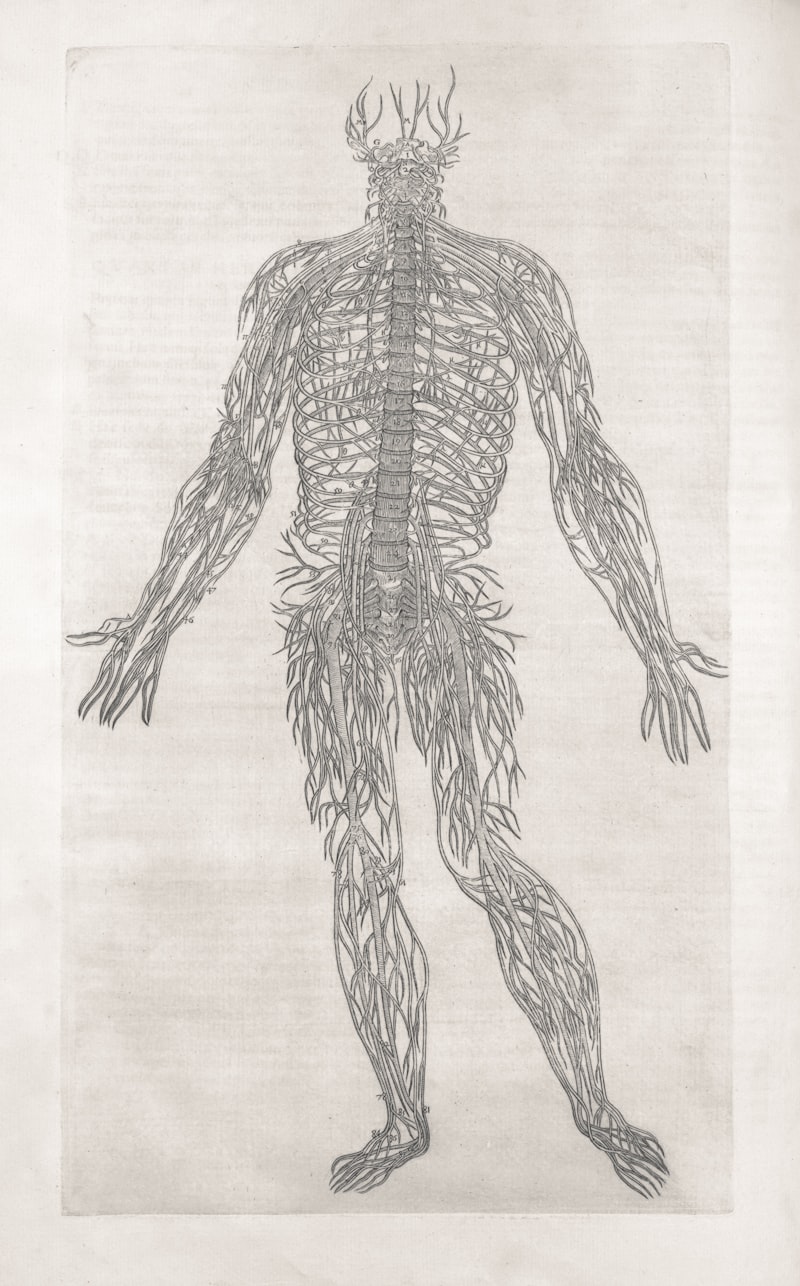
The term Touch Spot refers fundamentally to minute, discrete regions located within the superficial layers of the skin that exhibit heightened sensitivity to specific mechanical stimuli. These specialized areas are the external endpoints of the sophisticated somatosensory system, acting as transducers that convert physical energy—such as pressure, vibration, or deformation—into electrical signals that the central nervous system can interpret. While historical or colloquial definitions may sometimes inaccurately associate these sensitive regions with other modalities, such as sensitivity to light, the established physiological and psychological consensus dictates that Touch Spots are critically defined by their role in mechanoreception. They represent concentrated fields where specific sensory nerve endings, known as mechanoreceptors, terminate just below the epidermis or within the dermis, allowing for the fine discrimination necessary for tactile perception. Understanding these spots is crucial for grasping how organisms interact physically with their environment, providing essential feedback regarding texture, shape, weight, and movement, which ultimately forms the basis of haptic perception and motor control.
It is important to clarify the distinction between the true physiological function of these cutaneous spots and certain historical or non-standard interpretations. The original entry definition referenced sensitivity to light, which is scientifically attributed to photoreceptors in the eyes or, in some non-mammalian contexts, specialized dermal cells; however, in human psychology and physiology, Touch Spots are strictly concerned with the sense of touch. The efficiency and reliability of the tactile sense depend entirely on the spatial arrangement and density of these distinct sensory units. These spots are not uniform across the body; rather, their distribution varies dramatically, contributing to the highly differential tactile acuity observed in areas like the fingertips compared to the back. This variability underscores the adaptive specialization of the somatosensory system, prioritizing detailed tactile input in areas critical for manipulation and exploration.
The core function of a Touch Spot is to serve as a precise locus for sensory transduction. When the skin is stimulated—for example, when a minute region is exposed to pressure—only the specific spot corresponding to the activated receptor will register the input efficiently. This discrete organization contrasts sharply with the diffuse nature of general skin sensation, highlighting the punctate nature of sensory experience. The precise localization of these spots allows for detailed mapping of the body surface, a process that revealed that our tactile sensitivity is organized into specific receptive fields, each monitored by a dedicated nerve fiber. This structural organization is the prerequisite for generating the detailed spatial map of the body maintained within the somatosensory cortex of the brain, allowing us to accurately locate where on the body a stimulus has occurred, a process known as somatotopic representation.
Historical Context and Early Mapping of Cutaneous Sensitivity
The systematic investigation into Touch Spots began earnestly in the mid-19th century, marking a pivotal moment in experimental psychology and neurophysiology. Prior to this, touch was often considered a unitary, continuous sense distributed evenly across the skin. Pioneering researchers, most notably Ernst Heinrich Weber and later Maximilian von Frey, utilized focused, minute stimuli—such as fine hairs or sharpened probes—to challenge this assumption. Their meticulous mapping experiments demonstrated unequivocally that the skin surface is not uniformly sensitive but rather a mosaic of distinct sensory points, each tuned to a specific modality: touch, pressure, cold, warmth, or pain. These early findings revolutionized the understanding of sensation, establishing the principle that complex tactile perception arises from the spatial and temporal integration of input from these discrete, specialized spots.
The work of Von Frey, in particular, standardized the methodology for mapping these punctate sensitivities. By applying varying pressures using calibrated horsehairs (Von Frey hairs), he could determine the minimum threshold required to elicit a sensation at various points on the skin. This methodology revealed that points sensitive to light pressure were interspersed among areas sensitive to pain or temperature, but crucially, a single spot generally responded optimally to only one type of stimulus. This provided strong evidence for the doctrine of specific nerve energies applied to the cutaneous senses, suggesting that the quality of the sensation perceived (e.g., touch versus pain) is determined not by the stimulus itself, but by the specific type of receptor and nerve pathway activated. The identification of a dedicated “pressure spot” confirmed the existence of specialized end organs responsible for light touch.
However, early mapping efforts were often complicated by the technical limitations of the instruments and the subjective nature of the human report. For instance, while researchers successfully identified spots highly sensitive to light touch, the exact correlation between the visible histological structures (like Meissner’s corpuscles) and the specific functional Touch Spot remained ambiguous for many decades. Modern neurophysiological techniques, utilizing electrophysiology and microneurography, have since confirmed that these functional spots correspond directly to the receptive fields of individual sensory afferent fibers. The historical significance lies in establishing the fundamental idea that tactile acuity is a function of the spatial density and receptive field size of these underlying sensory units, paving the way for quantitative psychophysics in somatosensation.
Physiological Basis: The Role of Mechanoreceptors
The physical reality underlying the functional definition of a Touch Spot is the presence of specialized sensory endings known as mechanoreceptors. These biological transducers are exquisitely engineered to respond to mechanical deformation, whether it be stretching, compression, indentation, or vibration of the skin tissue. Mechanoreceptors are classified based on their morphology, location within the skin layers, adaptation rate, and the size of their receptive fields. It is the collective arrangement and individual specificity of these receptors that dictate the unique sensitivity profile of any given minute region of the skin. The activation of ion channels within the nerve ending membrane, triggered by physical deformation, initiates an action potential that propagates toward the spinal cord and ultimately the cerebral cortex.
Mechanoreceptors are generally categorized along two major axes: adaptation rate and receptive field size. Rapidly adapting (RA) receptors respond vigorously to the onset and offset of a stimulus, but quickly cease firing if the stimulus remains constant; they are essential for detecting motion and vibration. Conversely, slowly adapting (SA) receptors maintain a sustained firing rate throughout the duration of the stimulus, providing continuous information about pressure intensity and static indentation, crucial for perceiving shape and texture when grasping an object. Furthermore, receptors with small receptive fields (Type I) allow for sharp spatial resolution, directly correlating with the ability to precisely localize a Touch Spot, while those with large receptive fields (Type II) provide information about stimuli applied over a wider area, contributing to gross pressure perception.
The specific combination of these characteristics determines the function of the corresponding Touch Spot. For instance, the high density of small, rapidly adapting Meissner’s corpuscles in the fingertips explains the exceptional sensitivity of these areas to light flutter and movement. In contrast, Pacinian corpuscles, located deep in the dermis, respond primarily to high-frequency vibration, contributing to our ability to sense tools or environmental rumblings. Thus, a functional Touch Spot is not merely a single point, but the surface manifestation of the underlying receptive field of a specific afferent neuron, designed to filter and transmit only highly specific mechanical information to the brain, optimizing the efficiency of the somatosensory system.
Classification and Types of Touch Receptors
The intricate array of Touch Spots across the skin surface maps directly onto four primary types of specialized mechanoreceptor afferents that mediate tactile sensation in glabrous (hairless) skin, with slightly different classifications existing for hairy skin. These four types—each responsible for a unique aspect of tactile perception—are identified based on their physiological responses and anatomical structures. Understanding these classifications is necessary to appreciate how the brain constructs a holistic perception of touch from disparate sensory inputs. Each receptor type defines the specific mechanical quality to which a particular Touch Spot is most sensitive.
The first major type includes the Merkel cell-neurite complexes (SA Type I). These receptors are situated near the border of the epidermis and dermis and are characterized by their slow adaptation rate and small, sharp receptive fields. They are critical for encoding static indentation, providing sustained information about the form and texture of objects pressed against the skin. A Touch Spot associated with Merkel cells has a high spatial resolution, making them instrumental in tasks requiring detailed shape discrimination, such as reading Braille. The second type is the Meissner’s corpuscle (RA Type I), located in the dermal papillae. These are rapidly adapting receptors with small receptive fields, making them highly sensitive to low-frequency vibration (flutter) and lateral skin motion. They are essential for grip control and detecting initial contact with surfaces.
The third type involves the Ruffini endings (SA Type II), which are slowly adapting receptors situated deeper in the dermis and respond primarily to sustained skin stretch. They possess large, diffuse receptive fields and are thought to contribute significantly to the perception of object slippage and the overall configuration of the hand and body parts, playing a role in proprioception related to joint movement. Finally, the fourth type is the Pacinian corpuscle (RA Type II), the deepest and largest of the encapsulated receptors. These are rapidly adapting and possess extremely large receptive fields, giving them poor spatial localization but exceptional sensitivity to high-frequency vibration (200-300 Hz). These receptors are crucial for perceiving events transmitted through tools or surfaces, such as the distant tremor of a machine. The integrated input from these four specialized Touch Spots allows for the rich and detailed experience of touch.
Density and Distribution Across the Body
The density and spatial distribution of Touch Spots are highly non-uniform across the human body surface, a phenomenon that directly reflects the functional importance of different body regions for tactile interaction and sensory exploration. Regions characterized by high tactile acuity, such as the fingertips, lips, and tongue, exhibit a significantly greater concentration of mechanoreceptors, particularly those associated with small receptive fields (Merkel and Meissner complexes), compared to regions like the back or the thigh. This differential density is a crucial anatomical feature supporting the two-point discrimination threshold, a classic psychophysical measure of spatial resolution. Where the density of Touch Spots is high, two closely spaced stimuli can be perceived as distinct points; where density is low, they merge into a single sensation.
This variation in density is not random; it is a product of evolutionary adaptation that optimizes sensory resources where they are most needed for manipulation, feeding, or defense. For example, the high concentration of Touch Spots in the hands facilitates fine motor skills and tool use, demanding precise spatial and temporal feedback. The density gradient mirrors the disproportionate representation of these areas within the primary somatosensory cortex (S1), often visualized in the form of the cortical homunculus. Areas with denser Touch Spots occupy a larger area of the cortical map, demonstrating a direct link between peripheral receptor density and central processing capacity.
Furthermore, the distribution profile varies not only in overall number but also in the relative proportions of different receptor types. Areas requiring sustained pressure monitoring for posture or heavy grasping might exhibit a greater relative proportion of SA receptors (Ruffini and Merkel), while areas involved in active exploration and sensing texture will prioritize RA receptors (Meissner and Pacinian). This functional specialization ensures that the localized Touch Spot is perfectly matched to the environmental interactions typically experienced by that specific region of the body. Understanding this anatomical variability is essential for interpreting clinical assessments of tactile impairment and sensory loss.
Psychophysical Measurement and Mapping Techniques
The study of Touch Spots relies heavily on psychophysical methods designed to quantify the relationship between physical stimuli and perceived sensation. Mapping the precise location and sensitivity threshold of these spots allows researchers to establish normative data regarding tactile acuity. The fundamental principle involves isolating a minute area of skin and determining the minimum physical energy required to elicit a reliable conscious sensation, known as the absolute threshold. Techniques must be highly controlled to ensure that the stimulus is specific to the target receptor field and does not inadvertently activate surrounding areas due to mechanical spread.
The classical method, still utilized for threshold testing, involves Von Frey filaments. These calibrated hairs or nylon fibers bend at specific force levels, allowing for the precise application of quantifiable pressure to a suspected Touch Spot. By systematically probing the skin surface with these filaments, researchers can generate a detailed topographical map showing the spatial distribution of touch-sensitive points relative to other sensory modalities (pain, temperature). More sophisticated modern techniques include high-resolution tactile sensors and computerized pneumatic stimulators that can deliver extremely localized, repeatable forces, often used in conjunction with neuroimaging techniques like fMRI to correlate peripheral stimulation with central neural activation patterns.
Beyond simple threshold detection, other psychophysical measures, such as the two-point discrimination threshold, indirectly assess the density and size of the underlying receptive fields that constitute the Touch Spots. By measuring the minimum distance between two simultaneously applied stimuli required for them to be perceived as separate, researchers gain insight into the spatial resolution capability of the skin area. High resolution indicates a greater density of small, distinct Touch Spots. These quantitative measurements are indispensable not only for fundamental research in sensory processing but also for clinical diagnosis of peripheral neuropathies, where the threshold of activation for these spots may be significantly elevated or entirely lost.
Clinical Significance and Applications
The integrity and function of Touch Spots hold profound clinical significance, as they serve as the primary gateway for assessing the health of the peripheral and central somatosensory pathways. Damage to peripheral nerves, often caused by conditions like diabetes (diabetic neuropathy), trauma, or toxic exposure, frequently manifests as altered thresholds or complete loss of sensitivity in specific Touch Spots. Testing the sensitivity profile using Von Frey filaments is a standard procedure in neurology to map the extent and severity of sensory deficits, providing critical information for diagnosis and monitoring disease progression.
Furthermore, the concept of the Touch Spot is central to understanding phenomena related to pain and hyperesthesia. In conditions involving chronic pain or nerve irritation, the thresholds for activating the mechanoreceptors within a particular spot may be abnormally lowered, leading to allodynia—the perception of pain from a stimulus that should only evoke touch. Conversely, in cases of anesthesia, the Touch Spots cease to function, resulting in tactile numbness. Rehabilitation efforts, particularly in fields like occupational therapy, often focus on sensory re-education, aiming to restore the functional integrity and appropriate central interpretation of signals originating from these minute cutaneous regions.
In applied fields, the study of Touch Spots informs the design of tactile interfaces, prosthetics, and robotic systems. Engineers strive to mimic the sensitivity and resolution of human skin by developing artificial sensors (e-skin) that replicate the differential density and specialized response characteristics of natural mechanoreceptors. By understanding the optimal spacing and response curve of biological Touch Spots, developers can create more intuitive and functional prosthetic limbs that provide meaningful tactile feedback, enhancing the user’s ability to manipulate objects and perceive environmental conditions, thus demonstrating the critical practical relevance of this fundamental physiological concept.
Conclusion: Integration into Somatosensory Perception
The Touch Spot, though a minute and discrete anatomical region, serves as the elemental unit of tactile perception. Its function transcends simple detection; it is an active filter that specializes in transmitting highly specific mechanical information, whether it be sustained pressure, rapid vibration, or lateral skin stretch. The integrated activity across the body’s millions of these specialized spots—each firing according to its unique sensitivity profile—is synthesized by the central nervous system to construct the holistic, high-fidelity experience we know as touch. This sophisticated system allows for crucial interactions with the environment, ranging from the delicate manipulation required for surgical tasks to the automatic maintenance of postural stability.
The enduring importance of studying Touch Spots lies in their role as the physical interface between the internal biological system and the external world. Any disruption to their sensitivity, whether due to nerve damage or central processing errors, profoundly impacts an individual’s quality of life and ability to perform daily tasks, underscoring the critical nature of this seemingly simple sensory element. The rigorous investigation of their physiology and psychophysics continues to drive advancements in neuroscience, robotics, and clinical medicine, reinforcing the fact that the subtle sensitivity of these minute skin regions is foundational to human sensory experience.
In summary, the notion that “the touch spot was clearly irritated by day’s end” reflects the reality that these sensory units are constantly engaged in monitoring environmental inputs, and their functional status is central to both comfort and perceptual awareness. They are not passive recipients of stimuli but active, specialized transducers whose collective function defines our connection to the physical world, making the understanding of their specialized sensitivity paramount in the study of somatosensation.