Genetic Encoding: Unlocking the Secrets of Human Behavior
Scientifically Reviewed · Dr. Marwa Abd-Alazim · October 9, 2026
Review Criteria & Clinical Standards
This content undergoes rigorous scientific peer-review and medical editorial standards at Arab Psychology Network to ensure clinical accuracy, validity, and compliance with evidence-based guidelines from leading psychological and healthcare authorities (APA / WHO).
The Core Definition of Biological Transcription
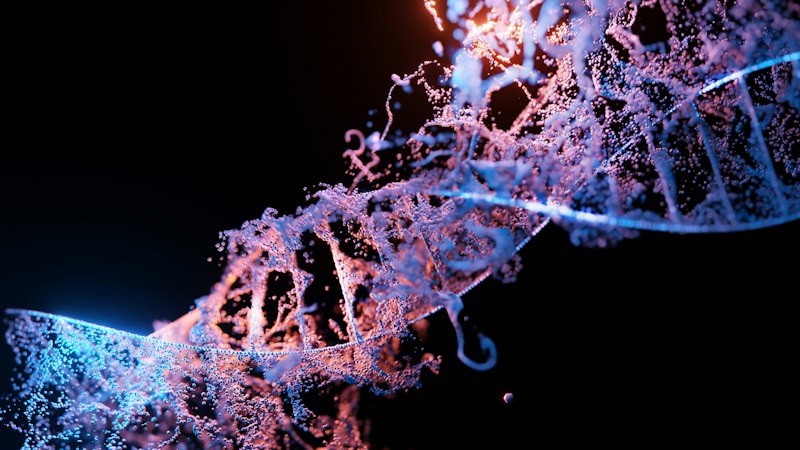
Transcription is a fundamental and intricate biological process, serving as the initial and crucial step in gene expression. At its most basic level, transcription involves the conversion of genetic information from a DNA template into an RNA molecule. This elegant mechanism is essential for all known forms of life, acting as the bridge between the stable, archival genetic blueprint stored in DNA and the dynamic, functional machinery of the cell, primarily composed of proteins. Without accurate and regulated transcription, cells would be unable to access and utilize the instructions necessary for their structure, function, and overall survival.
The fundamental principle behind transcription is the transfer of information, a concept central to molecular biology known as the Central Dogma. This dogma posits that genetic information flows from DNA to RNA, and then from RNA to protein. During transcription, a specific segment of a DNA molecule, often a gene, is selectively copied. This copying process is catalyzed by a specialized enzyme called RNA polymerase. The RNA molecule produced, known as a primary transcript, can take various forms, including messenger RNA (mRNA), ribosomal RNA (rRNA), transfer RNA (tRNA), and various non-coding RNAs, each with distinct roles in cellular activities and gene regulation. The accuracy and efficiency of this information transfer are paramount for maintaining cellular homeostasis and responding to environmental cues.
Expanding on this, the process is not merely a simple duplication but a highly controlled and regulated event. The RNA polymerase does not randomly bind to DNA; instead, it is guided to specific regions, known as promoters, by a complex interplay of other proteins called transcription factors. These factors ensure that the correct genes are expressed at the appropriate times and in the right amounts, contributing to cell differentiation, development, and the overall maintenance of an organism. The resulting RNA molecule, particularly mRNA, then carries the genetic code from the nucleus to the ribosomes in the cytoplasm, where it serves as a template for protein synthesis through the process of translation. This intricate symphony of molecular interactions underscores transcription’s critical role in governing all aspects of cellular life.
Historical Context and Elucidation
The journey to understanding transcription is deeply intertwined with the broader history of genetics and molecular biology, particularly the elucidation of DNA as the carrier of genetic information. Key figures like James Watson and Francis Crick, along with Rosalind Franklin and Maurice Wilkins, unveiled the double-helix structure of DNA in 1953, providing the foundational insight into how genetic information could be stored and replicated. This discovery opened the floodgates for understanding how this information is actually accessed and utilized by the cell. Francis Crick himself, in 1957, proposed the Central Dogma of Molecular Biology, which laid out the directional flow of genetic information from DNA to RNA to protein, conceptually defining transcription as the first step in this critical pathway.
The experimental proof and detailed mechanisms of transcription began to emerge in the late 1950s and early 1960s. Arthur Kornberg’s work on DNA replication and the discovery of DNA polymerase provided a template for thinking about nucleic acid synthesis. Soon after, enzymes capable of synthesizing RNA from a DNA template were identified. Samuel B. Weiss and Jerard Hurwitz independently discovered RNA polymerase in 1960, demonstrating its ability to synthesize RNA using DNA as a template. This pivotal discovery provided the molecular machinery for the process Crick had theorized. Further work by scientists like François Jacob and Jacques Monod in the early 1960s, particularly their operon model for gene regulation in bacteria, highlighted the regulatory aspects of transcription, showing how cells could turn genes on and off in response to environmental changes.
The subsequent decades saw an explosion of research that meticulously characterized the different components and stages of transcription in both prokaryotes and eukaryotes. Scientists identified numerous transcription factors, elucidated their binding sites on DNA, and mapped the complex interactions that govern transcriptional initiation, elongation, and termination. The discovery of different types of RNA polymerases (Pol I, II, and III) in eukaryotes, each responsible for synthesizing specific classes of RNA molecules, further underscored the sophistication and specialization of the transcriptional machinery. This ongoing research continues to refine our understanding of transcription’s role in health and disease, from basic cellular function to complex developmental processes and pathologies.
Mechanism of Transcription: A Detailed Overview
The process of transcription is typically divided into three main stages: initiation, elongation, and termination. Each stage involves a highly coordinated series of molecular events, primarily orchestrated by RNA polymerase and a suite of accessory proteins, particularly transcription factors. The first stage, initiation, is perhaps the most critical for gene regulation, as it determines whether a gene will be expressed and at what level. It begins when RNA polymerase, often assisted by general transcription factors, recognizes and binds to a specific region on the DNA called the promoter. The promoter acts as a landing pad and start signal, containing specific DNA sequences that dictate the precise starting point and direction of transcription. Once bound, the RNA polymerase unwinds a short segment of the DNA double helix, creating a transcription bubble and exposing the template strand, which will be used to synthesize the RNA molecule.
Following successful initiation, the process transitions into the elongation phase. During elongation, RNA polymerase moves along the DNA template strand in a 3′ to 5′ direction, continuously unwinding the DNA ahead and re-annealing it behind the transcription bubble. As it progresses, the enzyme synthesizes a complementary RNA molecule by adding ribonucleotides one by one, according to the base-pairing rules (adenine with uracil, guanine with cytosine). The nascent RNA strand grows in a 5′ to 3′ direction. This stage is characterized by high processivity, meaning the RNA polymerase remains stably associated with the DNA template for long stretches, efficiently synthesizing long RNA molecules. The rate of elongation can be influenced by various factors, including the sequence of the DNA and the presence of specific regulatory proteins that can either enhance or impede the polymerase’s movement.
The final stage is termination, where RNA polymerase ceases transcription and releases the newly synthesized RNA molecule from the DNA template. Termination mechanisms differ between prokaryotes and eukaryotes. In prokaryotes, termination can occur through either rho-dependent or rho-independent mechanisms, both involving specific RNA sequences that signal the polymerase to stop. Rho-independent termination involves the formation of a hairpin structure in the nascent RNA followed by a poly-U tail, leading to the dissociation of the polymerase. In eukaryotes, termination is more complex and often coupled with subsequent RNA processing events, such as polyadenylation. Specific sequences on the DNA template signal the end of transcription, and various protein factors assist in the release of the RNA polymerase and the newly formed RNA transcript. The precision of termination ensures that gene products are of the correct length and composition, preventing the wasteful transcription of unnecessary genetic material.
Key Molecular Players in Transcription
The intricate choreography of transcription relies on a diverse cast of molecular players, each with specialized functions. At the heart of the process are the RNA polymerases, the enzymes responsible for synthesizing RNA from a DNA template. In prokaryotes, a single type of RNA polymerase handles the synthesis of all RNA molecules. However, in eukaryotes, the task is divided among three distinct RNA polymerases: RNA polymerase I (Pol I) synthesizes most ribosomal RNA (rRNA), essential components of ribosomes; RNA polymerase II (Pol II) is responsible for synthesizing messenger RNA (mRNA) precursors, which encode proteins, as well as some small RNAs; and RNA polymerase III (Pol III) synthesizes transfer RNA (tRNA), 5S rRNA, and other small non-coding RNAs. The specialization of these polymerases allows for differential regulation of various gene classes, adding another layer of control to gene expression.
Beyond the RNA polymerases, transcription factors play a pivotal role in regulating transcription. These proteins bind to specific DNA sequences, either within the promoter region or at distant regulatory elements, to modulate the activity of RNA polymerase. Transcription factors can be broadly categorized into two groups: general transcription factors (GTFs) and specific transcription factors. GTFs are essential for the transcription of all protein-coding genes by Pol II; they assemble at the promoter to form the pre-initiation complex, which recruits RNA polymerase II to the start site. Specific transcription factors, on the other hand, are gene-specific regulators. They bind to enhancer or silencer elements and can either activate (activators) or repress (repressors) transcription, often in response to specific cellular signals or developmental cues. Their modular structure, typically containing a DNA-binding domain and an activation/repression domain, allows them to interact with both DNA and other proteins in the transcriptional machinery.
In eukaryotic cells, the organization of DNA into chromatin adds another crucial layer of complexity and regulation. DNA is tightly packaged around histone proteins to form nucleosomes, which can impede the access of RNA polymerase and transcription factors to the DNA. This is where chromatin remodeling proteins become essential. These protein complexes utilize ATP to reposition, eject, or restructure nucleosomes, thereby making specific regions of DNA more or less accessible for transcription. For instance, chromatin remodeling can expose promoter regions, allowing transcription factors and RNA polymerase to bind and initiate gene expression. Conversely, increased chromatin condensation can lead to gene silencing. Furthermore, histone-modifying enzymes, which add or remove chemical tags to histone tails (e.g., acetylation, methylation), also play a significant role in altering chromatin structure and influencing transcriptional activity, forming a critical part of epigenetic regulation.
Regulation of Transcriptional Activity
The precise control of transcriptional activity is paramount for cellular function, development, and adaptation. Cells employ a multifaceted array of regulatory mechanisms to ensure that genes are expressed at the right time, in the correct cell type, and at appropriate levels. One primary level of control occurs at the promoter, where the strength of the promoter sequence itself dictates the basal rate of RNA polymerase binding and initiation. However, this basal level is extensively fine-tuned by the binding of specific transcription factors to regulatory DNA elements. These elements can be located close to the promoter (proximal elements) or thousands of base pairs away (distal elements like enhancers and silencers). Enhancers, for example, can dramatically boost transcription by recruiting activators that interact with the basal transcriptional machinery, often by looping the DNA to bring distant elements into proximity with the promoter. Conversely, silencers bind repressors that inhibit transcription.
Beyond promoter and enhancer control, the packaging of DNA into chromatin in eukaryotic cells provides another critical layer of transcriptional regulation, forming the basis of epigenetic control. The physical accessibility of a gene to RNA polymerase and transcription factors is heavily influenced by its chromatin state. Regions of loosely packed chromatin, known as euchromatin, are generally transcriptionally active, while tightly condensed heterochromatin is typically silenced. This dynamic state is regulated by a complex interplay of chromatin remodeling proteins and histone-modifying enzymes. For instance, histone acetylation often correlates with active transcription by neutralizing positive charges on histones, loosening their grip on DNA. Conversely, histone deacetylation and DNA methylation (the addition of a methyl group to cytosine bases) are generally associated with transcriptional repression. These epigenetic marks are heritable through cell divisions but can be influenced by environmental factors, providing a flexible mechanism for long-term gene regulation without altering the underlying DNA sequence.
Furthermore, transcriptional elongation itself can be regulated. After initiation, RNA polymerase may pause or become stalled, and specific proteins are required to release these blocks and allow transcription to proceed efficiently. This “pausing” mechanism provides an additional checkpoint for gene expression, allowing for rapid and precise control over RNA production in response to sudden cellular needs. The integration of all these regulatory inputs—from specific DNA sequences and transcription factors to chromatin structure and environmental cues—forms an incredibly sophisticated network that ensures gene expression is tightly controlled. This intricate regulatory landscape allows a single genome to give rise to diverse cell types and enables organisms to adapt dynamically to their internal and external environments. Disruptions in any of these regulatory layers can lead to aberrant gene expression, often implicated in various diseases.
Practical Applications and Examples
Understanding the intricacies of transcription has profound practical implications across various fields, particularly in medicine and biotechnology. A compelling real-world scenario where the principles of transcription are applied is in the study and treatment of diseases, notably cancer. Cancer is fundamentally a disease of uncontrolled cell growth and division, often driven by aberrant gene expression. Oncogenes, which promote cell proliferation, may be hyperactivated due to increased transcription, while tumor suppressor genes, which normally inhibit growth, might be silenced through transcriptional repression or epigenetic modifications like DNA methylation. By dissecting the transcriptional profiles of cancer cells, researchers can identify specific genes that are abnormally turned on or off, providing crucial insights into disease progression and potential therapeutic targets.
The “how-to” aspect of applying transcriptional knowledge directly translates into therapeutic strategies and diagnostic tools. For example, many modern cancer therapies aim to modulate transcription. Drugs like histone deacetylase (HDAC) inhibitors work by altering chromatin structure, making certain genes more accessible for transcription, which can reactivate silenced tumor suppressor genes. Similarly, drugs that specifically target particular transcription factors or RNA polymerase enzymes are being developed to selectively inhibit the expression of genes critical for cancer cell survival. Beyond cancer, understanding transcription is vital for addressing genetic disorders. Gene therapy approaches often rely on delivering functional genes into cells, which then need to be appropriately transcribed to produce therapeutic proteins. Precise control of the therapeutic gene’s transcription is paramount to ensure safe and effective treatment, avoiding overexpression or insufficient expression.
In biotechnology, the ability to manipulate transcription forms the bedrock of recombinant protein production. Scientists can insert a gene of interest into a bacterial or eukaryotic expression vector, placing it under the control of a strong, inducible promoter. This allows for the high-level transcription of the desired gene and subsequent protein synthesis, leading to the production of valuable proteins such as insulin, growth hormones, or vaccines on an industrial scale. Moreover, sophisticated gene-editing technologies like CRISPR-Cas systems can be engineered to specifically target and alter the transcriptional activity of endogenous genes, offering unprecedented precision in modifying gene expression for research, therapeutic, and agricultural purposes. The ongoing development of RNA-based diagnostics also hinges on detecting specific RNA transcripts, highlighting transcription’s role in identifying biomarkers for diseases.
Significance and Broader Impact
The concept of transcription holds immense significance as it underpins the very essence of life, serving as the primary mechanism through which genetic information is made functional. Without transcription, the vast repertoire of information encoded in DNA would remain locked away, rendering cells inert and incapable of carrying out their myriad functions. It is the dynamic process of transcription that allows a single fertilized egg to develop into a complex multicellular organism, as differential gene expression through regulated transcription drives cell differentiation, tissue formation, and organ development. Every cell type in an organism, despite containing nearly the same genetic blueprint, expresses a unique subset of genes, defining its identity and specialized role. This fundamental principle extends to all biological processes, from basic metabolism and cellular repair to complex immune responses and neurological functions, establishing transcription as a cornerstone of cell biology and organismal development.
The broader impact of understanding transcription extends far beyond basic biological knowledge, profoundly influencing modern medicine, biotechnology, and even our comprehension of evolutionary processes. In medicine, insights into transcriptional regulation have revolutionized our approach to disease. Many pathologies, including cancer, autoimmune disorders, and neurodegenerative diseases, are characterized by dysregulated gene expression. By identifying the specific transcription factors or regulatory pathways that are perturbed, researchers can develop targeted therapies that aim to restore normal gene expression patterns. For instance, drugs that modulate the activity of specific RNA polymerase enzymes or chromatin modifiers are now standard treatments for certain cancers.
In biotechnology, the ability to manipulate transcription has unlocked powerful tools for scientific research and industrial production. Genetic engineering, a field that relies heavily on controlling gene expression, allows for the production of therapeutic proteins, biofuels, and genetically modified organisms with enhanced traits. Furthermore, the study of transcription provides crucial insights into how organisms adapt to their environments, how species evolve, and how pathogens hijack host cellular machinery. As a central regulatory hub, transcription represents a vital target for both fundamental scientific inquiry and applied biomedical innovation, continuously shaping our ability to understand, diagnose, and treat a vast array of biological challenges.
Connections to Related Biological Concepts
Transcription does not operate in isolation but is tightly integrated within a complex network of biological processes, forming the backbone of molecular biology. It is an indispensable part of gene expression, the overarching process by which information from a gene is used in the synthesis of a functional gene product, typically a protein or a functional RNA. This pathway originates from DNA, the stable repository of genetic information, and proceeds through transcription to produce an RNA intermediate. This RNA is then often processed and subsequently serves as a template for translation, the synthesis of protein by ribosomes. These three processes—DNA replication, transcription, and translation—collectively embody the Central Dogma of Molecular Biology.
Transcription is intimately linked with DNA replication and DNA repair. While replication ensures the faithful copying of the entire genome for cell division, transcription selectively copies specific genes. The machinery involved in these processes can sometimes interact; for example, replication forks can influence transcriptional activity, and DNA repair mechanisms are crucial for maintaining the integrity of the DNA template used for transcription. Furthermore, the regulation of transcription is heavily influenced by epigenetics, the study of heritable changes in gene expression that occur without altering the underlying DNA sequence. Epigenetic mechanisms, such as DNA methylation and histone modifications (e.g., acetylation, methylation), directly impact chromatin structure, dictating the accessibility of genes to RNA polymerase and transcription factors, thereby controlling whether a gene can be transcribed. These epigenetic marks represent a dynamic layer of genetic control, allowing cells to respond to environmental cues and establish stable patterns of gene expression during development.
The broader category of science to which transcription belongs is primarily Molecular Biology, which focuses on the molecular basis of biological activity, especially the interrelationships of DNA, RNA, and protein synthesis. It also falls under Genetics, the study of heredity and genes, as transcription is the mechanism by which genetic traits are expressed. Furthermore, given its role in the fundamental processes of cellular life, it is a core concept in Cell Biology, which examines the structure and function of cells. Finally, the biochemical reactions and enzymatic activities (like those of RNA polymerase) involved in transcription firmly place it within the realm of Biochemistry. These interconnections highlight transcription as a central hub in the biological sciences, critical for understanding life at its most fundamental level.