The TROLAND Framework: Designing for Human Cognition
Scientifically Reviewed · Dr. Marwa Abd-Alazim · September 29, 2026
Review Criteria & Clinical Standards
This content undergoes rigorous scientific peer-review and medical editorial standards at Arab Psychology Network to ensure clinical accuracy, validity, and compliance with evidence-based guidelines from leading psychological and healthcare authorities (APA / WHO).
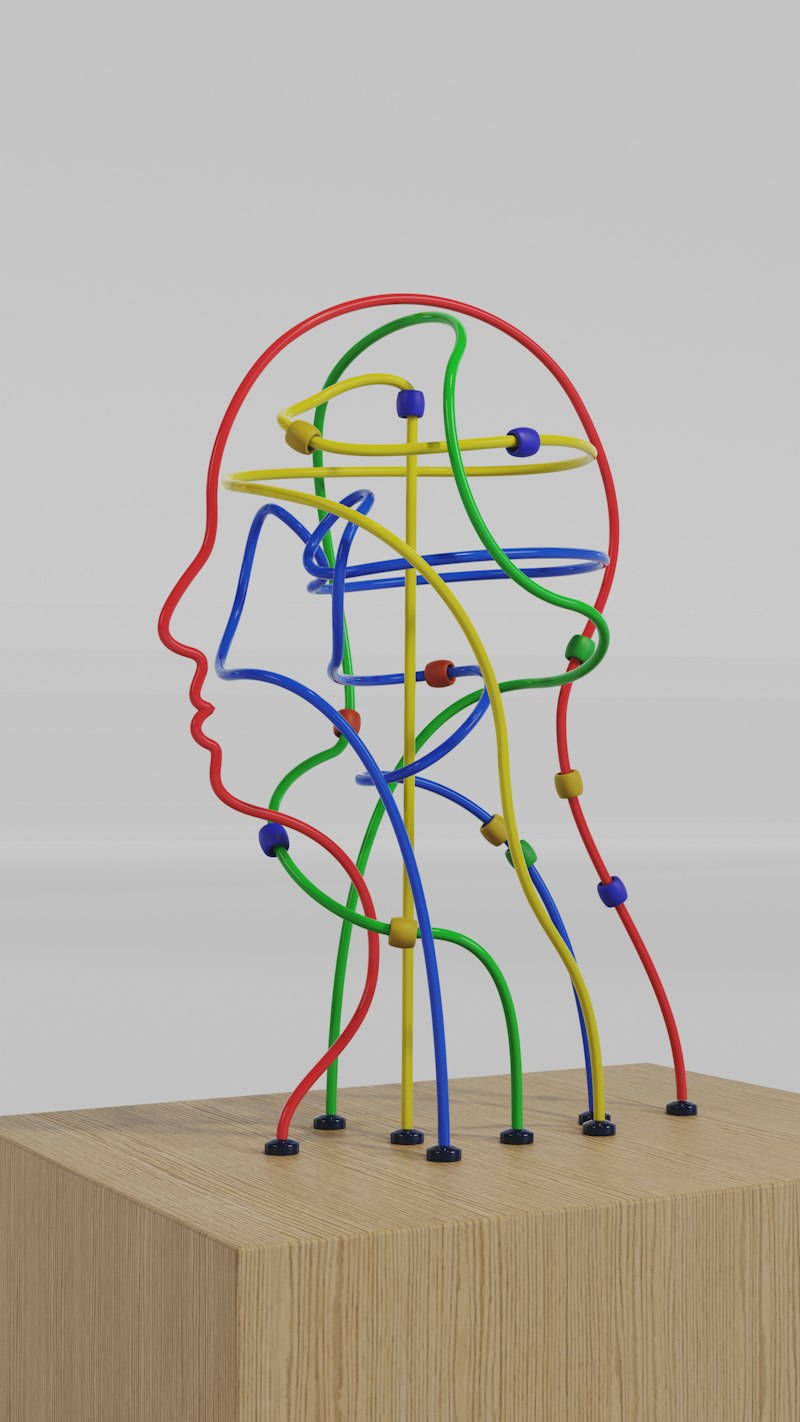
Conceptualizing the TROLAND Framework in Modern User Experience
The TROLAND model represents a sophisticated and multidimensional approach to understanding User Experience (UX), a field that has become increasingly vital in the digital age. As products and services evolve from simple functional tools into complex interactive ecosystems, the need for a rigorous theoretical framework to evaluate user interaction has never been greater. The TROLAND system serves as a comprehensive lens through which designers and researchers can view the multifaceted relationship between a human user and a technological interface. By prioritizing the user’s perspective, the model transcends traditional usability metrics, such as speed and error rates, to encompass a more holistic view of how individuals perceive, interact with, and derive value from their experiences. This paradigm shift is essential because designing without a deep, nuanced understanding of user needs often leads to significant financial losses and brand devaluation due to poor adoption rates and user frustration.
At its core, the TROLAND model is rooted in the philosophy of user-centered design (UCD). This philosophy posits that the design process must be driven by the actual characteristics, limitations, and goals of the end-user rather than the technical capabilities of the software or the aesthetic preferences of the designer. By integrating various psychological and ergonomic principles, the framework provides a structured methodology for analyzing the interaction cycle. It acknowledges that user experience is not a static attribute of a product but a dynamic phenomenon that emerges from the intersection of the user’s internal state, the specific context of use, and the structural properties of the system itself. Consequently, the model acts as both a generative tool for creation and an analytical tool for the assessment of existing digital environments.
The architecture of the TROLAND model is organized around five fundamental pillars that collectively define the quality of an interaction: Task, Resources, Outcomes, Learning, and Design. Each of these components represents a critical variable in the equation of user satisfaction and system efficacy. For instance, a failure in the “Learning” component can render a perfectly designed “Task” flow useless, just as an absence of necessary “Resources” can prevent a user from achieving their desired “Outcomes.” By treating these components as an interconnected system, the model allows practitioners to identify specific friction points in the user journey. This systematic approach ensures that every aspect of the interaction is scrutinized, from the initial cognitive intent of the user to the final emotional and practical results of the engagement.
The Analytical Dimension of Task Identification and Intent
In the TROLAND framework, the Task component serves as the primary driver of the entire user experience. A task is defined as the specific objective or goal that a user intends to achieve when engaging with a product or service. These goals can range from highly pragmatic activities, such as buying a product or making a medical appointment, to more exploratory actions like finding information online or navigating a social media feed. Understanding the task requires a deep dive into user intent, which involves identifying not only what the user is doing but also why they are doing it. From a psychological standpoint, tasks are often hierarchical, consisting of high-level goals that are broken down into smaller, manageable sub-tasks. The clarity with which a system supports these sub-tasks determines the overall fluidity of the user experience.
Effective task analysis within this model involves mapping out the user journey to ensure that the system’s logic aligns with the user’s mental model. When there is a mismatch between the system’s requirements and the user’s expectations of the task, cognitive load increases, leading to errors and dissatisfaction. Therefore, designers must conduct thorough research to categorize tasks based on their frequency, importance, and complexity. For example, a primary task like checking an account balance should be more accessible than a secondary task like updating a profile picture. By prioritizing tasks through the TROLAND lens, developers can create streamlined pathways that minimize unnecessary steps, thereby enhancing the efficiency and effectiveness of the interaction.
Furthermore, the Task component must account for the context in which the activity occurs. A user attempting to find emergency medical information while on a mobile device in a high-stress environment has vastly different needs than a user browsing a digital catalog for leisure on a desktop computer. The TROLAND model encourages designers to consider these contextual variables to ensure that the task remains achievable under various conditions. This involves analyzing potential distractions, time constraints, and the physical environment of the user. By designing for the most challenging contexts, the system becomes more robust and accessible for all users, ultimately leading to a more inclusive and resilient user experience.
Resource Allocation and Environmental Support Systems
The second pillar of the TROLAND model, Resources, refers to the collective set of tools, information, and support structures that a user requires to successfully complete a task. Resources are not limited to the features of the software itself; they encompass everything from on-screen documentation and customer support channels to the physical hardware and the user’s own cognitive capacity. In a well-designed system, resources are positioned as “affordances”—elements that intuitively signal how they should be used to facilitate progress. If a user lacks the necessary resources at a critical juncture, the task flow is interrupted, which often results in the abandonment of the product. Therefore, identifying the exact resource requirements for every step of the user journey is a hallmark of high-quality UX design.
Digital resources play a particularly crucial role in modern interfaces. These include search functions, navigation menus, contextual tooltips, and error messages that provide constructive feedback. The TROLAND model emphasizes that these resources must be both available and findable. Availability refers to the existence of the tool within the system, while findability refers to the ease with which a user can locate and utilize that tool when needed. A common failure in UX is the “hidden resource” problem, where a helpful feature exists but is buried under several layers of menus. By optimizing resource visibility, designers ensure that users feel empowered and supported throughout their interaction, reducing the need for external assistance and increasing self-efficacy.
Beyond digital tools, the Resources component also considers the support systems that exist outside the immediate interface. This might include community forums, live chat assistance, or even the user’s prior knowledge and external documentation. In professional or high-stakes environments, the adequacy of these resources can be the deciding factor in the success of a service. The TROLAND model suggests that a comprehensive UX strategy must integrate these external resources seamlessly into the internal experience. For instance, providing a direct link to a “Help” article within an error dialogue box transforms a moment of failure into a learning opportunity, thereby maintaining the momentum of the user’s task and preserving the integrity of the overall experience.
Evaluating Outcomes: Tangible Results and Intangible Affect
The Outcomes component of the TROLAND model focuses on the end results of the user’s interaction with the system. Unlike traditional metrics that might only look at whether a button was clicked, this model evaluates outcomes across a spectrum of tangible and intangible factors. Tangible outcomes are objective and measurable, such as the successful completion of a transaction, the retrieval of correct information, or the time taken to finish a process. These metrics are vital for assessing the functional utility of the product. However, the model places equal importance on intangible outcomes, which include the user’s emotional state, their sense of satisfaction, and their perception of the brand’s reliability. A task might be completed successfully (tangible), but if the user feels frustrated or misled during the process (intangible), the overall outcome is considered poor.
To fully grasp the impact of Outcomes, designers must utilize both quantitative and qualitative data. Quantitative data provides the “what”—conversion rates, bounce rates, and task success percentages. Qualitative data, gathered through user interviews and sentiment analysis, provides the “why”—how the user felt about the experience and whether it met their psychological expectations. The TROLAND model posits that a truly successful outcome occurs when there is a synergy between functional success and emotional resonance. This leads to user loyalty and positive word-of-mouth, which are critical for the long-term sustainability of any product or service. By analyzing outcomes through this dual lens, organizations can move beyond mere functionality to create experiences that are genuinely delightful and memorable.
Furthermore, the TROLAND model recognizes that outcomes have a temporal dimension. There are immediate outcomes, such as the relief of finding a solution to a problem, and long-term outcomes, such as the building of trust between the user and the provider. If a system consistently delivers positive immediate outcomes but fails to provide long-term value, the user will eventually migrate to a competitor. Conversely, a system that requires a high initial investment of effort but yields significant long-term benefits may still be perceived as having positive outcomes. Designers using the TROLAND framework must therefore balance short-term gratification with long-term utility to ensure that the product remains relevant and valuable throughout the entire user lifecycle.
The Cognitive Process of User Learning and Adaptation
The Learning component of the TROLAND model addresses the user’s cognitive journey as they acquire the knowledge and skills necessary to navigate a product. This component is essential because no user enters an interaction with a blank slate; they bring prior experiences, mental models, and expectations. Learning involves the process of bridging the gap between what the user already knows and what they need to know to operate the system effectively. A high-quality user experience is characterized by a “shallow” learning curve, where the user can achieve basic competency quickly and progress to advanced mastery with minimal friction. The model encourages designers to create interfaces that are discoverable and intuitive, leveraging familiar design patterns to reduce the cognitive effort required for learning.
In the context of TROLAND, learning is not a one-time event but a continuous process of adaptation. As users spend more time with a product, their mental models evolve, allowing them to perform tasks more efficiently and explore more complex features. Effective UX design supports this progression through progressive disclosure—the practice of showing only the information necessary for the current task while keeping more advanced options available but out of the way. This prevents “information overload” for novices while still providing the depth required by power users. By carefully managing the learning process, designers can ensure that the system remains accessible to beginners without becoming restrictive for experts.
Moreover, the Learning component emphasizes the importance of feedback loops and error recovery. When a user makes a mistake, the system should not merely report an error but should provide educational feedback that helps the user understand what went wrong and how to fix it. This transforms a moment of failure into a learning interaction, strengthening the user’s mental model of the system. The TROLAND model suggests that the best systems are those that “teach” the user through interaction rather than through external manuals. By embedding instructional elements directly into the design, such as interactive walkthroughs or helpful microcopy, developers can enhance the user’s sense of mastery and confidence, leading to a more positive and empowering experience.
Integrated Design Methodologies within the TROLAND System
The final component, Design, is the synthesis of all other elements into a tangible product or service. Within the TROLAND framework, design is viewed as a purposeful and iterative process aimed at harmonizing the Task, Resources, Outcomes, and Learning components. It is not merely about aesthetics or visual appeal, although those are important for emotional engagement; rather, it is about the structural and functional arrangement of elements to meet user needs. A successful design serves as the interface through which the user’s goals are translated into actions and results. This involves careful consideration of information architecture, visual hierarchy, and interaction design to ensure that the user’s path is clear and unobstructed.
A central tenet of the Design component is the use of prototyping and testing. Because user needs are complex and often subconscious, the first iteration of a design is rarely perfect. The TROLAND model advocates for a cycle of creating low-fidelity sketches, developing high-fidelity prototypes, and conducting rigorous user testing to validate design decisions. This iterative approach allows designers to identify and rectify usability issues early in the development process, saving time and resources. By involving real users in the design phase, teams can ensure that the final product is not just technically sound but also resonates with the target audience on a practical and emotional level.
Additionally, the Design component must address accessibility and inclusivity. A design that works for a majority of users but excludes those with disabilities is a failure within the TROLAND philosophy. Inclusive design involves creating interfaces that can be navigated by individuals with various physical, sensory, and cognitive abilities. This includes providing text alternatives for visual content, ensuring high color contrast for readability, and supporting keyboard-only navigation. By designing for the extremes of human ability, designers often create a better experience for everyone. In the TROLAND model, true design excellence is achieved when the product is usable, useful, and desirable for the broadest possible range of people.
Practical Applications in Product Development and Evaluation
The TROLAND model is highly versatile, offering significant utility for both the creation of new products and the evaluation of existing systems. For development teams, the model serves as a strategic roadmap, ensuring that no critical aspect of the user experience is overlooked during the planning and execution phases. By checking each design decision against the five pillars, teams can maintain a consistent focus on the user. For instance, when adding a new feature, a team can ask: “What Task does this support? What Resources does the user need to use it? What is the expected Outcome? How will the user Learn to use it? And how does the Design integrate it into the current UI?” This structured questioning prevents “feature creep” and ensures that the product remains cohesive and user-centric.
When used as an evaluative tool, the TROLAND model allows for a systematic audit of an existing product’s strengths and weaknesses. UX auditors can use the five components as a heuristic checklist to identify where the experience is breaking down. Common evaluation techniques include:
- Expert Reviews: Specialists analyze the interface based on the TROLAND pillars to find violations of best practices.
- User Testing: Observing real users as they attempt tasks allows researchers to see where resources are lacking or where learning is stalled.
- Analytics Audits: Reviewing data on outcomes, such as drop-off points, to pinpoint functional failures.
- Surveys and Interviews: Gathering qualitative feedback on the intangible outcomes and emotional satisfaction of the users.
This comprehensive evaluation leads to actionable insights that can drive targeted improvements. Instead of making arbitrary changes to the interface, stakeholders can make data-driven decisions to address specific issues, such as clarifying a task flow or adding necessary support resources. This targeted approach is more efficient and more likely to result in a measurable improvement in user satisfaction. By continuously applying the TROLAND model throughout the product lifecycle, organizations can foster a culture of continuous improvement, ensuring that their offerings evolve in lockstep with changing user expectations and technological advancements.
Summary of the TROLAND Model and Reference Materials
The TROLAND model provides a robust and holistic framework for navigating the complexities of User Experience. By breaking down the interaction into the core components of Task, Resources, Outcomes, Learning, and Design, it offers a clear and actionable path for creating products that are not only functional but also deeply satisfying for the user. In an era where the digital interface is often the primary point of contact between a brand and its customers, mastering these five dimensions is essential for any organization seeking to thrive. The model’s emphasis on the user’s perspective ensures that technology serves human needs, rather than requiring humans to adapt to the limitations of technology. Ultimately, TROLAND is more than a design tool; it is a commitment to empathy, clarity, and excellence in the digital realm.
The following references provide the foundational research and theoretical context upon which the principles of the TROLAND model and general user experience research are built:
- Hassenzahl, M., & Tractinsky, N. (2006). User experience – a research agenda. Behavior and Information Technology, 25(2), 91-97. This seminal work discusses the shift from traditional usability to the more expansive concept of user experience, highlighting the importance of affect and hedonic quality.
- Oulasvirta, A., Tamminen, S., & Kuorelahti, J. (2001). Investigating user experience of interactive products. International Journal of Human-Computer Studies, 54(2), 207-218. This study explores the methods for capturing and analyzing the lived experience of users in real-world contexts.
- Rettig, M. (2002). A user-centered design approach to creating successful interactive products. IEEE Software, 19(2), 71-77. Rettig provides practical insights into the UCD process, emphasizing the need for iterative testing and user involvement.
- Sutcliffe, A. G., & Vogel, D. (2003). User experience design: A unified approach. Communications of the ACM, 46(12), 48-54. This article proposes an integrated framework for UX design that combines psychological principles with software engineering practices.