Cellular Pathology: The Mind’s Hidden Role in Growth
Scientifically Reviewed · Dr. Marwa Abd-Alazim · September 17, 2026
Review Criteria & Clinical Standards
This content undergoes rigorous scientific peer-review and medical editorial standards at Arab Psychology Network to ensure clinical accuracy, validity, and compliance with evidence-based guidelines from leading psychological and healthcare authorities (APA / WHO).
Definition and Classification of Tumors
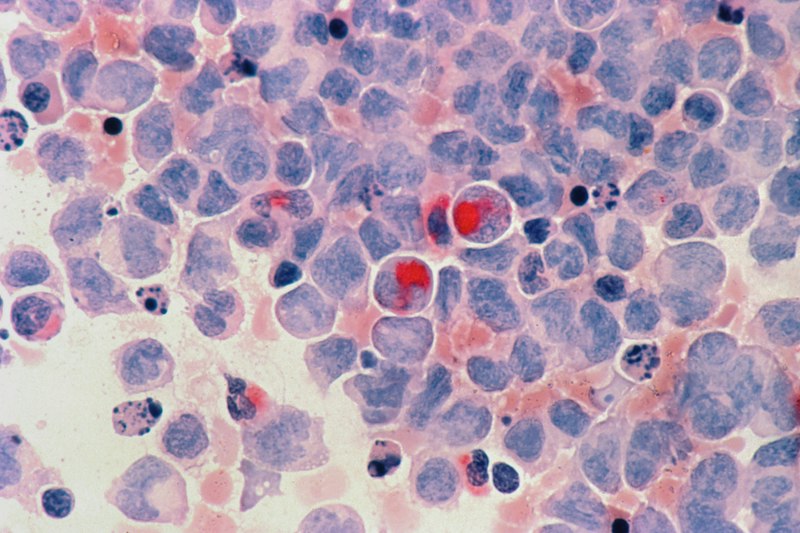
A tumor, medically defined as a neoplasm, represents an abnormal growth of cells that arises from the unrestrained proliferation of tissue cells, exceeding the normal rate of cellular multiplication and persisting after the cessation of the stimuli that evoked the change. These cellular masses can arise in virtually any organ or tissue throughout the body, presenting a wide spectrum of biological behaviors and clinical outcomes. Understanding the fundamental nature of these growths requires distinguishing between three primary classifications based on their potential to invade surrounding tissue and metastasize: benign, premalignant, and malignant tumors. The differentiation between these categories is critical for determining prognosis and guiding therapeutic strategy, forming the foundational basis of modern oncology and pathology.
Benign tumors are characterized by localized growth and the absence of features associated with malignancy. Although they are abnormal growths, they are not cancerous. They typically grow slowly, possess well-defined, often encapsulated margins, and do not invade adjacent tissues or spread to distant sites, meaning they lack the capacity for metastasis. While benign tumors are generally manageable through localized surgical removal without any long-term effects, large masses can still cause significant health issues by exerting pressure on vital structures, obstructing passages, or causing functional disturbances, especially in confined spaces like the cranial cavity. However, they rarely cause death unless their location prevents surgical intervention or they lead to critical systemic failure.
Conversely, malignant tumors are synonymous with cancer. They exhibit aggressive biological behavior, including rapid and uncontrolled growth, poor cellular differentiation (anaplasia), local tissue invasion, and, most dangerously, the capacity for metastasis. Metastasis, the hallmark of malignancy, involves the movement of cancerous cells from the primary site through the circulatory or lymphatic systems to establish secondary tumors in distant organs, making these growths far more life-threatening and complex to treat. The term “tumor” is often used interchangeably with “cancer” when referring to a malignant neoplasm due to the severity and systemic nature of this classification, necessitating comprehensive treatment strategies that address both localized and disseminated disease.
A third, critical classification is the premalignant tumor or lesion. These represent abnormal growths or cellular changes that are not yet invasive cancer but carry a significant, elevated risk of progressing to full-blown malignancy over time if left untreated. Examples include severe dysplasia, certain types of adenomatous polyps in the gastrointestinal tract, or carcinoma in situ (CIS), where malignant cells are present but have not yet breached the basement membrane of the tissue. Identifying and aggressively treating premalignant conditions is a cornerstone of preventative oncology, as successful intervention at this stage can often prevent the irreversible development of invasive, life-threatening cancer.
Biological Mechanisms and Etiology of Tumor Formation
Tumorigenesis, the process of tumor formation, is a highly complex, multi-step evolutionary process rooted in accumulated genetic and epigenetic alterations that fundamentally disrupt the cellular machinery governing growth, division, and death. This process requires the acquisition of multiple somatic mutations in key regulatory genes, typically occurring over many years under cumulative cellular stress. Central to this mechanism are two major gene classes: proto-oncogenes, which normally promote cell growth but, when mutated (becoming oncogenes), drive excessive and unregulated proliferation; and tumor suppressor genes, which normally act as cellular brakes but, when inactivated or lost, relinquish control over abnormal cell cycles and DNA damage repair.
The progression from a normal cell to a malignant tumor is often characterized by the acquisition of specific functional capabilities, frequently summarized as the “Hallmarks of Cancer.” These capabilities include sustaining chronic proliferative signaling, evading growth suppressors, resisting programmed cell death (apoptosis), achieving replicative immortality by maintaining telomere length, inducing angiogenesis (the formation of new blood vessels crucial for tumor survival and expansion), and activating invasion and metastasis. These mechanisms allow the tumor cell to thrive in an environment designed to restrict growth and eliminate damaged cells, fundamentally changing its biological identity and behavior.
Etiologically, the initiation of tumor growth is frequently linked to a combination of inherited genetic predisposition and exposure to environmental risk factors. Environmental factors, such as prolonged exposure to chemical carcinogens (e.g., in tobacco smoke), ionizing radiation, specific infectious agents (like Human Papillomavirus or Hepatitis B/C), and chronic inflammatory conditions, induce the critical genetic damage necessary for transformation. Current research is heavily focused on elucidating the intricate molecular pathways involved in tumor development, particularly the dynamic role of the tumor microenvironment. This surrounding cellular ecosystem, comprising immune cells, fibroblasts, and extracellular matrix, actively supports tumor survival, progression, and metastatic dissemination, highlighting it as a crucial target for future therapeutic development.
Categorization and Specific Histological Types of Tumors
Tumors are categorized based on their cellular origin, which provides invaluable prognostic information and dictates the appropriate clinical management pathway. The broadest divisions separate tumors arising from epithelial tissues (carcinomas), from connective or supportive tissues (sarcomas), and from hematopoietic or neurological tissues. Accurate pathological categorization is achieved through microscopic examination of biopsy samples, determining the precise lineage of the aberrant cells.
Tumors originating from mesenchymal tissues—the connective tissues of the body—show remarkable diversity, often resulting in sarcomas when malignant. The original content highlighted several specific types of mesenchymal origin, demonstrating the tissue specificity of these growths:
- Fibromas: These are benign masses that arise from fibrous connective tissue, often slow-growing and painless.
- Lipomas: Representing one of the most common benign tumors, these grow from mature fat cells, typically presenting as soft, mobile, encapsulated nodules.
- Leiomyomas: These are benign tumors derived from smooth muscle cells, most frequently observed in the wall of the uterus, where they are commonly known as uterine fibroids.
- Chondrosarcomas: These are highly aggressive malignant tumors that originate from cartilage-producing cells, primarily affecting the bone and often requiring wide surgical resection.
- Osteosarcomas: These are malignant tumors that arise from bone cells, representing the most common primary malignant bone tumor in children and adolescents.
Epithelial tumors, which are derived from the protective lining layers of organs, include Adenomas, which are benign tumors that grow from glandular tissue, such as those found in the thyroid, colon, or pituitary gland. Their malignant counterparts, adenocarcinomas, are among the most common cancers worldwide (e.g., breast, prostate, colon cancer). Furthermore, tumors arising from neurological tissues, such as Neurofibromas—which are benign growths from nerve sheath cells—underscore the fact that virtually every cell type in the body carries the potential for neoplastic transformation, emphasizing the need for highly specific diagnostic markers tailored to each cellular lineage.
Clinical Presentation: Signs and Symptoms
The clinical presentation of tumors is notoriously heterogeneous, varying profoundly based on the tumor’s size, growth rate, biological classification, and, most importantly, its anatomical site. While some tumors remain entirely asymptomatic for long periods, others cause acute symptoms early on due to their critical location. Recognizing the pattern of symptoms—both generalized and localized—is crucial for prompting timely investigation, although the nonspecific nature of many symptoms means they often require differential diagnosis against numerous non-neoplastic conditions.
Systemic or constitutional symptoms often signal a tumor’s advanced stage or its secretion of bioactive substances. These generalized complaints include persistent and unexplained fatigue, significant, unintentional weight loss (often exceeding 10% of body weight over six months), and recurrent or unexplained fever. These signs are thought to be related to the metabolic demands of the tumor, the chronic inflammatory response it induces, or the release of cytokines. Such vague but persistent symptoms warrant careful medical scrutiny to rule out underlying malignancy, especially when coupled with localized findings.
Localized symptoms are frequently the first indicators of a problem. A palpable lump or mass in the affected area, particularly if it is firm, irregular, and fixed to underlying tissue, is a classic warning sign. Other local signs include localized swelling or a feeling of fullness, especially with masses in the abdomen or pelvis. Pain or tenderness in the affected area occurs when the tumor invades or compresses sensitive structures, such as nerves, bone, or the visceral capsule of an organ. Furthermore, functional symptoms, such as persistent changes in bowel or bladder habits, chronic cough, difficulty swallowing, or abnormal bleeding from any orifice, are highly suspicious and demand immediate diagnostic workup.
Diagnostic Modalities and Confirmation
The accurate diagnosis of a tumor requires a rigorous, multi-staged approach that progresses from clinical suspicion to definitive pathological confirmation. Initial assessment involves a comprehensive medical history and physical examination to identify risk factors and localized abnormalities. Following this, advanced imaging technologies are deployed to visualize the mass, assess its internal characteristics (solid vs. cystic), measure its extent, and detect potential spread.
Imaging tests are foundational to the diagnostic process. X-rays are often the starting point, particularly for lung or bone lesions. Computed Tomography (CT) scans provide detailed cross-sectional images, essential for staging and measuring tumor response to treatment, often utilizing iodinated contrast material to enhance visualization of the tumor vasculature. Magnetic Resonance Imaging (MRI) offers superior resolution for soft tissues, making it the preferred method for evaluating tumors of the central nervous system, liver, and musculoskeletal system. Furthermore, advanced functional imaging like Positron Emission Tomography (PET) scans, which measure glucose metabolism, are critical for identifying occult metastatic disease and determining the biological activity of the primary lesion.
While imaging can strongly suggest the presence of a tumor, the only way to achieve a definitive diagnosis and classification is through biopsy. This procedure involves obtaining a tissue sample, typically via fine-needle aspiration, core needle biopsy, or excisional surgery, which is then analyzed by a pathologist. The pathological assessment confirms whether the growth is neoplastic, determines the precise histological type (e.g., identifying it as an Adenoma or an Osteosarcoma), grades its aggressiveness, and determines the expression of specific biomarkers (like receptor status). This confirmation step is indispensable, as the pathological report dictates the entire subsequent therapeutic strategy, ensuring treatment aligns precisely with the tumor’s biological identity.
Therapeutic Interventions and Management Strategies
The treatment plan for a tumor is highly personalized, dependent upon its type (benign or malignant), the stage of the disease, the tumor’s location, and the patient’s overall performance status. For benign tumors, the management is generally straightforward: the primary goal is often curative surgery. Since benign growths are encapsulated and non-invasive, complete surgical excision is usually sufficient to resolve symptoms and prevent recurrence, as long as the location permits safe removal. In cases where the tumor is small, asymptomatic, and poses a high surgical risk (such as certain small Lipomas or certain brain meningiomas), active surveillance may be chosen as an alternative management strategy.
The treatment of malignant tumors is significantly more aggressive and typically involves a combination of modalities aimed at achieving cure or long-term disease control. Surgery remains paramount for local control, involving the removal of the primary mass and, often, regional lymph nodes. Adjuvant therapies are then employed to eliminate microscopic residual disease or treat distant metastasis. Chemotherapy uses powerful systemic drugs to kill rapidly dividing cells, while localized radiation therapy utilizes high-energy beams to destroy tumor cells or shrink the tumor prior to surgery. The combination of these therapies is often necessary to achieve optimal outcomes, particularly in high-grade lesions like Chondrosarcomas.
In the last decade, therapeutic strategies have been revolutionized by the introduction of targeted therapies and immunotherapy. Targeted drugs specifically inhibit molecular pathways essential for tumor growth and survival, offering a more precise approach with potentially fewer systemic side effects than traditional chemotherapy. Immunotherapies, such as immune checkpoint inhibitors, fundamentally alter the patient’s immune system, enabling T-cells to recognize and attack the cancer cells. The integration of these advanced biological therapies into personalized treatment protocols represents the current standard of care for many advanced malignancies, offering renewed hope for durable remission in diseases previously considered incurable.
Current Research and Future Directions in Oncology
Current research on tumors is highly focused on achieving breakthroughs across the entire spectrum of oncology, from primary prevention to curative treatment of advanced disease. A major investigative frontier involves detailed analysis of the molecular drivers of cancer, seeking to identify early genetic and epigenetic changes that precede tumor formation. Research is being conducted to improve the understanding of the cause and prevention of tumor formation, including large-scale studies on the impact of diet, genetics, and environmental exposures on cell transformation, aiming to develop effective public health screening and prevention programs.
Significant efforts are directed toward improving the diagnosis and treatment of tumors through the lens of precision medicine. Genomic sequencing of patient tumors is now commonplace, allowing for the identification of actionable mutations (e.g., in oncogenes or tumor suppressor genes) that can be targeted by specific drugs. Furthermore, the development of non-invasive diagnostic tools, such as liquid biopsies—which detect circulating tumor DNA (ctDNA) or circulating tumor cells (CTCs) in the blood—promises the ability to screen for recurrence and monitor treatment response in real-time, greatly enhancing clinical surveillance.
The future of tumor management is heavily invested in further exploiting the potential of the immune system. Ongoing research is exploring the efficacy of novel immunotherapy combinations, personalized cancer vaccines designed to prime the patient’s immune system against specific tumor antigens, and advanced cell-based therapies like chimeric antigen receptor (CAR) T-cell therapy. These innovative approaches aim to develop highly specific, durable, and less toxic treatments that can effectively manage even the most aggressive malignant tumors, ultimately moving toward the goal of converting many cancers into manageable chronic conditions or achieving outright cure.