The Uncinate Fasciculus: Wiring Your Emotional Brain
Scientifically Reviewed · Dr. Marwa Abd-Alazim · October 10, 2026
Review Criteria & Clinical Standards
This content undergoes rigorous scientific peer-review and medical editorial standards at Arab Psychology Network to ensure clinical accuracy, validity, and compliance with evidence-based guidelines from leading psychological and healthcare authorities (APA / WHO).
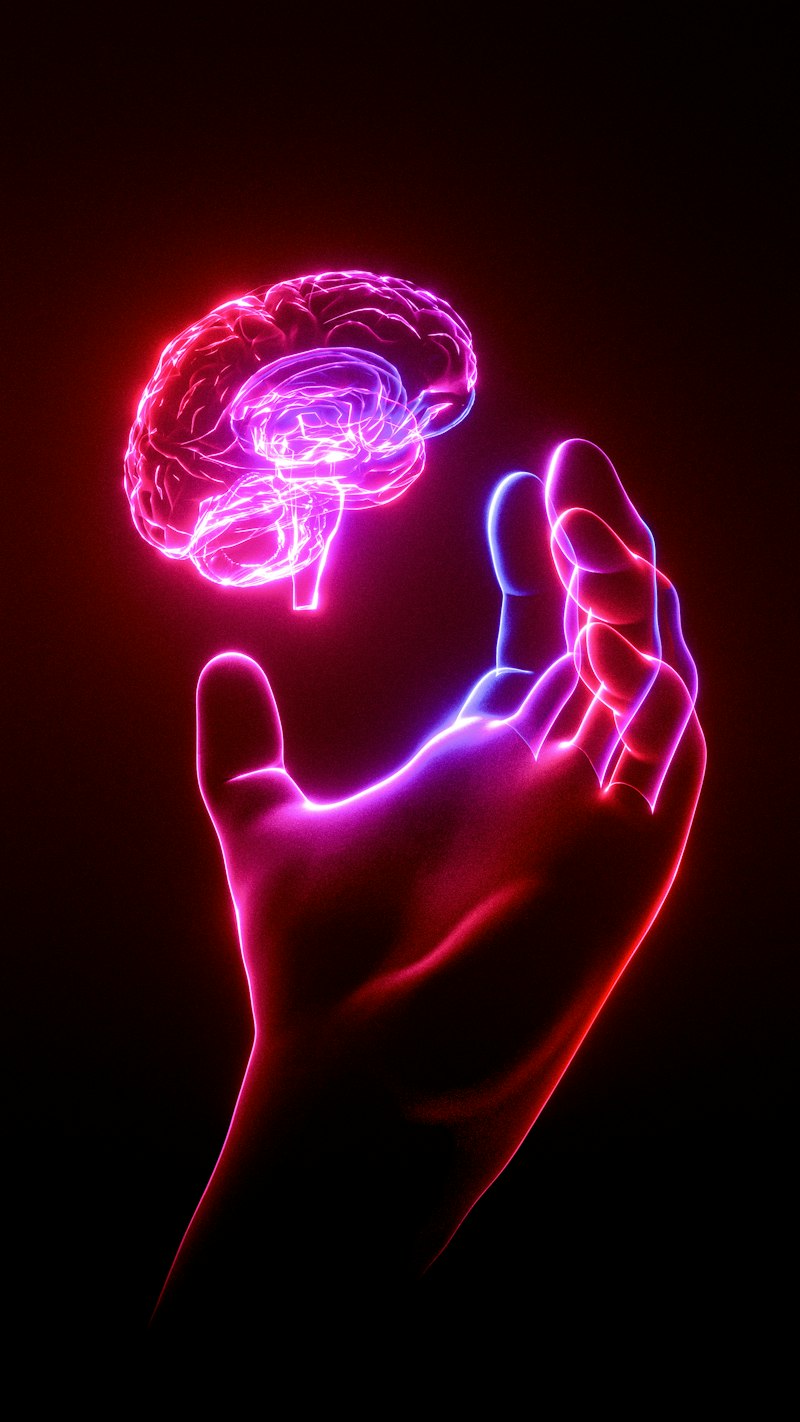
The uncinate fasciculus (UF) is a white matter tract in the brain that connects the prefrontal cortex to the temporal lobe. It plays a key role in connecting various regions of the brain and has been linked to various cognitive and emotional functions. In this article, we review the anatomy, functional connectivity, and clinical relevance of the UF.
Anatomy
The UF is a white matter tract in the brain, located in the inferior frontal lobe. It extends from the frontal lobe to the temporal lobe, connecting the prefrontal cortex to the amygdala and hippocampus. It is composed of two main fibers, the anterior limb and the posterior limb, which wrap around the lateral ventricle. It is also connected to other subcortical regions including the thalamus, the caudate nucleus, and the putamen.
Functional Connectivity
The UF has been shown to play an important role in connecting various regions of the brain. It is involved in the processing of emotional and social information, and has been linked to the regulation of emotions. It is also involved in the processing of language and memory. The anterior limb of the UF has been linked to the processing of language, whereas the posterior limb has been linked to the processing of memory.
Clinical Relevance
The UF has been linked to several neurological and psychiatric disorders. In particular, it has been linked to language impairments, such as in autism spectrum disorders and aphasia, as well as memory impairments, such as in Alzheimer’s disease and other types of dementia. It has also been linked to depression and anxiety disorders.
Conclusion
The uncinate fasciculus is a white matter tract in the brain that connects the prefrontal cortex to the temporal lobe. It is involved in the processing of emotional and social information, language, and memory. It has been linked to various neurological and psychiatric disorders, including language impairments, memory impairments, depression, and anxiety disorders.
References
Becker, J. T., & Hugdahl, K. (2011). The uncinate fasciculus: Connecting emotion and cognition. Brain and Cognition, 75(3), 174–184. https://doi.org/10.1016/j.bandc.2011.01.001
Catani, M., & Thiebaut de Schotten, M. (2008). A diffusion tensor imaging tractography atlas for virtual in vivo dissections. Cortex, 44(8), 1105–1132. https://doi.org/10.1016/j.cortex.2008.05.004
Makris, N., Gasic, G. P., Kennedy, D. N., Hodge, S. M., Frazier, J. A., Lee, S., … Lim, K. O. (2007). Segmentation of subcomponents within the superior longitudinal fascicle in humans: A quantitative, in vivo, DT-MRI study. Cerebral Cortex, 17(7), 1613–1628. https://doi.org/10.1093/cercor/bhl098