Walk-Talk Therapy: Move Your Body to Heal Your Mind
Scientifically Reviewed · Dr. Marwa Abd-Alazim · September 19, 2026
Review Criteria & Clinical Standards
This content undergoes rigorous scientific peer-review and medical editorial standards at Arab Psychology Network to ensure clinical accuracy, validity, and compliance with evidence-based guidelines from leading psychological and healthcare authorities (APA / WHO).
WALK-TALK COUNSELING SESSION: A NOVEL APPROACH TO MENTAL HEALTH CARE
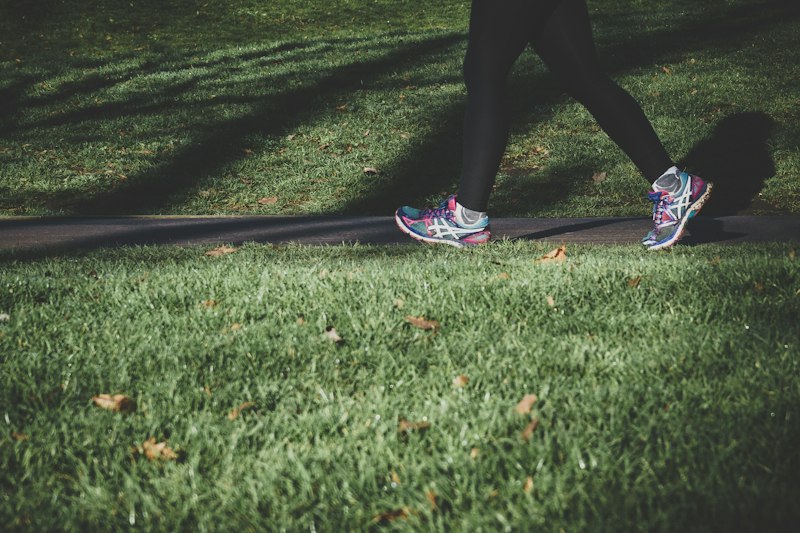
The pursuit of holistic mental health care has led to the development of innovative therapeutic modalities that move beyond the traditional seated office setting. Among these advancements, the Walk-Talk Counseling Session has emerged as a particularly compelling approach. This method fundamentally integrates the established efficacy of traditional psychotherapy—specifically talk therapy—with the profound physiological and psychological benefits derived from physical movement, primarily walking. By engaging the body in rhythmic activity while simultaneously processing complex emotional and mental states, this modality offers clients a dynamic and often less intimidating environment for self-exploration and healing. It represents a significant shift toward recognizing the intrinsic connection between somatic experience and psychological well-being, fostering a comprehensive approach to health.
Walk-Talk therapy is predicated on the understanding that physical activity can significantly alter neurochemistry and cognitive processing. Unlike stationary sessions where the client may feel the intense pressure of direct, sustained eye contact, walking side-by-side often reduces perceived confrontation and allows for a more natural, fluid conversational flow. This subtle shift in physical orientation frequently translates into greater emotional openness, enabling clients to verbalize difficult experiences with enhanced comfort and reduced inhibition. Furthermore, the external environment—the sights, sounds, and smells encountered along the route—can serve as powerful grounding mechanisms or metaphorical backdrops for the client’s internal narrative, enriching the therapeutic dialogue in ways that an enclosed room cannot replicate.
This approach is particularly valued for its ability to address the pervasive issue of sedentary lifestyles often associated with modern psychological distress. By combining therapeutic intervention with moderate physical activity, clients benefit simultaneously from two well-documented pathways to mental health improvement. The therapist acts as a supportive presence, guiding the discussion while monitoring the client’s physical comfort and emotional responses to the movement and the environment. This synergistic combination provides a positive, active experience for individuals seeking help, promoting not only mental clarity and emotional regulation but also encouraging sustainable lifestyle changes that support long-term well-being beyond the therapy session itself.
HISTORICAL DEVELOPMENT AND THEORETICAL FOUNDATIONS
While the act of talking while walking is certainly not new, the formalization of the Walk-Talk Counseling Session as a structured therapeutic modality gained significant traction in the early 2000s, primarily originating in the Netherlands. This development was driven by practitioners seeking alternatives to traditional, static psychotherapy models, aiming to incorporate the body more actively into the healing process. Early pioneers recognized that for many clients, the intensity and structure of the conventional office setting could be counterproductive, particularly for those struggling with anxiety, trauma, or resistance to traditional treatment. The move outdoors provided immediate access to natural environments, which are scientifically linked to reductions in stress hormones and improvements in mood.
The theoretical foundation of Walk-Talk therapy draws heavily from psychodynamic principles, cognitive-behavioral techniques, and increasingly, somatic psychology. A central tenet is the concept of embodiment—the idea that mental health is inseparable from physical sensation and movement. By walking, the client engages in bilateral, rhythmic movement, which some theories suggest can mimic the effect of EMDR (Eye Movement Desensitization and Reprocessing) by facilitating the integration and processing of traumatic or overwhelming memories. Moreover, the forward motion inherent in walking often serves as a powerful metaphor for personal growth, progress, and moving past challenges, reinforcing the therapeutic goal of overcoming stagnation.
The effectiveness of this model is supported by established research linking physical exercise to improved psychological outcomes. Studies have consistently demonstrated that even moderate physical activity, such as walking, leads to the release of endorphins and other neurochemicals that elevate mood and reduce the physiological symptoms associated with stress and anxiety, such as elevated heart rate and muscle tension. Therefore, the therapeutic conversation takes place against a backdrop of natural physiological regulation, allowing the client’s cognitive resources to be directed toward processing emotional content rather than managing acute physiological distress. This interplay between mind and body forms the robust theoretical backbone of the Walk-Talk approach.
THE MECHANICS OF A WALK-TALK SESSION
The logistical planning and execution of a Walk-Talk Session are crucial to maintaining a professional, ethical, and safe therapeutic environment. The session typically begins with an initial consultation, often held in a traditional office setting, to establish rapport, complete necessary paperwork, and discuss the client’s specific mental health goals and any physical limitations. Once the Walk-Talk modality is chosen, the therapist and client collaborate on selecting a route. This route must prioritize safety and accessibility, ensuring the terrain is manageable for the client’s fitness level and that the location offers a reasonable degree of privacy to maintain confidentiality. Routes often favor quiet parks, nature trails, or designated walking paths away from highly populated areas.
Pacing is another critical mechanical component. The therapist must be highly attuned to the client’s physical rhythm, allowing the client to set the speed of the walk. The pace should be comfortable and sustainable, facilitating conversation without causing excessive exertion. If a client is discussing highly emotional or challenging material, the therapist may suggest slowing down or briefly stopping at a comfortable spot, such as a bench or a quiet overlook, to allow for deeper processing or emotional stabilization. The therapist’s role shifts slightly from a purely verbal guide to an active companion who manages the spatial dynamics and environmental factors of the session.
Furthermore, the therapist utilizes the external environment as an active element of the therapeutic process. They encourage the client to engage with their surroundings, focusing on the sensory input—the feel of the sun, the sound of the wind, the texture of the path. This focus on the external physical environment serves as a powerful grounding technique, effectively pulling clients out of ruminative thought patterns or intense emotional spirals. The integration of movement and observation allows the client to explore their internal mental and emotional states while remaining anchored in the present moment, a key component in mindfulness-based therapeutic interventions.
THERAPEUTIC MECHANISMS AND BENEFITS
The dual action inherent in Walk-Talk Counseling—combining psychological processing with physical movement—activates several potent therapeutic mechanisms. Physiologically, rhythmic walking stimulates circulation and oxygen flow to the brain, which has been shown to enhance executive function, improve memory consolidation, and reduce the concentration of stress hormones like cortisol. The sustained, moderate physical activity naturally increases levels of neurotransmitters such as serotonin and dopamine, leading to an immediate, albeit subtle, lift in mood and reduction in generalized anxiety. This bio-physiological regulation creates an optimal state for cognitive restructuring and deep emotional work, making the client more receptive to therapeutic insights.
Psychologically, one of the most significant benefits is the reduction of intensity associated with the therapeutic setting. In a traditional office, the client often feels under intense scrutiny, which can trigger fight-or-flight responses, hindering vulnerability. By walking side-by-side, the need for sustained, direct eye contact is eliminated, allowing clients to articulate difficult emotions or past traumas with less psychological defense. This lateral movement and shared focus on a forward path often fosters a sense of equality and collaboration between the therapist and client, strengthening the therapeutic alliance. The external focus also provides natural pauses in the conversation, allowing the client space to organize their thoughts without the pressure of immediate response.
The movement itself can be utilized as a tool for emotional release and self-awareness. When a client experiences intense feelings, the therapist may encourage them to notice how those feelings manifest physically—is their pace quickening? Are they slouching? Are their shoulders tense? This connection between somatic experience and emotional state is vital for fostering self-awareness. Additionally, the continuous forward momentum can serve as a powerful behavioral activation strategy, particularly beneficial for clients struggling with depression, who often experience inertia and withdrawal. The simple act of moving forward, step by step, can translate into a psychological sense of progress and agency.
APPLICATIONS AND EFFICACY
The Walk-Talk Counseling Session has proven to be a versatile and effective approach for treating a diverse range of mental health conditions. Its unique structure makes it particularly suitable for disorders characterized by high levels of physiological activation or avoidance behaviors. Clinical evidence and practitioner reports suggest strong efficacy in the treatment of Anxiety Disorders, including generalized anxiety and panic attacks, where the grounding effects of the environment and the stress-reducing effects of exercise help mitigate acute symptoms. The physical activity provides a healthy outlet for pent-up energy often associated with worry and restlessness.
Furthermore, this modality is highly effective in managing symptoms related to Depression. For individuals experiencing low motivation, anhedonia, and fatigue, the structured commitment to walk provides necessary behavioral activation. Unlike prescribing exercise as homework, integrating it directly into the session ensures compliance and provides immediate therapeutic support for the emotional material uncovered during the activity. Research, including meta-analyses cited in the original framework, suggests that physical activity is a significant component in reducing depressive symptom severity, and Walk-Talk therapy maximizes the consistent application of this benefit within a supportive clinical context.
Walk-Talk therapy is also increasingly utilized in trauma-informed care, particularly for individuals dealing with Post-Traumatic Stress Disorder (PTSD). The rhythmic movement can act as a natural form of bilateral stimulation, aiding the brain in processing traumatic memories without overwhelming the client. By processing difficult content while moving, the client remains connected to a sense of physical agency and safety, helping to counteract the feeling of helplessness often central to trauma. The external environment serves as a constant reality check, keeping the client grounded and reducing the likelihood of dissociation, making this a valuable tool for gradual exposure and emotional integration.
CLIENT EXPERIENCE AND PERSPECTIVE
Client feedback regarding the Walk-Talk approach is overwhelmingly positive, highlighting a distinct preference for the modality over traditional office sessions for specific types of therapeutic work. Many clients report that the environment feels less clinical and intimidating, which significantly lowers the initial barrier to entry for therapy. The shared physical activity often creates a more egalitarian dynamic, viewing the relationship less as a hierarchical doctor-patient model and more as two individuals collaborating on a journey. This sense of shared experience enhances trust and comfort, particularly for clients who feel apprehensive or nervous about intense, direct therapeutic confrontation.
For clients who struggle with expressing themselves verbally, the combination of movement and environmental stimulation can unlock new avenues for communication. The sights and sounds encountered during the walk frequently trigger unexpected memories, insights, or metaphors, enriching the discussion beyond what might be generated in a quiet room. A client might observe a struggling tree, a winding path, or a fast-moving stream, and use that observation to articulate their internal state or relationship challenges. This use of the external world as a projective tool enhances the client’s ability to articulate complex, deeply held emotions that might otherwise remain dormant.
Moreover, the experience offers a tangible sense of accomplishment. Not only does the client feel validated and heard emotionally, but they also feel physically energized. Clients often leave the session feeling simultaneously lighter mentally and more robust physically. This positive reinforcement encourages consistency in attendance and engagement, viewing the session not just as a necessary emotional burden but as a meaningful, invigorating appointment that benefits their entire self. The integration of mental health care with wellness practices is a key reason for the strong reception of this approach among clients seeking holistic improvement.
CONSIDERATIONS FOR PRACTITIONERS
While highly beneficial, the implementation of Walk-Talk Counseling requires specialized consideration and training for practitioners, particularly concerning ethics, safety, and confidentiality. The most immediate challenge is ensuring client confidentiality in a public space. Therapists must carefully select routes where the likelihood of encountering acquaintances or overhearing sensitive discussion is minimal. Establishing clear boundaries at the outset is essential, including how the therapist and client will handle accidental encounters, such as simply offering a brief acknowledgment without disclosing the professional relationship.
Furthermore, the therapist must engage in rigorous risk assessment and safety planning. This includes evaluating the terrain for potential hazards, monitoring weather conditions, and confirming the client’s physical ability to complete the chosen route. Therapists must also be prepared to manage emergency situations, carrying necessary communication devices and having backup plans should the client experience physical distress or an acute emotional crisis while away from the safety of the office. This necessity for environmental management adds a layer of complexity not present in static therapy.
Practitioners also benefit from the physical engagement inherent in the modality, mitigating the physical strain often associated with hours of seated therapy. However, they must maintain a focus on the client’s process while managing their own physical presence. This requires skill in maintaining a comfortable, non-imposing walking rhythm, using peripheral vision rather than direct staring, and strategically utilizing environmental cues to deepen the therapeutic dialogue. Effective Walk-Talk therapists are skilled in integrating the somatic experience—both their own and the client’s—into the verbal processing.
COMPARISON WITH TRADITIONAL PSYCHOTHERAPY
The core differences between the Walk-Talk Counseling Session and traditional, office-based psychotherapy lie primarily in the environment and the role of physical movement. Traditional therapy often provides a highly controlled, neutral setting, which is crucial when deep regression, intense trauma processing requiring containment, or the use of specific physical resources (like whiteboards or art supplies) is necessary. The contained office environment offers unparalleled privacy and a clear boundary between the therapy space and the external world, making it the preferred choice for clients requiring maximum stability and focus.
Conversely, Walk-Talk therapy thrives on movement and immersion in the environment, making it superior for clients who benefit from reduced pressure and increased behavioral activation. While the traditional model emphasizes verbal exchange in a static position, the Walk-Talk model leverages the body’s natural ability to move forward as an aid to psychological progress. The shared activity breaks down potential power dynamics and often encourages clients who might find the intensity of face-to-face interaction overwhelming to open up more readily.
Ultimately, the choice between modalities depends entirely on the client’s needs, goals, and clinical presentation. Walk-Talk therapy is highly effective for anxiety, mild-to-moderate depression, life transitions, and grief work. However, severe mental illnesses, high-risk situations requiring immediate stabilization, or specific therapies like dialectical behavior therapy (DBT) skills training might necessitate the structure and containment of the traditional office. Many therapists now offer a blended approach, integrating Walk-Talk sessions as needed, while maintaining a secure office base for initial assessments and contingency planning, thereby maximizing the benefits of both approaches.
CONCLUSION AND FUTURE DIRECTIONS
The Walk-Talk Counseling Session represents a valuable and highly effective evolution in mental health care, successfully merging the established cognitive and emotional benefits of talk therapy with the undeniable physiological advantages of physical movement. By offering a safe, comfortable, and dynamic environment, this approach encourages clients to explore their physical and emotional landscapes simultaneously, leading to deeper self-awareness and sustainable behavioral change. Its effectiveness has been demonstrated across various conditions, including anxiety, depression, and PTSD, solidifying its place as a recognized and respected therapeutic method.
The growing acceptance of this modality by both clients and practitioners underscores a broader cultural movement toward holistic health integration. As research continues to explore the neurobiological links between rhythmic movement, environmental exposure, and cognitive processing, the theoretical underpinnings of Walk-Talk therapy will only strengthen. Future directions in the field include developing standardized training protocols for practitioners concerning safety and ethical management in public spaces, and further studying the long-term comparative efficacy of Walk-Talk versus static therapy for chronic conditions.
In summary, the Walk-Talk approach is more than a simple change of scenery; it is a meticulously structured therapeutic intervention that utilizes the client’s physical motion as an active agent of healing. Its ability to foster a positive, empowering experience while treating complex psychological distress ensures its continued growth and integration into mainstream mental health practice.