Wernicke-Korsakoff Syndrome: The Brain’s Silent Crisis
Scientifically Reviewed · Dr. Marwa Abd-Alazim · September 26, 2026
Review Criteria & Clinical Standards
This content undergoes rigorous scientific peer-review and medical editorial standards at Arab Psychology Network to ensure clinical accuracy, validity, and compliance with evidence-based guidelines from leading psychological and healthcare authorities (APA / WHO).
Introduction to Wernicke-Korsakoff Syndrome
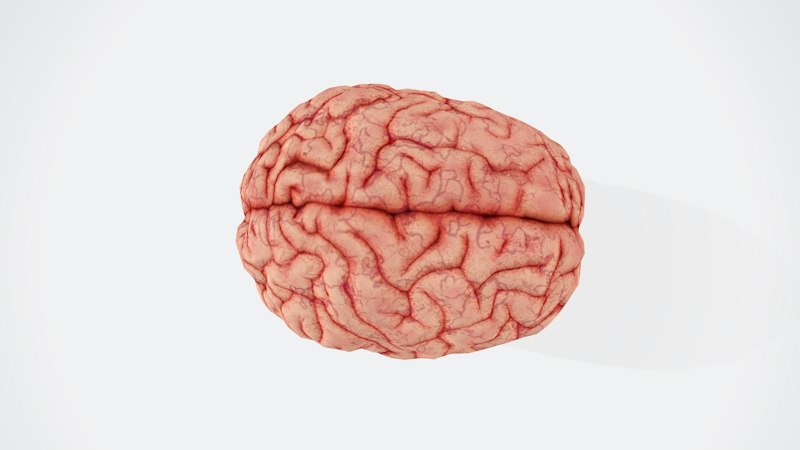
Wernicke-Korsakoff Syndrome (WKS) represents a profound and debilitating neurological condition that arises primarily from a severe deficiency of thiamine, also known as vitamin B1. This syndrome is unique in clinical neurology as it is conceptualized as a two-stage pathological process consisting of an acute, life-threatening phase known as Wernicke’s encephalopathy (WE) and a chronic, often irreversible phase termed Korsakoff’s psychosis (KP). While these two conditions were historically identified as separate entities by Carl Wernicke and Sergei Korsakoff respectively, modern medicine views them as a continuum of the same underlying nutritional and metabolic crisis. The syndrome serves as a critical example of how systemic nutritional deficiencies can manifest as localized and devastating brain damage, particularly within the diencephalon and the limbic system.
The epidemiological profile of Wernicke-Korsakoff Syndrome is heavily skewed toward populations with chronic alcohol use disorder, though it is a mistake to view it exclusively as an alcohol-related illness. In individuals with alcohol dependency, the syndrome is often the result of a “perfect storm” of factors: inadequate dietary intake of thiamine, impaired gastrointestinal absorption of the vitamin, and reduced hepatic storage capacity due to liver cirrhosis or fatty liver disease. However, any clinical state that leads to prolonged malnutrition or malabsorption can precipitate the syndrome. The prevalence of the condition is often underestimated, as many cases of Wernicke’s encephalopathy go undiagnosed during the acute stage, only to be identified later when the patient develops the persistent cognitive deficits characteristic of Korsakoff’s psychosis.
Understanding Wernicke-Korsakoff Syndrome requires a deep dive into the neuropsychological and physiological intersections of brain health. Because thiamine is a critical cofactor for several key enzymes involved in glucose metabolism, its absence leads to a metabolic catastrophe in the brain’s most energy-demanding regions. Without sufficient thiamine, neurons lose their ability to produce adenosine triphosphate (ATP), leading to cellular edema, oxidative stress, and eventually, neuronal death. This encyclopedia entry explores the intricate details of the syndrome’s etiology, its distinct clinical manifestations, the diagnostic hurdles faced by clinicians, and the therapeutic strategies employed to mitigate long-term damage.
Etiology and the Biochemical Role of Thiamine
The primary causative factor of Wernicke-Korsakoff Syndrome is a systemic depletion of thiamine pyrophosphate, the active form of vitamin B1. Thiamine is an essential micronutrient that humans cannot synthesize endogenously, meaning it must be acquired through diet. It plays a fundamental role as a coenzyme for pyruvate dehydrogenase, alpha-ketoglutarate dehydrogenase, and transketolase. These enzymes are vital for the Krebs cycle and the pentose phosphate pathway. When thiamine levels drop, these metabolic pathways are disrupted, leading to a failure in mitochondrial energy production and a dangerous accumulation of glutamate, which triggers excitotoxicity and the destruction of neural tissue.
While chronic alcohol abuse is the most widely recognized cause, the medical community identifies several other high-risk scenarios for thiamine deficiency. These include:
- Severe malnutrition or starvation, often seen in cases of anorexia nervosa or extreme poverty.
- Hyperemesis gravidarum, which involves persistent and severe vomiting during pregnancy.
- Gastrointestinal surgeries, such as bariatric surgery, which can permanently alter the body’s ability to absorb micronutrients.
- Systemic illnesses such as cancer, AIDS, or chronic kidney disease requiring long-term hemodialysis.
- Prolonged intravenous feeding (total parenteral nutrition) without adequate vitamin supplementation.
The mechanism by which alcohol specifically exacerbates thiamine deficiency is multifaceted. Alcohol interferes with the active transport of thiamine across the intestinal wall by inhibiting the expression of thiamine transporters THTR-1 and THTR-2. Furthermore, the metabolic processing of alcohol itself consumes thiamine, further depleting the body’s limited reserves. In many patients, genetic predispositions involving the affinity of the transketolase enzyme for thiamine may also play a role, explaining why only a subset of individuals with severe thiamine deficiency go on to develop the full clinical spectrum of Wernicke-Korsakoff Syndrome.
Pathophysiology and Neuroanatomical Changes
The neuropathology of Wernicke-Korsakoff Syndrome is characterized by highly localized lesions in specific regions of the brain that are particularly sensitive to metabolic shifts. The most frequently affected structures include the mammillary bodies, the dorsomedial nucleus of the thalamus, the periaqueductal gray matter, and the floor of the fourth ventricle. In the acute stage of Wernicke’s encephalopathy, these areas exhibit vasogenic edema, petechial hemorrhages, and glial cell proliferation. If the deficiency is not corrected immediately, these acute changes progress to permanent atrophy and neuronal loss, which form the structural basis for the chronic cognitive impairments seen in Korsakoff’s psychosis.
The mammillary bodies are perhaps the most iconic site of damage in WKS. These small, round structures are part of the hypothalamus and play a crucial role in the Papez circuit, which is essential for the formation and consolidation of memories. Atrophy of the mammillary bodies is a hallmark sign on neuroimaging and is strongly correlated with the memory deficits observed in patients. Additionally, damage to the thalamus disrupts the relay of sensory and motor signals to the cerebral cortex, contributing to the global state of confusion and disorientation that defines the acute phase of the illness.
On a cellular level, the lack of thiamine leads to a breakdown of the blood-brain barrier. This breakdown allows for the infiltration of substances that are normally excluded from the brain, further exacerbating inflammation and oxidative damage. The accumulation of reactive oxygen species (ROS) leads to lipid peroxidation and DNA damage within neurons. This cascade of events explains why WKS is considered a medical emergency; the transition from reversible metabolic dysfunction to irreversible structural damage can occur within a very short timeframe, sometimes hours or days, if high-dose thiamine is not administered.
Clinical Presentation: Wernicke’s Encephalopathy
Wernicke’s encephalopathy is the acute clinical manifestation of thiamine deficiency and is traditionally described by a classic triad of symptoms: ophthalmoplegia (abnormal eye movements), ataxia (lack of muscle coordination), and confusion (altered mental status). However, it is vital for clinicians to recognize that the complete triad is present in only a minority of patients. In many cases, a patient may present with only one or two of these symptoms, leading to frequent underdiagnosis in emergency departments. The “confusion” component can range from mild disorientation and inattentiveness to a profound state of delirium or even coma in extreme cases.
The ocular abnormalities in Wernicke’s encephalopathy are often the most striking diagnostic clues. These can include nystagmus (involuntary, rapid eye movement), conjugate gaze palsy, and paralysis of the lateral rectus muscles. These symptoms result from lesions in the abducens nuclei and the vestibular nuclei within the brainstem. Ataxia, the second part of the triad, primarily affects the patient’s gait and stance. Patients may exhibit a wide-based, unsteady walk and may be unable to stand without assistance. This motor dysfunction is caused by damage to the superior vermis of the cerebellum and the disruption of vestibular signaling.
In addition to the classic triad, patients with Wernicke’s encephalopathy often exhibit signs of autonomic nervous system dysfunction. This can manifest as tachycardia (rapid heart rate), hypotension (low blood pressure), or hypothermia. Because the brain is unable to regulate basic physiological functions due to diencephalic damage, the patient’s overall physical stability is highly compromised. If the condition is suspected, thiamine administration should never be delayed for diagnostic confirmation, as the risk of permanent brain damage or death increases with every hour the deficiency persists.
Clinical Presentation: Korsakoff’s Psychosis
When the acute symptoms of Wernicke’s encephalopathy subside, or when a thiamine deficiency remains chronic and untreated, the patient may transition into Korsakoff’s psychosis. This stage is primarily characterized by a profound and selective amnestic syndrome. The most prominent feature is anterograde amnesia, which is the total or near-total inability to form new memories. A patient with Korsakoff’s may have a normal conversation but completely forget the encounter and the person they spoke with just minutes later. This occurs while other cognitive functions, such as language skills and general intelligence (IQ), often remain relatively preserved.
A fascinating and diagnostic hallmark of Korsakoff’s psychosis is confabulation. Because patients are unable to remember recent events but remain conscious and communicative, they often “fill in the gaps” of their memory with fabricated, distorted, or misinterpreted information. Confabulation is not intentional lying; the patient genuinely believes the false memories they are producing. These fabrications can be “provoked,” occurring only when the patient is asked a question they cannot answer, or “spontaneous,” where the patient offers elaborate and fantastic stories without prompting. Over time, as the patient’s apathy and lack of insight (anosognosia) increase, the frequency of confabulation may decrease.
The memory impairment also extends to retrograde amnesia, where the patient loses memories of events that occurred before the onset of the illness. This loss typically follows a temporal gradient, where more recent memories are lost while childhood or early adult memories remain intact. Beyond memory, patients often display significant personality changes. They may become extremely passive, lose all initiative, and show a marked lack of emotional reactivity. This state of apathy makes rehabilitation difficult, as the patient may lack the motivation to engage in physical or cognitive therapies designed to improve their functioning.
Diagnostic Procedures and Assessment
The diagnosis of Wernicke-Korsakoff Syndrome is primarily clinical, meaning it relies on the physician’s observation of symptoms and the patient’s medical history. There is no single blood test that can definitively confirm WKS, although certain labs can support the diagnosis. Measuring erythrocyte transketolase activity can provide an indirect assessment of thiamine status, but this test is technically demanding and rarely available in an emergency setting. Blood thiamine levels can also be measured, but they do not always accurately reflect the levels of thiamine within the brain tissue itself.
To improve diagnostic accuracy, clinicians often use the Caine Criteria, which suggest that Wernicke’s encephalopathy should be diagnosed if a patient exhibits at least two of the following:
- Dietary deficiencies or nutritional risk factors.
- Oculomotor abnormalities.
- Cerebellar dysfunction (ataxia).
- Altered mental status or mild memory impairment.
By using these broader criteria, medical professionals can catch more cases that do not present with the traditional, full triad of symptoms.
Neuroimaging, particularly Magnetic Resonance Imaging (MRI), is a valuable tool in the diagnostic process. An MRI can reveal characteristic changes such as signal abnormalities in the thalamus and mammillary bodies, as well as ventricular enlargement. While MRI is highly specific for WKS—meaning that if the signs are present, the diagnosis is almost certain—it is not highly sensitive. A normal MRI does not rule out the syndrome. Therefore, if the clinical suspicion is high, treatment should proceed regardless of imaging results. Neuropsychological testing is also essential, especially in the chronic stage, to map the extent of memory loss and identify any co-occurring cognitive deficits like executive dysfunction.
Therapeutic Interventions and Medical Management
The cornerstone of treatment for Wernicke-Korsakoff Syndrome is the immediate and aggressive administration of parenteral thiamine. Because the intestinal absorption of thiamine is unreliable in malnourished or alcoholic patients, oral supplements are insufficient for treating the acute phase. The standard of care involves high-dose intravenous (IV) or intramuscular (IM) thiamine, often administered three times daily for several days. A critical clinical pearl is that thiamine must always be administered before or concurrently with glucose. Providing a glucose load to a thiamine-deficient patient can consume the remaining traces of the vitamin and trigger a rapid, fatal worsening of the encephalopathy.
In addition to thiamine, comprehensive medical management must address other nutritional deficiencies. Many patients are also deficient in magnesium, which is a necessary cofactor for thiamine-dependent enzymes. Without correcting hypomagnesemia, thiamine supplementation may be ineffective. Patients also require rehydration, electrolyte stabilization, and a high-calorie, nutrient-dense diet to support brain recovery. For those whose syndrome was triggered by alcohol abuse, management of alcohol withdrawal syndrome is also a priority, often requiring the use of benzodiazepines under close medical supervision.
For the chronic phase (Korsakoff’s psychosis), the focus shifts from medical stabilization to rehabilitation and symptom management. While the cognitive deficits are often permanent, some patients show modest improvement with long-term thiamine therapy and total abstinence from alcohol. Cognitive-behavioral strategies and the use of external memory aids—such as diaries, electronic reminders, and simplified environments—can help patients manage their daily lives. In some cases, pharmacological interventions like cholinesterase inhibitors or memantine are explored to improve memory, though their efficacy in WKS is not as well-established as it is in Alzheimer’s disease.
Prognosis and Long-term Cognitive Outlook
The prognosis for Wernicke-Korsakoff Syndrome is highly variable and depends largely on the speed of intervention. If Wernicke’s encephalopathy is treated early, the ocular symptoms often resolve within hours or days, and the ataxia may improve significantly. However, the global confusion and memory impairments are much slower to recover, and in many cases, they do not recover fully. Approximately 80% of patients who survive the acute phase of Wernicke’s encephalopathy will go on to develop the persistent memory deficits of Korsakoff’s psychosis.
For those with established Korsakoff’s psychosis, the long-term outlook is generally guarded. Only about 20% of patients show significant recovery, while the remainder require some level of supervised care for the rest of their lives. Because the anterograde amnesia is so severe, these individuals are often unable to hold jobs, manage finances, or live independently. The mortality rate for untreated Wernicke’s encephalopathy is estimated to be around 10% to 20%, usually due to secondary infections like pneumonia or severe autonomic failure. For survivors, the syndrome represents a permanent alteration of their identity and autonomy.
Public health initiatives and preventive measures are the most effective ways to combat the syndrome. In some countries, the mandatory fortification of flour and other staple foods with thiamine has led to a measurable decrease in the incidence of WKS. Furthermore, increased awareness among healthcare providers about the need for “prophylactic” thiamine in high-risk patients—such as those presenting to the emergency room with alcohol intoxication—can prevent the onset of the syndrome entirely. Early education regarding nutrition and the risks of chronic alcohol consumption remains the best defense against this devastating neurological disorder.
Conclusion
Wernicke-Korsakoff Syndrome stands as a stark reminder of the delicate relationship between systemic nutrition and neurological integrity. It is a condition where a simple vitamin deficiency can lead to the total erasure of a person’s ability to form new memories and navigate the world. By understanding the pathophysiological mechanisms of thiamine depletion, clinicians can better identify the early warning signs of Wernicke’s encephalopathy and intervene before the damage becomes the irreversible Korsakoff’s psychosis. While the medical community has made great strides in understanding the syndrome, the high rates of underdiagnosis suggest that continued education and proactive treatment are essential.
Ultimately, the management of WKS requires a multidisciplinary approach involving emergency physicians, neurologists, psychiatrists, and nutritionists. For the patient, the journey from acute crisis to chronic management is arduous and often results in a “frozen” existence where the past is accessible but the present is perpetually lost. Through thiamine supplementation, social support, and rigorous medical care, the impact of this syndrome can be mitigated, but the goal remains the total prevention of this entirely avoidable nutritional catastrophe. The legacy of Wernicke and Korsakoff lives on in our modern efforts to protect the human brain from the ravages of metabolic failure.