Gender Power: Rewriting the Psychology of Social Equality
Scientifically Reviewed · Dr. Marwa Abd-Alazim · September 25, 2026
Review Criteria & Clinical Standards
This content undergoes rigorous scientific peer-review and medical editorial standards at Arab Psychology Network to ensure clinical accuracy, validity, and compliance with evidence-based guidelines from leading psychological and healthcare authorities (APA / WHO).
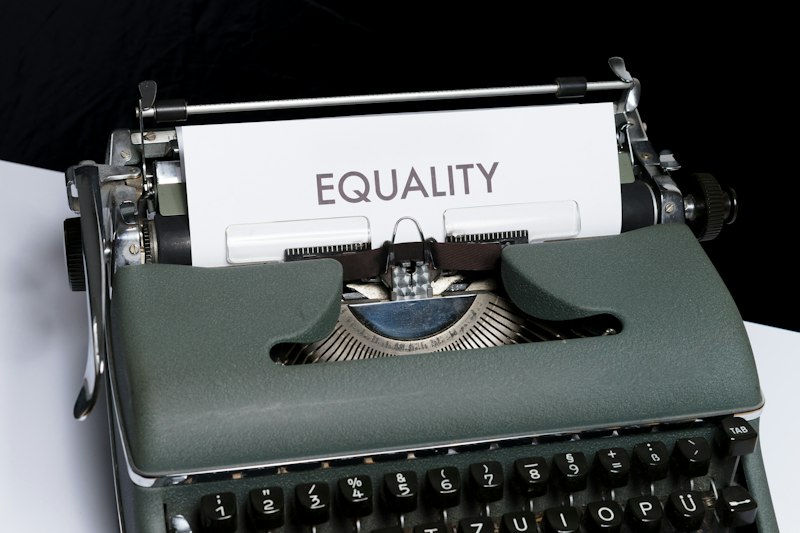
The Women’s Liberation Movement (WLM) was a social and political movement that began in the late 1960s and continued through the mid-1970s. The WLM sought to expand the rights of women in all aspects of their lives, including education, employment, politics, healthcare, and the family. The movement was strongly influenced by the civil rights movement, the anti-Vietnam War movement, and the New Left. As a result, the WLM was often characterized as “radical” by the mainstream media.
The WLM was organized around the idea that women are capable of achieving equality in a patriarchal society. This movement focused on challenging traditional gender roles and stereotypes, rewriting the history of women’s contributions to society, and advocating for economic and social justice. The WLM sought to end discrimination against women in the workplace, in the home, and in society at large. The movement also encouraged women to become more involved in politics and to challenge the status quo.
The WLM was composed of numerous organizations and individuals, including the National Organization for Women (NOW), the National Women’s Political Caucus (NWPC), the National Black Feminist Organization (NBFO), and the National Women’s Trade Union League (NWTUL). In addition, a number of women’s magazines, such as Ms., Redbook, and New Woman, provided a platform for women’s liberation activists to share their ideas and experiences.
The WLM achieved a number of successes, including the passage of the Equal Rights Amendment and the establishment of a number of laws prohibiting discrimination against women in the workplace. However, the WLM was also met with opposition from those who opposed its goals and methods. This opposition included opposition from the political right, who argued that the WLM was a threat to traditional gender roles and the American family.
Despite the opposition, the WLM was able to make significant strides in advancing the cause of women’s rights. The WLM is credited with inspiring the second wave of feminism, which has seen a number of advances in women’s rights in the last decades, including greater opportunities for women in the workplace, increased access to healthcare, and greater representation in politics.
References
Bryson, V. (2006). Women’s liberation movement. In J. Garraty & M. Carnes (Eds.), American national biography (Vol. 24, pp. 745-747). Oxford, UK: Oxford University Press.
Fry, P. (1998). The women’s liberation movement in America. Westport, CT: Greenwood Press.
Lerner, G. (1986). The creation of feminist consciousness: From the middle ages to eighteen-seventy. Oxford, UK: Oxford University Press.
National Organization for Women. (2020). About NOW. Retrieved from https://now.org/about/
National Women’s Political Caucus. (2020). About NWPC. Retrieved from https://www.nwpc.org/about