Occupational Rehabilitation: Reclaiming Your Professional Identity
Scientifically Reviewed · Dr. Marwa Abd-Alazim · September 21, 2026
Review Criteria & Clinical Standards
This content undergoes rigorous scientific peer-review and medical editorial standards at Arab Psychology Network to ensure clinical accuracy, validity, and compliance with evidence-based guidelines from leading psychological and healthcare authorities (APA / WHO).
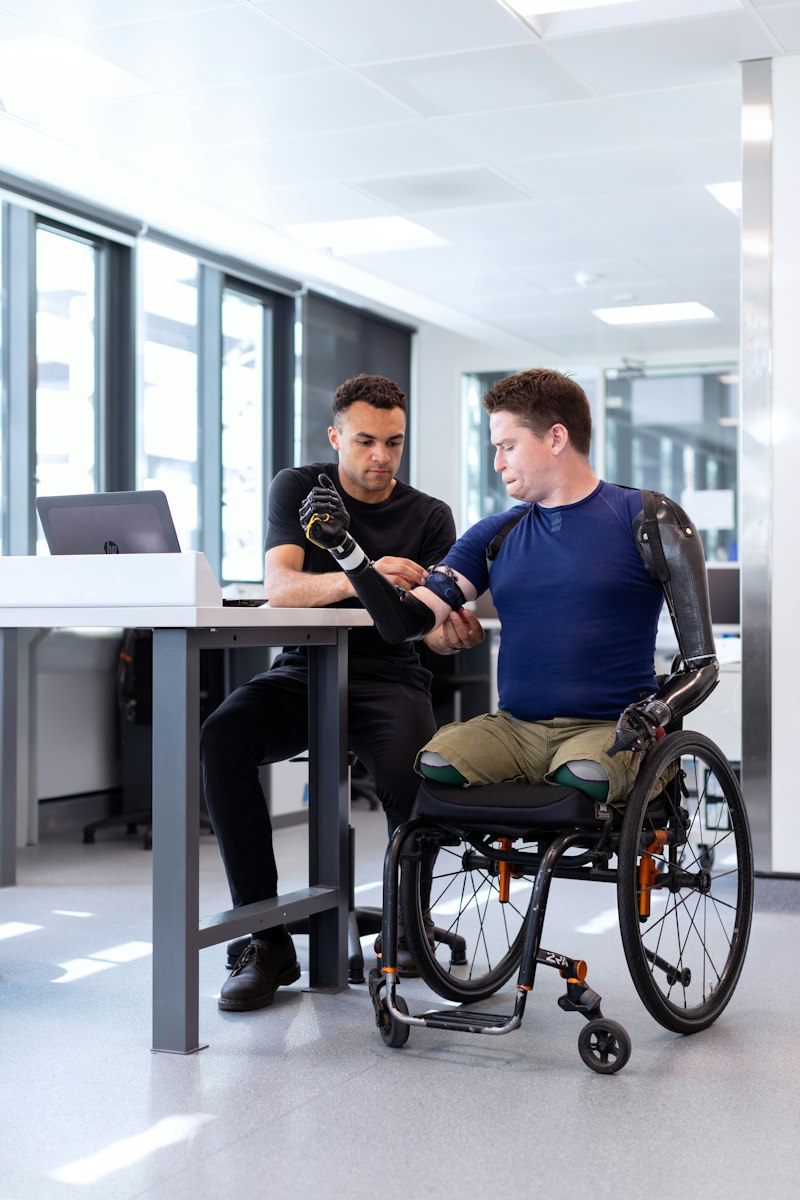
Conceptual Framework and Evolutionary Scope of the Work Rehabilitation Center
A Work Rehabilitation Center (WRC) serves as a highly specialized clinical facility dedicated to the comprehensive restoration of functional capacities in individuals who have experienced significant occupational interruptions due to physical injury, psychological trauma, or chronic illness. These centers represent a critical intersection between healthcare and the labor market, operating under the philosophical premise that productive employment is a fundamental component of human identity, psychological stability, and social integration. The evolution of these centers has transitioned from simple physical therapy units to sophisticated, holistic environments that address the multifaceted nature of disability, emphasizing that recovery is not merely the absence of symptoms but the successful reintegration into a professional environment.
The primary objective of a Work Rehabilitation Center is to facilitate a safe, sustainable, and timely return to the workforce through a structured sequence of interventions that simulate the demands of the actual job site. By bridging the gap between acute medical care and the resumption of full-duty employment, these facilities mitigate the long-term risks associated with disability, such as economic instability, secondary psychological decline, and the “disability mindset.” The therapeutic environment is designed to mirror the physical and cognitive stressors of various industries, ensuring that the patient is not only physically capable of performing tasks but also psychologically prepared for the rigors of the workplace. This holistic focus distinguishes the WRC from traditional outpatient clinics, as it prioritizes vocational outcomes as the primary metric of clinical success.
Modern work rehabilitation is grounded in the biopsychosocial model, which recognizes that an individual’s ability to work is influenced by biological health, psychological resilience, and social support systems. Consequently, a Work Rehabilitation Center does not treat an injury in isolation; rather, it treats the person in the context of their specific career path and socio-economic reality. This involves a deep analysis of the patient’s job description, the physical layout of their workplace, and the interpersonal dynamics of their professional life. By addressing these diverse factors, the center ensures that the rehabilitation process is highly personalized, moving beyond generic exercises to include targeted functional training that mimics the specific actions—such as lifting, climbing, or sustained cognitive focus—required by the patient’s unique occupation.
The historical trajectory of these centers has been influenced by changing labor laws, advancements in sports medicine, and a growing understanding of occupational psychology. In the contemporary landscape, a Work Rehabilitation Center acts as a mediator between the employee, the employer, the insurance provider, and the medical community. This collaborative approach ensures that all stakeholders are aligned in the goal of recovery, reducing the likelihood of adversarial relationships that often impede the rehabilitation process. As the nature of work continues to shift toward more sedentary and cognitively demanding roles, these centers have also adapted, incorporating ergonomic training and stress management programs into their core curriculum to address the rising prevalence of repetitive strain injuries and mental health challenges in the workplace.
The Multidisciplinary Team and Collaborative Care Models
The efficacy of a Work Rehabilitation Center is largely dependent on its multidisciplinary staffing model, which integrates expertise from various clinical and vocational disciplines. This team typically includes occupational therapists, physical therapists, vocational counselors, clinical psychologists, and industrial hygienists, all working in concert under the direction of a medical director specialized in physical medicine and rehabilitation. The synergy of these diverse perspectives allows for a comprehensive assessment of the patient’s limitations and strengths, ensuring that no aspect of the individual’s recovery is overlooked. Regular case conferences are held to synthesize data from different assessments, allowing the team to adjust the treatment plan in real-time based on the patient’s progress or setbacks.
Occupational therapists within a WRC focus specifically on the functional aspects of work, analyzing the activities of daily living (ADLs) and instrumental activities that are precursors to professional tasks. They are instrumental in designing simulated work environments that challenge the patient’s fine motor skills, endurance, and cognitive processing. Meanwhile, physical therapists concentrate on restoring the patient’s biomechanical integrity, addressing issues such as range of motion, muscular strength, and cardiovascular fitness. Together, these professionals ensure that the physical foundation for work is rebuilt while simultaneously training the patient in proper body mechanics to prevent re-injury once they return to their job site.
The inclusion of vocational counselors and psychologists is what truly defines the specialized nature of a Work Rehabilitation Center. Vocational counselors assist patients in navigating the complexities of the job market, identifying transferable skills if the original job is no longer feasible, and coordinating with employers regarding modified duty or phased-in return-to-work schedules. Psychologists address the emotional impact of injury, such as the loss of professional identity or fear of re-injury (kinesiophobia). This comprehensive staffing ensures that the center can address the psychosocial barriers to return-to-work, which are often more significant predictors of long-term disability than the physical injury itself.
Collaboration extends beyond the internal team to include external stakeholders such as the patient’s primary care physician, the employer’s human resources department, and insurance case managers. A Work Rehabilitation Center serves as the central hub for communication, providing detailed objective data on the patient’s functional status to all involved parties. This transparency reduces the uncertainty that often surrounds workers’ compensation cases and helps build a supportive network around the injured worker. By maintaining open lines of communication, the center ensures that the transition from clinical rehabilitation to active employment is seamless and that the employer is prepared to accommodate the returning worker’s needs.
Comprehensive Functional Capacity Evaluation (FCE)
At the heart of the diagnostic process in a Work Rehabilitation Center is the Functional Capacity Evaluation (FCE). This is a comprehensive battery of performance-based tests used to objectively measure an individual’s ability to perform work-related tasks. Unlike a standard medical exam that might focus on anatomical healing, an FCE assesses functional ability, such as how much weight a person can safely lift, how long they can stand, or their level of manual dexterity over a sustained period. The data derived from an FCE is critical for determining whether a patient is ready to return to their previous job, requires permanent restrictions, or needs further intensive rehabilitation.
A standard FCE involves several components designed to provide a holistic view of the patient’s capabilities, including:
- Material Handling: Assessing the ability to lift, carry, push, and pull various weights using standardized protocols.
- Non-Material Handling: Testing positions and movements such as reaching, kneeling, squatting, crawling, and balancing.
- Positional Tolerance: Measuring the duration an individual can maintain static postures like sitting or standing without significant pain or fatigue.
- Cardiovascular Testing: Evaluating the patient’s aerobic capacity to ensure they can meet the metabolic demands of their specific job.
- Sincerity of Effort: Utilizing objective consistency checks to ensure that the results accurately reflect the patient’s maximum safe physical abilities.
The results of the FCE are meticulously documented and compared against the physical demands of the patient’s specific job, often using the Dictionary of Occupational Titles (DOT) or the O*NET database as a reference. This comparison allows the clinicians at the Work Rehabilitation Center to identify specific “functional gaps”—areas where the patient’s current abilities fall short of the job’s requirements. These gaps then become the primary targets for the subsequent rehabilitation program. Because the FCE is based on objective, reproducible data, it carries significant weight in legal and insurance proceedings, providing a clear, evidence-based rationale for return-to-work decisions.
In addition to physical metrics, a high-quality FCE within a Work Rehabilitation Center also incorporates psychometric screening to identify non-organic factors that may be influencing the patient’s performance. This might include assessments for depression, anxiety, or pain catastrophizing, which can significantly impact an individual’s perception of their own disability. By integrating these psychological insights with physical data, the center can develop a more nuanced understanding of the patient’s functional status. This comprehensive approach ensures that the eventual return-to-work plan is not only physically safe but also psychologically sustainable for the individual.
Psychological Interventions and Behavioral Health Integration
The psychological dimension of occupational injury is a critical focus area within a Work Rehabilitation Center. When an individual is sidelined by an injury, they often experience a profound sense of loss that extends beyond physical health; they may lose their daily routine, their social circle, and their sense of purpose. This can lead to the development of secondary conditions such as adjustment disorders, clinical depression, or post-traumatic stress disorder (PTSD), particularly if the injury resulted from a workplace accident. The psychological team at a WRC works to address these issues through targeted interventions designed to rebuild the patient’s confidence and mental resilience.
Cognitive Behavioral Therapy (CBT) is frequently utilized in these centers to help patients reframe negative thought patterns regarding their pain and their ability to work. For many patients, the fear of re-injury becomes a paralyzing force that prevents them from engaging fully in the rehabilitation process. Through CBT, clinicians help patients identify these irrational fears and replace them with evidence-based assessments of their own progress. This process of cognitive restructuring is essential for overcoming kinesiophobia and encouraging the patient to push through the discomfort that often accompanies the recovery of physical function.
In addition to individual counseling, a Work Rehabilitation Center may offer group therapy sessions where patients can share their experiences with others facing similar challenges. These peer support groups reduce the sense of isolation that often accompanies long-term disability and provide a platform for collective problem-solving. Seeing others successfully return to work can serve as a powerful motivator, fostering a “culture of recovery” within the center. These sessions also provide an opportunity for social skills training, which can be particularly beneficial for individuals who may have become socially withdrawn during their period of unemployment.
Behavioral health integration also involves teaching patients self-regulation techniques such as mindfulness, progressive muscle relaxation, and biofeedback. These tools help patients manage the chronic pain and stress associated with their condition without relying solely on pharmacological interventions. By empowering patients with these self-management strategies, the Work Rehabilitation Center ensures that they have the internal resources necessary to handle the pressures of a return to the workplace. This holistic focus on mental health significantly improves the long-term success rates of vocational rehabilitation, as it addresses the root causes of many return-to-work failures.
Work Hardening vs. Work Conditioning Programs
Within a Work Rehabilitation Center, two primary modalities are used to prepare patients for the physical demands of employment: Work Conditioning and Work Hardening. While the terms are often used interchangeably, they represent different levels of intensity and clinical focus. Work conditioning is typically an intensive, goal-oriented treatment program specifically designed to restore systemic neurological, musculoskeletal, and cardiopulmonary functions. It usually involves several hours of exercise per day, focusing on general strength, flexibility, and aerobic capacity, and is often the first step in the transition from traditional physical therapy to work-specific training.
In contrast, Work Hardening is a highly structured, multidisciplinary program that uses real or simulated work activities in conjunction with physical conditioning tasks. It is more comprehensive than work conditioning, as it addresses the psychosocial and vocational aspects of the patient’s recovery in addition to their physical needs. Work hardening programs are typically more intense, often lasting four to eight hours a day, five days a week, mimicking a full work week. The goal is to build the patient’s endurance and tolerance for the specific environmental and physical stressors they will encounter on the job, such as noise, temperature variations, and the pace of production.
The progression through these programs is carefully monitored by the clinical team at the Work Rehabilitation Center. Key elements of these programs include:
- Simulated Work Tasks: Patients perform duties such as repetitive assembly, heavy lifting, or prolonged computer use using actual tools and equipment from their trade.
- Body Mechanics Training: Clinicians provide constant feedback on the patient’s posture and movement patterns to ensure they are working efficiently and safely.
- Pacing and Energy Conservation: Patients learn how to manage their energy throughout a full workday to prevent excessive fatigue and symptom exacerbation.
- Graduated Exposure: The intensity and duration of work tasks are increased incrementally as the patient demonstrates improved tolerance and skill.
By the time a patient completes a work hardening program, they should be able to demonstrate the functional capacity required to perform their job duties for a full shift. This rigorous preparation serves as a “stress test” for the patient’s recovery, identifying any remaining vulnerabilities before they return to the actual workplace. The structured nature of work hardening also helps to re-establish the patient’s “worker role,” helping them transition mentally from being a “patient” back to being a “professional.” This shift in identity is a crucial component of the successful outcomes achieved by a dedicated Work Rehabilitation Center.
Ergonomics and Environmental Workplace Modifications
A critical function of the Work Rehabilitation Center is ensuring that the environment to which the patient returns is optimized for their safety and productivity. This often involves a detailed ergonomic analysis of the patient’s worksite, conducted by an occupational therapist or an industrial hygienist. The goal is to identify environmental factors that may have contributed to the initial injury or that could pose a risk for re-injury. By modifying the workplace to fit the worker—rather than forcing the worker to adapt to a poorly designed environment—the WRC helps to ensure the long-term sustainability of the return-to-work outcome.
Ergonomic interventions can range from simple adjustments to complex technological solutions. For an office worker, this might involve the recommendation of an adjustable-height desk, a more supportive chair, or the use of voice-recognition software to reduce repetitive typing. For a manual laborer, it might involve the implementation of mechanical lifting aids, the redesign of a workstation to eliminate awkward reaching, or the introduction of anti-fatigue matting. These modifications are not merely about comfort; they are essential clinical interventions designed to minimize physical strain and maximize the patient’s functional efficiency.
In addition to physical modifications, the Work Rehabilitation Center may recommend administrative controls as part of the return-to-work plan. This could include suggestions for job rotation, where the worker alternates between different tasks to avoid repetitive strain, or the implementation of mandatory “micro-breaks” to allow for muscle recovery. The clinical team works closely with the employer to ensure these recommendations are feasible and that the employer understands the medical rationale behind them. This collaborative process helps to foster a safer and more supportive work environment for all employees, not just the individual returning from rehabilitation.
The use of assistive technology is another area where the Work Rehabilitation Center plays a vital role. For individuals with permanent disabilities, the WRC can identify and train them in the use of specialized tools that allow them to perform job tasks they otherwise could not. This might include modified computer interfaces, specialized vehicle controls, or wearable exoskeletons that assist with lifting. By leveraging these technologies, the center can help individuals with significant impairments return to competitive employment, thereby promoting economic independence and social inclusion. This focus on environmental adaptation is a hallmark of the sophisticated care provided by a modern WRC.
Legal Frameworks and Regulatory Compliance
Operating a Work Rehabilitation Center requires a deep understanding of the legal and regulatory frameworks that govern the workplace and disability management. In the United States, this includes the Americans with Disabilities Act (ADA), the Occupational Safety and Health Administration (OSHA) standards, and state-specific workers’ compensation laws. The WRC must ensure that all return-to-work recommendations are compliant with these regulations, protecting both the patient’s rights and the employer’s interests. This legal literacy is essential for navigating the complexities of “reasonable accommodations” and “essential job functions,” which are central to disability law.
The Americans with Disabilities Act requires employers to provide reasonable accommodations to qualified individuals with disabilities, provided such accommodations do not impose an “undue hardship” on the business. The Work Rehabilitation Center plays a pivotal role in this process by providing the objective data needed to determine what constitutes a “reasonable” accommodation for a specific patient. By documenting the patient’s functional limitations and identifying specific tools or modifications that can mitigate those limitations, the WRC helps to facilitate the interactive process between the employer and the employee required by the ADA.
Furthermore, the Work Rehabilitation Center must maintain rigorous documentation standards to withstand the scrutiny of the legal and insurance systems. Every assessment, treatment session, and progress report serves as a legal record of the patient’s recovery and the center’s clinical decision-making. In many cases, clinicians from the center may be called upon to provide expert testimony in workers’ compensation hearings or civil litigation. This requires a commitment to evidence-based practice and the use of standardized, validated assessment tools. The center’s reputation for objectivity and clinical excellence is its most valuable asset in these high-stakes environments.
Ethical considerations also play a significant role in the operation of a WRC. Clinicians must balance the goal of returning the patient to work with the primary ethical obligation to “do no harm.” This can sometimes lead to conflicts, such as when an insurance company or employer pushes for a return to work before the patient is clinically ready. The Work Rehabilitation Center must act as a staunch advocate for the patient’s health and safety, ensuring that return-to-work decisions are based on objective functional data rather than external financial pressures. Maintaining this ethical integrity is crucial for building trust with patients and ensuring the long-term success of the rehabilitation process.
Case Management and Longitudinal Support Systems
The journey of recovery does not end the moment a patient returns to their job; rather, the Work Rehabilitation Center provides ongoing case management and longitudinal support to ensure the transition is successful. This follow-up phase is critical for identifying any emerging issues that may not have been apparent in the clinical setting. Case managers at the center maintain regular contact with the worker and the employer during the first few months of the return-to-work phase, providing a safety net that can address problems before they lead to a relapse or a second injury.
Longitudinal support often involves a phased return-to-work schedule, where the employee starts with reduced hours or modified duties and gradually increases their workload as their strength and confidence grow. The Work Rehabilitation Center monitors this progression, providing additional training or adjustments to the workplace as needed. This gradual reintegration is often much more successful than an immediate return to full duty, as it allows the individual’s body and mind to adapt to the renewed demands of employment in a controlled and supportive manner.
Key components of the case management process include:
- Regular Progress Reviews: Scheduled check-ins with the employee to assess their physical and emotional adjustment to the workplace.
- Employer Consultation: Providing guidance to supervisors on how to support the returning worker and how to monitor for signs of physical strain or psychological distress.
- Resource Coordination: Connecting the worker with community resources, such as financial counseling or vocational retraining, if they are unable to return to their previous level of income.
- Outcome Tracking: Collecting data on long-term employment retention and health status to evaluate the effectiveness of the center’s programs.
By providing this extended support, the Work Rehabilitation Center ensures that the gains made during the intensive rehabilitation phase are sustained over time. This comprehensive approach to case management reduces the high costs associated with disability “churn,” where workers return to the job only to go back on disability a short time later. The focus on long-term outcomes reinforces the center’s role as a vital partner in the health of the workforce and the stability of the economy. Ultimately, the success of a WRC is measured by the number of individuals who not only return to work but who thrive in their professional lives long after their treatment has concluded.
Future Directions and Technological Integration
The field of work rehabilitation is rapidly evolving, with the Work Rehabilitation Center of the future likely to incorporate even more advanced technologies to enhance recovery outcomes. Virtual Reality (VR) and Augmented Reality (AR) are already being used to create even more immersive and realistic work simulations, allowing patients to practice complex tasks in a safe, controlled environment. For example, a construction worker could practice navigating a high-rise scaffolding system in VR, allowing clinicians to assess their balance and fear levels without any actual physical risk. These technologies provide a level of specificity in training that was previously impossible to achieve in a clinical setting.
The integration of wearable technology and tele-rehabilitation is another significant trend. Wearable sensors can provide real-time data on a patient’s movement patterns, heart rate, and muscle activation during both clinical sessions and their daily lives. This data allows for a much more precise “dosage” of exercise and activity, ensuring that the patient is working at their optimal level without over-exerting themselves. Tele-rehabilitation platforms allow the experts at a Work Rehabilitation Center to provide guidance and support to patients in remote areas, expanding access to specialized vocational recovery services for those who may live far from a major urban center.
Finally, the growing understanding of neuroplasticity and the cognitive aspects of work is leading to new interventions for individuals with “invisible” disabilities, such as mild traumatic brain injuries (mTBI) or chronic stress disorders. Future WRCs will likely place an even greater emphasis on cognitive rehabilitation, using sophisticated software to retrain attention, memory, and executive function in the context of professional tasks. As the global economy continues to shift toward knowledge-based work, the ability of a Work Rehabilitation Center to address these cognitive and psychological demands will be paramount. By remaining at the forefront of clinical and technological innovation, these centers will continue to play a crucial role in helping individuals reclaim their professional lives and their place in society.