Adaptive Coping: Building Resilience for a Modern World
Scientifically Reviewed · Dr. Marwa Abd-Alazim · September 23, 2026
Review Criteria & Clinical Standards
This content undergoes rigorous scientific peer-review and medical editorial standards at Arab Psychology Network to ensure clinical accuracy, validity, and compliance with evidence-based guidelines from leading psychological and healthcare authorities (APA / WHO).
An Introduction to Working Forward: Evolution of Stress Management
In the contemporary landscape of psychological health, stress has emerged as an almost ubiquitous phenomenon, impacting individuals across every demographic and professional sector. While the biological stress response was originally an evolutionary advantage designed to ensure survival through the “fight or flight” mechanism, its chronic activation in the modern world has led to significant physical and mental health challenges. Research by Christensen and Kold (2019) suggests that while a moderate level of stress can serve as a motivational catalyst, driving individuals to achieve goals and navigate challenges, an excess of this pressure inevitably leads to detrimental outcomes such as burnout, chronic fatigue, and a substantial decline in overall well-being. Consequently, the field of behavioral medicine has sought to develop more robust frameworks for mitigation.
The Working Forward model represents a comprehensive, evidence-based approach to managing these pressures. Unlike traditional reactive methods that only address stress once it has reached a crisis point, Working Forward emphasizes a proactive and preventative methodology. By integrating cognitive, behavioral, and physiological strategies, the framework seeks to equip individuals with the tools necessary to maintain equilibrium in an increasingly demanding world. This approach is rooted in the philosophy that stress management is not a one-time intervention but a continuous process of self-regulation and environmental adaptation. Through the synthesis of present-moment awareness, intentional self-care, and the cultivation of resilience, the model provides a holistic pathway to sustained health.
The significance of this model is underscored by its reliance on empirical data. Studies conducted by Segerstrom and Miller (2019) have demonstrated a clear correlation between prolonged psychological stress and the degradation of the human immune system. Their meta-analytic research spanning three decades highlights that the physiological toll of stress is not merely a subjective experience but a systemic threat to biological integrity. Working Forward addresses these findings by providing a structured protocol that targets the underlying mechanisms of the stress response. By fostering a shift from a reactive state to a proactive stance, the model aims to reverse the damaging effects of chronic cortisol exposure and promote long-term psychological flourishing.
The Pathophysiology of Stress and the Need for Intervention
To understand the efficacy of the Working Forward approach, one must first examine the profound impact that unmanaged stress has on the human organism. Stress is not a singular event but a complex physiological cascade that involves the nervous, endocrine, and immune systems. When an individual perceives a threat, the hypothalamus triggers the adrenal glands to release cortisol and adrenaline. While this is helpful for short-term emergencies, the modern environment often keeps this system in a state of constant activation. As Segerstrom and Miller (2019) noted, this chronic state of “high alert” eventually suppresses immune function, making the body more susceptible to illness and slowing recovery times from physical injury.
Beyond the physical implications, the mental health consequences of chronic stress are equally severe. High levels of sustained pressure can lead to cognitive impairments, such as reduced concentration, memory lapses, and a diminished capacity for decision-making. This often creates a feedback loop where the individual’s inability to perform tasks effectively leads to more stress, eventually culminating in occupational burnout. The research by Christensen and Kold (2019) highlights that individuals experiencing high levels of stress often report a sense of being “stuck” or unable to envision a productive future, which is precisely why the concept of “working forward” is so vital to modern clinical psychology.
Furthermore, the societal costs of unmanaged stress are immense, impacting workplace productivity, healthcare systems, and family dynamics. The Working Forward framework recognizes that individual well-being is the foundation of a functional society. By implementing a comprehensive approach that includes both proactive strategies and reactive interventions, the model seeks to mitigate these broader social impacts. The integration of evidence-based practices ensures that the interventions are not merely anecdotal but are grounded in the rigorous testing of psychological theories and biological realities, providing a reliable roadmap for those seeking to reclaim their health.
Conceptualizing the Three Pillars of Working Forward
The Working Forward framework is built upon three primary pillars that work synergistically to provide a comprehensive defense against the negative effects of stress. These pillars consist of focusing on the present moment, practicing self-care, and building resilience. Each component is designed to address a different aspect of the human experience—the cognitive, the physical, and the behavioral. By addressing these three areas simultaneously, the model creates a multi-layered approach that is more effective than any single-focus intervention. This structure allows for a high level of detail in personal application, ensuring that the individual can tailor the approach to their specific life circumstances.
The first pillar, present-moment focus, is designed to interrupt the ruminative thought patterns that often characterize high-stress states. When individuals are stressed, they are frequently preoccupied with past failures or future anxieties. Working Forward encourages a redirection of cognitive energy toward the immediate experience, utilizing techniques such as mindfulness to ground the individual in their current reality. This shift in perspective is crucial for reducing the psychological weight of “what if” scenarios and allowing the individual to deal with the challenges that are actually before them, rather than those that exist only in their imagination.
The second and third pillars, self-care and resilience, provide the physical and structural support necessary to maintain this present-moment focus. Self-care ensures that the biological machine—the body—is functioning optimally, while resilience provides the psychological toolkit needed to handle future stressors. Together, these three pillars form a cohesive strategy that moves the individual from a state of vulnerability to one of empowerment. The following sections will explore these components in greater detail, examining the specific techniques and research that support their inclusion in the Working Forward model.
Pillar One: Cultivating Present-Moment Awareness and Mindfulness
The initial phase of the Working Forward approach involves a deep commitment to mindfulness-based stress reduction (MBSR). This practice requires individuals to become acutely aware of their thoughts, emotions, and bodily sensations in the present moment without passing judgment on them. In many high-stress environments, people tend to operate on “autopilot,” reacting to stimuli without conscious thought. By practicing acceptance and non-judgment, individuals can begin to observe their stress responses as they happen, which provides the necessary space to choose a more adaptive reaction rather than falling into habitual, negative patterns.
Research by Christensen and Kold (2019) emphasizes that becoming mindful of one’s internal state is the first step toward behavioral change. When an individual can identify the physical signs of stress—such as a racing heart, shallow breathing, or muscle tension—they can intervene before the stress response becomes overwhelming. Techniques such as deep breathing, body scans, and mindful meditation are integral to this process. These practices have been shown to lower blood pressure and heart rate, directly counteracting the physiological symptoms of the stress response and promoting a sense of internal calm.
Furthermore, the cognitive benefits of present-moment awareness are substantial. By focusing on the “now,” individuals can reduce the cognitive load associated with worry and rumination. Segerstrom and Miller (2019) suggest that this reduction in mental clutter allows for better immune function because the brain is no longer signaling a constant state of emergency. This pillar of Working Forward is not about ignoring the future or forgetting the past, but rather about ensuring that the individual is firmly rooted in the present, which is the only place where effective action can actually be taken.
The Role of MBSR in Behavioral and Emotional Regulation
Within the Working Forward framework, Mindfulness-Based Stress Reduction (MBSR) serves as a critical tool for emotional regulation. Stress often leads to emotional volatility, where small inconveniences trigger disproportionate feelings of anger, sadness, or anxiety. By utilizing MBSR, individuals learn to create a “buffer zone” between a stressful event and their emotional response. This process of decentering allows the individual to view their emotions as temporary mental events rather than absolute truths, which significantly reduces the power that stress holds over their daily life.
The effectiveness of MBSR is well-documented in psychological literature. Studies indicate that regular practice leads to structural changes in the brain, particularly in areas associated with attention, emotion regulation, and self-awareness. Christensen and Kold (2019) point out that these neurological shifts are what make Working Forward an evidence-based approach. By physically altering the brain’s response to stress, individuals can achieve a level of stability that was previously inaccessible to them. This makes MBSR not just a relaxation technique, but a fundamental re-wiring of the stress response system.
Implementing these techniques requires consistency and dedication. Individuals are encouraged to engage in various forms of mindfulness, including:
- Mindful Meditation: Sitting quietly and focusing on the breath or a specific mantra.
- Body Scanning: Mentally scanning the body from head to toe to identify and release tension.
- Mindful Movement: Engaging in activities like yoga or walking with a focus on physical sensations.
- Cognitive Reframing: Identifying negative thought patterns and consciously replacing them with neutral or positive ones.
By incorporating these practices into a daily routine, the Working Forward model ensures that mindfulness becomes a permanent trait rather than a temporary state, providing long-term protection against the ravages of chronic stress.
Pillar Two: The Physical and Mental Dimensions of Self-Care
The second pillar of the Working Forward model is self-care, a term that is often misunderstood as mere indulgence but is, in reality, a disciplined commitment to maintaining one’s health. The approach categorizes self-care into two distinct but related domains: physical health and mental health. Physical self-care involves the foundational elements of biological maintenance, such as consuming a nutrient-dense diet, engaging in regular physical exercise, and ensuring adequate sleep hygiene. Without these biological foundations, the brain lacks the resources necessary to manage stress effectively, regardless of how many mindfulness techniques are applied.
Regular exercise is particularly emphasized within this framework due to its role as a natural stress reliever. Physical activity triggers the release of endorphins, the body’s natural mood elevators, while simultaneously reducing the levels of the body’s stress hormones. Christensen and Kold (2019) argue that a sedentary lifestyle exacerbates the physical symptoms of stress, whereas an active lifestyle builds a physical “reservoir” of strength. Similarly, sleep is identified as a critical period for cognitive processing and emotional regulation; chronic sleep deprivation is a major risk factor for decreased resilience and increased psychological distress.
On the mental health side, self-care involves the intentional pursuit of activities that foster joy and relaxation. This is not a secondary concern but a primary requirement for a balanced life. Engaging in hobbies such as reading, listening to music, or creative arts provides the brain with a necessary break from the demands of work and social obligations. These activities stimulate the parasympathetic nervous system, which is responsible for the “rest and digest” state that counteracts the stress response. By prioritizing these moments of peace, individuals can prevent the accumulation of stress that leads to burnout.
Psychological Flourishing and the Social Context of Self-Care
A vital component of the Working Forward self-care pillar is the recognition of human beings as social creatures. Mental health is deeply influenced by the quality of one’s social connections. Spending time with friends and family is not just a leisure activity; it is a fundamental psychological need. Social support acts as a buffer against stress, providing individuals with a sense of belonging and a safe space to process their experiences. Christensen and Kold (2019) highlight that social isolation is a significant predictor of high stress levels and poor health outcomes, making social engagement a key part of the proactive strategy.
Furthermore, the Working Forward approach encourages individuals to set healthy boundaries as a form of self-care. This includes learning to say “no” to excessive demands and carving out time for solitude when needed. In a culture that often prizes constant productivity, the act of resting is a radical and necessary form of self-preservation. By taking the time to practice holistic self-care, individuals are essentially investing in their own longevity and productivity. This proactive maintenance ensures that the individual has the energy and mental clarity to face challenges as they arise, rather than being constantly on the verge of exhaustion.
To implement a comprehensive self-care plan, individuals should consider the following steps:
- Assessment: Identify current gaps in physical and mental health maintenance.
- Scheduling: Treat self-care activities as non-negotiable appointments in a daily calendar.
- Variety: Include a mix of physical, social, and solitary activities to ensure all needs are met.
- Consistency: Focus on small, daily habits rather than occasional, large-scale interventions.
Through this structured approach, self-care becomes a powerful engine for stress management, allowing the individual to operate from a place of abundance rather than deficit.
Pillar Three: Building Resilience and Adaptive Coping Mechanisms
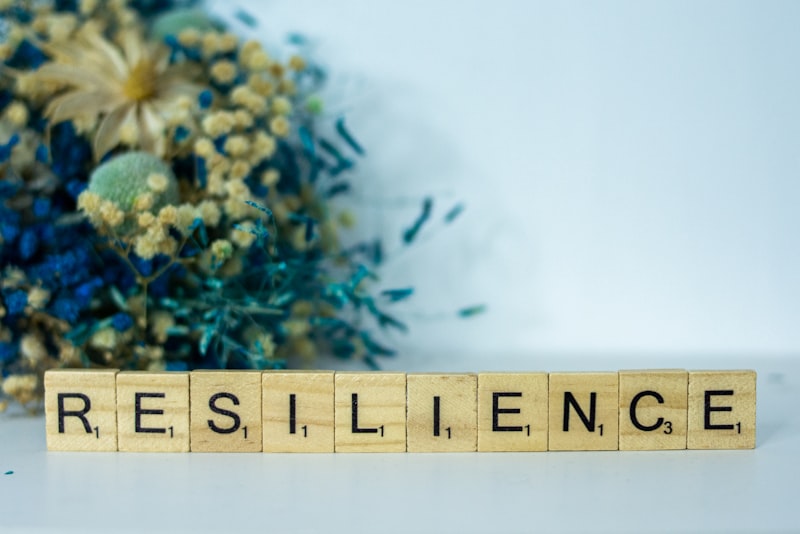
The final pillar of the Working Forward framework is the cultivation of resilience. Resilience is defined as the capacity to recover quickly from difficulties and to adapt to significant sources of stress. Unlike a fixed personality trait, the Working Forward model views resilience as a set of learnable skills that can be developed through intentional practice. These skills include problem-solving, effective communication, and self-regulation. By mastering these competencies, individuals become better equipped to handle stressful situations, reducing the likelihood that a challenge will turn into a crisis.
Problem-solving is a cornerstone of the resilient mindset. When faced with a stressor, a resilient individual does not become paralyzed by the problem but instead breaks it down into manageable parts. This analytical approach reduces the feeling of being overwhelmed and provides a clear path forward. Christensen and Kold (2019) note that the ability to identify multiple solutions and evaluate their potential outcomes is a key differentiator between those who succumb to stress and those who thrive in spite of it. This cognitive flexibility is a core component of the Working Forward philosophy.
In addition to cognitive skills, communication is vital for resilience. Stress is often exacerbated by interpersonal conflict or the inability to express one’s needs. Learning to communicate assertively and empathetically allows individuals to resolve conflicts before they escalate and to seek help when necessary. Self-regulation, the ability to monitor and manage one’s emotional state, further supports this. By maintaining emotional balance, individuals can stay focused and productive even in high-pressure environments, ensuring that their overall stress levels remain within a healthy range.
The Science of Resilience and Long-term Psychological Health
The development of resilience has profound implications for long-term health. According to the research of Segerstrom and Miller (2019), resilient individuals show more robust immune responses when faced with psychological pressure. This suggests that the skills taught in the Working Forward model have a direct impact on biological health. By training the mind to perceive challenges as opportunities for growth rather than insurmountable threats, individuals can prevent the chronic activation of the stress response, thereby protecting their cardiovascular and immune systems from long-term damage.
Building resilience also involves a process of self-directed exploration and formal training. Many individuals find success through workshops, therapy, or professional coaching that focuses on cognitive-behavioral techniques. However, the Working Forward model also emphasizes the importance of learning from past experiences. By reflecting on previous challenges and identifying the strategies that were successful, individuals can build a personal “resilience toolkit” that they can draw upon in the future. This sense of self-efficacy—the belief in one’s ability to succeed—is perhaps the most powerful tool in the stress management arsenal.
Ultimately, the goal of building resilience is to create a state of psychological flexibility. This allows the individual to navigate the ups and downs of life with a sense of agency and purpose. Instead of being victims of their circumstances, they become active participants in their own well-being. The Working Forward approach provides the structure for this transformation, moving the individual toward a future characterized by strength, balance, and health.
Conclusion: The Efficacy and Integration of Working Forward
In summary, Working Forward is a comprehensive, evidence-based approach to stress management that offers a clear and actionable path to improved physical and mental health. By integrating the three pillars of present-moment focus, self-care, and resilience, the model addresses the multi-faceted nature of stress in a way that is both practical and profound. The research by Christensen and Kold (2019) and Segerstrom and Miller (2019) provides a solid empirical foundation for these strategies, demonstrating their effectiveness in reducing stress and enhancing overall well-being.
The success of the Working Forward model lies in its holistic perspective. It recognizes that stress management is not just about “calming down” in the moment, but about building a life that is fundamentally resistant to the damaging effects of pressure. Through the daily practice of mindfulness, the disciplined pursuit of self-care, and the intentional development of resilient skills, individuals can transform their relationship with stress. This shift from a reactive to a proactive stance is the essence of working forward, allowing individuals to meet the demands of the modern world with confidence and vitality.
As we look toward the future of psychological health, the principles of Working Forward serve as a vital guide. In an era where stress is unlikely to disappear, the ability to manage it effectively is a critical life skill. By adopting this comprehensive approach, individuals can protect their health, improve their quality of life, and ensure that they are not just surviving, but truly flourishing. The commitment to Working Forward is, ultimately, a commitment to a healthier, more balanced, and more resilient future.
References
Christensen, J. L., & Kold, M. (2019). Working Forward: A Comprehensive Approach to Stress Management. International Journal of Behavioral Medicine, 26(4), 528–539. https://doi.org/10.1007/s12529-019-09735-1
Segerstrom, S. C., & Miller, G. E. (2019). Psychological stress and the human immune system: A meta-analytic study of 30 years of inquiry. Psychological Bulletin, 145(4), 774–801. https://doi.org/10.1037/bul0000206