Workspace Psychology: Designing Spaces for Peak Performance
Scientifically Reviewed · Dr. Marwa Abd-Alazim · October 8, 2026
Review Criteria & Clinical Standards
This content undergoes rigorous scientific peer-review and medical editorial standards at Arab Psychology Network to ensure clinical accuracy, validity, and compliance with evidence-based guidelines from leading psychological and healthcare authorities (APA / WHO).
Understanding the Psychological Workspace: A Core Definition
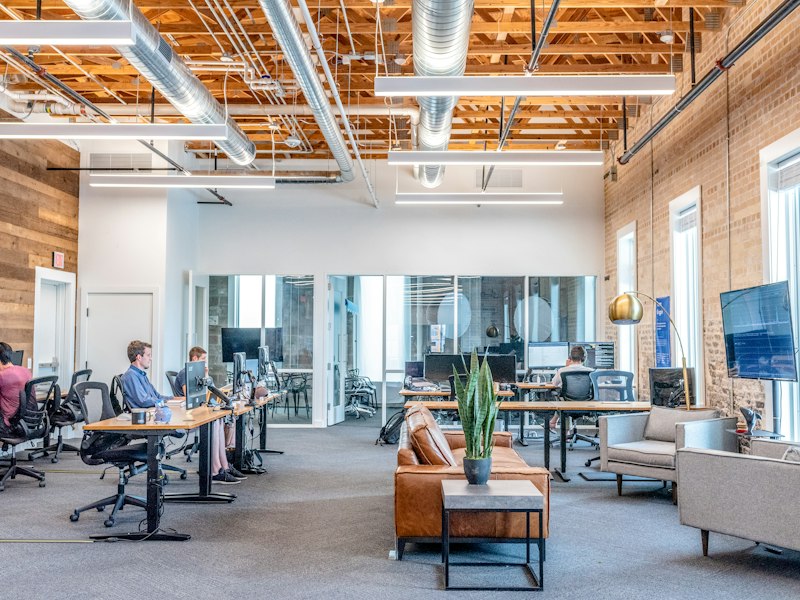
The concept of the workspace, from a psychological perspective, extends far beyond its literal interpretation as a mere physical location for work. It encompasses the intricate interplay between an individual’s cognitive processes, emotional states, and behavioral outcomes within a structured environment. At its core, the psychological workspace is defined as the sum of physical, social, and organizational elements that collectively shape an individual’s experience and performance during work activities. This holistic view recognizes that the arrangement of furniture, the quality of light, the level of noise, and even the proximity to colleagues are not incidental background factors but active contributors to one’s ability to focus, collaborate, innovate, and maintain overall well-being.
Expanding upon this fundamental understanding, the key idea is that the workspace functions as a dynamic psychological ecosystem. It constantly interacts with and influences an individual’s internal states, dictating their comfort, sense of control, and capacity for sustained productivity. For instance, a well-designed workspace can reduce cognitive load by minimizing distractions and organizing information logically, thereby freeing up mental resources for complex tasks. Conversely, a poorly designed environment can induce stress, impair concentration, and contribute to burnout, highlighting the profound impact of physical surroundings on mental and emotional resilience.
Therefore, a comprehensive definition of the psychological workspace must consider it as a carefully constructed or naturally evolving environment that directly mediates the relationship between an employee and their work tasks. It is a critical determinant of not only task efficiency but also job satisfaction, creativity, and the long-term health of the workforce. This perspective encourages a deliberate approach to design, one that prioritizes human needs and psychological principles over purely aesthetic or cost-driven considerations, aiming to create environments that empower individuals to thrive.
Historical Roots: The Evolution of Workspace Psychology
The exploration into how physical environments affect human performance and well-being in the workplace has a rich history, evolving from early industrial efficiency studies to the sophisticated interdisciplinary field it is today. Initial investigations into optimizing work environments can be traced back to the late 19th and early 20th centuries, particularly with the advent of scientific management pioneered by Frederick Winslow Taylor. His focus was primarily on maximizing output through standardized processes and physical arrangements, albeit with less emphasis on the psychological comfort or subjective experience of the worker.
A significant turning point emerged in the 1920s and 1930s with the renowned Hawthorne Studies conducted by Elton Mayo and his colleagues at the Western Electric Company. These studies, initially aimed at examining the effects of physical factors like lighting on productivity, unexpectedly revealed the profound influence of social and psychological factors, such as attention from researchers and group dynamics, on employee performance. This marked a crucial shift from a purely mechanistic view of work to one that acknowledged the complex human element within the industrial setting, laying foundational groundwork for what would become industrial-organizational psychology and human relations theory.
Further developments in the mid-20th century saw the rise of human factors psychology and environmental psychology, which specifically investigated the interaction between humans and their environments. Researchers like Robert Sommer (personal space, territoriality) and Roger Ulrich (impact of natural views on stress recovery) began to systematically study how spatial arrangements, sensory stimuli, and access to nature influenced psychological states and behaviors in various settings, including the workplace. This broader academic inquiry provided the theoretical and empirical basis for understanding the psychological dimensions of workspace design beyond mere efficiency, integrating concepts of comfort, stress, privacy, and social interaction into the design dialogue.
Fundamental Design Principles: Optimizing Cognitive Function and Efficiency
Effective workspace design hinges on several fundamental principles aimed at optimizing an individual’s cognitive function and overall efficiency, directly addressing the challenges of information processing and attention management in demanding work environments. One critical aspect is the strategic organization of the physical layout, which should facilitate optimal flow and minimize unnecessary movement or visual clutter. A well-organized space reduces the cognitive load required to navigate the environment or locate essential tools, allowing employees to dedicate more mental resources to their primary tasks. This includes ensuring adequate spacing between desks and other zones, creating clear pathways, and providing designated areas for specific activities to prevent overlap and distraction.
Beyond spatial organization, crucial environmental factors such as lighting, temperature, and noise control play a pivotal role in shaping the psychological comfort and sustained concentration of employees. Optimal lighting, ideally incorporating access to natural light, can significantly impact mood, alertness, and circadian rhythms, while poor lighting can lead to eye strain and fatigue. Similarly, maintaining a comfortable ambient temperature is essential, as environments that are too hot or too cold can divert attention away from work and contribute to discomfort. Noise management, through sound-absorbing materials, designated quiet zones, or even controlled background soundscapes, is vital for protecting focus and reducing stress, especially in open-plan settings where auditory distractions are prevalent.
Ultimately, the goal of these design principles is to create an environment that acts as a cognitive aid rather than a hindrance. By proactively addressing potential sources of distraction and discomfort, workspace design can enhance an employee’s ability to maintain sustained attention, process information effectively, and engage in deep work. This strategic approach to environmental control recognizes that the physical setting is a powerful determinant of mental states, and by carefully curating these elements, organizations can significantly bolster individual and collective productivity, fostering an environment where focus and efficiency are not just possible but actively encouraged.
Fostering Synergy: Collaborative Dynamics and Communication
Beyond individual productivity, a critical function of modern workspace design is to facilitate robust collaboration and seamless communication among team members, thereby fostering a synergistic environment that drives innovation and collective problem-solving. Studies consistently demonstrate that well-designed collaborative spaces can significantly enhance team performance, sometimes improving productivity by a substantial margin. This is achieved by creating opportunities for spontaneous interactions, encouraging knowledge sharing, and providing versatile settings that cater to various group activities, from informal brainstorming sessions to structured project meetings.
The design of collaborative workspaces often involves a delicate balance between promoting interaction and allowing for focused individual work. This can manifest in various forms, such as dedicated team areas with large whiteboards and flexible furniture, comfortable lounge zones for casual discussions, or adaptable conference rooms equipped with advanced communication technologies. The underlying psychological principle is to reduce the friction associated with communication, making it easier for colleagues to connect, exchange ideas, and build shared understanding. Proximity and visual access, for example, can increase the likelihood of impromptu conversations that often spark new insights or solve emergent problems quickly.
Furthermore, the rise of “flexible workspaces,” which include options like adjustable desks, standing desks, and even unassigned seating arrangements, plays a crucial role in promoting a dynamic and responsive collaborative culture. These flexible environments empower employees to choose the setting that best suits their current task or mood, whether it’s a quiet corner for deep work, a vibrant hub for team discussions, or a private booth for virtual meetings. By offering variety and autonomy, such designs not only enhance individual comfort and perceived control but also encourage cross-pollination of ideas by allowing individuals to easily move between different social and task-oriented zones, ultimately strengthening team cohesion and collective output.
The Science of Comfort: Ergonomics and Physical Well-being
The integration of ergonomics into workspace design is paramount for ensuring the physical well-being of employees, directly impacting their comfort, health, and sustained productivity. Ergonomics is the scientific discipline concerned with understanding interactions among humans and other elements of a system, and the profession that applies theory, principles, data, and methods to design in order to optimize human well-being and overall system performance. In the context of the workspace, this means designing furniture, equipment, and the overall environment to fit the human body and its capabilities, rather than forcing the body to adapt to an ill-suited environment.
Properly designed ergonomic furniture and equipment, such as adjustable chairs, standing desks, monitor arms, and ergonomic keyboards and mice, are engineered to provide optimal support, reduce physical strain, and minimize the risk of musculoskeletal injuries like carpal tunnel syndrome or chronic back pain. These tools work by promoting neutral postures, reducing repetitive motions, and allowing for dynamic changes in body position throughout the workday. The immediate benefit is enhanced physical comfort, which in turn reduces fatigue and discomfort that can divert attention and diminish concentration, enabling employees to maintain focus and energy levels over longer periods.
Beyond the immediate physical benefits, the psychological impact of ergonomics is equally significant. When employees feel physically comfortable and supported, their perceived well-being improves, leading to higher job satisfaction and lower stress levels. The absence of chronic pain or discomfort allows individuals to allocate their full cognitive resources to their tasks, rather than being distracted by physical ailments. This holistic approach, linking physical comfort to mental acuity and psychological resilience, underscores that investment in ergonomic design is not merely a compliance measure but a strategic decision that fosters a healthier, more engaged, and ultimately more productive workforce, aligning individual well-being with organizational success.
Cultivating Mental Well-being: Psychology of the Work Environment
The design of a workspace profoundly influences employee well-being and mental health, making it a critical consideration for any organization aiming to foster a thriving workforce. The workplace environment can significantly impact stress levels, mood, and overall psychological comfort. Factors such as access to natural light, the presence of natural elements, and opportunities for personalization all contribute to an environment that supports mental health rather than detracting from it. Adequate natural light, for instance, has been consistently linked to improved mood, reduced symptoms of depression, and better sleep quality, as it helps regulate circadian rhythms.
Incorporating elements of nature, a concept known as biophilia, has emerged as a powerful strategy for enhancing mental well-being in the workspace. This includes providing views of green spaces, integrating indoor plants, or using natural materials and textures in design. The biophilic hypothesis suggests that humans have an innate tendency to connect with nature, and fulfilling this connection in the workplace can reduce stress, improve cognitive function, and foster a sense of calmness and vitality. Even subtle inclusions, like a small desk plant or natural wood finishes, can contribute to a more restorative and psychologically supportive environment.
Furthermore, enabling employees to personalize their immediate workspace through personal items, such as photos, artwork, or decorative objects, plays a vital role in promoting psychological comfort and a sense of ownership. This personalization allows individuals to imbue their space with personal meaning and identity, which can enhance their feeling of connection to the workspace, improve their focus, and boost their motivation. The ability to exert some control over one’s immediate environment reduces feelings of depersonalization often associated with generic corporate settings, thereby contributing to a greater sense of belonging and psychological safety within the organizational context.
A Practical Application: Designing for an Agile Software Team
To illustrate the practical application of psychological workspace principles, consider the design of an office for an agile software development team, where rapid iteration, intense collaboration, and deep focus are all critical. An effective agile workspace is not a static collection of desks but a dynamic ecosystem tailored to support the diverse work modes required by the team. The real-world scenario typically involves a central open-plan area for team collaboration, surrounded by various specialized zones that cater to specific psychological needs, ensuring the team can fluidly move between different types of tasks without undue friction.
The “how-to” involves a multi-faceted approach. First, the main team area would feature large, movable whiteboards and digital displays to facilitate daily stand-up meetings, sprint planning, and spontaneous brainstorming sessions, promoting visual communication and shared understanding. Flexible furniture, such as lightweight tables and chairs that can be easily reconfigured, allows the team to adapt the layout for pair programming, group design discussions, or larger team reviews. This flexibility caters to the psychological need for dynamic social interaction and problem-solving, reducing barriers to immediate collaboration.
Second, recognizing the need for focused individual work, the workspace would incorporate “quiet zones” or “focus pods” – enclosed, sound-attenuated spaces where developers can retreat for concentrated coding, debugging, or complex problem-solving without interruption. These areas provide the psychological benefit of reduced cognitive load from external distractions, supporting deep work. Additionally, access to natural light throughout the office, biophilic elements like living plant walls, and individual control over desk height (e.g., standing desks) address both physical and mental well-being, fostering an environment where intense mental effort is sustainable and team members feel supported, engaged, and ultimately more productive in their complex endeavors.
The Broader Impact: Significance for Individuals and Organizations
The profound significance of a psychologically informed workspace extends far beyond mere aesthetic appeal, fundamentally impacting both individual employee flourishing and overarching organizational success. For individuals, a well-designed workspace directly contributes to heightened job satisfaction, reduced stress, and enhanced overall well-being. When employees feel comfortable, supported, and appropriately stimulated by their physical environment, they are more likely to experience lower levels of fatigue, improved mental clarity, and a stronger sense of connection to their work and their organization. This translates into greater personal effectiveness, better decision-making capabilities, and a more positive daily experience at work.
From an organizational perspective, prioritizing workspace design is a strategic imperative that yields tangible benefits across multiple dimensions. It directly influences key performance indicators such as employee retention, as attractive and supportive environments reduce turnover rates and improve talent acquisition efforts. Enhanced collaboration and communication capabilities fostered by intelligent design drive innovation and problem-solving, giving companies a competitive edge. Moreover, a workspace that promotes well-being can lead to decreased absenteeism, higher morale, and a stronger organizational culture, demonstrating a clear return on investment in human-centric design.
The application of these concepts is widespread and continuously evolving, influencing corporate strategy, architectural design, human resources policies, and even the burgeoning field of home office optimization. In therapy, understanding environmental influences can help create healing spaces; in marketing, retail environments are designed to psychologically influence consumer behavior; and in education, classroom layouts are configured to optimize learning and engagement. By acknowledging the workspace as a critical psychological lever, employers can ensure that their employees have the best possible environment for productivity, satisfaction, and long-term health, thereby securing a more resilient and successful future for the entire organization.
Interdisciplinary Connections: Related Concepts and Subfields
The psychology of workspace design is not an isolated domain but is deeply intertwined with several other key psychological terms and theories, drawing upon a rich tapestry of interdisciplinary knowledge. It fundamentally rests within the broader category of environmental psychology, which examines the interrelationship between individuals and their physical surroundings, including how environments influence behavior, cognition, and emotion. This field provides the overarching theoretical framework for understanding how light, sound, space, and natural elements impact human experience in the workplace.
Furthermore, it shares significant conceptual overlap with cognitive psychology, particularly concerning concepts such as attention, memory, and cognitive load. Workspace design directly seeks to optimize cognitive processes by minimizing distractions and organizing information in a way that supports efficient mental processing. Principles of social psychology are also central, especially when considering collaborative spaces, group dynamics, communication patterns, and the formation of social bonds within an organizational context. The design of communal areas, for instance, directly influences opportunities for social interaction and the development of team cohesion.
Finally, the field is strongly connected to human factors psychology (often referred to as human factors and ergonomics), which focuses on designing tools, machines, and environments to match human capabilities and limitations, aiming to enhance performance, safety, and comfort. This connection is evident in the emphasis on ergonomic furniture and equipment to prevent injury and reduce fatigue. It also falls under the umbrella of industrial-organizational psychology, specifically addressing aspects of job satisfaction, motivation, and organizational behavior as influenced by the physical environment. Thus, a comprehensive understanding of workspace psychology necessitates an appreciation of these diverse yet interconnected subfields.