Digital Cognition: How the Web Rewired Your Memory
Scientifically Reviewed · Dr. Marwa Abd-Alazim · September 25, 2026
Review Criteria & Clinical Standards
This content undergoes rigorous scientific peer-review and medical editorial standards at Arab Psychology Network to ensure clinical accuracy, validity, and compliance with evidence-based guidelines from leading psychological and healthcare authorities (APA / WHO).
The Historical Genesis of the World Wide Web: Sir Tim Berners-Lee and the CERN Proposal
The World Wide Web (WWW) originated from a profound need for streamlined information sharing among the international scientific community. In 1989, while working at CERN (the European Organization for Nuclear Research), British computer scientist Sir Tim Berners-Lee observed that the lack of a unified system for data retrieval was hindering collaborative efforts. Researchers from around the globe brought various types of computers and software to the facility, yet they struggled to access each other’s documentation efficiently. This fragmentation led Berners-Lee to draft a seminal document titled “Information Management: A Proposal,” which envisioned a decentralized system where documents could be linked across different networks regardless of the underlying hardware.
The fundamental concept behind this proposal was the marriage of the internet—a pre-existing infrastructure of interconnected networks—with hypertext. Hypertext allowed for non-linear navigation, enabling users to click on keywords to jump to related documents. By late 1990, Berners-Lee had developed the essential tools that define the web today, including the first web browser (named WorldWideWeb), the first web server software, and the first version of the Hypertext Markup Language (HTML). This breakthrough transformed the internet from a niche tool for military and academic communication into a globally accessible repository of human knowledge.
The initial implementation of the WWW was strictly text-based and utilized by a small circle of physicists, but its potential for universal application was immediately apparent. Sir Tim Berners-Lee’s decision to keep the underlying technology open-source and royalty-free was a critical factor in its rapid adoption. Had the technology been proprietary, the web likely would not have achieved the ubiquitous status it holds today. This altruistic approach ensured that anyone with a computer and an internet connection could contribute to the growing network, fostering an environment of unprecedented innovation and creativity.
As the early 1990s progressed, the introduction of graphical browsers, such as Mosaic, catalyzed the web’s expansion into the public consciousness. This era marked the transition from a specialized academic resource to a mainstream medium for information exchange. The World Wide Web began to reshape the psychological landscape of information seeking, moving society away from physical libraries and toward a digital “global brain.” This historical foundation remains the cornerstone of modern digital life, providing the framework for all subsequent technological advancements in the field of telecommunications.
The Architectural Framework: Protocols, Addresses, and Retrieval Mechanisms
The operational integrity of the World Wide Web relies on a sophisticated system of interlinked hypertext documents and specific communication protocols. At the heart of this system is the Uniform Resource Locator (URL), which serves as a unique digital address for every individual resource on the web. A URL provides the browser with the necessary instructions to locate a specific server and retrieve the requested file. This standardized addressing system ensures that billions of distinct pages remain distinguishable and accessible to users across the globe, facilitating seamless navigation through the vast digital landscape.
The process of accessing these documents is governed by the Hypertext Transfer Protocol (HTTP) and its secure counterpart, HTTPS. When a user inputs a URL into their web browser, the browser acts as a client that sends a request to a remote server. The server then processes this request and transmits the requested document back to the client. This request-response cycle happens in milliseconds, creating the illusion of instantaneous access. The evolution of HTTP has been vital in supporting richer content types, including high-definition video, complex animations, and real-time data streams, which are now staples of the modern user experience.
Furthermore, the structure of the web is inherently decentralized, meaning there is no single “center” or governing body that controls all content. Information is distributed across millions of servers worldwide, which enhances the resilience of the network. If one server fails, the rest of the web remains functional. This decentralized nature mirrors certain neural networks in the human brain, where information is stored across multiple nodes rather than in a single location. This architectural design not only ensures stability but also allows for the continuous growth and evolution of the web without the need for a total system overhaul.
The technical components of the web can be summarized by the following core elements:
- Uniform Resource Locator (URL): The specific address used to identify and locate a resource on the internet.
- Hypertext Transfer Protocol (HTTP): The foundational protocol used by the web to define how messages are formatted and transmitted.
- Web Browsers: Software applications, such as Chrome, Firefox, or Safari, that interpret code and render it into a visual interface for the user.
- Web Servers: Computers that store web files and deliver them to users upon request.
The Technical Trinity: HTML, CSS, and JavaScript
The construction of a modern web page is achieved through the integration of three primary technologies: HTML, CSS, and JavaScript. These languages work in tandem to provide structure, aesthetic appeal, and interactivity. Hypertext Markup Language (HTML) serves as the structural backbone, utilizing a system of tags to define elements such as headings, paragraphs, links, and images. Without HTML, a web page would be nothing more than a stream of unformatted text; it provides the essential semantic meaning that allows browsers to understand the hierarchy and intent of the content.
While HTML handles the structure, Cascading Style Sheets (CSS) are responsible for the visual presentation. CSS allows developers to apply styles—such as colors, fonts, layouts, and spacing—consistently across multiple pages. This separation of content (HTML) from presentation (CSS) was a revolutionary step in web development, as it allowed for greater flexibility and easier maintenance. Modern CSS also includes capabilities for responsive design, ensuring that web pages adapt their layout to fit various screen sizes, from large desktop monitors to small handheld smartphones, thereby optimizing the user’s cognitive experience across devices.
The third pillar of web technology is JavaScript, a powerful scripting language that introduces dynamic behavior and interactivity to websites. While HTML and CSS create static pages, JavaScript enables features such as drop-down menus, interactive forms, real-time updates, and complex web applications. From a psychological perspective, JavaScript is what makes the web “come alive,” providing the immediate feedback loops that are essential for user engagement. In the modern era, JavaScript has evolved significantly, with frameworks like React and Vue.js allowing for the creation of sophisticated software that runs entirely within the web browser.
The synergy between these three technologies can be visualized as follows:
- HTML provides the “skeleton” or the basic structure of the information.
- CSS provides the “skin” or the visual aesthetics and branding.
- JavaScript provides the “muscle” or the functional logic and interactivity.
Together, these tools have enabled the transition from simple document sharing to the creation of immersive digital environments that support everything from social media to complex scientific simulations.
Cognitive and Social Impact: The Web as a Psychological Tool
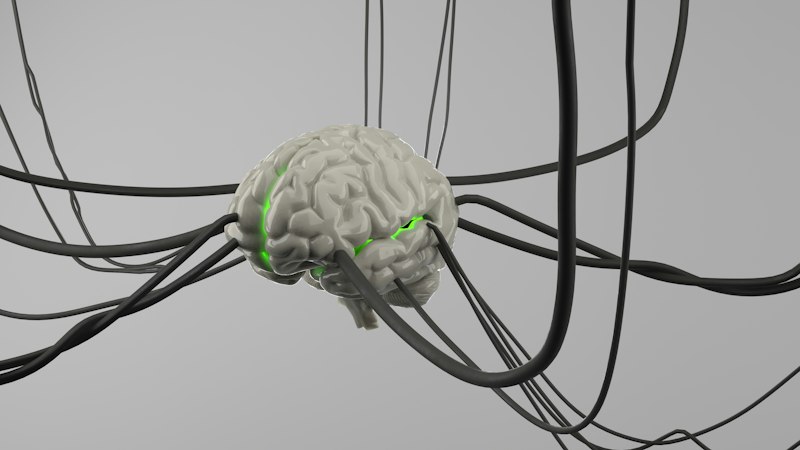
The World Wide Web has fundamentally altered human cognition, particularly in the areas of memory, attention, and social interaction. The ease of access to vast amounts of information has led to what psychologists call the “Google Effect” or digital amnesia, where individuals are less likely to remember information that can be easily found online. Instead of storing facts, the human brain is increasingly adapting to remember *where* to find information rather than the information itself. This shift represents a significant evolution in our transactive memory systems, where the web acts as an external hard drive for the human mind.
Socially, the WWW has redefined the concept of community. Before the web, social circles were largely determined by geographic proximity. Today, the web facilitates the formation of online communities based on shared interests, identities, or psychological needs, regardless of physical distance. This has provided a lifeline for individuals in marginalized groups, allowing them to find support and validation. However, this interconnectivity also brings challenges, such as the “echo chamber” effect, where users are only exposed to information that reinforces their existing beliefs, potentially leading to increased social polarization and cognitive bias.
Furthermore, the constant stream of information provided by the web has significant implications for human attention spans. The hyperlinked nature of the web encourages “skimming” and “scanning” rather than deep, linear reading. This fragmented consumption of information can lead to cognitive overload, where the brain struggles to process the sheer volume of stimuli. As users jump from one tab to another, the psychological cost of task-switching can decrease overall productivity and increase feelings of mental fatigue. Understanding these psychological impacts is crucial as the web becomes even more integrated into our daily cognitive processes.
The Economic Revolution: E-Commerce and the Global Marketplace
The advent of the World Wide Web has catalyzed an economic transformation of unprecedented scale, giving rise to the online marketplace. By removing the physical barriers to trade, the web has enabled businesses of all sizes to reach a global audience. Consumers can now purchase goods and services from across the world with a single click, a phenomenon that has disrupted traditional retail models and forced a total reimagining of the supply chain. This shift toward e-commerce has not only increased consumer choice but has also created entirely new industries, such as digital marketing, logistics technology, and the gig economy.
From a psychological standpoint, the web has altered consumer behavior through the use of persuasive design and data-driven algorithms. E-commerce platforms utilize sophisticated tracking to provide personalized recommendations, which can trigger impulsive buying behavior. The gamification of shopping—through limited-time offers, loyalty points, and interactive interfaces—leverages psychological principles of reward and scarcity to drive engagement. This digital marketplace is open 24/7, creating a culture of instant gratification that was previously impossible in the physical world.
Moreover, the web has democratized entrepreneurship. Platforms like Etsy, eBay, and Shopify allow individuals to monetize their skills and products with minimal overhead costs. This has led to the rise of the “solopreneur” and has provided economic opportunities in regions where traditional job markets may be limited. However, this global competition also places immense pressure on small businesses to keep pace with the technological capabilities and pricing strategies of multinational corporations. The economic landscape of the web is characterized by both immense opportunity and intense volatility, reflecting the rapid pace of digital innovation.
Security Vulnerabilities: Threats to Privacy and Data Integrity
Despite its numerous benefits, the World Wide Web is fraught with significant security challenges that pose a constant threat to users and organizations. One of the most pervasive issues is identity theft, where malicious actors use stolen personal information to commit fraud. The interconnected nature of the web means that a single data breach at a major corporation can expose the sensitive information of millions of individuals. This has led to an increased psychological focus on privacy and the need for robust encryption methods to protect data as it travels across the network.
Another common threat is phishing, a form of social engineering where attackers deceive users into revealing confidential information, such as passwords or credit card numbers. Phishing attacks often exploit psychological triggers like urgency, fear, or curiosity to bypass a user’s natural skepticism. Additionally, the proliferation of malware—including viruses, ransomware, and spyware—poses a risk to the integrity of computer systems. These malicious programs can be hidden in downloads, email attachments, or even compromised websites, highlighting the importance of cybersecurity awareness and the use of protective software.
The psychological impact of these security threats is substantial, often leading to a sense of digital vulnerability. Users may experience anxiety regarding their online presence and a lack of trust in digital institutions. To combat these threats, the industry has moved toward more secure protocols, such as multi-factor authentication (MFA) and end-to-end encryption. However, as security measures evolve, so do the tactics of cybercriminals, creating a perpetual “arms race” between those seeking to protect the web and those seeking to exploit it. Maintaining the integrity of the web requires constant vigilance and a proactive approach to digital safety.
The Digital Divide: Socioeconomic Barriers to Access
While the World Wide Web is often described as a universal resource, a significant digital divide persists between different socioeconomic groups and geographic regions. This divide refers to the gap between those who have easy access to high-speed internet and the devices necessary to use it, and those who do not. In many parts of the developing world, the cost of data and hardware remains prohibitive, preventing millions of people from participating in the digital age. This lack of access limits opportunities for education, employment, and civic engagement, further entrenching existing social inequalities.
The digital divide is not merely a matter of physical access but also of digital literacy. Even when the internet is available, individuals may lack the psychological confidence or technical skills required to navigate the web effectively. This creates a secondary divide where those with higher levels of education and technical proficiency are better able to leverage the web for personal and professional growth. Addressing this issue requires not only infrastructure investment but also comprehensive educational initiatives designed to empower individuals with the tools they need to succeed in a digital society.
Furthermore, the quality of access varies significantly. Users in urban areas often enjoy fiber-optic speeds, while those in rural or remote locations may rely on slow, unreliable satellite connections. This disparity affects the ability to use modern web applications that require high bandwidth, such as telemedicine, video conferencing, and online learning platforms. Closing the digital divide is a critical challenge for the 21st century, as the World Wide Web has become an essential utility for modern life. Ensuring equitable access is a prerequisite for a truly global and inclusive information society.
Synthesis and Conclusion: The Future of Global Connectivity
In conclusion, the World Wide Web has revolutionized the way humanity accesses, processes, and shares information. From its humble beginnings as a proposal at CERN to its current status as a global necessity, the web has reshaped every facet of the human experience. It has provided a platform for unprecedented scientific collaboration, economic growth, and social connection. However, the web also presents complex psychological and ethical challenges, ranging from the impact on human memory to the persistent threats of cybercrime and the widening digital divide.
As we look toward the future, the web continues to evolve through the development of the Semantic Web and the integration of Artificial Intelligence (AI). These advancements aim to make web content more machine-readable and personalized, potentially leading to a more intuitive and efficient user experience. However, these technologies also raise new questions regarding data privacy, algorithmic bias, and the potential for increased digital manipulation. The ongoing development of the web will require a careful balance between technological innovation and the protection of human rights and psychological well-being.
Ultimately, the World Wide Web remains a testament to human ingenuity and the desire for connection. It is a dynamic, living entity that reflects both the best and worst of human nature. By addressing the current flaws—such as security concerns and unequal access—we can work toward a future where the web serves as a truly universal and empowering resource for all of humanity. The journey of the WWW is far from over, and its continued evolution will undoubtedly remain a central theme in the story of human progress.
References
- Berners-Lee, T. (1989). Information management: A proposal. CERN. Retrieved from https://www.w3.org/History/1989/proposal.html
- Mozilla Developer Network. (n.d.). HTML: HyperText Markup Language. Retrieved from https://developer.mozilla.org/en-US/docs/Web/HTML
- Mozilla Developer Network. (n.d.). CSS: Cascading Style Sheets. Retrieved from https://developer.mozilla.org/en-US/docs/Web/CSS
- Mozilla Developer Network. (n.d.). JavaScript. Retrieved from https://developer.mozilla.org/en-US/docs/Web/JavaScript
- World Wide Web Consortium (W3C). (2021). About the W3C: History and Mission.