Active Recreation: Fuel Your Mind Through Movement
Scientifically Reviewed · Dr. Marwa Abd-Alazim · August 28, 2026
Review Criteria & Clinical Standards
This content undergoes rigorous scientific peer-review and medical editorial standards at Arab Psychology Network to ensure clinical accuracy, validity, and compliance with evidence-based guidelines from leading psychological and healthcare authorities (APA / WHO).
Definition and Core Principles
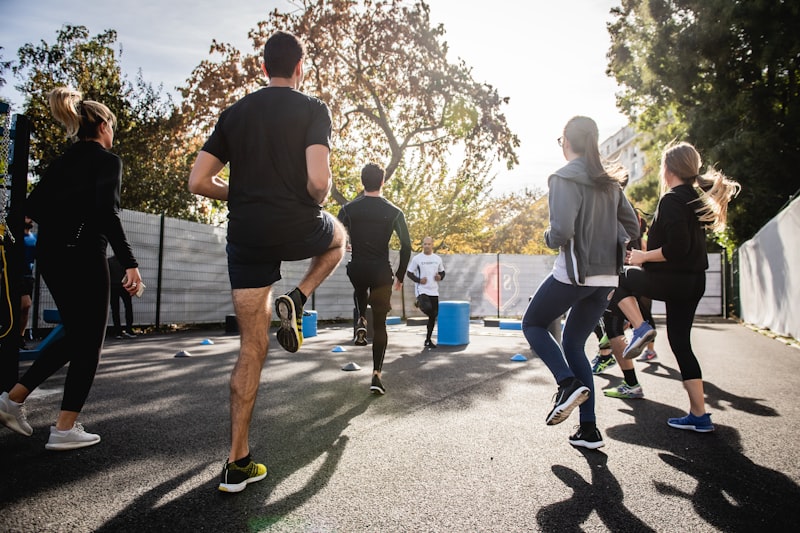
Active recreation is formally defined within the fields of therapeutic recreation and leisure studies as a voluntary form of leisure treatment wherein an individual engages actively in an operation or pursuit that necessitates demonstrable physical exertion and significant cognitive effort. Unlike passive leisure, which involves minimal energy expenditure—such as watching television or listening to music—active recreation requires the participant to intentionally commit somatic energy, often resulting in physiological changes, skill acquisition, or problem-solving. This concept centers on the duality of participation: the activity must demand both mechanical movement (e.g., the rhythmic motion of running or the complex footwork of the samba, as cited in clinical examples) and mental presence, requiring focus, strategy, and decision-making to execute the task effectively and safely.
The core principle distinguishing active recreation lies in the concept of intentional engagement. The pursuit is chosen freely, driven by intrinsic motivation rather than external obligation, and is perceived by the participant as inherently rewarding or restorative. This intentionality shifts the activity from mere exercise, which may be goal-oriented (e.g., weight loss), to a form of recreation that contributes directly to psychological well-being and life satisfaction. Furthermore, the effort expended is directly correlated with the perceived benefits; the psychological reward often stems from overcoming the challenge presented by the activity, reinforcing feelings of competence and mastery. The integration of physical challenge and mental focus is paramount, transforming simple movement into a meaningful, holistic experience that contributes to overall health.
In a broader psychological context, active recreation serves as a critical mechanism for achieving balance and mitigating the deleterious effects of sedentary modern life and chronic stress. It acts as a counterpoint to professional or domestic obligations, providing a structured, positive outlet for energy and emotion. The activities chosen are highly individualized, ranging from highly structured competitive team sports to solitary, self-paced pursuits such as hiking or swimming. Regardless of the form, the fundamental requirement remains the same: the individual must be the primary agent of the action, utilizing their physical and mental capacities to navigate the recreational environment. This agency is central to the therapeutic value inherent in active participation, fostering a sense of control and self-determination that often translates into other areas of life.
Historical Context and Evolution
The philosophical underpinnings of active recreation stretch back to classical antiquity, where thinkers recognized the interdependence of the mind and body. The ancient Greek emphasis on kalokagathia (the ideal of noble and good) promoted physical training alongside intellectual pursuits, suggesting that physical activity was necessary not merely for strength, but for the cultivation of moral character and civic virtue. Roman culture similarly institutionalized physical activity through public baths and gymnasiums, recognizing its importance for military readiness and public health. However, the formal conceptualization of active recreation as a distinct therapeutic category only began to coalesce much later, primarily following the societal shifts brought about by the Industrial Revolution, which created rigid distinctions between work time and formalized leisure time.
The 19th and early 20th centuries witnessed a significant evolution in the understanding of leisure, moving away from purely utilitarian views toward recognition of its restorative and developmental potential. The rise of public parks movements, organized sports leagues, and outdoor recreation clubs signaled a societal acknowledgment that purposeful, active engagement during non-work hours was vital for mitigating the stress and monotony of factory labor. This era saw the emergence of formalized physical education and the introduction of organized athletic programs in schools and communities. Psychologists and early sociologists began to study the impacts of play and sport on social integration, character development, and psychological adjustment, laying the groundwork for modern therapeutic applications.
By the mid-20th century, the field of Therapeutic Recreation (TR) formalized the application of active recreation as a clinical intervention. Driven by the need to rehabilitate veterans following global conflicts, practitioners recognized that engaging patients in active, meaningful leisure—ranging from adaptive sports to creative movement—could restore physical function, improve emotional regulation, and facilitate social reintegration. This clinical application cemented active recreation not merely as a pastime, but as a structured, efficacious modality for achieving measurable health outcomes. Modern research continues to build upon this foundation, utilizing advanced methodologies to quantify the specific neurological and psychological mechanisms through which active engagement promotes resilience and well-being across the lifespan.
The Psychological Benefits of Engagement
The psychological impact of active recreation is profound and multifaceted, contributing substantially to mental health maintenance and stress management. One of the most frequently cited benefits is its capacity to induce a state of “flow,” a concept popularized by psychologist Mihaly Csikszentmihalyi. Flow is characterized by deep immersion and focused concentration on the activity, where the participant’s skill level is perfectly matched to the challenge presented. When in a state of flow during activities like climbing, dancing, or competitive running, individuals often experience a temporary loss of self-consciousness, a distortion of time perception, and an intrinsic sense of enjoyment. This immersive quality acts as a powerful buffer against rumination and anxiety, effectively redirecting cognitive resources away from stressors.
Active recreation also significantly boosts self-efficacy and mastery experiences. Successfully completing a physically or mentally demanding recreational task—whether learning a new dance step, mastering a difficult hiking trail, or improving one’s time in a race—provides concrete evidence of personal capability. This positive feedback loop strengthens the individual’s belief in their ability to cope with challenges in other domains of life. Furthermore, many forms of active recreation involve goal setting, planning, and execution, requiring participants to develop discipline and persistence. The incremental progress achieved through consistent effort reinforces an internal locus of control, fostering psychological resilience and reducing feelings of helplessness often associated with depressive states.
In addition to these cognitive benefits, active recreation plays a crucial role in affective regulation. Physical activity stimulates the release of neurotransmitters, particularly endorphins, which possess analgesic and mood-elevating properties, often referred to colloquially as a “runner’s high.” Regular engagement helps regulate cortisol levels, the primary stress hormone, thereby moderating the body’s long-term response to chronic psychological pressure. Moreover, activities performed in a group setting, such as team sports or group fitness classes, satisfy fundamental human needs for belonging and social connection. These shared experiences reduce feelings of loneliness and isolation, providing essential social support networks that are critical components of robust mental health.
Physiological Mechanisms and Health Outcomes
The physiological advantages derived from active recreation are extensive, operating through various systemic mechanisms that enhance overall health and prevent chronic disease. The sustained physical demands of activities like swimming, cycling, or brisk walking significantly improve cardiovascular efficiency. Regular engagement strengthens the heart muscle, lowers resting heart rate, reduces blood pressure, and improves peripheral circulation. This enhanced vascular function reduces the risk factors associated with coronary artery disease, stroke, and hypertension. The mechanical stress placed upon the skeletal system during weight-bearing activities, such as hiking or dancing, also promotes increased bone density, offering protection against osteoporosis later in life.
From a metabolic perspective, active recreation is indispensable for maintaining healthy body composition and regulating vital physiological processes. Physical exertion increases energy expenditure and improves insulin sensitivity, which is critical for the prevention and management of Type 2 diabetes. The increased muscle mass gained through various activities boosts basal metabolic rate, aiding in weight management. More recently, research has focused on the neurobiological impacts, demonstrating that aerobic activity promotes neurogenesis—the growth of new neurons—particularly in the hippocampus, the region of the brain associated with memory and learning. This biological mechanism suggests a powerful link between physical activity and the maintenance of cognitive function and the mitigation of neurodegenerative diseases.
Furthermore, active recreation optimizes sleep architecture. While the exertion requires immediate energy, the subsequent fatigue and the regulatory effects on the circadian rhythm lead to deeper, more restorative sleep cycles. Improved sleep quality, in turn, enhances immune function, improves emotional stability, and supports daytime cognitive performance. The holistic effect of engaging in physically demanding recreation is a profound optimization of the body’s homeostatic mechanisms, ensuring that internal systems operate efficiently and resiliently against environmental and psychological stressors. These physiological outcomes are not merely secondary benefits; they are intrinsic to the definition of active recreation as a health-promoting behavior.
Classification and Typologies of Active Recreation
Active recreation encompasses a vast spectrum of human activity, which can be categorized based on criteria such as setting, required skill set, social structure, and intensity level. A fundamental classification distinguishes between competitive and non-competitive activities. Competitive recreation, such as soccer, tennis, or organized running races, involves striving toward a clearly defined goal, often against an opponent or time standard, fostering skills in strategic thinking, teamwork, and resilience under pressure. Conversely, non-competitive recreation, including nature photography, recreational hiking, or mindful yoga, focuses primarily on intrinsic enjoyment, personal challenge, and exploration, minimizing external pressure and maximizing restorative benefits.
Another useful typology separates activities into individual and group formats. Individual active recreation (e.g., solo rock climbing, long-distance swimming) emphasizes self-reliance, internal motivation, and personal goal attainment, offering deep opportunities for introspection and focused skill development. Group active recreation (e.g., team rowing, organized dance classes) highlights social interaction, cooperation, and the development of interpersonal communication skills. These group dynamics are particularly valuable in therapeutic settings, where they help participants practice appropriate social behavior and build supportive peer relationships.
Finally, activities are often classified by their primary engagement mode, which clarifies the required physical and cognitive effort.
- Endurance Activities: Focus on sustained cardiovascular output and stamina (e.g., marathon running, cycling, cross-country skiing).
- Strength and Resistance Activities: Center on muscular development and power (e.g., weightlifting, high-intensity interval training, some forms of martial arts).
- Flexibility and Balance Activities: Emphasize range of motion, motor control, and proprioception (e.g., gymnastics, Tai Chi, specific forms of dance like the samba).
- Skill-Based/Cognitive Activities: Require high levels of fine motor control, strategy, and rapid decision-making, often integrating the previous three categories (e.g., golf, skiing, complex team sports).
This systematic classification aids practitioners in tailoring recreational interventions to meet specific client needs and desired outcomes, ensuring the activity aligns with both physical capacity and psychological goals.
Active Recreation in Therapeutic Settings
In clinical and rehabilitation contexts, active recreation forms the cornerstone of Therapeutic Recreation (TR), a systematic process utilized to enhance or maintain the physical, cognitive, emotional, social, and spiritual well-being of individuals. TR specialists prescribe and facilitate active recreational modalities to restore functioning and reduce secondary health consequences related to illness or disability. For instance, following a stroke or traumatic injury, adaptive active recreation—such as wheelchair basketball or seated yoga—is used not only to regain motor skills but also to rebuild shattered self-esteem and foster a sense of normalcy and societal integration. The emphasis remains on the inherent enjoyment and challenge of the activity, rather than purely on the medical necessity of movement.
The application of active recreation in mental health treatment is equally critical. For individuals struggling with depression or anxiety disorders, structured active engagement provides a crucial behavioral activation strategy. Depression often leads to withdrawal and inactivity; active recreation programs offer low-stakes, positive reinforcement opportunities that counteract lethargy and apathy. By setting achievable, recreationally based goals—such as attending a walking group three times a week or learning to play a musical instrument—patients experience incremental success, which directly challenges negative cognitive patterns and enhances motivation for recovery. The social component of many therapeutic programs also combats the social isolation that frequently accompanies mental illness.
Furthermore, active recreation serves a powerful preventative function. In community health programs, promoting active recreational participation among at-risk populations—including youth and the elderly—is a cost-effective strategy for improving public health. Programs that facilitate access to local parks, community sports leagues, or subsidized fitness classes aim to instill lifelong habits of active engagement. The ultimate goal in therapeutic application is to empower the individual to recognize the value of active leisure and to independently integrate these activities into their daily routine, thereby maintaining long-term physical and psychological health without sustained clinical intervention.
Barriers to Participation and Facilitation Strategies
Despite the documented benefits, numerous barriers impede widespread participation in active recreation. These obstacles are typically categorized into intrapersonal, interpersonal, and structural factors. Intrapersonal barriers include lack of motivation, feelings of incompetence, perceived lack of time, and internalized psychological constraints such as fear of failure or social anxiety. For many, the initial investment of physical effort required by active recreation can be daunting, particularly for those with low fitness levels or chronic pain. Addressing these barriers often requires motivational interviewing techniques and focusing on low-intensity, high-interest activities to build initial confidence.
Interpersonal barriers primarily involve the absence of social support or the pressure from peers or family that discourages active engagement. If an individual’s immediate social network prioritizes passive leisure, the participant may struggle to maintain active habits. Therapeutic strategies address this by utilizing group recreation, establishing support systems, and involving family members in the recreational planning process. Facilitating participation through shared experiences, such as forming a workplace walking club or a community dance troupe, transforms the activity from a solitary struggle into a shared, reinforcing commitment.
The most pervasive obstacles are often structural barriers, which relate to environmental and economic constraints. These include prohibitive costs associated with equipment, membership fees, or travel; lack of access to safe recreational spaces (e.g., parks, trails, community centers); and inflexible work schedules that prevent participation during convenient hours. Overcoming structural barriers requires systemic solutions, such as advocating for community-based, low-cost recreational facilities; developing adaptive recreation programs for individuals with physical disabilities; and ensuring equitable distribution of green spaces within urban environments. Effective facilitation strategies recognize that participation is not solely a matter of individual will, but a product of the interaction between the individual and their accessible environment.